
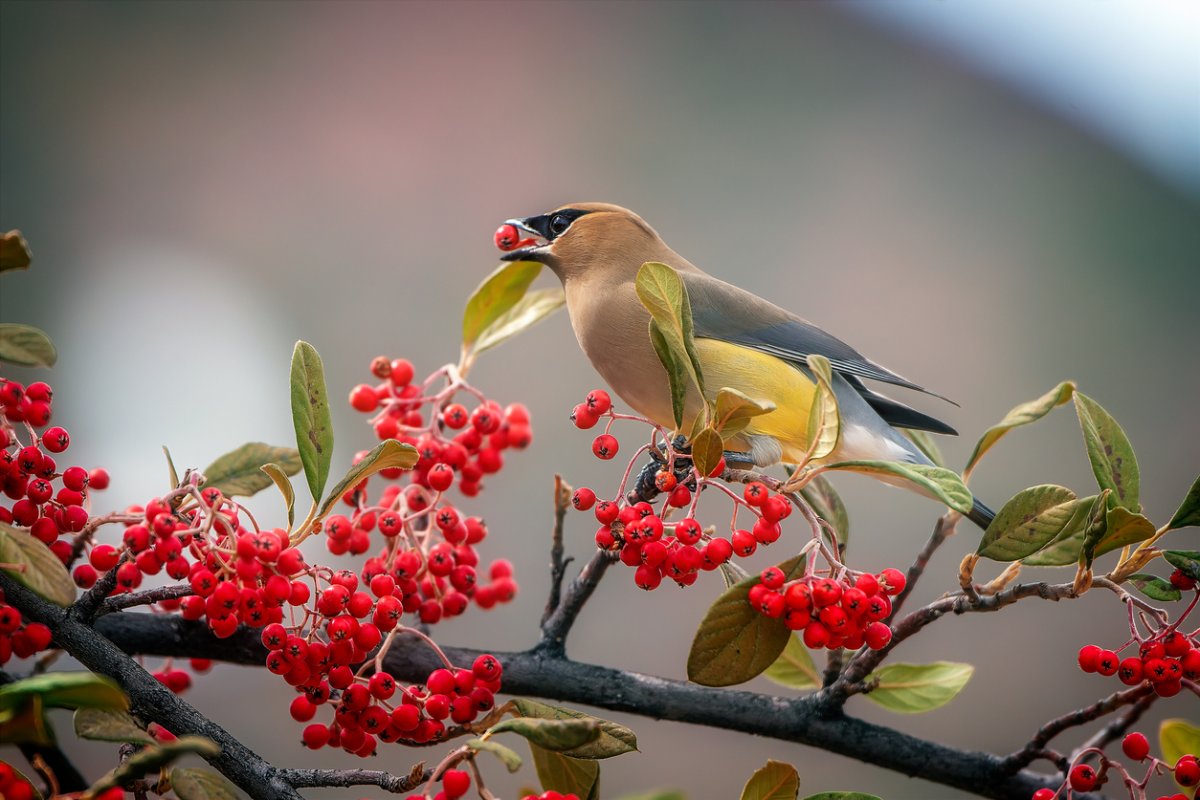
Birds do not have a closet full of feather outfits, but some of them come surprisingly close. Instead of buying a new red jacket or bright-yellow sweater, these birds build their color palette from the foods they eat. Their secret ingredient is usually a group of natural pigments called carotenoids, found in plants, algae, insects, and small aquatic animals.
That does not mean you should turn your backyard into a smoothie bar and start tossing orange slices at every bird with a dull feather. A bird’s coloring is tied to its species, genetics, health, habitat, and molting cycle. Food can influence pigment-based colors, but it is only one part of a much bigger picture. The best approach is to offer safe, species-appropriate food and let nature do the painting.
Here are six colorful birds whose diet plays a role in their appearance, plus practical advice on what to feed themor, in some cases, why the best choice is to leave their menu to trained wildlife professionals.
How Food Helps Birds Build Bright Feathers
Many red, orange, yellow, and pink feathers contain carotenoids. Plants create these pigments, and birds obtain them either by eating plant material directly or by eating insects and aquatic animals that have already consumed carotenoid-rich foods.
Once absorbed, the pigments can be deposited into growing feathers, skin, bills, or other tissues. This is why some birds appear redder, yellower, or pinker after molting. Feathers are not repaintable like a living wall, unfortunately. Once a feather has grown, its color is largely set until the bird molts and grows a new one.
Not every feather color comes from food. Blue feathers, for example, are usually structural colors created by microscopic feather structures that scatter light. A blue jay cannot turn green because it ate a spinach salad, and a bluebird will not become navy after a particularly dramatic berry season.
1. American Flamingos: Pink Feathers From Algae and Crustaceans
Flamingos are the celebrities of food-based bird coloring. They hatch with grayish down and gradually develop pink feathers as they mature. Their famous rosy color comes from carotenoids in algae, brine shrimp, and other tiny aquatic organisms.
Flamingos filter food from shallow water using their unusual upside-down feeding posture and specialized bills. The pigments in their food are metabolized and eventually deposited in their feathers, skin, and bills. Without carotenoid-rich food, a flamingo’s color becomes much paler over time. In other words, pink is not just a fashion choice. It is part of the lunch plan.
What to Feed Flamingos
For almost everyone, the answer is simple: do not feed flamingos at all. Flamingos are wild birds or professionally managed zoo animals, and their diets require careful nutritional balancing. Accredited zoos typically use formulated flamingo diets supplemented with ingredients that provide safe levels of carotenoids.
Never try to recreate a flamingo diet with shrimp, food coloring, carrots, or random supplements. A flamingo is not a lawn ornament that needs a touch-up before summer. If you see wild flamingos, enjoy them from a respectful distance and protect the wetlands that provide their natural food.
2. Roseate Spoonbills: The Pink Wading Birds With a Spoon for a Bill
Roseate spoonbills look like someone crossed a flamingo with a paintbrush and then gave it an oversized spatula for a face. Their pink coloring also comes from carotenoids, especially those found in small crustaceans and aquatic invertebrates.
These wading birds sweep their partially open bills side to side through shallow water. Sensitive nerve endings help them detect shrimp, tiny crabs, aquatic insects, and small fish. Their diet gives them the pink glow that makes them so memorable in coastal marshes and wetlands.
What to Feed Roseate Spoonbills
Do not offer spoonbills food in the wild. Their natural diet depends on healthy wetlands, tidal flats, marshes, and shallow coastal waters. Feeding wild spoonbills can alter their behavior, attract them to unsafe places, and encourage unhealthy dependence on people.
The best “food” you can provide is habitat support. Protect wetlands, avoid disturbing nesting areas, keep pets away from shorebird habitat, and support local conservation efforts. In the bird world, sometimes the most helpful buffet is simply not draining the restaurant.
3. Northern Cardinals: Red Feathers Powered by Plant Pigments
The male Northern Cardinal is one of the most recognizable backyard birds in North America. His bright red feathers are influenced by carotenoids obtained through foods such as fruits, seeds, and insects that have consumed plant material. Female cardinals are more softly colored, but they also rely on a varied diet for health and feather quality.
A cardinal’s intense color is not a guarantee that it is “better” than every other cardinal in the neighborhood. Feather color can be influenced by age, molt timing, genetics, health, stress, habitat, and the availability of natural foods. Still, a varied diet gives these birds the building blocks they need for healthy plumage.
What to Feed Northern Cardinals
Black-oil sunflower seed is one of the best choices for attracting cardinals. They also enjoy safflower seed, cracked corn, shelled unsalted peanuts, and some fruits. Cardinals prefer stable feeding spaces, so a platform feeder, hopper feeder, or broad ground-feeding area often works better than a tiny swinging tube feeder.
For a more natural food source, plant native berry-producing shrubs and allow some dense undergrowth near the edge of the yard. Cardinals use shrubs for cover and nesting, and they eat a mixture of seeds, fruits, and insects throughout the year.
4. House Finches: Red, Orange, or Yellow Depending on Their Diet
House finches provide one of the clearest examples of diet influencing bird coloration. Male House Finches can range from yellowish-orange to deep red, depending largely on the amount and type of carotenoid-rich food they consume before growing new feathers.
This is why two male House Finches sitting on the same feeder may look as if they belong to different color departments. One may appear raspberry red, while another looks more like a ripe apricot. Both can be healthy, but their diets and ability to process pigments may differ.
What to Feed House Finches
House Finches readily visit feeders stocked with black-oil sunflower seed. They also eat nyjer seed, millet, small seeds, buds, and fruit. In natural settings, they consume seeds from weeds and grasses as well as berries and orchard fruits.
A simple feeder filled with fresh black-oil sunflower seed is usually enough to bring them in. Avoid cheap seed mixes loaded with filler grains that birds toss aside. The finches will not write a complaint letter, but they may leave the mess on your patio as a strongly worded review.
5. American Goldfinches: Golden Feathers From a Seed-Focused Diet
American Goldfinches are famous for the male’s bright yellow breeding plumage. Their yellow tones are linked to carotenoids obtained through their diet, which consists largely of seeds. Goldfinches are especially fond of seeds from sunflowers, asters, thistles, grasses, and other plants.
Unlike many songbirds, goldfinches are highly seed-focused. They even breed later in summer than many other birds, often timing nesting with the availability of fluffy plant fibers and abundant seeds.
What to Feed American Goldfinches
Nyjer seed and sunflower seed are two excellent choices for attracting American Goldfinches. Use a tube feeder with small feeding ports or a mesh nyjer feeder to reduce waste. Fresh seed matters; old, wet, or moldy nyjer can make birds avoid the feeder entirely.
You can also plant native thistles, asters, coneflowers, sunflowers, and milkweed. Let seed heads remain standing into fall and winter rather than cutting every plant down the moment the garden starts looking slightly untidy. To a goldfinch, your “messy” garden may look like an all-inclusive resort.
6. Western Tanagers: Scarlet Head Feathers With an Unusual Food Connection
Western Tanagers are among the most striking birds in western North America. Adult males have vivid yellow bodies with fiery red-orange heads. While many red birds rely on common carotenoids from plant foods, Western Tanagers are unusual because their scarlet coloring is linked to a pigment called rhodoxanthin.
Scientists believe these birds obtain the pigment from insects in their diet. That makes the Western Tanager a helpful reminder that colorful feathers are not always connected to fruit alone. Sometimes the secret ingredient has six legs and was minding its own business on a branch.
What to Feed Western Tanagers
Western Tanagers mainly eat insects during the breeding season, along with fruit and berries. In suitable areas, they may visit yards with native fruiting trees and shrubs. They are not dependable feeder birds, but some may investigate orange halves, chopped fruit, or water features during migration.
The best strategy is to create a bird-friendly landscape rather than trying to lure them with a single specialty snack. Plant native fruiting shrubs, avoid broad-spectrum pesticides, leave insect habitat in place, and provide a clean water source. A healthy yard full of insects is far more useful than a bowl of fruit that becomes a fruit fly convention by noon.
Safe Feeding Rules for Colorful Backyard Birds
Giving birds good food is not the same as trying to force brighter feathers. A balanced approach protects birds and gives you a better chance of seeing them return year after year.
Use Fresh, Species-Appropriate Food
Offer black-oil sunflower seed for many common birds, nyjer for small finches, safflower for cardinals, and native plants for birds that prefer natural foods. Replace wet seed promptly, especially after rain. Moldy seed is dangerous and should be discarded.
Keep Feeders Clean
Wash feeders regularly with hot soapy water, rinse them thoroughly, and let them dry before refilling. Clean the ground beneath feeders as well. Accumulated hulls, droppings, and damp seed can encourage bacterial and fungal problems.
Do Not Use Food Dye or Human Snacks
Artificial food dye, salty snacks, sugary baked goods, processed meat, chocolate, alcohol, avocado, and spoiled fruit do not belong in bird feeders. They can be harmful, nutritionally incomplete, or difficult for birds to digest.
Do Not Overfeed Wild Birds
Feeders should supplement a bird-friendly habitat, not replace natural foraging. Native plants, insects, clean water, shelter, and safe nesting areas matter just as much as seed. A feeder is helpful, but it is not a substitute for a functioning ecosystem.
Experience-Informed Lessons From Feeding Colorful Birds
Anyone who starts feeding birds usually expects one thing: birds. What they often get is a daily neighborhood drama with feathers. The first visitor may be a cautious cardinal checking the feeder from a shrub. A few days later, a House Finch arrives with friends. Soon, a goldfinch appears, looks offended by the size of the seed port, and waits for someone else to make the first move.
The biggest lesson from watching colorful birds is that patience is far more useful than constant tinkering. Many people change seed blends every other day, move feeders around repeatedly, or add extra fruit because they want brighter birds to arrive immediately. Birds usually prefer consistency. A clean feeder in a safe, quiet place is more attractive than a wildly decorated feeding station that changes every morning like a reality-show set.
Cardinals often teach the value of cover. A yard can have the best sunflower seed in town, but cardinals may still hesitate if there are no shrubs or low branches nearby. They like to move between protected spaces and feeding areas. When a feeder is placed near dense vegetationbut not so close that a cat can ambush from belowcardinals often become more comfortable.
House Finches are often the first birds to prove that fresh seed matters. They may crowd around a feeder when black-oil sunflower seed is new and dry, then disappear when the seed becomes stale or damp. Their behavior is a useful reminder that birds are excellent quality-control inspectors. They do not need a laboratory report. They simply vote with their wings.
Goldfinches offer another valuable lesson: a garden does not need to look perfectly trimmed to be useful. Leaving coneflower heads, sunflowers, asters, and native grasses standing through fall can create natural feeding opportunities. A slightly wild corner of the yard may attract more activity than the most carefully manicured flower bed. This is wonderful news for anyone looking for a scientifically valid reason to postpone yard work.
Watching food-colored birds also makes it easier to notice the difference between healthy variation and unrealistic expectations. A House Finch with orange feathers is not automatically sick. A cardinal that looks less red after a difficult season is not necessarily in danger. Feather color changes gradually and is influenced by molt, age, diet, weather, parasites, and genetics.
The most rewarding experience usually comes when bird feeding becomes less about controlling nature and more about observing it. Instead of trying to manufacture brighter feathers, create a clean, safe, diverse habitat. The birds will handle the rest. They have been designing themselves with seeds, berries, algae, insects, and a little evolutionary flair for millions of years.
Final Thoughts
Flamingos, spoonbills, cardinals, House Finches, goldfinches, and Western Tanagers prove that a bird’s menu can be far more colorful than it appears. Carotenoids and other natural pigments help create some of the reds, yellows, oranges, and pinks that make birds so captivating.
For backyard bird lovers, the goal is not to “improve” a bird’s feathers with special color boosters. It is to provide fresh seed, native plants, clean water, shelter, and a safe place to forage. Do that well, and your yard may become a natural gallery where the exhibits arrive under their own power.














