
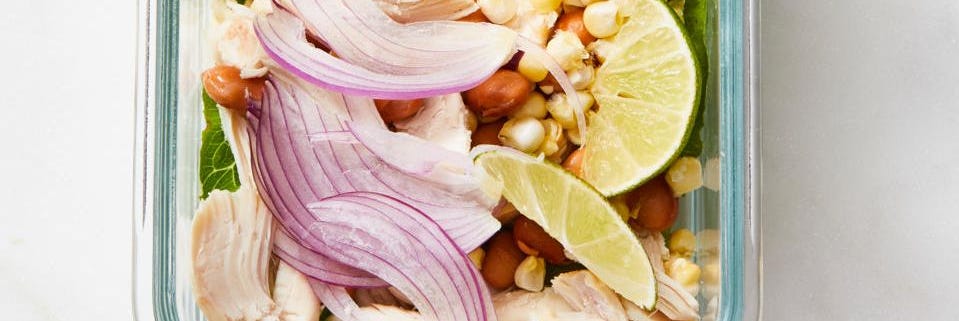
Some salads politely sit beside the main course. This Tex-Mex chicken salad kicks open the dining-room door, claims the biggest bowl, and announces that it is dinner.
Juicy chili-lime chicken is piled over crisp romaine with sweet corn, black beans, tomatoes, avocado, red onion, cheese, cilantro, and crunchy tortilla strips. A creamy chipotle-lime dressing ties everything together with tanginess, gentle heat, and enough personality to make bottled ranch feel slightly underdressed.
The combination reflects the best elements found across popular American Southwest and Tex-Mex salads: seasoned chicken, sturdy greens, beans, corn, avocado, fresh vegetables, tortilla crunch, and a citrus-forward dressing.
This recipe serves four generously, comes together in about 40 minutes, and can be adapted for meal prep, cookouts, family dinners, or those evenings when you want nachos but also remember that vegetables exist.
Why This Is the Best Tex-Mex Chicken Salad
A memorable chicken salad needs more than lettuce and optimism. Every bite should contain contrasting flavors and textures: warm chicken, cold greens, creamy avocado, juicy tomatoes, smoky corn, tender beans, sharp onion, and crisp tortilla strips.
The Chicken Has Real Flavor
The chicken is coated with chili powder, cumin, smoked paprika, garlic, lime, and olive oil before cooking. This creates a savory crust while keeping the interior moist. Letting the chicken rest before slicing prevents its juices from decorating your cutting board instead of your dinner.
The Dressing Is Creamy but Bright
Greek yogurt provides body without making the dressing excessively heavy. Lime juice adds acidity, honey softens the sharp edges, and chipotle peppers contribute smoky heat. The dressing is thick enough to cling to the chicken but loose enough to drizzle through the salad.
The Toppings Are Balanced
Black beans and corn make the salad substantial, while tomatoes and bell pepper provide freshness. Avocado brings richness, and tortilla strips deliver the necessary crunch. Similar combinations appear repeatedly in successful taco salads, black bean salads, burrito bowls, and Southwestern chicken salads because the ingredients naturally balance one another.
Tex-Mex Chicken Salad Ingredients
The ingredient list may look long, but most items are pantry spices, vegetables, or toppings. Several components can also be prepared ahead.
For the Chili-Lime Chicken
- 1 1/2 pounds boneless, skinless chicken breasts or thighs
- 1 tablespoon olive oil
- 1 tablespoon fresh lime juice
- 1 teaspoon chili powder
- 1 teaspoon ground cumin
- 1/2 teaspoon smoked paprika
- 1/2 teaspoon garlic powder
- 1/2 teaspoon kosher salt
- 1/4 teaspoon freshly ground black pepper
For the Creamy Chipotle-Lime Dressing
- 1/3 cup plain Greek yogurt
- 3 tablespoons fresh lime juice
- 2 tablespoons extra-virgin olive oil
- 1 tablespoon honey
- 1 to 2 teaspoons minced chipotle pepper in adobo sauce
- 1 small garlic clove, finely grated
- 1/2 teaspoon ground cumin
- 1/4 teaspoon kosher salt, plus more to taste
- 2 to 4 tablespoons water, as needed
For the Salad
- 2 large romaine hearts, chopped
- 1 cup corn kernels, fresh, frozen, or drained from a can
- 1 can black beans, about 15 ounces, rinsed and thoroughly drained
- 1 cup cherry or grape tomatoes, halved
- 1 red or orange bell pepper, diced
- 1/4 small red onion, thinly sliced
- 1 ripe avocado, diced
- 1/2 cup shredded Monterey Jack, pepper Jack, or cheddar cheese
- 1/3 cup chopped fresh cilantro
- 1 jalapeño, thinly sliced, optional
- 1 cup tortilla strips or lightly crushed tortilla chips
- Lime wedges, for serving
How to Make Tex-Mex Chicken Salad
Step 1: Season the Chicken
Pat the chicken dry with paper towels. Place it in a shallow bowl and add the olive oil, lime juice, chili powder, cumin, smoked paprika, garlic powder, salt, and black pepper. Rub the seasoning over every surface.
Let the chicken stand for 15 minutes while you prepare the dressing and vegetables. For longer marinating, cover and refrigerate it for up to eight hours. Always marinate poultry in the refrigerator rather than on the counter.
Step 2: Make the Chipotle-Lime Dressing
Whisk together the Greek yogurt, lime juice, olive oil, honey, chipotle, garlic, cumin, and salt. Add water one tablespoon at a time until the dressing reaches a pourable consistency.
Taste before adding more chipotle. One teaspoon creates mild, smoky warmth; two teaspoons give the dressing a more noticeable kick. Remember that the heat will become slightly gentler once the dressing is distributed over the entire salad.
Step 3: Cook the Chicken
Heat a large skillet or grill pan over medium-high heat. Add the chicken and cook for approximately 5 to 7 minutes per side, depending on thickness. Avoid repeatedly flipping or pressing it with a spatula. Chicken is not a panini.
The thickest portion must reach an internal temperature of 165°F when checked with a food thermometer. Color alone is not a dependable test of doneness.
Transfer the cooked chicken to a plate and let it rest for 5 to 10 minutes. Slice it against the grain into strips or bite-size pieces.
Step 4: Char the Corn
While the chicken rests, add the corn to the same skillet. Cook for 3 to 5 minutes, stirring occasionally, until several kernels develop brown spots. This small step gives the salad a smoky, grilled flavor even when dinner is being made indoors.
Fresh corn is excellent in summer, but frozen corn works throughout the year. Thaw and pat it dry first so it sears instead of steaming. Drained canned corn is another perfectly acceptable weeknight shortcut.
Step 5: Assemble the Salad
Place the chopped romaine in a large serving bowl. Arrange the black beans, charred corn, tomatoes, bell pepper, red onion, cheese, cilantro, jalapeño, and sliced chicken over the lettuce.
Add the avocado shortly before serving. Drizzle on about half of the dressing and toss gently. Add more dressing as needed, then finish with tortilla strips and lime wedges.
Adding the crunchy topping last matters. Tortilla strips mixed in too early eventually become tortilla memories.
Expert Tips for Better Results
Dry the Lettuce Thoroughly
Water left on romaine dilutes the dressing and prevents it from clinging. After washing the lettuce, use a salad spinner or clean kitchen towels to remove as much moisture as possible.
Rinse and Drain the Beans
Rinsing canned black beans removes the thick packing liquid and gives the salad a cleaner appearance. Drain them well afterward; otherwise, excess water collects at the bottom of the bowl.
Use Fresh Lime Juice
Bottled lime juice can taste flat or harsh in an uncooked dressing. Fresh lime provides the brightness that connects the smoky chicken, creamy avocado, and earthy beans.
Control the Red Onion
For a milder onion flavor, soak the slices in cold water for 10 minutes, then drain and pat them dry. They will remain crisp but lose some of their sharp bite.
Keep Components Separate for Meal Prep
Store the lettuce, chicken, dressing, avocado, and tortilla strips separately. Beans, corn, tomatoes, bell pepper, and onion can share a container. Assemble immediately before eating for the best texture.
Easy Recipe Variations
Rotisserie Chicken Shortcut
Replace the freshly cooked chicken with approximately three cups of shredded rotisserie chicken. Toss it with a little lime juice, cumin, chili powder, and smoked paprika before adding it to the salad. Rotisserie chicken is widely used as a practical shortcut in chicken salads, soups, and other weeknight meals.
Spicier Tex-Mex Chicken Salad
Add extra chipotle, sliced serrano pepper, pickled jalapeños, or a few dashes of hot sauce. Pepper Jack cheese can also increase the heat without overpowering the other flavors.
Lighter Dressing
Replace half the olive oil with water or low-sodium broth and use nonfat Greek yogurt. Citrus juice, oil, herbs, and spices form a flexible base for homemade salad dressings.
Dairy-Free Version
Use an unsweetened dairy-free yogurt in the dressing and omit the cheese. Add extra avocado or toasted pumpkin seeds for additional richness.
Vegetarian Version
Skip the chicken and double the black beans, or add roasted chickpeas, quinoa, or grilled portobello mushrooms. The beans, corn, avocado, and vegetables already create a satisfying foundation.
Tex-Mex Chicken Salad Wraps
Chop the ingredients into smaller pieces, use slightly less dressing, and roll the mixture into large flour tortillas. Keep the tortilla strips inside for crunch or serve them on the side.
What to Serve With Tex-Mex Chicken Salad
This salad is substantial enough to serve alone, but it also pairs well with warm flour tortillas, cornbread, cilantro-lime rice, tortilla soup, grilled vegetables, salsa, guacamole, or a bowl of fresh fruit.
For entertaining, create a build-your-own salad bar. Place the chicken, vegetables, beans, cheese, avocado, dressing, and crunchy toppings in separate bowls. Guests can customize their portions, and cilantro skeptics can quietly make their own decisions without starting a family debate.
Storage and Food-Safety Guidance
Refrigerate leftover chicken and prepared salad components promptly. Perishable food should not remain at room temperature for more than two hours, or more than one hour when the surrounding temperature is above 90°F.
Cooked chicken and homemade chicken salad can generally be refrigerated for three to four days when properly stored at 40°F or below.
For quality rather than safety, the fully assembled salad is best eaten immediately. Dressed romaine softens, avocado darkens, and tortilla strips absorb moisture. Store those ingredients separately whenever possible.
The Tex-Mex Chicken Salad Experience: What Home Cooks Can Expect
Making this salad feels less like preparing a restrained bowl of greens and more like organizing a small, edible festival. At first, the counter may appear crowded: a lime rolling toward the edge, a can of beans waiting to be drained, an avocado whose ripeness is being judged like a contestant on a talent show, and enough spices to suggest something exciting is about to happen.
The transformation begins when the seasoned chicken hits the hot skillet. Chili powder, cumin, smoked paprika, and garlic become intensely fragrant, producing the unmistakable smell of fajitas arriving at a restaurant table. That aroma is useful because it immediately attracts anyone who previously claimed not to be hungry.
While the chicken cooks, the dressing offers the first opportunity to personalize the recipe. With one teaspoon of chipotle, it tastes creamy, tangy, and gently smoky. Add another spoonful, and the dressing becomes bolder. A little extra honey rounds out aggressive heat, while another squeeze of lime sharpens a dressing that tastes too rich. The process encourages tasting and adjusting rather than blindly following instructions.
The most satisfying moment comes during assembly. Romaine forms the green base, but it quickly disappears beneath bright tomatoes, golden corn, glossy black beans, red onion, peppers, cheese, and avocado. Sliced chicken adds warmth, and tortilla strips turn the finished bowl into something that resembles a taco platter that made one responsible decision.
The first bite usually explains why the recipe works. The lettuce snaps, the avocado softens the chile heat, and the lime dressing cuts through the cheese and chicken. Corn contributes sweetness, beans add substance, and tortilla strips keep the texture lively. No single ingredient dominates for long; the flavor changes slightly with every forkful.
Home cooks may also notice that this recipe is forgiving. A missing bell pepper does not ruin dinner. Corn can be fresh, frozen, or canned. Chicken thighs can replace breasts. Cheddar can stand in for Monterey Jack. Cilantro can be reduced, increased, or left in a separate bowl for households divided by its flavor. Even the salad format is optional: leftovers can become wraps, rice bowls, tostadas, or taco fillings the next day.
The recipe is especially useful when serving people with different appetites. One person can load a bowl with extra lettuce and vegetables, while another adds more chicken, cheese, dressing, and tortilla strips. Children may prefer the components separated on a plate. Adults may mysteriously add more jalapeños after announcing that the original version was “spicy enough.”
There is also a practical rhythm to making the meal. The dressing and vegetables can be prepared while the chicken cooks. The corn chars while the chicken rests. Nothing requires complicated equipment, and the entire process fits comfortably into a weeknight schedule. Cleanup is manageable, particularly when the same skillet is used for both chicken and corn.
Most importantly, the salad does not feel like a compromise. It delivers the satisfaction of tacos, the freshness of a chopped salad, and the flexibility of a build-your-own dinner. It is colorful enough for guests, sturdy enough for lunch, and casual enough to eat directly from an oversized bowl while standing near the refrigerator. That versatility is what turns a good Tex-Mex chicken salad into a recipe worth repeating.
Final Thoughts
The best Tex-Mex chicken salad succeeds because it treats salad as a complete meal rather than a leafy obligation. Well-seasoned chicken provides savory depth, black beans and corn add substance, fresh vegetables create contrast, and creamy chipotle-lime dressing brings the entire bowl together.
Prepare the ingredients separately for meal prep, customize the toppings to suit your household, and never underestimate the importance of adding tortilla strips at the last minute. Follow those principles, and dinner will be fresh, filling, colorful, and considerably more exciting than another plate of plain grilled chicken.














