
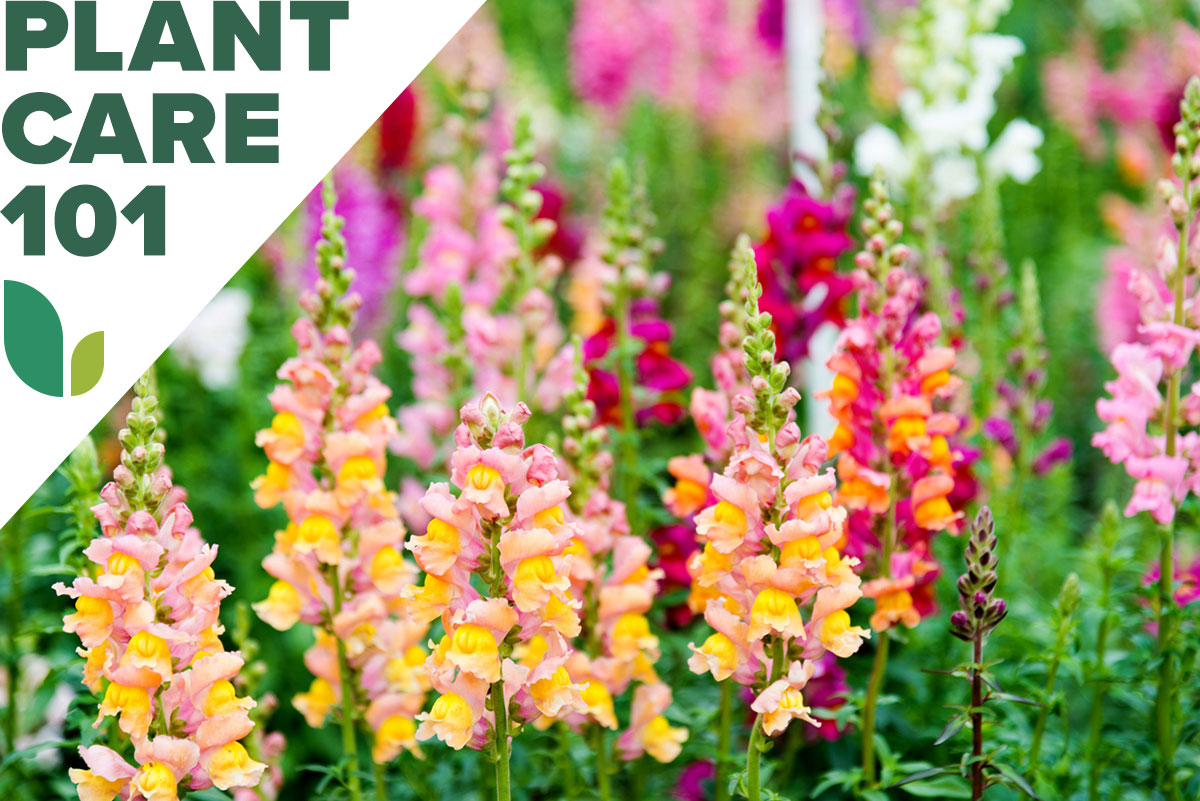
Note: Local weather matters more than a date on the calendar. Use your area’s last-frost date and the arrival of sustained heat to fine-tune your snapdragon planting schedule.
Few plants work as hard for a front yard as snapdragons. Their flower spikes stand upright like tiny exclamation points, their colors range from soft buttercream to full-volume magenta, and their quirky blooms invite everyoneespecially childrento give them a gentle squeeze. One neat row can make a tired walkway look planned, polished, and suspiciously expensive.
Better still, growing snapdragons is not a secret handshake reserved for gardeners who own three pairs of muddy clogs. These cool-season flowers reward a sunny spot, decent drainage, regular moisture, and a little grooming. Plant the right type in the right place, and you can create a crisp border, a cheerful porch container, or a layered entry garden that looks welcoming before anyone reaches the doorbell.
Why Snapdragons Are a Curb Appeal Superpower
Snapdragons (Antirrhinum majus) bring something many bedding flowers cannot: vertical structure. Most annuals spread outward in mounds, but snapdragons send flower wands upward. That height helps a narrow front bed look deeper and gives a flat planting scheme a clear focal point.
They also shine during the seasons when landscapes often look undecided. In cooler parts of the country, snapdragons perform beautifully in spring and can return for a fall encore after summer loosens its sweaty grip. In mild-winter regions, they are especially useful for fall, winter, and early spring color. Their best flowering happens in cool weather, so treat them as a seasonal star rather than an all-summer marathon runner.
For curb appeal, that timing is valuable. Snapdragons can fill the gap before warm-season flowers wake up, refresh beds after summer annuals fade, and make an entrance look cared for during the months when the lawn is not doing much to impress anyone.
Choose the Right Snapdragon for the Job
Before buying plants, decide what visual role they should play. Snapdragon height varies dramatically, and using the wrong size is the gardening equivalent of putting a floor lamp on a dining table.
Dwarf Snapdragons for Edges and Containers
Dwarf selections generally stay around 6 to 12 inches tall. Use them at the front of a border, along a walk, beneath a mailbox, or in pots where you want a tidy blanket of color. They are ideal for a low-maintenance finished look because they do not hide nearby plants or block the view of your house numbers.
Medium Snapdragons for Front Beds
Medium types often grow roughly 14 to 22 inches tall. They are excellent in mixed beds because they show up from the sidewalk without towering over everything else. Set them behind low groundcovers, sweet alyssum, violas, or dusty miller. A repeated colorsuch as peach snapdragons planted in three small groupslooks intentional and makes a modest planting feel more designer-led.
Tall Snapdragons for Drama and Bouquets
Tall varieties can reach 24 inches or more and are ideal near fences, porch rails, or the back of an island bed. Their long stems also make them useful cut flowers. Give tall plants some support in windy locations; nothing says “curb appeal” quite like a row of flower spikes leaning together after a storm, but not in the flattering sense.
When to Plant Snapdragons
Snapdragons are cool-season annuals in most American gardens, though they can behave like short-lived perennials in mild climates. Their preferred weather is comfortably cool: think spring mornings, fall afternoons, and the kind of day that makes you reach for a light jacket rather than an ice-cold drink.
In colder regions, set nursery plants outside in early spring once the soil is workable and severe freezes are no longer expected. Snapdragons tolerate a light frost better than tender flowers such as impatiens or zinnias, making them a smart early-season purchase. In areas with long, hot summers, plant another round in late summer or early fall for a second burst of color.
In the South and other mild-winter climates, fall is often the prime planting season. Snapdragons establish in cool soil, flower through autumn, pause during the coldest spells, and may resume blooming in spring. The practical rule is simple: plant them when temperatures are cooling, not when your patio furniture is hot enough to fry an egg.
How to Grow Snapdragons from Seed
Buying small transplants is the fastest path to an attractive front border, but seeds offer more colors, more varieties, and the smug satisfaction of producing curb appeal from something smaller than a sesame seed.
Start Indoors for the Most Reliable Results
- Count backward from planting time. Sow seeds indoors about 8 to 10 weeks before you plan to set plants outside.
- Use a sterile seed-starting mix. Moisten it first, then press the tiny seeds gently onto the surface. Snapdragon seeds need light to germinate, so do not bury them like lost treasure.
- Keep the mix evenly moist, not soggy. Bottom-water or mist lightly so seeds stay in place. A clear humidity cover can help until sprouting begins.
- Provide bright light and cool conditions. Germination commonly takes one to three weeks, depending on temperature and cultivar. After seedlings emerge, give them strong light so they grow compact rather than floppy.
- Harden off before planting. Over about a week, gradually expose seedlings to outdoor conditions. Then transplant on a cool or cloudy day and water them in well.
Direct seeding outdoors is possible in favorable conditions, but it is less dependable because the seeds are tiny and the bed must stay evenly moist. For a polished curb appeal project, transplants are usually worth the shortcut.
Prepare a Bed That Does Not Turn Into a Puddle
Snapdragons prefer rich, well-drained soil in full sun to partial sun. Aim for at least six hours of direct sun for the fullest flowering in cooler weather. In a warmer climate, a site with morning sun and light afternoon protection can help flowers last longer once spring temperatures rise.
Before planting, loosen the top several inches of soil and mix in compost if the ground is heavy clay, sandy, or noticeably tired. Compost improves texture and moisture management, but it is not a magical cure for a location where water stands after rain. If that happens, choose a raised bed, a mounded planting area, or a container with drainage holes.
Space dwarf and medium plants roughly 6 to 12 inches apart, adjusting for the specific variety and its mature spread. Give larger types more room. Proper spacing lets air move through the planting, makes individual plants look full instead of crowded, and helps foliage dry after rain or watering.
Planting Snapdragons for Maximum Front-Yard Impact
Planting in a straight line can look elegant, but it is not the only option. For a more natural, lush effect, group snapdragons in clusters of three, five, or seven plants. Repeat that cluster elsewhere in the same bed so the eye travels through the design.
Try one of these simple curb appeal formulas:
- Classic cottage entry: Medium pink or white snapdragons with violas, sweet alyssum, and dusty miller.
- Warm welcome border: Yellow, apricot, and coral snapdragons with chartreuse foliage and deep purple pansies.
- Clean modern palette: White snapdragons repeated with silver foliage and evergreen shrubs.
- Fall porch upgrade: Burgundy or orange snapdragons with ornamental kale, pansies, and pumpkins that have not yet become pie.
Use tall snapdragons at the back, medium forms in the middle, and dwarf plants near the edge. This layered arrangement keeps every plant visible and produces a fuller view from the street.
Watering, Feeding, and Grooming
Water Consistently
Snapdragons have low drought tolerance. Water deeply enough to moisten the root zone whenever the top inch of soil feels dry, especially during dry spells and after planting. The goal is steady moisture, not swamp conditions. Water at soil level when possible; wet foliage plus crowded growth is an open invitation for fungal trouble.
Feed Lightly
If the bed was amended with compost, snapdragons usually need only modest feeding. A balanced, slow-release fertilizer at planting or a diluted all-purpose fertilizer during active growth is plenty. Too much nitrogen can produce lush foliage and fewer flowers, which is lovely if you are growing a salad but less useful for a front border.
Pinch and Deadhead
When young plants are a few inches tall, pinching the soft growing tip can encourage branching and a bushier shape. As flower spikes fade, remove them promptly. Cut the stem back to a healthy side shoot or a sturdy point on the plant. This redirects energy away from seed production and often encourages additional flowering stems.
If plants look tired after their first major bloom cycle, trim them back by about one-third, water thoroughly, and give a light feeding. In favorable weather, they can rebound with fresh growth and a second round of flowers.
How to Handle Heat, Pests, and Diseases
The most common snapdragon disappointment is not a mystery pest. It is summer. When daytime temperatures stay hot, blooming may slow or stop. Keep plants watered and deadheaded, but do not take their heat pause personally. In many climates, a cool spell can bring them back into bloom. If the plants decline badly, replace them with a heat-loving annual and save snapdragons for fall.
Watch for aphids, caterpillars, rust, powdery mildew, and gray mold. Check the undersides of leaves and the crowded center of plants each week. Remove badly affected leaves, clear fallen debris, improve air circulation, and avoid overhead watering. When purchasing starts, inspect foliage carefully; skip plants with suspicious yellow, orange, red, or brown spotting. Choosing labeled disease-resistant varieties can also reduce rust problems, though no variety is invincible.
Growing Snapdragons in Containers
Snapdragons make porch pots look instantly more generous. Choose a container with drainage holes and use a quality potting mix rather than garden soil. Dwarf, trailing, and medium types are usually the easiest container choices; very tall varieties can become top-heavy and may need support.
For a simple recipe, place one medium snapdragon in the center of a 12- to 14-inch pot, surround it with two or three violas or pansies, and tuck sweet alyssum near the rim. Use a color palette that relates to your front door, shutters, or house trim. The goal is not to match everything perfectly; it is to make the entrance look like it has a point of view.
Containers dry out faster than beds, so check them frequently. Water when the top inch feels dry, and remove spent flower spikes before they turn the pot from cheerful to chaotic.
Real-World Snapdragon Growing Experiences: Lessons From the Front Walk
Most gardeners discover snapdragons because they want an easy burst of color and leave with a more useful lesson: the best-looking front garden is usually built around timing, not heroic effort. A common first attempt is buying snapdragons in late spring because the garden center display looks irresistible. They bloom beautifully for a few weeks, then summer arrives with the subtlety of a marching band. The plants do not necessarily die at once, but the flowers become fewer, stems stretch, and the gardener starts wondering what went wrong. Usually, nothing did. The plants were simply asked to perform their best number during the wrong season.
The next season, the same gardener plants earlier. This time, snapdragons go in beside the front walk while the nights are still cool. The bed wakes up before the lawn has fully greened, and the contrast is dramatic: upright pink, yellow, and white flower spikes against fresh mulch make the entire façade seem more cared for. Visitors may compliment the “landscaping,” even though the strategy was mostly six-packs, compost, and remembering to water.
Another lesson comes from color. A random mix of every shade can be cheerful, but it can also make a small bed look busy. Gardeners often get better results by choosing two or three related colors and repeating them. For example, creamy white snapdragons, pale yellow violas, and silver dusty miller can brighten a shaded-looking entry. Coral snapdragons with deep purple pansies create more contrast and look especially sharp against brick. The important discovery is that repetition reads as design, while one of everything reads as a garden center cart that escaped into the yard.
Spacing teaches its own lesson. New gardeners often plant every snapdragon close together because the bed looks full on day one. A few weeks later, crowded stems trap moisture, foliage becomes harder to inspect, and the flowers lose their clean outline. Leaving a little space feels wrong at first, but the plants fill in. Air can move, leaves dry faster, and each flower spike has room to be seen. Patience, annoyingly, remains one of the best landscape tools.
Deadheading can feel like a tiny chore until you notice the difference. Removing spent spikes once or twice a week keeps the display polished and encourages the plants to keep trying. It is also a pleasant excuse to stand near the front door for five minutes, inspect the porch, and notice details that are easy to ignore during a rushed day. A loose screw on a planter, faded mulch, or a drooping container often gets fixed because the snapdragons forced a closer look.
Finally, gardeners learn that snapdragons do not have to carry the entire bed alone. They look more convincing when paired with low, soft plants that hide bare soil and contrast with their upright shape. The result is not merely a flower planting. It is a small welcome sign made of living colorone that changes through the season and asks for very little besides sun, water, and a bit of attention.
Final Thoughts
Growing snapdragons for curb appeal is less about complicated horticulture and more about choosing the right season, providing well-drained soil, and using height with intention. Start with transplants if you want quick color, or begin seeds indoors for more variety and a lower cost. Keep the soil evenly moist, remove fading spikes, and let your front border do the talking.
For an easy upgrade, plant a repeated ribbon of medium snapdragons along a walkway, frame it with lower cool-season flowers, and add one matching container near the entry. The result is bright, welcoming, and far more persuasive than a “Please excuse our landscaping” sign.













