
A great mini fridge is the tiny kitchen assistant you never knew you needed. It guards your midnight snacks, rescues your office lunch from communal-fridge mystery smells, and keeps cold drinks close enough that you do not have to abandon your couch, desk, or dorm-room study cave. But the best mini fridges are not all the same. Some are true compact refrigerators with freezer compartments. Some are beverage coolers wearing a refrigerator costume. Some are perfect for dorms. Others are better for home bars, bedrooms, skincare, baby bottles, lunch storage, or that emergency pint of ice cream that is absolutely “for guests.”
This guide breaks down the 8 best mini fridges and freezers for common real-life needs: dorm rooms, offices, apartments, garages, bedrooms, entertainment spaces, and small kitchens. The goal is not to crown the shiniest box with a door. It is to help you choose a compact refrigerator that actually fits your space, stays cold enough, uses energy sensibly, and does not sound like a lawn mower having an emotional crisis.
How to Choose the Best Mini Fridge
Start with capacity, not cuteness
Mini fridges usually range from tiny countertop coolers under 1 cubic foot to roomy compact refrigerators around 4.5 cubic feet or more. For a dorm, bedroom, or office, a 3.1- to 3.3-cubic-foot model is the sweet spot. It can hold drinks, leftovers, yogurt, fruit, and a few frozen items without swallowing the room. For shared offices or snack-heavy households, a 4.4-cubic-foot fridge gives you more usable shelf space.
Know the difference between a fridge, freezer, and beverage cooler
A true refrigerator should keep food at 40 degrees Fahrenheit or below. A true freezer should hold around 0 degrees Fahrenheit. A beverage cooler may chill soda and sparkling water beautifully, but it is not always designed for dairy, leftovers, medicine, meat, or baby food. If you need food-safe storage, choose a real compact refrigerator and consider placing an inexpensive thermometer inside.
Decide whether you need a real freezer
Many single-door mini fridges include a tiny chiller box. That little compartment can help with ice packs or already-frozen treats, but it is not the same as a separate freezer. If you want frozen meals, ice cream, or long-term frozen storage, choose a double-door mini fridge with a separate freezer or buy a compact upright freezer.
Look for practical features
The best mini fridges usually include adjustable glass shelves, door storage for tall bottles, a reversible door, interior lighting, adjustable feet, and an easy-to-reach thermostat. ENERGY STAR certification is a strong bonus because compact fridges run all day and night. A few dollars saved every month is still a few dollars that can be redirected toward snacks, which is the circle of life.
The 8 Best Mini Fridges and Freezers
1. GE 3.1 Cu. Ft. Double-Door Compact Refrigerator – Best Overall Mini Fridge with Freezer
The GE 3.1 cu. ft. compact refrigerator is one of the best all-around choices because it behaves like a shrunken version of a real kitchen refrigerator. It has a separate freezer compartment, glass shelves, interior lighting, and enough fresh-food space for lunches, drinks, fruit, and meal-prep containers. The freezer is not a decorative suggestion; it is useful for frozen dinners, ice trays, and small bags of frozen food.
This model is especially good for dorm rooms, small apartments, home offices, and guest suites. The double-door layout helps because you do not warm up the freezer every time you grab a seltzer. It also feels more organized than single-door models where the freezer box sits inside the fridge like an awkward upstairs neighbor.
Best for: Dorms, offices, apartments, guest rooms, and anyone who wants a real freezer in a compact footprint.
Why it stands out: Separate freezer, solid storage layout, trusted appliance brand, and a practical 3.1-cubic-foot size.
2. Midea WHD-113FSS1 3.1 Cu. Ft. Double-Door Mini Fridge – Best Value Freezer Combo
The Midea WHD-113FSS1 is a smart pick for shoppers who want a two-door mini fridge freezer without overcomplicating the purchase. It offers 3.1 cubic feet of total space, with separate refrigerator and freezer compartments, mechanical controls, LED lighting, a reversible door, and a clean stainless-look finish.
The refrigerator section is large enough for everyday foods, while the freezer gives you space for frozen meals, ice packs, and small treats. It is a great balance for students and renters because it is compact, practical, and not overly fancy. Nobody needs a mini fridge that connects to Wi-Fi and judges your cheese choices.
Best for: Budget-minded buyers who still want a separate freezer.
Why it stands out: Good storage split, reversible door, compact footprint, and strong feature value.
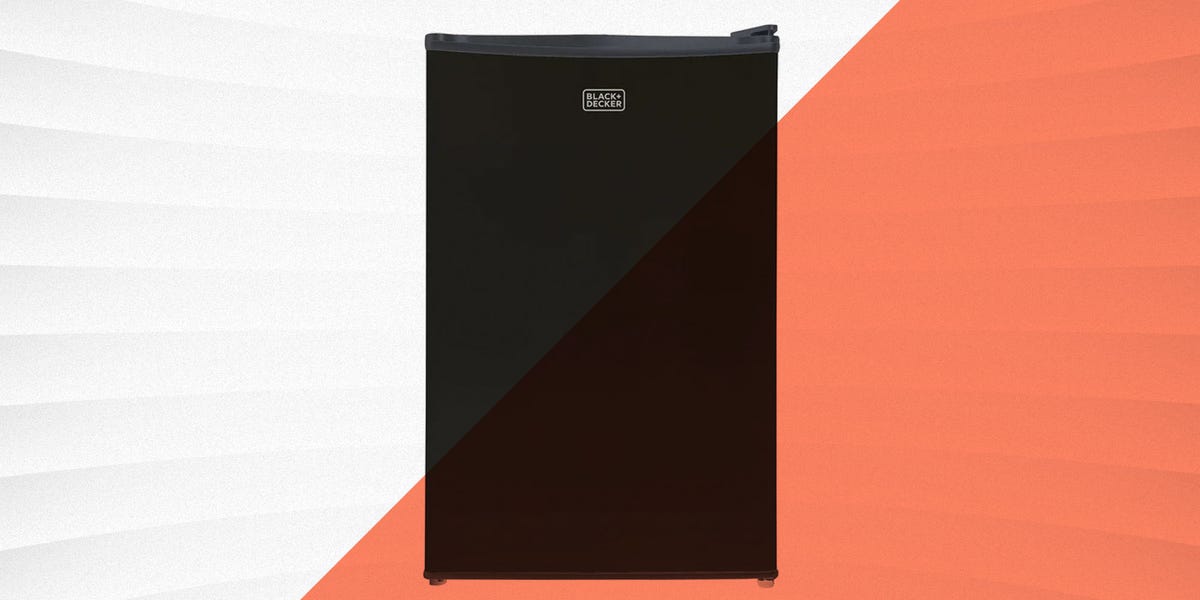
3. BLACK+DECKER BCRK32V 3.2 Cu. Ft. Compact Refrigerator – Best Single-Door Mini Fridge
The BLACK+DECKER BCRK32V is a popular single-door mini fridge with a 3.2-cubic-foot capacity, adjustable shelves, door storage, and a small internal freezer compartment. It is a strong option for offices, bedrooms, dorms, and hobby rooms where you mainly need fresh-food and drink storage with occasional freezer help.
Because it uses a single-door design, it is simple and space-efficient. It is not the best choice if frozen food is your daily survival strategy, but it works well for drinks, snacks, fruit, condiments, lunch containers, and a small frozen item or two. The flat-back design and reversible door also make placement easier in tight corners.
Best for: Offices, bedrooms, dorm rooms, and snack stations.
Why it stands out: Compact design, adjustable shelves, ENERGY STAR availability, and easy everyday storage.
4. Magic Chef 4.4 Cu. Ft. Mini Refrigerator – Best Large-Capacity Mini Fridge
If your idea of “mini” still includes enough room for groceries, the Magic Chef 4.4 cu. ft. mini refrigerator deserves a close look. It offers more storage than many dorm-style fridges, making it better for shared spaces, offices, rec rooms, and small apartments. Depending on the model, you can find versions with a chiller compartment or freezer-free designs that maximize refrigerator space.
This is the model to consider when you do not care much about frozen storage and would rather have more room for fresh food, drinks, containers, and meal prep. The adjustable shelves and door storage make it flexible enough for tall bottles, cans, leftovers, and lunch supplies. It is small compared with a full-size refrigerator, but roomy enough that you will not have to play refrigerator Tetris every time you buy hummus.
Best for: Offices, rec rooms, small apartments, and anyone who wants more refrigerator space.
Why it stands out: Roomy 4.4-cubic-foot capacity and flexible interior organization.
5. Danby Designer Compact Refrigerator – Best Freezerless Mini Fridge
The Danby Designer compact refrigerator is ideal for people who want cold storage without sacrificing space to a tiny freezer they may never use. Danby has long been associated with compact refrigeration, and its freezerless mini fridges are especially useful for offices, home bars, studios, and overflow storage.
A freezerless design gives you more usable refrigerator space from top to bottom. That makes it easier to store drinks, fruit, meal-prep containers, coffee creamers, sandwich supplies, and snacks. It is also a great choice if you already own a full-size freezer or simply do not need frozen storage in the room where the mini fridge will live.
Best for: Fresh-food storage, drinks, offices, and home bars.
Why it stands out: Efficient use of space, practical layout, and strong compact-appliance reputation.
6. Frigidaire EFR376 Retro 3.2 Cu. Ft. Mini Fridge – Best Stylish Mini Fridge
The Frigidaire EFR376 Retro mini fridge proves that a compact refrigerator does not have to look like it was designed during a committee meeting in a windowless room. With retro styling, curved edges, fun color options, and a built-in side bottle opener on many versions, it brings personality to dorm rooms, bedrooms, offices, and entertainment spaces.
Inside, it offers around 3.2 cubic feet of storage, adjustable shelving, can storage, a tall-bottle area, and a small chiller compartment. This is a style-forward pick, but it is still practical enough for drinks, snacks, and everyday use. The main tradeoff is that the internal freezer or chiller is limited, so it is better for occasional frozen items than serious freezer storage.
Best for: Dorm decor, bedrooms, game rooms, and retro-style spaces.
Why it stands out: Attractive design, useful storage, and playful features like a bottle opener.
7. Insignia Beverage Cooler – Best Mini Fridge for Drinks
If your main goal is to keep cans and bottles cold, an Insignia beverage cooler is a strong pick. Beverage coolers are built for visibility and drink organization, often with glass doors, adjustable shelves, interior lighting, and digital or dial temperature controls. They are perfect for soda, sparkling water, beer, canned coffee, juice boxes, and party drinks.
The important caveat: a beverage cooler is not always a substitute for a food-safe refrigerator. Some models can reach refrigerator-like temperatures, while others are intended only for drinks. Before storing dairy, leftovers, medicine, or perishable foods, check the temperature range and verify it with a thermometer. Your iced coffee is flexible. Your leftover chicken is not.
Best for: Home bars, offices, media rooms, garages, and drink stations.
Why it stands out: Excellent can storage, glass-door visibility, and drink-focused organization.
8. Midea 3.0 Cu. Ft. Upright Freezer – Best Mini Freezer
For people who need actual frozen storage, a compact upright freezer is often better than relying on a tiny freezer box inside a mini fridge. The Midea 3.0 cu. ft. upright freezer is a practical option for apartments, garages, offices, dorm suites, and small homes that need extra freezer space without making room for a chest freezer.
It usually includes wire shelving or drawer-style organization, a reversible door, adjustable legs, mechanical controls, and a small footprint. It is useful for frozen meals, meat, vegetables, ice packs, breast milk storage, and bulk grocery overflow. Unlike a mini fridge chiller compartment, this is designed to freeze.
Best for: Frozen meals, small households, garage overflow, and dedicated freezer storage.
Why it stands out: True freezer function in a compact upright shape.
Mini Fridge Buying Guide: What Really Matters
Measure the space twice
Measure height, width, and depth before buying. Then check the door swing. A mini fridge that technically fits but cannot open fully is just a cold cabinet with commitment issues. Leave room behind and around the unit for ventilation, especially if the manual recommends clearance.
Choose the right door style
Single-door mini fridges are compact and affordable. Double-door models are better when freezer performance matters. Freezerless models give you the most refrigerator space. Beverage coolers are best for drinks. Compact upright freezers are best when frozen storage is the priority.
Check temperature performance
For food safety, the refrigerator should stay at or below 40 degrees Fahrenheit, and the freezer should stay around 0 degrees Fahrenheit. Built-in dial numbers do not always equal real temperatures, so use a small appliance thermometer. It is cheap, boring, and extremely useful, which is basically the golden retriever of kitchen tools.
Think about noise
If the fridge will sit in a bedroom, dorm, podcast room, or office, check user feedback for noise. Most compressor mini fridges cycle on and off. A little hum is normal. Buzzing, rattling, or dramatic clunking is not charming. Place the fridge on a level surface and avoid pushing it directly against the wall.
Do not ignore defrosting
Many mini fridges and compact freezers use manual defrost. That means frost can build up over time, especially in freezer compartments. Defrosting occasionally keeps the unit efficient and gives you a chance to discover whatever snack you forgot in November.
Best Mini Fridge by Use Case
Best mini fridge for dorm rooms
Choose the GE 3.1 cu. ft. double-door compact refrigerator or the Midea 3.1 cu. ft. model. Both offer a helpful freezer section and enough fridge space for normal student life: drinks, leftovers, fruit, yogurt, and the occasional “I am studying” chocolate bar.
Best mini fridge for offices
The Magic Chef 4.4 cu. ft. or Danby Designer freezerless model works well for office settings. These offer more fresh-food space and are easier to organize for multiple people, lunch containers, creamers, and drinks.
Best mini fridge for bedrooms
The BLACK+DECKER BCRK32V is a smart bedroom choice because it is compact and straightforward. For style-focused bedrooms, the Frigidaire Retro model brings more personality.
Best mini fridge for drinks
An Insignia beverage cooler is the right choice when the mission is cans, bottles, and party beverages. Just remember: drinks are not the same as perishable food.
Best mini freezer
The Midea 3.0 cu. ft. upright freezer is the better choice if frozen storage is the whole point. It gives you actual freezer space instead of asking a tiny chiller box to do Olympic-level work.
Real-World Experience: What Living with a Mini Fridge Is Actually Like
Owning a mini fridge sounds simple until you actually start using one every day. The biggest lesson is that organization matters more than capacity numbers suggest. A 3.2-cubic-foot mini fridge can feel surprisingly roomy when the shelves are adjustable and the door storage is useful. It can also feel tiny if the freezer box hangs too low, the shelves are fixed, or the door bins only fit cans from one very specific planet.
In a dorm room, the best setup is usually a two-door mini fridge with a real freezer. Students tend to store more than drinks. There are leftovers, fruit cups, protein shakes, frozen burritos, ice cream, and emergency cold brew. A separate freezer door helps keep frozen foods frozen and makes the fridge easier to manage. The downside is that double-door units are taller and a little heavier, so move-in day may involve stairs, sweating, and at least one person saying, “Pivot,” like they are auditioning for a sitcom.
In an office, freezer space is less important. What matters more is fresh-food storage and quiet operation. A freezerless 4.4-cubic-foot fridge is often the unsung hero here. It can hold lunches, drinks, creamers, salad dressings, and snacks without wasting upper space on a tiny freezer compartment nobody uses. For shared offices, labeling food is still recommended. A good mini fridge can preserve your lunch, but it cannot prevent Karen from “accidentally” eating your turkey wrap.
For bedrooms, noise and heat output become more noticeable. Even quiet compressor fridges make some sound when cycling. Place the unit on a firm, level surface and avoid trapping it inside a sealed cabinet unless the manufacturer allows built-in installation. Mini fridges need airflow. Without it, they work harder, run warmer, and may shorten their lifespan. Also, do not put one right beside your bed unless you enjoy being gently serenaded by refrigeration technology.
For home bars and entertainment rooms, beverage coolers are fantastic. The glass door looks polished, the shelves are made for cans and bottles, and guests can see what is available without opening the door every six seconds. But this is where people often make a mistake: they assume every small cooling appliance is safe for food. If the unit is designed only for beverages, use it for beverages. If you want to store cheese, dips, leftovers, dairy, or medicine, buy a true refrigerator and check the temperature.
Maintenance is another underrated part of the mini-fridge experience. Wipe spills quickly, avoid overpacking, and leave space for cold air to circulate. If the freezer compartment grows a frost beard, defrost it. If the fridge smells like old onions and regret, clean it with mild soap and water, then dry it thoroughly before restarting. A small open box of baking soda can help with odors, but it is not a magical portal to cleanliness.
The best mini fridge is the one that matches your real habits. If you mostly drink sparkling water, buy a beverage cooler. If you meal prep, buy a compact refrigerator with flexible shelves. If you freeze food, get a separate-freezer model or a compact upright freezer. If you care about decor, go retro. If you care about maximum storage, skip the cute freezer box and go freezerless. The right choice should make your daily routine easier, not turn snack storage into an engineering problem.
Final Verdict
The best overall mini fridge for most people is the GE 3.1 cu. ft. double-door compact refrigerator because it gives you a practical refrigerator section and a separate freezer in a manageable footprint. The Midea 3.1 cu. ft. model is an excellent value alternative. The BLACK+DECKER BCRK32V is a dependable single-door choice for everyday snacks and drinks. Magic Chef and Danby are better when you want more fresh-food capacity. Frigidaire and Galanz bring retro charm. Insignia is ideal for beverages. And if frozen food is your priority, the Midea upright freezer is the compact appliance that actually understands the assignment.
Before you buy, measure carefully, check whether the unit is a real refrigerator or a beverage cooler, look for efficient operation, and use a thermometer once it arrives. A mini fridge may be small, but the right one can make a dorm, office, bedroom, apartment, or home bar feel much more convenient. Also, it keeps snacks within arm’s reach, which is not technically a life achievement, but it feels like one.













