
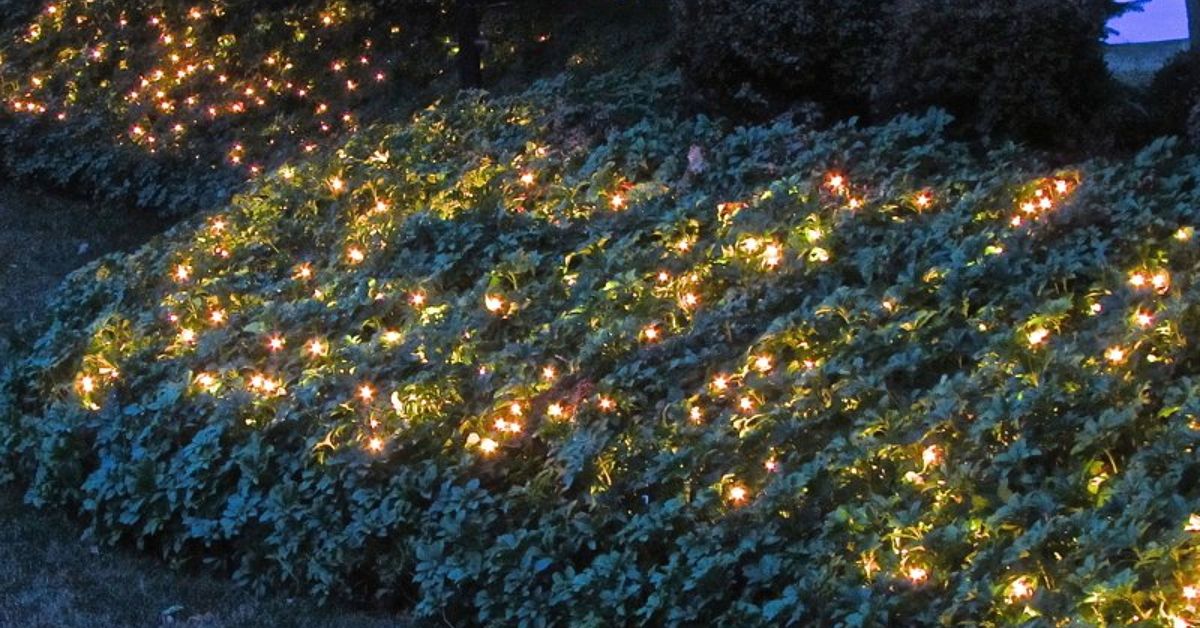
A garden can be perfectly respectable in daylight and then, after sunset, disappear into one large green blob. The hydrangeas vanish. The beautiful path becomes a mild ankle hazard. That sculpture you carefully positioned turns into something vaguely suspicious lurking beside the shed.
Fortunately, learning how to make your garden glow does not require turning your backyard into an airport runway. The most memorable evening gardens use light with restraint. They combine luminous plants, warm landscape lighting, reflective materials, interesting shadows, fragrance, and strategically preserved darkness. In other words, the goal is not to illuminate every leaf. It is to give the eye just enough information to become curious.
A well-designed glowing garden can make pathways safer, extend the hours you enjoy your outdoor space, highlight favorite plants, and create an atmosphere that feels completely different from the daytime garden. Energy-efficient LEDs and solar fixtures also make outdoor lighting easier to manage, while thoughtful controls help prevent unnecessary energy use. The U.S. Department of Energy notes the substantial efficiency and long life of modern LED lighting, while responsible-lighting guidance emphasizes using light only where, when, and at the intensity needed.
Start With Darkness Before You Add Light
This may sound like advice from a mysterious wizard, but the first step in making a garden glow is to study it in the dark.
Walk outside after sunset and look carefully. Where do you naturally want to go? Which steps or changes in elevation are difficult to see? Which tree has an interesting branching structure? Is there a wall, fountain, arbor, bench, or group of ornamental grasses worth highlighting?
Then decide where darkness should remain.
The mistake many homeowners make is treating outdoor lighting as a competition against nighttime. It is not. Darkness provides contrast, and contrast is what makes illuminated areas feel special. One softly lit Japanese maple surrounded by darkness can be far more dramatic than twenty fixtures blasting every shrub in sight.
Responsible outdoor-lighting principles recommend that lighting be useful, targeted, low-level, controlled, and warm-colored. That approach not only creates a more sophisticated landscape but also helps reduce glare, wasted light, and unnecessary disturbance to the nighttime environment.
Layer Your Garden Lighting Instead of Using One Bright Source
Indoor designers layer ambient, task, and accent lighting. The same idea works beautifully outdoors.
Use Path Lighting for Navigation
Path lights should help people see changes in direction, steps, edges, and obstacles. They do not need to make the pathway bright enough for emergency surgery.
Space fixtures according to the path rather than automatically placing one every few feet. A gentle rhythm of light usually looks more natural than a perfectly symmetrical row. Staggering fixtures from side to side can also avoid the dreaded “airport runway” effect.
Keep the light source shielded when possible so the illumination falls on the ground instead of shining directly into people’s eyes. The best pathway lighting reveals the route while allowing the surrounding garden to stay mysterious.
Use Uplighting for Drama
An upward-facing spotlight can emphasize the trunk and canopy of a beautiful tree, the texture of a stone wall, or an architectural feature. Use this technique selectively. One illuminated specimen tree can become a nighttime focal point. Ten aggressively uplighted trees can make the backyard look as though the mayor is about to give a press conference.
Experiment with fixture placement before permanently installing anything. Moving a light only a few inches can dramatically change the shadows created by bark, branches, foliage, or masonry.
Use Downlighting for a Natural Moonlight Effect
Fixtures positioned high in a tree or structure can cast light downward through branches, creating soft patterns on the ground. This technique is often called moonlighting because the shadows can resemble natural moonlight filtering through a canopy.
The effect works especially well over patios, paths, and seating areas. Aim for subtlety. You want “quiet summer evening,” not “parking lot behind a warehouse.”
Add Small Accent Lights
Accent lighting can highlight a sculpture, fountain, specimen plant, container, or interesting wall texture. Penn State Extension describes landscape lighting as a way to create effects and patterns that reveal plants and architecture after sunset. The key is choosing a few focal points rather than giving everything equal brightness.
Choose Warm Light for a Softer Garden Glow
Color temperature has a major influence on atmosphere. Very cool, blue-white light can feel harsh in a residential garden, while warmer light generally produces a softer and more inviting effect.
Warm lighting pairs particularly well with brick, wood, stone, ornamental grasses, and autumn foliage. It also complements candlelight and firelight if you use a fireplace or fire pit.
More importantly, responsible outdoor-lighting guidance recommends warmer-colored illumination and minimizing blue-rich light. The National Wildlife Federation and university extension resources also advise reducing unnecessary nighttime lighting because artificial light can interfere with nocturnal insects and other wildlife.
A practical rule is simple: use the warmest light that still allows you to see comfortably, and use less of it than your first enthusiastic instinct suggests.
Let Plants Do Some of the Glowing
Your garden does not have to depend entirely on electricity. Some plants naturally become more visible after sunset because their flowers or foliage reflect available moonlight and subtle artificial light.
Plant White and Pale Flowers
White flowers are the classic foundation of a moon garden. Cream, pale yellow, blush pink, and very light lavender can also remain visible after deeper colors fade into the evening.
Depending on your climate and growing conditions, possibilities may include white garden phlox, Shasta daisies, white petunias, sweet alyssum, pale hydrangeas, white coneflowers, and flowering tobacco. Illinois Extension specifically recommends light-colored blossoms and pale or silver-gray foliage for gardens designed to shine in moonlight.
Rather than scattering one white flower here and another forty feet away, plant in groups. Larger drifts create visible pools of brightness and give the garden a more intentional design.
Add Silver and Variegated Foliage
Flowers are temporary. Foliage often provides a longer-lasting nighttime effect.
Silver foliage, cream-edged leaves, and white variegation can catch low levels of light beautifully. Depending on your region, plants such as dusty miller, lamb’s ear, artemisia, and variegated hostas can contribute to this effect. The University of Minnesota Extension notes that variegated hostas with white or cream margins can appear especially luminous in evening “moonlight gardens.”
Include Night-Blooming and Fragrant Plants
A glowing garden should not appeal only to the eyes. Evening fragrance can make the space feel much richer.
Moonflower vine is known for large, fragrant white blooms that open at night, while other evening-garden choices may include flowering tobacco, evening primrose, night-scented stock, gardenia, and selected lilies, depending on climate. Missouri Botanical Garden describes moonflower as a vine valued for its fragrant nocturnal white flowers.
Place fragrant plants near patios, benches, gates, or paths where you will actually notice them. A wonderfully scented plant hidden behind the compost bin is still wonderful, but its audience may consist mostly of raccoons.
Use Reflective Materials to Multiply Available Light
Hardscape can help a garden glow without adding another electrical fixture.
Light-colored gravel, pale stone, white-painted structures, glazed ceramic pots, metallic surfaces, water, and light-colored furniture can catch and redistribute small amounts of moonlight or landscape lighting.
A pale path, for example, may remain visible with less artificial illumination than a dark surface. A white bench can become a focal point at dusk. A glazed pot can catch a tiny highlight and create depth. Even a narrow strip of light-colored gravel around a planting bed can define its edge after sunset.
Water is especially effective because moving reflections add life. A small fountain or shallow water feature can become mesmerizing when gently illuminated from the side. Avoid placing an intensely bright fixture directly beneath every fountain simply because the packaging insists that you can. Sometimes a quiet reflection is more magical than a glowing blue geyser.
Create Shadows, Silhouettes, and Texture
Garden glow is not only about illuminated objects. It is also about the shadows those objects create.
Place a light near a plant with interesting leaves and aim it toward a wall. The resulting shadow may become more dramatic than the plant itself. Ornamental grasses can create delicate moving patterns. A small tree can cast sculptural branches across stucco, brick, or wood.
You can also create silhouettes by placing a light behind a plant and aiming it toward a surface beyond. The plant becomes a dark shape against a brighter background.
These techniques work best with plants that have distinctive forms: palms, Japanese maples, agaves, ornamental grasses, ferns, and multi-stem shrubs are good examples where climate allows.
Make Steps and Gathering Areas Safer Without Overlighting
Beauty is important, but nobody enjoys a magical garden evening that ends with an unexpected meeting between a shin and a stone step.
Give extra attention to stairs, level changes, pool edges, entryways, and frequently used paths. Lighting should reveal potential hazards without creating disabling glare.
For electrically powered fixtures, use products intended for outdoor conditions and follow manufacturer requirements. Outdoor electrical systems deserve particular caution because moisture increases electrical risk. The U.S. Consumer Product Safety Commission recommends appropriate ground-fault protection for outdoor electrical applications and emphasizes using outdoor-rated equipment and undamaged cords. When permanent line-voltage wiring is needed, qualified professional installation is the sensible choice.
Use Solar Lights Where They Actually Make Sense
Solar garden lights can be wonderfully convenient. They require no trenching for cable, are easy to reposition, and can work well for gentle markers or decorative accents. The Department of Energy notes that outdoor solar lighting uses solar cells to convert sunlight into electricity and can be easy to install.
However, solar lights perform best when their panels receive adequate sunlight. A fixture tucked beneath a dense tree canopy may spend all day gathering approximately three heroic photons and then give up before dessert.
Use solar fixtures for locations where wiring would be inconvenient and where modest light output is acceptable. For important steps, primary paths, or areas requiring dependable illumination, a properly designed wired system may be more reliable.
Use Timers, Dimmers, and Motion Controls
A garden does not need to glow at full brightness until sunrise.
Timers can turn decorative lighting off after you normally go indoors. Dimmers allow you to reduce brightness once guests are seated. Motion sensors can provide stronger illumination only when someone enters a functional area.
This controlled approach follows responsible-lighting recommendations and can reduce unnecessary energy use and nighttime disturbance. Modern LED systems can also be paired with controls that adjust lighting according to activity and actual need.
Protect the Dark Side of Your Garden
Some of the best garden-design advice is surprisingly simple: leave part of the garden dark.
Artificial nighttime light can affect moths, fireflies, birds, and other wildlife. The National Wildlife Federation notes that excessive artificial light can interfere with nighttime pollination and firefly behavior, while Oregon State University Extension encourages maintaining dark habitat for nocturnal pollinators such as moths.
That does not mean you must stumble around your backyard wearing night-vision goggles. It means lighting with purpose.
Keep light away from nesting areas, dense habitat, and places that do not require illumination. Shield fixtures. Aim them carefully. Use lower brightness. Turn lights off when the garden is not being used.
A dark background also makes illuminated features appear brighter, so wildlife-conscious restraint can improve the visual design at the same time.
A Simple Plan for Making Your Garden Glow
If the entire project feels overwhelming, work in this order:
- Walk through the garden after dark and identify hazards, routes, and focal points.
- Light essential paths and steps first.
- Choose one or two major features to highlight.
- Add white flowers, pale foliage, or reflective materials near evening-use areas.
- Introduce gentle accent lighting instead of increasing overall brightness.
- Use timers, dimmers, or motion controls.
- Stand back, remove anything unnecessary, and preserve some darkness.
The final step is important. Great lighting design often improves when one fixture is removed.
Common Mistakes That Stop a Garden From Glowing
Using Too Many Fixtures
More lights do not automatically create more beauty. Excess lighting flattens the landscape and removes contrast.
Seeing the Bulb Instead of the Effect
Whenever possible, position fixtures so people notice the illuminated tree, path, or wall rather than staring directly into a bright lamp.
Using Only One Lighting Technique
A garden filled entirely with identical path lights can feel monotonous. Combine navigation lighting with a few focal accents, reflective plants, and shadow effects.
Ignoring the View From Indoors
Look through your main windows at night. A beautifully lit tree or fountain can become part of the interior experience, especially during seasons when you spend less time outside.
Forgetting That Plants Grow
That tiny shrub beside your spotlight may eventually become a large shrub sitting directly on top of your spotlight. Leave room for growth and periodically adjust fixtures as the landscape changes.
Experiences and Lessons From Creating a Garden That Glows
One of the most useful lessons I have learned from experimenting with evening garden design is that the first version is almost never the best version. Daytime landscaping can often be judged immediately. A plant is either in the right place or obviously attempting to escape the composition. Lighting is different. You have to live with it for several evenings.
My first instinct was to illuminate everything interesting. There was a light on a tree, another on a shrub, two along the path, one aimed at a wall, and another illuminating a decorative pot that, frankly, had never received that much attention in its life. The individual pieces looked fine. Together, they looked like a landscape-lighting catalog had exploded.
The improvement came from switching several fixtures off.
Suddenly, one tree became the focal point. The path felt quieter. Shadows became visible. Instead of seeing the entire garden at once, the eye moved through it gradually. That experience changed the way I think about garden glow: darkness is not empty space. Darkness is part of the composition.
Another surprise was how much plants could contribute without any direct lighting. White flowers near a patio remained visible long after purple and deep red flowers disappeared into the background. Variegated foliage created little flashes of brightness. Pale gravel made an edge easier to see. Once those elements were working together, the garden needed less electrical light than expected.
I also learned to test every fixture temporarily. Before burying cable, tightening hardware, or declaring victory, I would place lights in approximate positions and move them after dark. A difference of twelve inches could change an ordinary effect into something dramatic. Moving a fixture closer to a textured trunk increased the shadows. Shifting another farther from a wall softened the pattern. Lowering an overly bright light made a seating area more comfortable immediately.
The most successful evening spaces also turned out to be the places designed for actual human behavior. Lighting a distant ornamental tree was beautiful, but placing subtle light near the route to the patio made the garden easier to use. Adding fragrance near the chair where people actually sat was more effective than planting scented flowers in a forgotten corner. A glowing garden works best when beauty and daily life overlap.
Seasonal changes required adjustment too. A spotlight that looked perfect in spring became partly blocked by summer foliage. Ornamental grasses that seemed unremarkable early in the year became spectacular when autumn seed heads caught low-angle light. Bare winter branches created entirely different shadows. Instead of treating garden lighting as a one-time installation, I began treating it like pruning or container planting: something to review as the garden changes.
Perhaps the best experience, however, came from using fewer lights late at night. Timers turned decorative fixtures off after the garden was no longer in use, leaving only essential lighting where needed. The space still felt welcoming during the evening, but afterward it returned to darkness. That balance felt better than trying to keep the backyard performing twenty-four hours a day.
The final lesson is that “glow” is not really a product you buy. It is a relationship between light and shadow, plants and hardscape, activity and quiet. A small garden with one luminous border, a softly visible path, and a beautifully highlighted tree can feel far more enchanting than a large landscape filled with expensive fixtures. Start with one view. Make it beautiful. Then stop before your enthusiasm accidentally gives the neighborhood its own sunrise.
Conclusion
Learning how to make your garden glow is less about installing the brightest outdoor lights and more about creating a carefully layered nighttime landscape. Begin with safe navigation, then add a few focal points, warm illumination, white or pale flowers, reflective foliage, interesting textures, and surfaces that make subtle light work harder.
Most importantly, protect the contrast that darkness provides. A garden becomes magical when some areas are revealed and others remain mysterious. Use energy-efficient fixtures, control when lights operate, consider nocturnal wildlife, and adjust the design as plants mature and seasons change.
When the balance is right, your garden will not simply remain visible after sunset. It will become a second garden entirelyquieter, softer, more atmospheric, and possibly responsible for making you stand outside in your pajamas admiring a shrub at 11:30 p.m.
Research note: This article synthesizes practical guidance from U.S. Department of Energy resources, DarkSky International, the National Wildlife Federation, the U.S. Consumer Product Safety Commission, University of Minnesota Extension, University of Illinois Extension, Penn State Extension, Oregon State University Extension, Missouri Botanical Garden, and related horticultural and outdoor-lighting resources. Plant performance, electrical requirements, and appropriate fixture choices can vary by climate, site conditions, and local codes.
Note: Select plants according to your USDA hardiness zone and local growing conditions. For permanent line-voltage outdoor electrical work, follow applicable codes and use a qualified professional when appropriate.














