
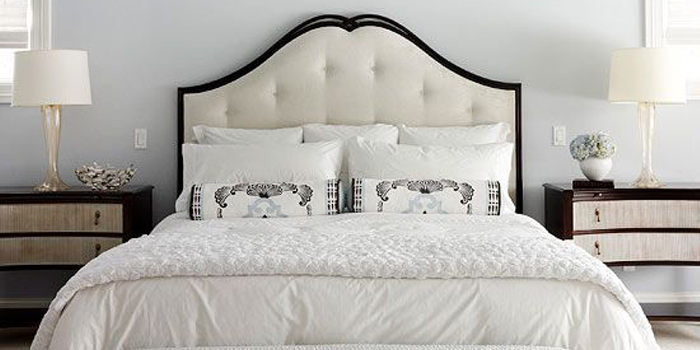
A calm gray and white bedroom can feel like a boutique hotel, a quiet coastal retreat, or the one room in your home that has politely declined to participate in the chaos. The color combination is timeless, flexible, and easy on the eyesbut only when it is handled with a little care.
Simply buying gray paint and white bedding does not guarantee serenity. Choose the wrong undertones, and the room may look cold, blue, dingy, or vaguely reminiscent of a waiting room. The secret is to balance temperature, contrast, texture, lighting, and personal details so the space feels peaceful rather than plain.
This guide explains how to create a sophisticated gray and white bedroom from the walls to the final throw pillow, including practical ideas for small rooms, renter-friendly updates, budget makeovers, and lived-in comfort.
Why a Gray and White Bedroom Feels So Calm
Gray and white sit close together visually, so they create less dramatic contrast than combinations such as black and white, navy and cream, or emerald and gold. That softer transition allows the eye to move around the room without constantly encountering a visual exclamation point.
White reflects light and creates an airy backdrop. Gray adds depth, definition, and a sense of coziness. Together, they can support modern, traditional, Scandinavian, farmhouse, coastal, industrial, or transitional bedroom design.
The palette also makes future updates easy. You can change a few pillows, replace the artwork, or introduce a muted accent color without repainting the entire room. Gray and white are essentially the diplomatic negotiators of interior design: they work with almost everyone.
Start With the Right Shade of Gray
Understand the Undertones
Gray paint is rarely made from an equal mixture of black and white. Most grays contain subtle blue, green, violet, brown, red, or yellow undertones. Those hidden colors become more obvious after the paint is placed next to flooring, furniture, bedding, and natural light.
A blue-gray can look clean and serene in a bright south-facing room. In a dim north-facing bedroom, however, the same shade may appear colder than expected. A warm gray with beige, brown, or soft violet undertones can make a low-light room feel more welcoming.
Before committing, paint large sample boards or use removable paint samples. Move them to different walls and observe them in morning light, afternoon light, and artificial light. The tiny paint chip at the store is charming but wildly overconfident.
Choose the Mood You Want
For an open, gentle bedroom, choose a pale gray that is only a few steps darker than the white trim. This low-contrast approach works especially well in small spaces because it keeps the boundaries visually soft.
For a cocooning retreat, use charcoal, slate, or smoky gray behind the bed. A darker accent wall can make a large bedroom feel more intimate while providing a dramatic background for white bedding.
For an elegant middle ground, select a medium warm gray and repeat it in smaller doses through curtains, pillows, a bench, or an upholstered headboard. Repetition creates cohesion without making every item look as though it arrived in the same delivery truck.
Pair Gray With the Correct White
White paint also has undertones. Some whites lean crisp and blue, while others contain cream, beige, pink, or gray. The most polished gray and white bedrooms pair colors with compatible temperatures.
Use a crisp or cool white with blue-gray, green-gray, or charcoal walls. Consider a soft off-white with warm gray, greige, taupe-gray, or mushroom-colored walls. Combining a very cool gray with a strongly yellow white can make both colors look slightly wrong, even when each one looked lovely on its own.
You do not have to use one white everywhere. A soft white can cover the walls while a brighter white highlights the ceiling, trim, doors, and bedding. The subtle variation gives the room more dimension than a single flat white.
Build the Room Around the Bed
The bed is the visual center of most bedrooms, so begin there rather than collecting random accessories and hoping they eventually form a committee.
Select a Grounding Headboard
A gray upholstered headboard creates softness and anchors white bedding. Linen, velvet, boucle, and woven upholstery are especially effective because their textures prevent the neutral palette from appearing flat.
A natural oak, walnut, or light ash headboard can warm the color scheme. For a more architectural look, consider a white-painted paneled wall, gray board-and-batten treatment, or simple floor-to-ceiling accent panel behind the bed.
Layer White and Gray Bedding
Begin with breathable white sheets and a white duvet or comforter. Add a light gray quilt, charcoal lumbar pillow, or textured throw at the foot of the bed. The goal is not to create a pillow fortress that requires ten minutes of demolition every evening. Three to five decorative pillows are usually enough for a queen or king bed.
Mix smooth and tactile fabrics. Crisp cotton sheets can sit beside a linen duvet, knitted blanket, velvet cushion, or quilted coverlet. Even when the colors are nearly identical, changes in texture create shadows and highlights that make the bed look layered.
For a relaxed appearance, allow a throw to drape casually across one corner. For a tailored hotel look, fold the coverlet evenly and use matching Euro shams behind the sleeping pillows.
Add Warmth So the Room Does Not Feel Sterile
A gray and white bedroom needs at least one warm element. Otherwise, the result may feel more “laboratory chic” than restful retreat.
Bring in Natural Wood
Wood nightstands, a woven bench, oak flooring, or a walnut dresser can soften cool neutrals immediately. Pale woods complement Scandinavian and coastal styles, while darker woods add formality and contrast.
The furniture does not have to match perfectly. Repeating a similar wood tone two or three times is enough to make the combination appear intentional.
Use Soft Natural Materials
Introduce wool, cotton, linen, rattan, cane, jute, or seagrass through rugs, baskets, shades, benches, and decorative objects. Natural materials add visual warmth without disrupting the peaceful color story.
A woven basket beside the bed can hold extra blankets. A linen curtain filters daylight. A wool rug adds softness underfoot. Each item is useful, which helps the room feel designed rather than merely decorated.
Add a Restrained Accent Color
A calm gray and white bedroom can remain completely neutral, but one quiet accent color often makes it more personal. Consider dusty blue, muted sage, blush, sand, camel, or soft terracotta.
Use the accent color in approximately three places, such as a pillow, artwork, and a small vase. Repetition helps the color belong in the room rather than looking like someone accidentally left a scarf on the bed.
Use Texture Instead of Excess Decoration
Neutral rooms become interesting through texture, shape, and light rather than a crowded collection of objects. Combine matte painted walls with glossy ceramic lamps, rumpled linen, smooth wood, brushed metal, woven baskets, and plush upholstery.
Subtle patterns can also add movement. Try a gray-and-white striped throw, a geometric rug, botanical artwork, checked pillows, or tone-on-tone wallpaper. Keep the pattern scale varied: one large motif, one medium design, and one small texture generally feel more balanced than three competing prints.
Architectural details are another option. Picture-frame molding, vertical paneling, a tray ceiling, or a simple painted arch can create depth while preserving the limited palette.
Plan Bedroom Lighting in Layers
Lighting can make the same gray paint look warm and inviting at one hour and strangely blue at another. A good bedroom lighting plan includes ambient, task, and accent light.
Ambient Lighting
Use a ceiling fixture, pendant, chandelier, or recessed lights to provide general illumination. Choose a fixture that suits the scale of the room rather than a tiny light floating in the middle of the ceiling like a lost button.
Task Lighting
Place lamps, pendants, or sconces on both sides of the bed for reading. Wall-mounted and plug-in sconces free valuable nightstand space, making them especially useful in a small gray and white bedroom.
Accent Lighting
Add a small lamp on a dresser, discreet lighting inside a bookcase, or a picture light above artwork. Accent lighting creates pools of illumination and makes the room feel softer after dark.
Warm-white bulbs in the general range of 2700K to 3000K usually complement a relaxing bedroom better than icy blue daylight bulbs. Dimmers are valuable because they let the room transition from functional morning light to a low evening glow.
Choose Window Treatments That Support the Look
White curtains keep the room light and open, while gray drapes add visual weight. For flexibility, combine a light-filtering white shade with lined gray curtains. You can enjoy diffused daylight during the day and greater darkness and privacy at night.
Hang the curtain rod several inches above the window and extend it beyond the frame. This allows the fabric to stack outside the glass, maximizing daylight and making the window appear larger.
Choose curtain fabric according to the desired mood. Linen-look panels feel casual, velvet feels luxurious, and tailored pleated drapes create a more formal finish.
Anchor the Bedroom With the Right Rug
A rug adds softness, absorbs sound, and gives the bed a defined visual zone. Select the size based on the bed and furniture arrangement, not simply the total dimensions of the room.
A large rug can extend beneath the lower two-thirds of the bed, leaving a comfortable border on both sides and at the foot. In a smaller room, use runners beside the bed or place a compact rug beneath the lower portion of the frame.
For this palette, consider ivory wool, a faded gray pattern, a cream-and-charcoal geometric design, or a natural woven rug. Avoid choosing a rug that matches the flooring too closely; a little contrast helps define the space.
Keep Furniture Simple and Properly Scaled
Calm design depends partly on breathing room. Leave enough space to walk comfortably around the bed, open drawers, and access the closet without performing an obstacle-course audition.
Choose nightstands that relate to the height of the mattress. Oversized tables can crowd a small room, while tiny tables may look lost beside a substantial upholstered bed. Floating nightstands and wall-mounted sconces are practical solutions when floor space is limited.
Closed storage is helpful because gray and white rooms reveal visual clutter quickly. Use drawers, lidded baskets, under-bed containers, or a storage bench to keep chargers, clothing, and miscellaneous objects out of sight.
Decorate the Walls Without Disturbing the Calm
Hang one substantial piece above the headboard, create a restrained gallery wall, or display a pair of coordinated prints. Abstract landscapes, black-and-white photography, botanical drawings, and minimalist line art fit naturally into a gray and white color scheme.
Artwork should be large enough to relate to the furniture beneath it. A tiny frame over a king-size bed can look like a postage stamp that took a wrong turn.
Mirrors are useful in small or dim bedrooms because they reflect light. Position one opposite or adjacent to a window rather than directly facing the bed if reflections are distracting at night.
Three Ways to Customize the Look
Modern Minimalist
Use pale gray walls, crisp white bedding, a low platform bed, slim black lamps, and one oversized abstract print. Keep surfaces mostly clear and introduce warmth through light oak furniture.
Soft Traditional
Choose warm gray walls, ivory curtains, a tufted headboard, turned-wood nightstands, and subtle floral or striped pillows. Add aged brass hardware and framed vintage-inspired artwork.
Relaxed Coastal
Combine soft blue-gray walls with white linen bedding, woven shades, a natural fiber rug, and weathered wood. Use muted blue accents sparingly so the room suggests the coast without requiring decorative anchors or a wooden sign announcing the existence of the beach.
A Budget-Friendly Gray and White Bedroom Makeover
You do not need to replace every piece of furniture. Start with the changes that cover the most visual area: paint, bedding, curtains, and the rug.
Paint existing nightstands instead of buying new ones. Replace dated knobs with matte black, brushed nickel, or aged brass hardware. Add removable wallpaper behind the bed in a rental, or create an accent wall using peel-and-stick molding.
Use matching lampshades to unify mismatched lamp bases. Place inexpensive pillow covers over existing inserts. Frame downloadable artwork or personal black-and-white photographs. A large branch in a simple ceramic vase can provide more impact than a dozen tiny accessories.
Spend more on items you touch every day, particularly the mattress, pillows, sheets, and window coverings. Decorative objects can be collected gradually rather than purchased in one panicked afternoon.
Common Gray and White Bedroom Mistakes
- Ignoring undertones: Cool gray walls and creamy yellow trim can clash.
- Using only one texture: Flat paint, flat bedding, and flat furniture make a neutral room feel unfinished.
- Choosing weak lighting: One harsh overhead fixture cannot create a comfortable nighttime atmosphere.
- Making everything identical: Vary light, medium, and dark values so the room has depth.
- Forgetting warmth: Wood, woven fibers, warm metal, or a muted accent color keeps the palette inviting.
- Overdecorating: Calm bedrooms need negative space as much as they need attractive objects.
- Skipping paint samples: Gray changes dramatically with room orientation and artificial light.
Creating a Bedroom That Supports Rest
A peaceful-looking room should also function as a comfortable sleep environment. Use lined curtains or blackout shades to control unwanted light. Keep the room comfortably cool, reduce disruptive noise, and select bedding appropriate for the season.
Remove unnecessary electronics or hide visible cords. Reserve the nightstand for a lamp, a book, water, and perhaps one decorative object. A room cannot promise perfect sleep, but it can stop actively arguing with the idea.
Ventilate the space during and after painting. When shopping for paint, adhesives, flooring, or new furniture, review product information carefully and consider lower-emission options. Even products marketed as low- or zero-VOC should be used with appropriate ventilation.
Conclusion: Calm Comes From Balance
The best gray and white bedroom is not created by eliminating color or personality. It comes from balancing cool and warm tones, light and shadow, smooth and textured surfaces, open space and useful furniture.
Begin with a gray that responds well to the room’s natural light. Pair it with a compatible white, make the bed the focal point, and introduce warmth through wood, textiles, lighting, and restrained accents. The final room should feel edited but not empty, elegant but not precious, and calm without becoming boring.
Most importantly, create a bedroom that works for your real routine. A beautiful room that cannot accommodate your books, laundry basket, phone charger, or sleepy midnight navigation is merely a photograph with rent.
Real-World Experience: What I Learned From Creating a Gray and White Bedroom
My first attempt at a calm gray and white bedroom began with the dangerous confidence of someone holding a two-inch paint chip under fluorescent store lighting. The gray looked sophisticated in the store. On my bedroom walls, it turned pale blue before breakfast and gloomy lavender after sunset. It was not ugly, exactly, but it seemed to be experiencing several emotions I had not authorized.
The lesson was immediate: test the paint in the actual room. I repainted large pieces of poster board with three warmer grays and moved them around for several days. One sample looked perfect beside the window but muddy behind the bed. Another worked beautifully in daylight and turned slightly green beside the bedside lamps. The final choice had a soft warm undertone that stayed relatively consistent throughout the day.
Next came the bedding. I initially bought a complete matching gray set because it seemed efficient. Once placed against the gray wall, however, the bed disappeared into one large rectangular cloud. I kept the sheets, returned the matching accessories, and rebuilt the arrangement with white bedding, a stitched light gray coverlet, two charcoal pillows, and a chunky cream throw. The room immediately gained depth, even though the palette barely changed.
Lighting made the biggest difference after paint. The single ceiling fixture produced enough illumination to locate a missing sock, but not enough atmosphere to make the room feel restful. I added two warm bedside lamps and a small lamp on the dresser. The gray walls became softer at night, and the white bedding no longer looked stark. Putting the lamps on dimmers was a small upgrade that made the room feel noticeably more expensive.
I also discovered that “minimal” does not mean “remove everything that proves a human lives here.” My first styling attempt left the nightstands nearly empty and the walls mostly bare. The space looked clean but strangely temporary. Adding framed personal photographs, a ceramic dish for jewelry, a stack of favorite books, and a woven basket for extra blankets gave the room identity without creating clutter.
The rug required another adjustment. I started with a small rug at the foot of the bed because it was affordable. It looked like a bath mat that had wandered away from home. Replacing it with a larger faded gray-and-ivory rug visually connected the bed, nightstands, and bench. It also provided a much friendlier landing on cold mornings.
The finished bedroom was not built through one perfect shopping trip. It improved through observation. I noticed where clutter accumulated, which light I used most often, how the paint changed during the day, and which textiles felt comfortable rather than merely photogenic. The most successful choices were practical ones disguised as decoration: curtains that blocked early sunlight, a basket that contained extra pillows, a bench that provided a place to sit, and lamps that could be reached without leaving the bed.
That experience changed how I think about neutral rooms. Gray and white do not automatically create calm. Calm comes from removing friction. It comes from having enough storage, comfortable bedding, appropriate lighting, clear pathways, and colors that behave themselves in the actual space. Once those pieces work together, the room begins to feel peacefulnot because it is perfect, but because nothing in it is demanding unnecessary attention.
Note: Paint colors, fabrics, and light bulbs can look different depending on natural light, screen settings, surrounding finishes, and room orientation. Always test samples in the bedroom before making a final purchase.













