
Marriage does not come with an automatic romance subscription. After years of work deadlines, household chores, family responsibilities, and debates about whose turn it is to replace the empty paper towel roll, attraction can quietly slip into the background.
That does not necessarily mean the love is gone. More often, the relationship has become crowded with logistics. You may still care deeply for each other while spending most conversations discussing groceries, appointments, bills, and why one mysterious sock has been living beside the dryer since Tuesday.
Learning how to attract your husband again is not about becoming a different woman, competing with unrealistic beauty standards, or using manipulative tricks. Lasting attraction is usually built through emotional connection, shared enjoyment, affectionate touch, honest communication, and the feeling that both partners are still choosing each other.
The following three approaches can help you strengthen your marriage, restore romantic energy, and create the conditions in which attraction can grow naturally.
1. Build Emotional Attraction Through Genuine Connection
Physical appearance may catch someone’s attention, but emotional connection is what makes a spouse want to stay close. In a long-term marriage, feeling understood, respected, and appreciated can be powerfully attractive.
Relationship research consistently connects positive communication, affection, responsiveness, and appreciation with greater relationship satisfaction. This does not mean you must praise everything your husband does as though he has just won a Nobel Prize for loading the dishwasher. It means noticing the person behind the daily routine.
Show Specific Appreciation
General compliments are pleasant, but specific appreciation feels personal. Instead of saying, “You’re great,” tell him what you value and why it matters.
You might say:
- “I appreciate how patient you were with the kids tonight.”
- “You always know how to make me laugh when I’m stressed.”
- “Thank you for handling that phone call. It took something off my plate.”
- “I admire how seriously you take your responsibilities.”
Specific praise shows that you are paying attention. It also helps protect the relationship from a common marital problem: becoming excellent at noticing mistakes while treating positive contributions as invisible.
Appreciation should remain sincere. Forced compliments can sound like a customer-service script. Look for qualities and actions you honestly respect, including small ones that may have become easy to overlook.
Respond to His Attempts to Connect
A husband’s attempt to connect may not arrive with candles and background music. It may sound like, “Look at this ridiculous video,” “Do you remember that restaurant?” or “You will not believe what happened at work.”
These ordinary comments can be invitations for attention. When possible, pause, look up, and engage. Ask a question. Laugh with him. Put your phone down for two minutes. Small responses tell your partner, “You still matter to me.”
You do not have to respond perfectly every time. Nobody can deliver full emotional availability while cooking dinner, answering an email, and stopping the dog from stealing a hamburger. The goal is to notice more opportunities for connection and accept them often enough that neither spouse feels chronically ignored.
Ask Questions Beyond Daily Logistics
Many married couples communicate constantly without having a meaningful conversation. They discuss school schedules, home repairs, work shifts, and whether the milk smells suspicious, yet rarely ask what the other person is thinking or feeling.
Try questions that invite curiosity:
- “What has been taking up most of your mental energy lately?”
- “What are you looking forward to this month?”
- “Is there anything you wish we did more often together?”
- “What is something you would love to learn or try?”
- “What has made you feel appreciated recently?”
Listen without immediately correcting, solving, or defending. Sometimes attraction grows because a person feels emotionally safe enough to be honest. You are not conducting an interrogation; you are rediscovering someone who continues to change, even after years of marriage.
Reduce Criticism Without Avoiding Real Problems
Being warm does not mean pretending everything is fine. Healthy couples still discuss money, parenting, housework, intimacy, and behaviors that cause frustration. The difference often lies in how those conversations begin.
Compare “You never help me” with “I’m overwhelmed tonight, and I need help cleaning the kitchen.” The second statement identifies a problem and requests a useful action without attacking his character.
Try focusing on one current issue rather than building a legal case containing every mistake since your honeymoon. Use clear requests, stay away from insults, and take a break when either person becomes too upset to communicate productively.
2. Restore Excitement With Playfulness, Flirting, and Novelty
Early attraction benefits from novelty. You are learning someone’s stories, habits, humor, preferences, and dreams for the first time. Marriage naturally creates familiarity, which can feel secure and comforting. Unfortunately, familiarity can also become repetitive when every week resembles the previous one.
You do not need to recreate your first date or book an expensive tropical vacation. Small changes can interrupt autopilot and remind you that you are romantic partners, not merely co-managers of a very demanding household.
Flirt in Ways That Fit Your Marriage
Flirting should not disappear when the wedding photos are placed in an album. A playful message, a private joke, a lingering look, or an unexpected compliment can create anticipation during an otherwise ordinary day.
Examples include:
- Texting him a memory from an especially fun date.
- Telling him he looks attractive before he leaves for work.
- Whispering something affectionate while other people are nearby.
- Sending a message about what you want to do together that evening.
- Using an old nickname that carries a happy shared memory.
Match the approach to his personality and your established boundaries. Some people enjoy bold flirting; others respond better to warmth, humor, or subtle affection. Attraction is more effective when it feels personal rather than copied from a generic “seduction strategy.”
Create Dates That Encourage Interaction
A date does not automatically create connection. Sitting beside each other while silently watching a movie can be relaxing, but it may not produce much conversation or excitement. Mix comfortable dates with activities that require participation.
You could cook an unfamiliar recipe, visit a neighborhood you have never explored, take a dance class, attend a comedy show, hike a new trail, play miniature golf, complete a home project, or create a tasting night with foods from different places.
Novelty works because it gives you something fresh to experience as a team. Even a small challenge can awaken playfulness. Nothing reveals marital teamwork quite like assembling furniture using instructions that appear to have been translated by an exhausted robot.
Protect Time for the Relationship
Romance rarely survives on leftover attention. If every other responsibility receives a place on the calendar while your marriage receives “whenever we are both awake,” connection will be inconsistent.
Choose a realistic rhythm. A weekly date may work for some couples, while others may need a planned evening twice a month and shorter periods of connection throughout the week. An at-home date can be effective when it is treated intentionally rather than becoming another night of scrolling on separate screens.
Put away work when possible. Limit phone use. Avoid spending the entire date discussing children, bills, or household problems. Those subjects matter, but they should not occupy every available moment.
Let Him See Your Independent Energy
Attraction can weaken when either partner abandons every personal interest and expects the marriage to provide all entertainment, confidence, meaning, and emotional support.
Continue developing your own life. Maintain friendships, pursue interests, care for your health, learn new skills, and set personal goals. Do these things because they enrich you, not as a performance designed to make your husband jealous.
A healthy sense of individuality can make a marriage more interesting. It gives both partners new stories, ideas, and energy to bring back into the relationship. Confidence is attractive when it grows from self-respect rather than a need for constant approval.
3. Strengthen Physical Affection and Intimacy Without Pressure
Physical attraction is not limited to sex. Holding hands, hugging, cuddling, kissing, sitting close, and offering a gentle touch can communicate warmth and reassurance. Research on couples has associated routine affectionate touch with greater relationship satisfaction.
However, physical closeness should never become an obligation, bargaining tool, or test of love. Genuine attraction grows more easily when both partners feel safe, respected, and free to communicate their preferences.
Bring Back Everyday Affection
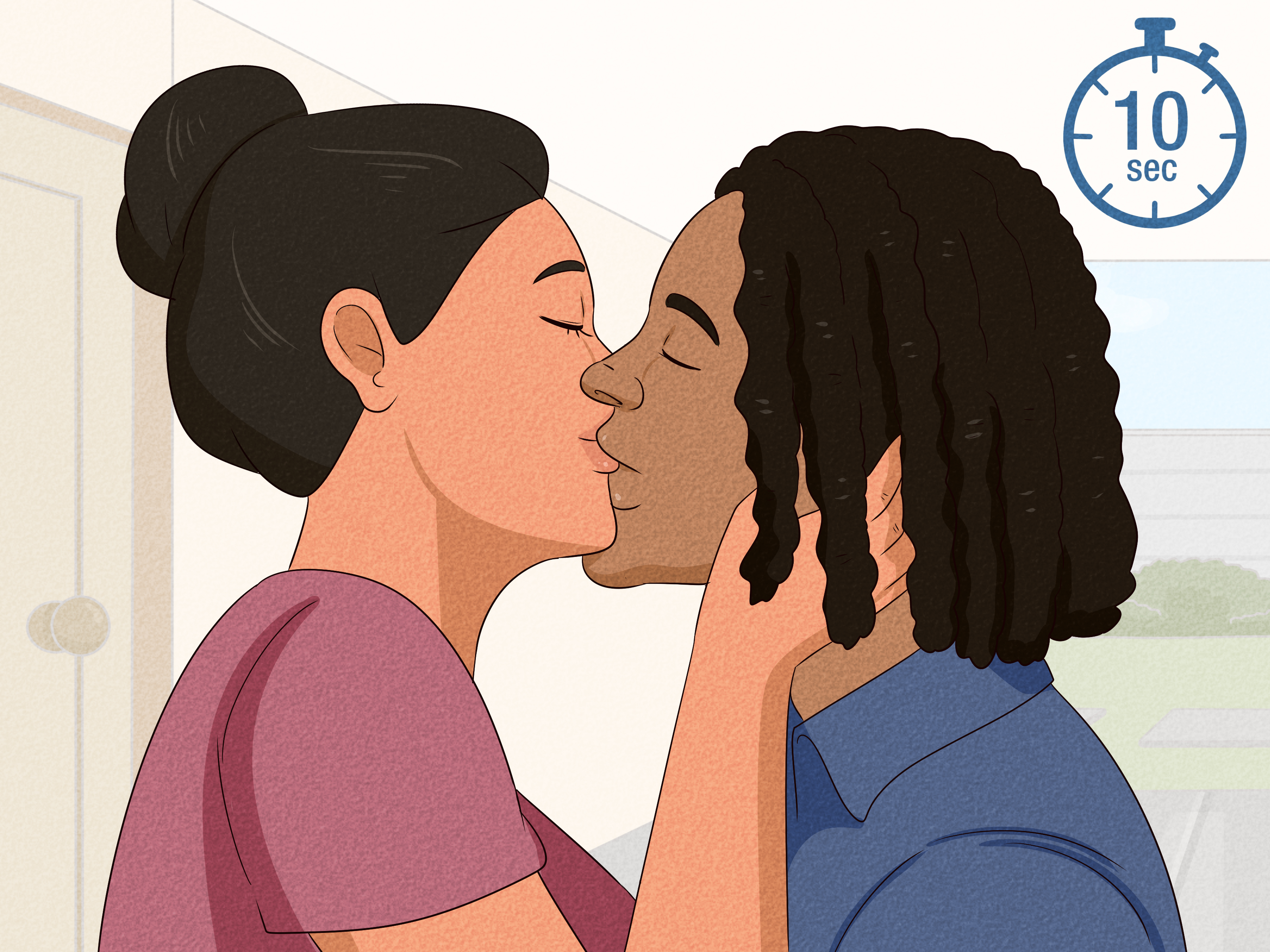
Begin with small forms of contact that do not automatically demand anything more. Hug him when one of you comes home. Touch his shoulder as you walk past. Sit beside him rather than across the room. Kiss for a moment longer than the automatic goodnight peck.
Nonsexual affection can reduce the sense that every touch is a request for sex. That distinction matters, especially when stress, fatigue, health issues, parenting demands, or differences in desire have made intimacy complicated.
Pay attention to his response and communicate about what each of you enjoys. One person may love frequent hugs, while another feels most connected through a back rub, holding hands, or quiet closeness on the couch.
Talk Honestly About Intimacy
Many couples hope their partners will magically understand what they want. Unfortunately, marriage licenses do not include mind-reading software.
Choose a calm, private moment to discuss affection and sexual intimacy. Ask what helps him feel desired and explain what helps you feel close. Talk about timing, stress, preferences, boundaries, health concerns, and anything that creates pressure or disconnection.
Keep the discussion collaborative. Instead of asking, “Why are you never interested?” try, “I miss feeling physically close to you. What would help us reconnect?” Rather than criticizing technique or frequency, discuss what both of you would like your intimate relationship to feel like.
Desire can change because of sleep problems, medication, hormones, chronic illness, mental health, unresolved conflict, body-image concerns, or exhaustion. Persistent changes may deserve a conversation with a qualified healthcare professional or couples therapist.
Care for Yourself Without Trying to Become Perfect
Personal care can influence attraction, but it should not be reduced to weight, makeup, or fashionable clothing. Energy, confidence, hygiene, rest, emotional well-being, and comfort in your own body also matter.
Choose habits that help you feel like yourself. Wear something that makes you confident. Get enough sleep when life allows it. Move your body in ways you enjoy. Address health concerns. Take time to relax. Refresh your hairstyle or wardrobe when that sounds fun, not because you believe you must earn affection by looking flawless.
Your husband may notice the outward changes, but the deeper attraction often comes from the energy created when you feel healthier, more comfortable, and more present.
Make Attraction a Shared Responsibility
You can invite connection, but you cannot carry an entire marriage alone. Your husband also has a role in communicating, showing affection, planning time together, resolving conflict, and caring about your needs.
Rather than framing attraction as “How do I make him want me?” consider asking, “How can we create a relationship in which both of us feel wanted?” That shift replaces performance with partnership.
If your efforts are repeatedly dismissed, if affection is withheld as punishment, or if the relationship involves fear, threats, control, humiliation, or coercion, the problem is not a lack of attractiveness. Seek support from a trusted professional or appropriate local service.
Common Mistakes to Avoid When Trying to Attract Your Husband
Trying to Make Him Jealous
Jealousy may create a brief reaction, but it rarely produces secure, lasting closeness. Pretending to receive romantic attention, comparing him with other men, or threatening to leave can damage trust.
Changing Your Entire Personality
Experimenting with a new look or activity can be enjoyable. Erasing your opinions, interests, or boundaries to become his imagined “perfect woman” is neither healthy nor sustainable.
Using Sex as a Reward or Punishment
Intimacy should be based on mutual desire and respect. Treating it as currency can create resentment and turn affection into a negotiation.
Expecting One Dramatic Gesture to Fix Everything
A surprise trip or glamorous date can be memorable, but daily interactions shape the emotional climate of a marriage. Five minutes of attentive conversation repeated regularly may accomplish more than one enormous romantic production followed by six months of neglect.
Ignoring Unresolved Resentment
Flirting cannot permanently cover serious conflict. If old hurts, betrayals, unequal responsibilities, or communication problems remain unresolved, address them directly. Couples therapy can provide structure when conversations repeatedly turn into the same argument.
Experiences: What Rebuilding Attraction Can Look Like
The following composite experiences illustrate common relationship patterns. They are not promises that every marriage will respond in the same way, but they show how small, consistent changes may create meaningful results.
Experience One: The Couple Who Only Discussed Responsibilities
After twelve years of marriage, one couple realized that nearly every conversation concerned their children, work, or household management. They communicated efficiently, but the relationship felt more like a small company with unusually complicated laundry.
The wife initially assumed she needed to change her appearance to regain her husband’s attention. Instead, she began by changing the quality of their conversations. Several evenings each week, they spent fifteen minutes talking without phones. They were not allowed to discuss bills, schedules, repairs, or school assignments.
At first, the conversations felt awkward. They had become so accustomed to practical subjects that neither knew what to ask. They started discussing music, childhood memories, future trips, embarrassing moments, and things they wanted to learn.
She also began expressing specific appreciation when she noticed something helpful or thoughtful. Her husband gradually responded with more compliments and initiated more conversations himself. The improvement did not arrive as a dramatic movie scene. It appeared as more eye contact, inside jokes, affectionate touches, and a renewed desire to spend time together.
Experience Two: The Couple Who Needed Something New
Another couple loved each other but had repeated the same weekend routine for years. Dinner came from the same restaurants, entertainment came from the same streaming services, and their most adventurous shared activity involved selecting a different brand of coffee.
They created a monthly “new experience” rule. The activity could be inexpensive, but neither partner could have tried it before. They visited a farmers market, took a beginner pottery class, attempted homemade pasta, explored a nearby historic district, and attended an outdoor concert.
Not every date was magical. Their pottery looked like archaeological evidence from a failed civilization, and the pasta briefly attached itself to the ceiling. Still, the experiments gave them stories to retell and reasons to laugh.
The novelty did not replace emotional work, but it interrupted boredom. They began flirting more while planning the next activity, and the anticipation became part of the attraction. Their marriage felt less like a completed story and more like an ongoing adventure.
Experience Three: The Couple Who Misunderstood Physical Affection
A third couple struggled because the wife avoided casual touch. She believed that any affectionate contact would automatically create an expectation of sex when she was tired. Her husband interpreted the distance as rejection and eventually stopped initiating affection altogether.
During an honest conversation, they discovered that both felt unwanted for different reasons. They agreed to rebuild physical closeness without assuming that every hug or kiss had to lead anywhere.
They introduced simple habits: a longer hug after work, holding hands during walks, sitting close while watching television, and kissing goodnight with genuine attention. They also discussed what made intimacy easier or harder, including stress, timing, sleep, and emotional conflict.
Removing pressure made affection feel safer. As everyday warmth increased, sexual communication also became easier. Their experience demonstrated that attraction is not always created by increasing intensity. Sometimes it returns when couples slow down, remove assumptions, and make room for affection without an agenda.
The Shared Lesson
These experiences have one principle in common: attraction was treated as a relationship environment rather than a beauty contest. The couples became more attentive, curious, playful, affectionate, and honest.
None relied on manipulation. Nobody staged a mysterious admirer, adopted a fake personality, or purchased seventeen candles labeled “Midnight Temptation.” They improved the ordinary moments from which long-term intimacy is built.
Conclusion: Attraction Grows Where Connection Is Protected
The most effective ways to attract your husband are not tricks. Build emotional attraction by listening, expressing appreciation, and responding to his attempts to connect. Restore romantic energy through flirting, shared experiences, and protected couple time. Strengthen physical intimacy with affectionate touch, honest communication, mutual consent, and personal care that supports your confidence.
Start with one manageable action. Offer a specific compliment tonight. Plan an unfamiliar activity for the weekend. Ask what makes him feel desired and share what makes you feel close. Small gestures become powerful when they are sincere and repeated.
Most importantly, remember that a healthy marriage should make both spouses feel valued. You are not responsible for performing your way into someone’s affection. Attraction is strongest when two people continue noticing, respecting, and choosing each othereven while the laundry pile attempts to become the third person in the relationship.













