
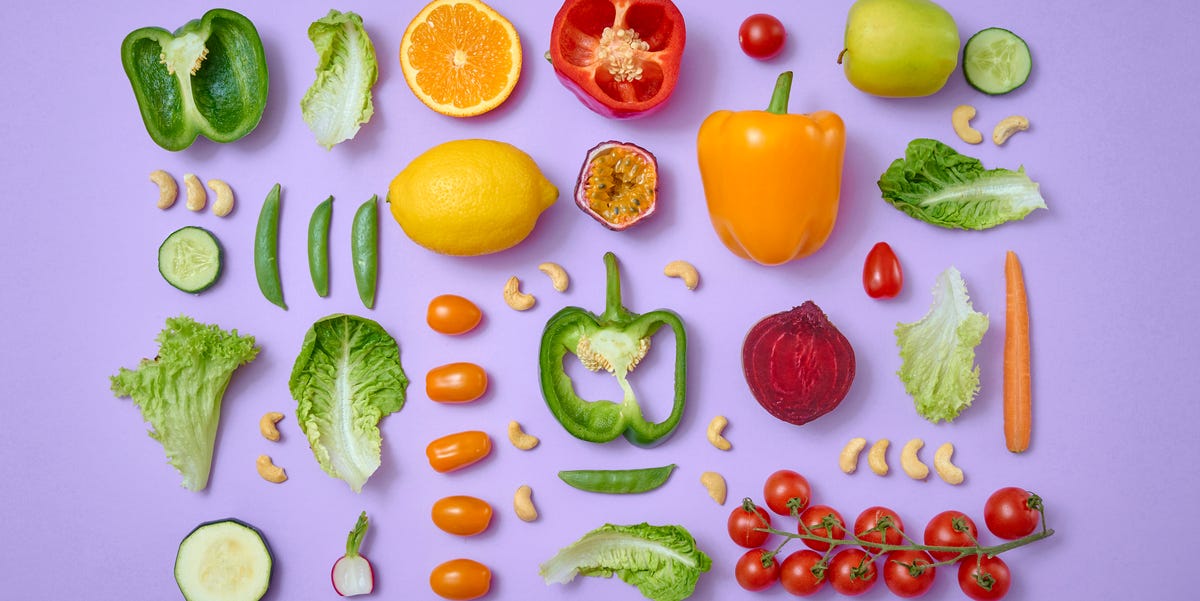
A vegan diet skips meat, seafood, dairy, eggs, and other animal-derived ingredients. That sounds simple until someone hands you a snack label containing whey, gelatin, or an ingredient that appears to have been named by a chemistry professor during a thunderstorm.
Fortunately, eating vegan is not about memorizing every mysterious additive or surviving entirely on lettuce. A well-planned vegan diet can include hearty bean chili, tofu stir-fries, peanut noodles, lentil tacos, vegetable curries, oatmeal, pasta, sandwiches, desserts, and an impressive number of foods that never needed animal ingredients in the first place.
The important phrase is well-planned. Vegan eating can provide plenty of protein, fiber, vitamins, minerals, and healthy fats, but eliminating an entire category of foods makes several nutrients worth watching carefully. This guide explains what vegans eat, the potential benefits, common nutrition gaps, and practical ways to build satisfying meals without turning dinner into a laboratory assignment.
What Is a Vegan Diet?
A vegan diet consists entirely of plant foods and foods made without ingredients of animal origin. It excludes beef, pork, poultry, fish, shellfish, dairy products, eggs, and animal-derived ingredients such as gelatin. Most vegans also avoid honey because it is produced by bees.
Veganism may extend beyond food. Some people also avoid leather, wool, silk, cosmetics tested on animals, and household products containing animal-derived ingredients. However, the term vegan diet refers specifically to what a person eats.
The Academy of Nutrition and Dietetics states that appropriately planned vegetarian and vegan dietary patterns can be nutritionally adequate for adults and may provide long-term cardiometabolic benefits. The planning matters because removing animal foods does not automatically replace the nutrients those foods supplied.
Vegan vs. vegetarian vs. plant-based
These terms are related, but they are not interchangeable:
- Vegetarian: Avoids meat, poultry, and seafood but may eat dairy products, eggs, or both.
- Vegan: Avoids all foods of animal origin.
- Plant-based: Emphasizes plant foods but does not always exclude animal products completely.
- Whole-food, plant-based: Focuses on minimally processed vegetables, fruits, legumes, whole grains, nuts, and seeds while limiting refined and heavily processed products.
A person can therefore eat a plant-forward diet without being vegan, and a vegan diet can be based on either whole foods or highly processed foods. French fries, soda, and certain sandwich cookies may be vegan, but no nutritionist is going to build them a tiny trophy.
What Foods Do Vegans Eat?
A balanced vegan diet is built around variety. Instead of asking, “What is left after removing animal products?” it is more useful to ask, “How many ways can plants become dinner?” The answer is: quite a lot.
Vegetables and fruits
Vegetables and fruits contribute fiber, potassium, folate, vitamin C, carotenoids, and numerous beneficial plant compounds. Aim for variety rather than relying on the same two vegetables until they start feeling like coworkers.
Useful choices include leafy greens, broccoli, cabbage, carrots, bell peppers, tomatoes, mushrooms, squash, sweet potatoes, berries, citrus fruit, bananas, apples, and frozen produce. Fresh produce is excellent, but frozen and low-sodium canned options are nutritious and often less expensive.
Legumes and soy foods
Beans, peas, lentils, chickpeas, tofu, tempeh, edamame, and unsweetened soy milk are major sources of vegan protein. Legumes also provide fiber, iron, zinc, potassium, and slow-digesting carbohydrates.
USDA MyPlate identifies beans, peas, lentils, nuts, seeds, tofu, tempeh, and other soy products as protein choices for vegetarian and vegan eating patterns.
Whole grains and starchy foods
Oats, brown rice, quinoa, barley, whole-wheat bread, whole-grain pasta, corn, potatoes, and other starches provide energy, fiber, B vitamins, and minerals. They also make meals filling. A bowl containing six decorative spinach leaves and one lonely chickpea is technically food, but it is unlikely to prevent a late-night meeting with the peanut butter jar.
Nuts, seeds, and healthy fats
Walnuts, almonds, peanuts, cashews, pumpkin seeds, chia seeds, ground flaxseed, hemp seeds, tahini, avocado, and olive oil provide concentrated energy and unsaturated fats. These foods are particularly useful for active people or anyone who struggles to eat enough calories on a high-fiber diet.
Fortified foods
Fortified plant milks, breakfast cereals, nutritional yeast, and certain meat alternatives can supply nutrients such as vitamin B12, calcium, and vitamin D. Labels matter because fortification varies dramatically by brand.
Fortified soy milk is especially useful because its protein and overall nutrition profile are generally closer to dairy milk than many almond, rice, coconut, or oat beverages. The USDA includes fortified soy milk and soy yogurt in the Dairy Group because of this nutritional similarity.
Potential Benefits of a Vegan Diet
The benefits associated with vegan eating usually come from consuming more minimally processed plant foodsnot simply from removing animal ingredients. A vegan frozen dessert does not become broccoli because the label has a leaf on it.
More dietary fiber
Legumes, whole grains, vegetables, fruits, nuts, and seeds are naturally rich in fiber. Fiber supports regular digestion, contributes to fullness, and can help maintain healthy blood cholesterol and blood sugar levels.
Possible heart-health advantages
Well-designed plant-centered diets tend to contain less saturated fat and more fiber, unsaturated fat, potassium, and antioxidant-rich foods. Research has associated nutritious plant-based eating patterns with lower cardiovascular risk, while the American Heart Association encourages greater use of plant proteins such as beans, peas, lentils, and nuts.
Support for weight management
Many whole plant foods provide substantial volume and fiber for relatively few calories. This can make meals satisfying while supporting an appropriate calorie intake. Weight loss is not guaranteed, however. Large portions of oils, desserts, fried foods, sugary drinks, and refined snacks can supply considerable energy while remaining perfectly vegan.
Potential blood sugar benefits
A vegan pattern centered on beans, intact whole grains, vegetables, nuts, and seeds may support insulin sensitivity and blood sugar management. The quality of carbohydrates is crucial. Steel-cut oats, lentils, and barley behave differently in the body than sweetened cereal, candy, and white breadeven when every item involved is plant-derived.
A nutrient-dense eating pattern
Healthful vegan diets can provide abundant folate, vitamin C, vitamin E, magnesium, potassium, and protective plant compounds. However, Harvard researchers have emphasized that not every plant-based diet is healthy; patterns dominated by refined grains, sweets, and sugary beverages do not offer the same advantages as patterns rich in whole plant foods.
Key Nutrients in a Vegan Diet
The goal is not to become anxious about every vitamin before breakfast. It is to create a few reliable habits that cover the nutrients most likely to be missed.
Vitamin B12
Vitamin B12 supports healthy blood cells, nerve function, and DNA production. Unfortified plant foods do not provide a dependable natural source. Vegans therefore need a reliable supply from fortified foods, a supplement, or a combination of both.
Do not rely on spirulina, fermented vegetables, mushrooms, or wishful thinking. The National Institutes of Health notes that plant foods contain no vitamin B12 unless they have been fortified. Because supplement doses and schedules vary, discuss an appropriate routine with a registered dietitian or healthcare professional.
Protein
Most vegans can meet protein needs by eating enough calories and including protein-rich foods throughout the day. Beans, lentils, tofu, tempeh, edamame, seitan, soy milk, nuts, seeds, peas, and whole grains all contribute.
You do not need to combine specific proteins at every meal. Eating a varied diet across the day supplies the essential amino acids your body needs. Still, a meal containing a clear protein source is usually more satisfying than one composed entirely of vegetables and optimism.
Iron
Plant foods contain nonheme iron, which is absorbed less efficiently than the heme iron found in animal foods. Vegan sources include lentils, tofu, beans, pumpkin seeds, fortified cereals, quinoa, and leafy greens.
Pairing these foods with vitamin C can improve absorption. Try beans with tomatoes, tofu with broccoli, lentils with bell peppers, or fortified cereal with berries. Coffee and tea can reduce iron absorption when consumed with an iron-rich meal, so people with low iron levels may benefit from enjoying them between meals instead.
The NIH notes that people following vegetarian diets have higher iron requirements because plant-based nonheme iron is less bioavailable. Anyone with fatigue, unusual weakness, shortness of breath, heavy menstrual bleeding, or a history of anemia should seek medical testing rather than taking high-dose iron blindly.
Calcium and vitamin D
Calcium supports bones, teeth, muscles, and nerve signaling. Vegan sources include fortified plant milk, calcium-set tofu, tahini, almonds, white beans, kale, bok choy, collard greens, and fortified juice.
Vitamin D helps the body absorb calcium. It is found in some fortified plant milks, cereals, and mushrooms exposed to ultraviolet light, but intake may still be low. Sun exposure, skin tone, age, location, season, and medical conditions affect vitamin D status, so individualized testing or supplementation may be appropriate. Vitamin D inadequacy is more common among people who avoid dairy and follow vegan diets.
Omega-3 fatty acids
Ground flaxseed, chia seeds, hemp seeds, walnuts, soy foods, and canola oil provide alpha-linolenic acid, or ALA. The body can convert some ALA into the longer-chain fats EPA and DHA, but conversion is limited.
An algae-derived EPA or DHA supplement is a vegan option for people who need or prefer a direct source. The NIH recognizes algal oil as a vegetarian source of long-chain omega-3 fats.
Iodine
Iodine is required for thyroid hormone production. Vegan intake can be inconsistent because seafood and dairy are common iodine sources in conventional diets. Iodized salt can provide a predictable source, but specialty saltsincluding sea salt, Himalayan salt, and kosher saltare not necessarily iodized.
Seaweed contains iodine, but the amount can vary enormously. More is not always better; excessive iodine can also disturb thyroid function. People with thyroid disease, pregnant people, and anyone considering an iodine supplement should consult a qualified clinician.
Zinc
Beans, lentils, tofu, tempeh, seeds, nuts, and whole grains provide zinc. Soaking, sprouting, fermenting, and cooking legumes and grains can reduce phytates, compounds that interfere with mineral absorption. Regular variety is more practical than attempting to engineer one zinc-packed super-meal.
How to Build a Balanced Vegan Meal
A simple meal-building formula prevents both nutrient gaps and disappointing dinners:
- Choose a protein: Beans, lentils, tofu, tempeh, edamame, seitan, or textured vegetable protein.
- Add a satisfying carbohydrate: Brown rice, quinoa, potatoes, corn tortillas, oats, barley, or whole-grain pasta.
- Include colorful produce: Use at least one vegetable or fruit, and preferably several colors across the day.
- Add a nourishing fat: Nuts, seeds, tahini, avocado, or a modest amount of plant oil.
- Bring flavor: Herbs, spices, citrus, vinegar, salsa, mustard, miso, garlic, ginger, or hot sauce can rescue a meal from the dreaded Beige Food Era.
One-day vegan meal example
- Breakfast: Oatmeal made with fortified soy milk, berries, ground flaxseed, and peanut butter.
- Lunch: Lentil-quinoa bowl with spinach, roasted peppers, cucumber, pumpkin seeds, and lemon-tahini dressing.
- Snack: Apple slices with almond butter or hummus with carrots and whole-grain crackers.
- Dinner: Tofu and broccoli stir-fry with brown rice, mushrooms, sesame seeds, and ginger sauce.
- Dessert: Fruit, dark chocolate without dairy, or a small serving of vegan frozen dessert.
Common Vegan Diet Mistakes
Replacing meat with nothing
Removing chicken from a salad does not automatically create a balanced vegan meal. Replace animal foods with beans, tofu, tempeh, lentils, nuts, seeds, or another meaningful protein source.
Assuming every plant milk is nutritionally equal
Some plant milks contain very little protein, while others are not fortified with calcium, vitamin D, or vitamin B12. Compare labels and shake the container because added calcium may settle at the bottom.
Living on processed substitutes
Vegan burgers, cheese alternatives, and convenience foods can make the transition easier. They do not need to be banned, but some contain substantial sodium, saturated fat, or refined starch. Use them as supporting actors rather than giving them the entire movie.
Ignoring vitamin B12
This is the most avoidable major error. A reliable B12 source is not optional for long-term vegan eating.
Increasing fiber too quickly
A sudden jump from a low-fiber diet to multiple daily servings of beans, lentils, whole grains, and raw vegetables can produce bloating and gas. Increase fiber gradually, drink enough fluid, rinse canned beans, and begin with manageable portions.
Who Should Seek Professional Guidance?
Extra planning is important during pregnancy, breastfeeding, infancy, childhood, adolescence, and older adulthood. Athletes, people recovering from eating disorders, and those with food allergies, kidney disease, digestive disorders, anemia, osteoporosis, or restricted appetites may also need individualized guidance.
A registered dietitian can assess calorie intake, protein distribution, supplements, laboratory results, medications, cultural food preferences, and budget. This is especially useful when several restrictions overlapfor example, someone eating vegan while also avoiding soy, gluten, and nuts. At that point, dinner should not be left to improvisation and one heroic potato.
Practical Experiences: What Going Vegan Can Feel Like
The following is a realistic composite of experiences commonly encountered by people transitioning to vegan eating. It is not a claim of personal experience, and no single timeline applies to everyone.
The first grocery trip
Many beginners enter the supermarket expecting a peaceful visit and leave feeling as though they have completed an ingredient-label obstacle course. Milk appears in crackers. Gelatin appears in candy. Whey turns up in products that did not seem emotionally prepared to contain whey.
The process gets easier quickly. Most people establish a dependable list of familiar products within several trips: a fortified plant milk, bread without dairy, a favorite tofu, canned beans, frozen vegetables, whole grains, hummus, fruit, and a few convenient meals. Shopping then returns to being shopping rather than an investigation conducted under fluorescent lighting.
The “What do I cook?” phase
A common early mistake is trying to invent an entirely new cuisine overnight. A smoother approach is to veganize familiar meals. Beef chili becomes three-bean chili. Chicken stir-fry becomes tofu or edamame stir-fry. Tacos use seasoned lentils, black beans, or crumbled tofu. Pasta marinara remains pasta marinara unless someone unnecessarily introduces cheese to the situation.
Starting with familiar flavors reduces decision fatigue. It also proves that vegan food does not require a ceremonial bowl containing exactly nine exotic ingredients and a sauce made from a nut that costs more than parking.
The fiber surprise
People who previously ate few legumes or whole grains may notice digestive changes. Beans have a reputation, and occasionally they work hard to maintain it. Smaller portions, thorough cooking, rinsing canned beans, gradual increases in fiber, and adequate fluids usually make the transition more comfortable.
Over time, many people find that meals become more filling and bowel habits more regular. Others discover that large raw salads are not their digestive best friends and do better with soups, cooked vegetables, tofu, rice, oatmeal, and blended sauces. Vegan eating does not require eating everything raw, cold, or directly from a mason jar.
Eating at restaurants and social events
Dining out can initially feel awkward, particularly when menus offer one vegan option called “Seasonal Vegetables” and apparently expect it to carry the emotional weight of an entrée. Checking menus in advance helps. Indian, Thai, Vietnamese, Middle Eastern, Ethiopian, Mexican, Mediterranean, and many East Asian restaurants often provide adaptable plant-based dishes, although fish sauce, dairy, eggs, and meat-based broths still need to be checked.
At family gatherings, bringing a substantial dish is often easier than expecting the host to redesign the menu. A pan of baked pasta, bean chili, curry, grain salad, or dairy-free dessert gives the vegan guest something satisfying and frequently attracts curious nonvegans. Label the dish clearly, especially if it contains nuts or other allergens.
The moment planning becomes routine
Eventually, the diet feels less like a project. Breakfast rotates among oatmeal, toast, smoothies, and breakfast burritos. Lunch uses leftovers or grain bowls. Dinner follows a simple protein-plus-starch-plus-vegetable formula. B12 becomes a routine rather than a recurring debate.
The most sustainable approach is rarely perfection. It is a set of repeatable habits: keeping convenient protein at home, choosing fortified staples, preparing several foods in batches, carrying a snack, and recovering calmly when a restaurant accidentally adds cheese. A practical vegan diet is not built by winning every meal. It is built by making the next meal easier.
Conclusion
A vegan diet excludes foods of animal origin while emphasizing vegetables, fruits, legumes, grains, nuts, seeds, soy foods, and fortified products. When centered on varied, minimally processed foods, it can provide abundant fiber and support heart health, healthy blood sugar, and weight management.
Still, the word vegan is not a nutritional guarantee. Successful long-term vegan eating requires special attention to vitamin B12 and thoughtful sources of protein, iron, calcium, vitamin D, omega-3 fats, iodine, and zinc. Build complete meals, read fortification labels, introduce fiber gradually, and obtain professional guidance when medical conditions or demanding life stages make nutrition more complex.
In other words, eat the plantsbut give them a plan.














