
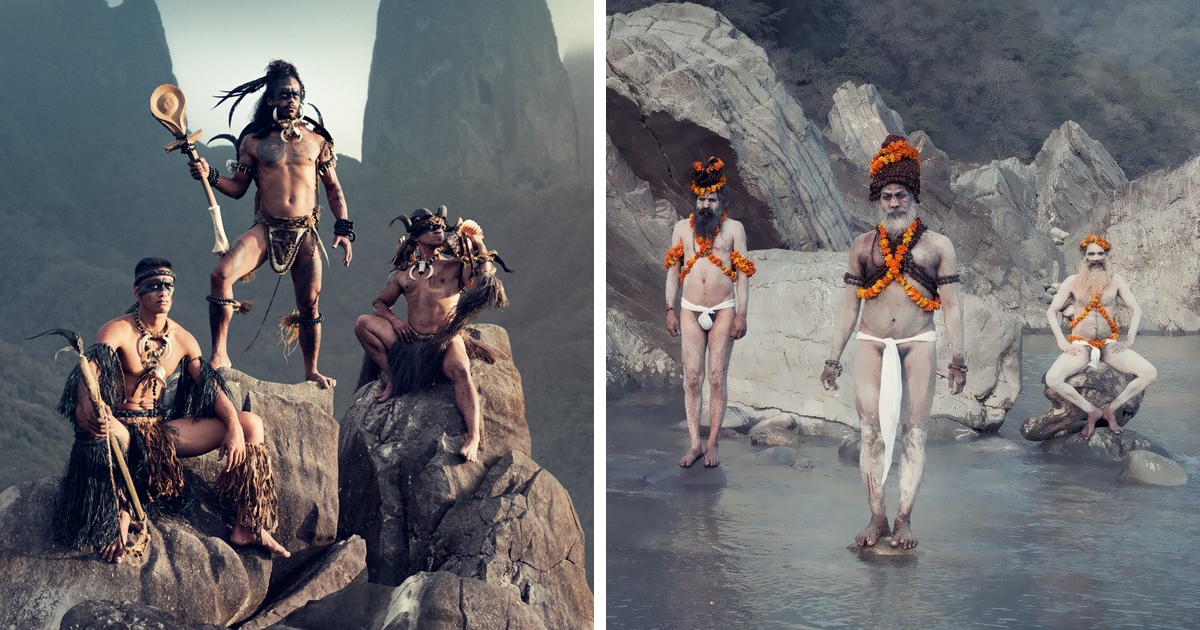
Editorial note: This article uses the word “tribes” because it appears in the search title, but the respectful term is often “Indigenous Peoples,” “remote communities,” or “Peoples in voluntary isolation.” It does not share precise locations of uncontacted groups and treats photography as a responsibility, not a trophy hunt with a zoom lens.
Some photographs stop you mid-scroll. Not because they are loud, glossy, or trying to sell you a watch that costs more than a sensible used car, but because they reveal a way of life shaped by forest, river, desert, mountain, memory, and choice. Photos of isolated tribes and remote Indigenous communities can be breathtaking, but they also carry a heavy question: are we looking with respect, or are we simply staring?
Around the world, communities live at different distances from globalized modern life. Some, like the Sentinelese of North Sentinel Island or several Amazonian groups, actively reject outside contact. Others, such as the Himba, Huli, Hadza, Samburu, San, Mentawai, and Mursi, are not “uncontacted,” but live in landscapes where tradition, land, identity, and modern pressure meet every day. The best photographs of these communities do more than decorate a page. They ask us to slow down, learn context, and stop treating human cultures like limited-edition postcards.
Below are 21 unforgettable photo moments from around the world. Think of them as visual windows, not invitations to intrude. A powerful image should protect dignity, not bulldoze it.
Why Photos Of Isolated Tribes Still Fascinate The World
Images of isolated Indigenous communities fascinate people because they challenge the myth that everyone is marching toward the same future at the same speed. In a world of instant messages, airport lounges, and phones that update more often than some people clean their refrigerator, these photos remind us that there are many ways to live intelligently.
But the fascination can become dangerous. Uncontacted communities are highly vulnerable to diseases carried by outsiders. Roads, logging, mining, missionary contact, illegal tourism, and careless photography can turn “curiosity” into catastrophe. Ethical photography does not chase people through the forest, reveal sensitive locations, or frame living communities as museum exhibits. It shows place, resilience, and pressure while respecting the right to be left alone.
21 Breathtaking Photo Moments From Remote Indigenous Communities
1. The Sentinelese Guarding A Shoreline
Few images are as haunting as a distant view of the Sentinelese on the shore of North Sentinel Island. The power of the photo is not in detail, but in distance. Their message has been consistent for generations: no visitors, thank you very much. Honestly, it is one of the clearest privacy policies on Earth.
2. Mashco Piro People On A Peruvian Riverbank
Rare images of Mashco Piro people near riverbanks in the Peruvian Amazon have drawn global attention. These photos are breathtaking because they show movement, tension, and survival. They also reveal a hard truth: when isolated people appear near villages or logging areas, it may not be a romantic “emergence,” but a warning sign that their territory is under pressure.
3. The Awá Moving Through The Eastern Amazon
The Awá of Brazil include some people who live without regular contact with outsiders. A respectful photo of Awá life might show hammocks, palm-fiber tools, forest paths, or the quick practicality of a nomadic hunting camp. Nothing is wasted. Nothing is decorative without purpose. Minimalism influencers, please take notes, but maybe leave the ring light at home.
4. Kawahiva Traces In The Forest
The Kawahiva of Brazil are known largely through indirect evidence: abandoned shelters, arrows, baskets, and signs of movement. A powerful “photo” here may not show faces at all. It may show a quiet shelter in the trees, proving presence without forcing contact. Sometimes the most ethical image is the one that says, “They are here,” and then steps back.
5. Hongana Manyawa Forest Paths In Indonesia
The Hongana Manyawa of Halmahera, Indonesia, include uncontacted and recently contacted groups. Images connected to them often carry a painful contrast: deep rainforest on one side, nickel mining pressure on the other. The photo becomes more than a portrait. It becomes evidence that the clean-energy future should not be built by dirtying someone else’s home.
6. Ayoreo Life In The Gran Chaco
The Ayoreo people of Paraguay and Bolivia have long ties to the Gran Chaco, one of South America’s most threatened dry forests. A breathtaking image might show thorn forest, handmade shelters, or the vastness of a landscape often erased by cattle ranching and deforestation. The Chaco is not empty land. It is a living library, and some of its pages are being ripped out too quickly.
7. Yanomami Communal Life In The Amazon
The Yanomami are not an isolated people in the same way uncontacted communities are, but many Yanomami villages remain remote and deeply tied to forest life. A photograph of a large communal house, garden clearings, or painted faces during ceremony can reveal a society built around kinship, ritual, and territory. It also reminds viewers that illegal mining does not just scar rivers; it scars cultures.
8. Korubo Strength In The Javari Valley
The Javari Valley in western Brazil is home to several Indigenous groups, including peoples with limited or no contact. The Korubo, sometimes discussed in relation to this region, have been photographed in contexts of careful official contact. Such images should never be treated as adventure souvenirs. They are records of survival in one of the most culturally diverse Indigenous territories on the planet.
9. Huli Wigmen In The Highlands Of Papua New Guinea
Photos of Huli Wigmen are visually unforgettable: elaborate wigs made from human hair, feathers, paint, and ceremonial dress that seems designed by someone who understood color theory before design schools began charging tuition. The Huli are not uncontacted, but their highland traditions remain among the world’s most photographed Indigenous cultural expressions.
10. Korowai Treehouse Life In Papua
The Korowai of Indonesian Papua are often associated with treehouses, though photographers and filmmakers have sometimes exaggerated or staged scenes for outside audiences. That matters. A good photo of Korowai life should not chase the tallest possible treehouse for drama. It should tell the truth about people adapting to forest, river, trade, tourism, and media attention.
11. Himba Women And The Red Ochre Of Namibia
The Himba of northern Namibia are famous for otjize, a mixture often made with red ochre and fat that is applied to skin and hair. A portrait of a Himba woman can be stunning, but the real beauty lies in meaning: identity, climate adaptation, aesthetics, and continuity. It is not “costume.” It is culture, and culture does not exist to make your Instagram grid feel worldly.
12. Samburu Herders In Northern Kenya
The Samburu are semi-nomadic pastoralists with deep ties to cattle, camels, beadwork, song, and dryland survival. A breathtaking photo might show warriors drawing water for livestock, bright beads against dusty earth, or a community moving through a landscape where climate change is rewriting the rules. Their resilience is not a travel brochure cliché; it is daily work.
13. Maasai Communities Across Kenya And Tanzania
Maasai images often show red shúkà cloth, beadwork, cattle, and sweeping savanna. These photos are iconic, but they should not freeze the Maasai in time. Maasai people are pastoralists, entrepreneurs, students, leaders, conservation partners, and political voices. The best photograph respects tradition while admitting the obvious: living cultures keep living.
14. Mursi Portraits In Ethiopia’s Omo Valley
The Mursi of Ethiopia’s Omo Valley are widely known for women’s lip plates, scarification, and powerful portraiture. Yet this is one of the clearest examples of why ethical photography matters. Tourism has often turned Mursi images into transactions, performances, and misunderstandings. A respectful photo explains context instead of reducing a person to one striking feature.
15. Hadza Hunter-Gatherers Near Lake Eyasi
The Hadza of northern Tanzania are among Africa’s last hunter-gatherer peoples, with some communities still relying on foraging, honey gathering, and hunting. A photo of a Hadza hunter reading tracks or climbing for honey can look simple at first glance. Then you realize it contains a whole university of ecological knowledge, minus the student debt.
16. San Knowledge In The Kalahari
The San peoples of southern Africa have ancient ties to the Kalahari and surrounding regions. Photographs of tracking, storytelling, rock art, or desert movement can feel almost impossibly rich. The San remind us that “remote” does not mean “behind.” It can mean deeply skilled in a world most outsiders would not survive for a weekend without snacks, GPS, and dramatic complaining.
17. Mentawai Forest Traditions In Indonesia
The Mentawai people of Siberut and nearby islands are known for tattooing, forest-based spirituality, longhouses, and traditional healers called sikerei. A strong photo might show tattoo patterns, a ritual setting, or daily life in the rainforest. But again, context matters. The image should honor living belief systems, not package them as jungle-themed wallpaper.
18. Nenets Reindeer Herders In The Siberian Arctic
The Nenets of northern Russia are Indigenous reindeer herders who migrate across harsh Arctic landscapes. A photo of a caravan moving across snow, reindeer breath steaming in cold air, or a chum tent under a pale sky can feel otherworldly. It is also a lesson in adaptation, because the Arctic is changing fast and traditional migration routes face industrial and climate pressures.
19. Sámi Reindeer Culture In Northern Europe
The Sámi live across northern Norway, Sweden, Finland, and Russia’s Kola Peninsula. While they are not isolated from modern society, many Sámi communities maintain powerful ties to reindeer herding, language, music, and land rights. A photo of gákti clothing or reindeer movement is not just colorful; it is political, historical, and personal.
20. Dani Highland Communities Of Papua
The Dani people of the Baliem Valley in Papua are often photographed during festivals and highland ceremonies. Dramatic body paint, spears, and mountain backdrops can make the images look timeless, but the Dani also live in a changing region shaped by roads, markets, politics, and tourism. The best images avoid pretending that the past is the only thing worth photographing.
21. Tagaeri And Taromenane: The Photo That Should Not Be Taken
Some of the most important “photos” of isolated peoples are the ones responsible photographers never take. The Tagaeri and Taromenane, Indigenous Peoples in voluntary isolation in Ecuador’s Amazon, face threats from oil activity, illegal logging, and territorial conflict. In their case, the most breathtaking image may be an untouched forest canopy from far above, with no faces exposed and no location revealed.
The Ethics Behind Breathtaking Tribal Photography
Photography can protect or exploit. It can document land invasions, support Indigenous rights, and show the public what is at stake. It can also turn people into props, reward risky contact, or encourage tourists to treat communities like a human zoo with better lighting.
For uncontacted peoples, the ethical rule is simple: no contact. No “quick visit.” No gifts. No drone buzzing overhead like an electronic mosquito with boundary issues. No missionary adventure, no influencer expedition, no “I just wanted to say hello.” History has shown that outside contact can bring disease, violence, dependency, and social disruption. Respect means accepting that some people have chosen distance.
For remote but contacted communities, the rules are different but still serious: ask permission, pay fairly when payment is expected, avoid stereotypes, learn names and context, and do not publish images that embarrass, endanger, or misrepresent people. A portrait should not steal more than it gives.
What These Photos Reveal About Land, Survival, And Identity
The most breathtaking photos of isolated tribes are rarely just about faces. They are about land. A riverbank in Peru, a forest path in Brazil, a desert homestead in Namibia, a snowy migration route in Siberia, a highland ceremony in Papuaeach image shows a relationship between people and place.
That relationship is under pressure almost everywhere. Logging roads slice into Amazon forests. Mining concessions threaten rainforests in Indonesia. Cattle ranching and soy expansion eat into the Gran Chaco. Climate change alters water, grazing, migration, and food systems. Tourism can bring income, but it can also bring performance, distortion, and cultural fatigue. The camera arrives in the middle of all this, pretending to be neutral. Spoiler: it is not.
Still, photography can be useful when done carefully. Images have helped prove the existence of isolated groups, document illegal invasions, and build public support for land protection. They can show that “empty wilderness” is often inhabited, managed, loved, and defended. They can make distant policy feel human. They can also remind readers that Indigenous Peoples are not relics from the past. They are contemporary societies with rights, choices, and futures.
Experiences Inspired By “21 Breathtaking Photos Of Isolated Tribes From All Around The World”
Viewing these photos can feel like taking a journey without moving from your chair, which is convenient because the chair probably has snacks nearby. But the deeper experience is not simple wonder. It is a shift in perspective. At first, a reader may notice color, gesture, clothing, body paint, landscape, or the cinematic drama of a riverbank or desert horizon. Then, after a few minutes, the image begins to ask harder questions: Who took this photo? Was permission given? What was happening outside the frame? Did the photograph help the community, or did it only help the photographer?
That is the experience that matters most. These images invite us to become better viewers. A respectful viewer does not treat remote Indigenous communities as “untouched,” because that word often erases centuries of resistance, trade, adaptation, displacement, and decision-making. A respectful viewer also avoids the lazy idea that modern life is the final boss level of human progress. Many isolated and remote communities possess ecological knowledge that industrial societies are only beginning to appreciate after setting several metaphorical curtains on fire.
Another powerful experience is realizing how much can be communicated without close access. A photo of an empty shelter, a canoe pulled onto a bank, reindeer tracks in snow, or a forest canopy can be as meaningful as a portrait. In fact, it may be more ethical. It teaches viewers that not every story requires a face. Sometimes the land itself is the testimony.
For travelers, photographers, editors, and bloggers, the lesson is practical: curiosity needs manners. If visiting contacted Indigenous communities, work with local guides, follow community rules, ask before photographing, and understand that “no” is a complete sentence, not the opening scene of a negotiation. If discussing uncontacted peoples, never promote visits, reveal sensitive locations, or romanticize dangerous contact. The goal is not to get closer. The goal is to understand why distance can be a form of respect.
For readers, these 21 photo moments offer a broader emotional experience: awe, discomfort, admiration, and responsibility all arriving at the same party. You can marvel at the artistry of Himba ochre, the precision of Hadza tracking, the beauty of Huli headdresses, the strength of Samburu pastoral life, and the fierce autonomy of the Sentinelese without turning people into fantasy characters. You can appreciate beauty while still asking who benefits from the image.
In the end, the best photographs of isolated tribes do not say, “Look how different they are.” They say, “Look how many ways there are to belong to the Earth.” That is a much better caption, and thankfully, it fits without needing a filter.
Conclusion
“21 Breathtaking Photos Of Isolated Tribes From All Around The World” is more than a list of striking images. It is a reminder that photography has power, and power needs ethics. Remote and isolated Indigenous communities are not living exhibits, lost worlds, or background characters in someone else’s adventure story. They are peoples with land, law, memory, humor, grief, beauty, and the right to decide how much of themselves the outside world gets to see.
The most responsible way to admire these photos is to pair wonder with respect. Celebrate the artistry, learn the context, reject sensationalism, and support the protection of Indigenous lands. A breathtaking image should leave us not only amazed, but also more careful with our curiosity.














