
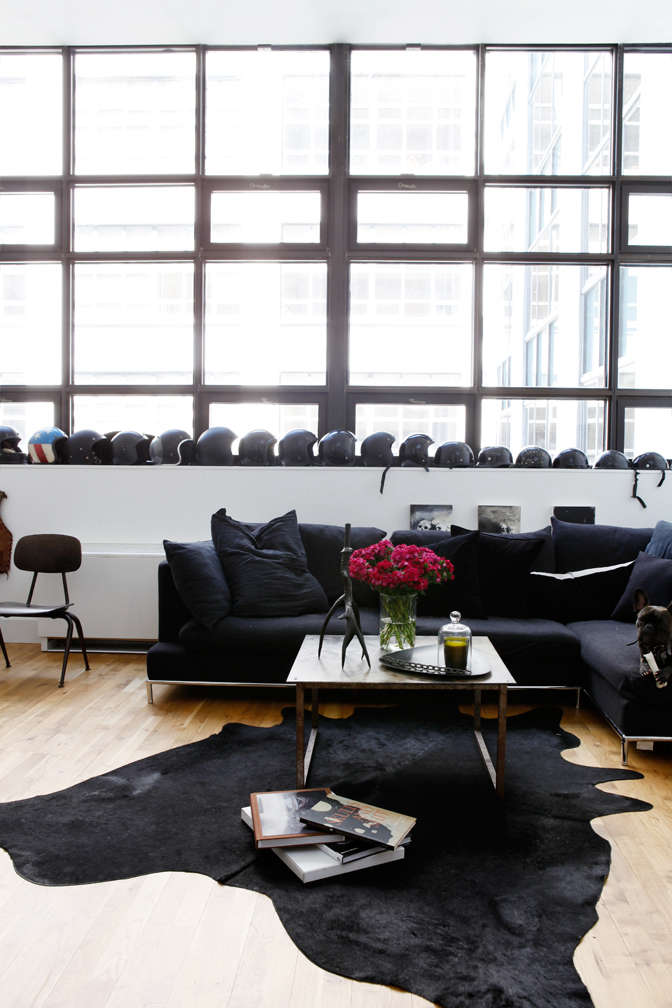
Brooklyn has never been shy about a little drama. This is the borough that can make a coffee order sound like a thesis statement and a front stoop feel like a cultural institution. So it makes perfect sense that one of the most captivating interior moods to emerge from the borough is a style that feels equal parts old-world aristocracy, downtown fashion, and midnight poetry reading: neo goth.
But let’s clear something up before the bats start circling. A neo-goth Brooklyn home is not a Halloween set that got a little too confident. It is not about fake cobwebs, novelty skulls, or living as though every dinner party might end in a séance. The real magic is subtler than that. It is about creating rooms with gravity. Rooms with shadow, texture, memory, and just enough glamour to suggest that someone in the house owns velvet on purpose.
In Brooklyn, especially in brownstones and older row houses, this look lands beautifully because the architecture already knows how to be dramatic. High ceilings, carved mantels, dark wood, long sightlines, ornate moldings, tall windows, and the occasional slightly mysterious hallway do half the work before you even buy a lamp. Neo goth simply steps in, lights a taper candle, and says, “Perfect. I’ll take it from here.”
Why Neo Goth Feels So Right at Home in Brooklyn
The borough’s housing stock gives this aesthetic real credibility. A modern condo can flirt with dark romance, sure, but a Brooklyn brownstone can commit. The bones matter. When a home already has historic detail, lived-in character, and a hint of Victorian seriousness, dark palettes and layered furnishings feel intentional rather than theatrical.
That is why the best neo-goth interiors in Brooklyn do not fight the building. They collaborate with it. Original woodwork gets restored instead of painted into oblivion. Mantels become moody focal points. Stair halls lean into shadow instead of apologizing for it. Even a narrow entry can become an atmospheric transition zone rather than a forgotten corridor. In this setting, darkness reads as depth, not deficiency.
There is also a cultural reason the style works. Brooklyn interiors often balance creative individuality with practical city living. That tension is exactly where neo goth shines. It can be extravagant without being sloppy, romantic without being fussy, and richly layered without losing function. It is the aesthetic equivalent of wearing a beautifully tailored black coat over combat boots: polished, a little rebellious, and fully aware of the weather.
The Design DNA of a Neo-Goth Brooklyn Interior
1. A Dark Palette With a Brain
Black is the headline color, but it should not be the only performer onstage. The strongest neo-goth rooms use a whole orchestra of dark tones: charcoal, espresso, oxblood, plum, forest green, midnight blue, black olive, and deep aubergine. These shades add dimension, and dimension is the difference between “moody” and “why does this room feel like a storage closet?”
In fact, one of the smartest ways to use black in a Brooklyn home is as a grounding neutral. Matte black on walls, trim, built-ins, or doors can make art, antiques, brass, books, and even flowers pop with almost cinematic clarity. Jewel tones also thrive here. Emerald velvet, sapphire glass, ruby textiles, or a moss-green sofa can keep a dark room from feeling flat. The palette should suggest luxury, but not the kind that shouts. Think whispering duchess, not casino lobby.
2. Texture Does the Heavy Lifting
If color is the mood, texture is the plot. Neo goth depends on contrast between surfaces. Velvet softens black. Burnished brass catches the light. Leather adds age. Plaster adds softness. Glossy paint makes paneling feel lush. Matte paint makes walls feel cocooning. Natural wood prevents the whole thing from turning into a goth spaceship.
This is also where Brooklyn’s design confidence shows up. Instead of matching everything into submission, great neo-goth rooms layer materials with a slightly fearless hand: marble with reclaimed wood, antique mirrors with modern lighting, linen with brocade, iron with ceramic, wallpaper with painted trim. The result feels collected, not cataloged.
3. Lighting Should Be Flattering, Not Forensic
Dark rooms fail when they are lit like a dentist’s office. The goal is layered, ambient, intimate light. Picture sconces that glow instead of glare. Table lamps with warm shades. Overhead fixtures that feel sculptural rather than aggressively practical. Mirrors, metallic accents, and glossy surfaces can help bounce that warmth around the room so the darkness feels enveloping, not oppressive.
In other words, if your neo-goth living room makes everyone look like they are being interrogated, something has gone wrong. The room should say candlelit dinner. Not police procedural.
How to Get the Look Without Turning Your Home Into a Costume
Honor the Architecture First
Before adding a single dramatic flourish, study the home itself. A Brooklyn interior with neo-goth ambition should amplify what is already special. Maybe that means highlighting original molding with a saturated paint color. Maybe it means refinishing dark wood instead of replacing it. Maybe it means restoring an old fireplace surround and letting it anchor the room like a piece of inherited theater.
If the architecture already leans historic, you do not need many clichés. A pointed arch mirror, a heavy drape, or a moody wallpaper may be enough. When the bones are good, restraint reads as confidence.
Mix Old-World Drama With Present-Day Comfort
The “royalty” part of this aesthetic only works when people actually want to sit down. Plush seating, soft rugs, layered bedding, and practical storage matter. The best Brooklyn versions of neo goth are livable, not museum-like. They invite reading, hosting, lounging, listening to records, and staying up too late talking in a room that makes everyone sound smarter.
That means balancing antique energy with modern ease. A vintage chandelier can hang above a very contemporary dining table. A moody library can hide charging outlets. A black bathroom can still be bright enough to locate your toothbrush before coffee. Style should never require suffering. A dramatic house is still a house.
Use Statement Pieces Strategically
Neo goth loves a hero object. A carved bed. A blackened steel light fixture. A giant gilt mirror. A wallpapered powder room. A dramatic bookshelf. A sculptural chair in oxblood leather. One or two of these can establish the tone of an entire room without forcing every corner to perform.
This is especially important in Brooklyn, where rooms are often narrower, layered across levels, or asked to do multiple jobs. A little concentrated drama goes a long way. You do not need to decorate every surface like a raven is paying rent.
Room-by-Room Ideas for Neo-Goth Royalty in Brooklyn
Entry Hall: Set the Tone Immediately
The entry should feel like a threshold, not an afterthought. Dark paint in a hall can create delicious contrast with brighter rooms beyond it. Add a narrow antique console, a mirror with personality, and one excellent light fixture. This is your overture. Make it moody, elegant, and just a little smug.
Living Room: Library Energy Wins Every Time
The ideal neo-goth living room in Brooklyn feels part salon, part library, part refuge from the world. Start with dark walls or deep built-ins. Add books, artwork, velvet upholstery, worn wood, and at least one metallic accent that catches the eye. Black works beautifully with gold, but green, rust, plum, and cream can all soften and enrich the room.
Do not forget the power of shelving. Black or charcoal bookcases make collections feel curated and important, even if the collection includes one rare art book, three novels, and a ceramic crow with emotional depth.
Dining Room: Formal, But Never Frozen
This is where you can indulge a little. Color-drench the walls and ceiling. Use a dark or polished table, dramatic curtains, and low, warm lighting. Artwork should feel bold. Dinnerware can lean in with matte black, smoky glass, or old silver. The goal is a room that flatters both candlelight and takeout, because this is still Brooklyn and nobody is above great noodles.
Bedroom: Cozy Cave, Not Doom Chamber
A neo-goth bedroom should feel deeply restful. Black, slate, plum, and deep green all work when paired with texture and warmth. Upholstered headboards, layered bedding, wool throws, and heavy curtains create softness. Metallic details, especially aged brass, can keep the palette from disappearing into itself.
If the room is small, that is not a deal breaker. Dark colors can make compact spaces feel intimate and complete. The trick is to add reflective elements and avoid making every single item the same value and finish. Give the eye something to travel toward.
Bathroom: The Secret Weapon
A dark bathroom can be one of the chicest spaces in the entire home. Think black plaster, charcoal tile, stone, old brass, and warm wood. It feels private, polished, and a little decadent. Brooklyn homes often have compact baths, which makes this look even more effective. Small rooms can handle big mood.
Common Mistakes That Can Wreck the Vibe
Too much theme, not enough design. If every object screams “goth,” the room stops feeling sophisticated and starts feeling like it is auditioning for a streaming series.
No texture. A dark room with flat finishes everywhere can feel dead. Bring in softness, sheen, age, and tactile contrast.
Bad lighting. This one is the villain. Warm layered light is nonnegotiable.
Ignoring proportion. A tiny room with oversized drama can work, but only if the scale is thoughtful. One grand gesture beats twenty fussy ones.
Forgetting comfort. A beautiful chair nobody wants to sit in is not royal. It is merely decorative resentment.
Why the Neo-Goth Brooklyn Look Has Staying Power
What makes this style compelling right now is that it feels like a reaction against disposable interiors. Neo goth rewards patience. It favors objects with age, finishes that deepen over time, and rooms that become more interesting as they are lived in. That gives it an advantage over trend cycles built on speed and sameness.
It also offers something many homeowners want more of: emotion. Not chaos. Not clutter. Emotion. A neo-goth interior can feel romantic, intelligent, sensual, historic, artistic, and protective all at once. It lets a home have atmosphere without losing usefulness. In a fast, bright, overexposed world, that kind of depth feels luxurious.
And in Brooklyn, where history and reinvention are always sharing the same sidewalk, that balance feels especially right. Neo goth is not about living in the past. It is about borrowing the mood, the craftsmanship, and the drama of older spaces, then editing them for modern life. Think less haunted manor, more cultivated nocturne.
Conclusion
The Dark Side: Neo Goth Royalty at Home in Brooklyn is ultimately a story about tension done well: shadow and glow, history and modernity, softness and structure, glamour and grit. When the look succeeds, it does not feel like a costume at all. It feels like confidence. It feels like a home that knows exactly who it is.
So if you are tempted to lean darker, go ahead. Start with a hallway, a bedroom, or a single beautifully brooding wall. Add velvet, books, brass, texture, and better lighting. Let the architecture speak. Let the room exhale. Then stand back and admire what Brooklyn has understood for years: darkness, when handled with taste, is not gloomy. It is gorgeous.
500 More Words From the Velvet Trenches: What the Experience Actually Feels Like
There is a specific pleasure to walking into a neo-goth Brooklyn home at the end of a long day, and it has nothing to do with theatricality for its own sake. It begins at the threshold. The hallway is darker than the street outside, but somehow more welcoming. Your eyes adjust. The city noise drops a few notches. A lamp glows on a console table. A mirror pulls in the last of the evening light. The room does not reveal itself all at once, and that is exactly the point. It invites you to arrive slowly.
That slow reveal is one of the most underrated luxuries in home design. In bright, overexposed spaces, everything announces itself immediately. In a neo-goth interior, each material gets a turn. First the sheen of black-painted trim. Then the softness of velvet on a chair arm. Then the grain of dark wood. Then the brass catch on a cabinet. The experience feels layered, almost cinematic, but still grounded enough for daily life. You are not entering a fantasy realm. You are entering a home with excellent taste and very good lighting.
The mood also changes how ordinary routines feel. Morning coffee in a dark dining nook feels less rushed and more intentional. Reading in a living room lined with books and shadowed shelves feels richer, almost ceremonial. Even rainy afternoons become part of the décor. Windowpanes streaked with weather, a warm lamp near the sofa, and a room wrapped in charcoal, plum, or forest green can make bad weather feel like a feature rather than an inconvenience. Suddenly the forecast has ambiance.
Guests react to these spaces in interesting ways too. They usually pause. Not because the room is intimidating, but because it has presence. It suggests a point of view. People notice the details. They ask about the paint color, the mirror, the lamp, the weirdly perfect old chair, the art that looks dramatic but somehow still playful. The room becomes a conversation starter without shouting for attention. That is part of the royalty effect. The home feels composed. Not stiff, not precious, just unmistakably self-possessed.
And despite the glamour, the best version of this look is deeply comforting. A neo-goth bedroom with layered textiles and heavy curtains can feel safer and more restful than a pale minimalist box ever could. A black bathroom with warm brass and stone can make a nightly routine feel like a retreat. A moody living room can turn a small gathering into an event simply because everyone looks a little better in soft light and everyone feels a little less interested in checking their phone.
That may be the real secret behind the style’s appeal. It does not only change how a room looks. It changes how time feels inside the room. It slows things down. It sharpens attention. It makes objects matter more and distractions matter less. In a borough as busy, creative, layered, and relentlessly alive as Brooklyn, that shift can feel almost radical. Neo goth is not just dark décor. It is atmosphere with backbone. And once a home gets that right, it is very hard to go back to plain white walls pretending to be interesting.













