
A teddy bear may look like a soft little bundle of fluff, but anyone who has ever loved one knows the truth: a teddy bear is part friend, part time capsule, part tiny emotional-support manager. It sits through movie nights, survives bedtime drool, listens to dramatic school stories, and occasionally gets dropped into mystery puddles. In other words, your bear works hard. It deserves proper care.
Learning how to care for your teddy bear is not just about keeping it cute for photos. Regular teddy bear care helps remove dust, stains, odors, allergens, and everyday grime while protecting the bear’s fabric, stuffing, eyes, seams, and personality. Yes, personality. A bear that has been through a washing machine without a plan can come out looking like it just heard shocking gossip.
This guide explains how to clean a teddy bear, how to wash stuffed animals safely, how to repair small problems, how to store plush toys, and how to keep a favorite bear fresh for years. Whether your teddy is brand-new, vintage, handmade, collectible, or simply “the one bear that must never disappear,” these steps will help you care for it with confidence.
Why Teddy Bear Care Matters
Teddy bears collect more than hugs. They also pick up dust, skin oils, crumbs, pet hair, pollen, and the occasional suspicious sticky spot nobody wants to identify. For children, a frequently handled stuffed animal may need more regular cleaning than a display-only collectible. For adults, proper care helps preserve sentimental value and keeps a beloved bear from slowly turning into a dust magnet with ears.
Good teddy bear maintenance protects three things: hygiene, appearance, and structure. Hygiene keeps the bear cleaner and safer to cuddle. Appearance keeps the fur soft, fluffy, and pleasant. Structure keeps seams strong, stuffing evenly distributed, and decorative parts secure.
Start With the Care Label
Before you wash, scrub, spray, soak, or bravely toss your bear into the laundry, check the care label. This small tag is basically your teddy bear’s instruction manual. It may tell you whether the bear is machine washable, surface washable only, hand wash only, or not suitable for soaking.
If the label is missing, faded, or has been removed because someone decided tags are “itchy villains,” inspect the bear carefully. Look for:
- Battery packs, sound boxes, lights, or electronics
- Glued-on eyes, noses, bows, buttons, or decorations
- Loose seams or thinning fabric
- Delicate vintage fur or fragile stuffing
- Leather, suede, wool, silk, or specialty fabric details
If your teddy has electronics, delicate decorations, or fragile fabric, avoid full soaking unless a manufacturer specifically says it is safe. Surface cleaning is usually the better choice.
How Often Should You Clean a Teddy Bear?
The best cleaning schedule depends on how often the bear is used. A teddy that lives on a shelf may only need light dusting every few weeks and a deeper cleaning once or twice a year. A child’s favorite bedtime bear may need spot cleaning often and a fuller wash when it becomes visibly dirty, smells musty, or has been through illness, travel, or snack-related adventure.
As a practical rule, check a frequently cuddled teddy every week. Look for stains, odors, flattened fur, loose threads, and dusty areas around the ears, paws, and face. You do not always need a full wash. Sometimes a quick brush, lint roller, or damp cloth is enough.
Daily and Weekly Teddy Bear Maintenance
Give the Bear a Gentle Shake
Take the teddy outside or near a laundry area and give it a soft shake to remove loose dust and crumbs. Do not smack it dramatically like a dusty rug from a cartoon. A gentle shake is enough.
Use a Lint Roller
A lint roller is perfect for pet hair, fuzz, dust, and tiny bits of fabric. Roll gently over the bear’s fur, especially around the belly, arms, and face. For long-fur bears, roll in the direction the fur naturally lays.
Brush the Fur
Use a soft baby brush, clean toothbrush, or plush-safe comb. Light brushing helps restore fluff and prevents matted patches. Avoid pulling knots aggressively. If a tangle is stubborn, work slowly from the ends of the fur toward the base.
Spot Clean Small Marks Quickly
Fresh stains are easier to remove than old ones. If your bear gets a small mark, blot it with a damp white cloth. Add a tiny drop of mild detergent if needed, then blot again with clean water. Avoid soaking the stuffing unless you are doing a full wash.
How to Spot Clean a Teddy Bear
Spot cleaning is the safest method for many teddy bears, especially those with delicate materials, sound boxes, plastic parts, or unknown care instructions. It is also ideal when only one area is dirty and the rest of the bear is still fresh.
What You Need
- A clean white cloth or microfiber towel
- Cold water
- A small amount of mild laundry detergent or gentle soap
- A second cloth for rinsing
- A dry towel
- A soft brush
Step-by-Step Spot Cleaning
First, mix cold water with a very small amount of mild detergent. Dip the cloth into the solution and wring it out so it is damp, not dripping. Gently blot the stained area. Do not rub hard, because friction can damage plush fibers or spread the stain.
Next, use a second cloth dampened with plain water to remove soap residue. Soap left behind can attract more dirt later, which is exactly the opposite of what we want. Finally, press the cleaned area with a dry towel and let the teddy air dry completely.
Once dry, brush the fur lightly to restore softness. The bear should look refreshed, not like it has just returned from a rainstorm.
How to Wash a Teddy Bear in the Washing Machine
Machine washing can work well for many modern teddy bears, but only if the care label allows it and the bear is sturdy enough. Avoid machine washing vintage bears, very large bears, bears with electronics, bears with fragile seams, or bears with glued-on decorations that may loosen in water.
Prepare the Bear
Remove clothing, ribbons, accessories, or removable outfits. Wash those separately according to their own care instructions. Check the bear for loose seams. If you see a hole, repair it before washing. Water and agitation can turn a tiny opening into a stuffing escape route, and nobody wants a teddy bear snowstorm in the washer.
Use a Pillowcase or Mesh Laundry Bag
Place the teddy bear inside a zippered mesh laundry bag or pillowcase. If using a pillowcase, tie it closed gently. This protects eyes, noses, fur, and seams from too much friction.
Choose Cold Water and Gentle Cycle
Use cold water, a mild detergent, and the gentle or delicate cycle. Avoid bleach, harsh cleaners, and heavy-duty wash settings. Hot water can fade colors, damage adhesive, shrink fabrics, or affect plush texture.
Wash With Soft Items
To cushion the bear, add a few towels or soft clothing items to balance the load. Do not wash the bear with shoes, jeans with metal hardware, or anything that could snag the fabric.
How to Hand Wash a Teddy Bear
Hand washing gives you more control and is often safer for older or more delicate stuffed animals. It takes a little longer, but your teddy will appreciate the spa treatment.
Step 1: Fill a Basin With Cold Water
Use a sink, tub, or basin filled with cold water. Add a small amount of mild detergent and mix it well. More soap does not mean cleaner. It means more rinsing, more residue, and possibly more regret.
Step 2: Submerge and Gently Squeeze
Place the bear in the water and gently squeeze so the soapy water moves through the fur and stuffing. Do not twist, wring, or scrub aggressively. Focus on stained areas with your fingers or a soft cloth.
Step 3: Rinse Thoroughly
Drain the soapy water and refill with clean cold water. Gently squeeze the bear until the soap is gone. You may need to rinse more than once. Soap residue can make fur stiff and attract dirt.
Step 4: Remove Excess Water
Press the bear between clean towels to remove water. Do not wring it. Wringing can shift stuffing, stretch fabric, and leave your teddy shaped like a confused noodle.
How to Dry a Teddy Bear Properly
Drying is just as important as washing. A damp teddy can develop musty odors, flattened fur, or mildew if it is not dried completely.
The safest drying method is air drying. Lay the bear flat on a clean towel in a well-ventilated area. Turn it occasionally so all sides dry evenly. Keep it away from direct heat, radiators, strong sunlight, and clothes dryers unless the label clearly says tumble drying is safe.
Heat can damage fur, melt synthetic fibers, loosen glued parts, or shrink fabric. A fan can help speed drying without using heat. For thick or large bears, drying may take a full day or longer. Be patient. Teddy bear care is not a race; it is a fluffy marathon.
How to Deodorize a Teddy Bear Without Washing
If your bear smells a little stale but is not dirty enough for washing, try a dry deodorizing method. Place the bear in a large bag with baking soda, close the bag, and shake gently. Let it sit for a few hours, then remove the bear and brush or vacuum away the powder using a low-suction attachment.
Do not use strong perfumes, essential oils, or heavy sprays on a child’s teddy bear. Scents can irritate sensitive skin or noses, and some oils may stain fabric. Fresh and clean should smell like almost nothing, not like a perfume counter wearing pajamas.
How to Care for Vintage or Collectible Teddy Bears
Vintage teddy bears need special care. Older bears may have mohair, wool stuffing, wood wool, fragile joints, glass eyes, or delicate stitching. These materials can be damaged by water, detergent, and agitation.
For collectible bears, avoid machine washing. Use a soft brush to remove dust and a barely damp cloth for tiny surface marks. If the bear is valuable, antique, or emotionally irreplaceable, consider asking a professional textile conservator or stuffed toy restoration specialist before attempting deep cleaning.
Store vintage bears in a dry, climate-stable space. Avoid attics, basements, garages, and direct sunlight. Extreme humidity can encourage mildew, while intense heat can dry out materials or weaken glue.
Repairing Small Teddy Bear Problems
Loose Seams
If a seam begins to open, repair it quickly before stuffing escapes. Use a needle and thread that matches the bear’s fabric. A ladder stitch works well because it closes the seam neatly from the outside.
Flattened Stuffing
If the bear feels lumpy after washing, massage the stuffing gently with your hands while it dries. Once completely dry, fluff the body by squeezing and shaping it back into place.
Loose Eyes or Buttons
For children’s teddy bears, loose eyes, buttons, or decorations can be a safety concern. Remove the bear from play until the part is securely repaired. For babies and toddlers, choose plush toys with embroidered features rather than small detachable parts.
Matted Fur
Use a soft brush and work slowly. For stubborn mats, lightly dampen the fur with water and gently separate the fibers with your fingers. Avoid cutting fur unless absolutely necessary, because one accidental snip can give your bear a hairstyle it did not request.
How to Store Your Teddy Bear
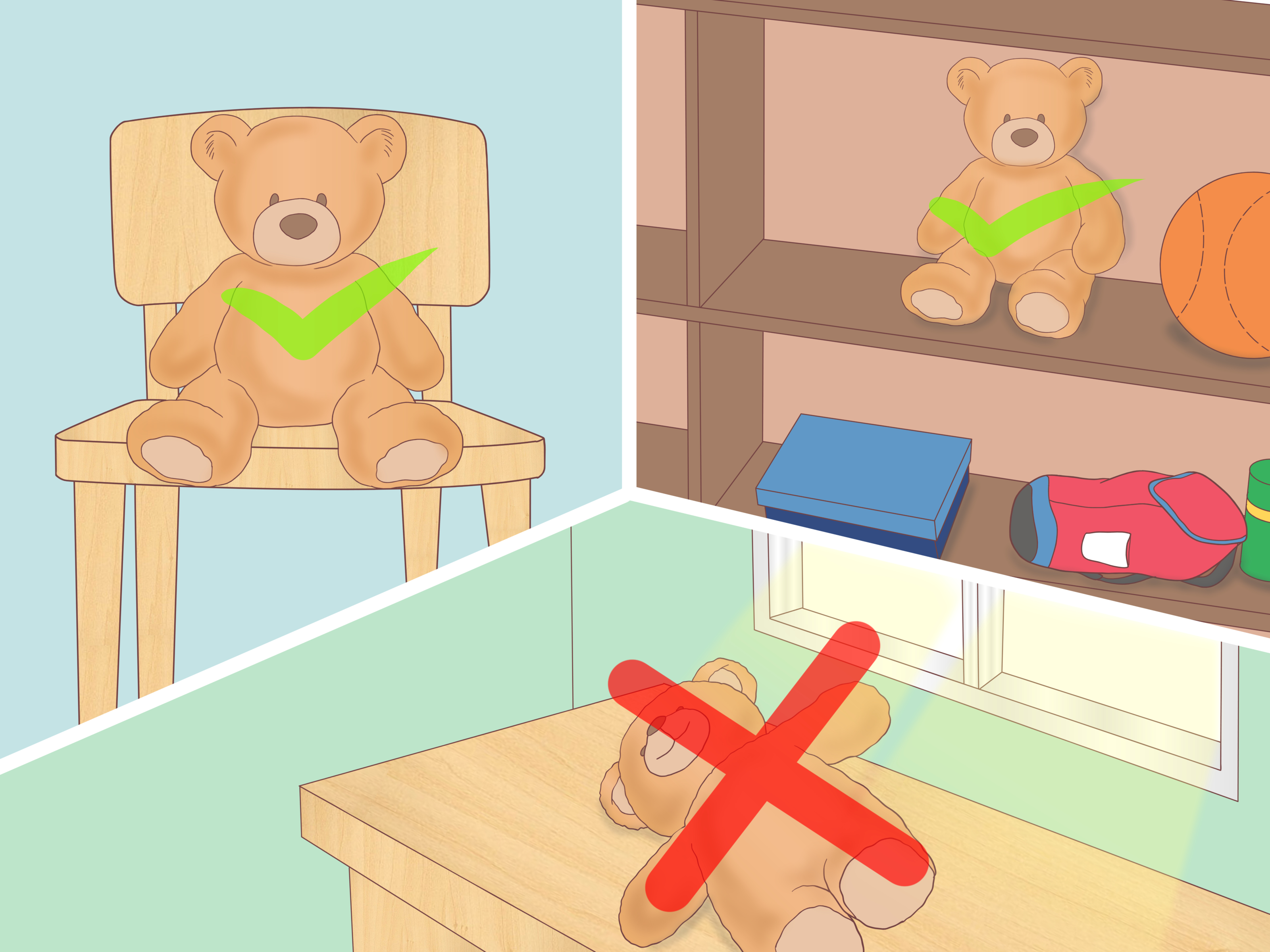
Storage matters, especially for bears that are seasonal, collectible, or sentimental. Clean the bear before storing it. Dirt and oils become harder to remove over time and may attract pests.
Place the teddy in a breathable cotton bag or acid-free storage box. Avoid airtight plastic bags for long-term storage because trapped moisture can lead to musty smells. Keep the bear in a cool, dry place away from direct sunlight.
If storing multiple plush toys, do not crush them under heavy items. A teddy bear buried beneath boxes may come out flat, bent, and emotionally betrayed. Give each bear enough space to keep its shape.
Teddy Bear Care for Kids
Children often form deep attachments to teddy bears, so cleaning the bear can feel like a major event. If a child worries about washing their favorite bear, make the process reassuring. Explain that the bear is getting a bath, not disappearing into a mysterious laundry portal.
You can involve kids in safe steps such as brushing fur, choosing a towel, or placing the bear in a pillowcase. For a bedtime bear, wash it early in the day so it has time to dry before night. If possible, have a backup comfort toy ready just in case drying takes longer than expected.
Common Teddy Bear Care Mistakes to Avoid
Using Hot Water
Hot water can damage fur, fade colors, and loosen glued decorations. Cold water is usually safer for plush toys.
Putting Every Bear in the Dryer
Dryers can be rough on teddy bears. Heat may ruin synthetic fur or change the bear’s shape. Air drying is the safer choice for most plush toys.
Overusing Detergent
Too much detergent leaves residue and can make fur feel stiff. Use a small amount of mild detergent and rinse well.
Ignoring Small Repairs
A tiny hole can become a major stuffing emergency. Repair seams, loose eyes, and weak stitching before cleaning.
Storing Bears While Damp
Never store a teddy bear until it is completely dry. Damp stuffing can create odors and mildew.
Extra Experience-Based Tips for Caring for Your Teddy Bear
After caring for many plush toys, one lesson becomes clear: teddy bears respond best to gentle routines, not dramatic rescue missions. The easiest way to keep a bear looking good is to handle small messes before they become big ones. A quick weekly brush, a lint roller session, and immediate spot cleaning can prevent most deep-cleaning emergencies.
One helpful trick is to create a “bear care kit.” Keep a soft brush, lint roller, mild detergent, white cloths, a mesh laundry bag, and a small sewing kit together. When a stain appears or a seam loosens, you will not have to search the house like a detective in a laundry-themed mystery movie.
Another useful habit is taking a photo of a special teddy before washing or repairing it. This helps you remember how the bow was tied, how the clothing fit, or how the fur naturally lay. It is especially helpful for collectible bears or bears with sentimental outfits.
If your teddy belongs to a child, timing matters. Never start a full wash right before bedtime unless you enjoy emotional chaos. Wash favorite bears in the morning and explain the plan: bath, towel rest, drying time, fluffing, reunion. Turning the process into a routine helps children feel calm and involved.
For bears that travel, pack them in a clean tote or pillowcase instead of tossing them directly into a backpack or suitcase. Travel exposes plush toys to floors, food crumbs, car seats, airplane trays, and the mysterious universe under hotel beds. A simple protective bag keeps the bear cleaner and easier to manage.
Sunlight can freshen a bear for a short time, but do not leave plush toys in strong sun for hours. Colors may fade, and some fabrics can become dry or brittle. A shaded, airy spot is usually better.
If a teddy bear has a scent, sound, or special internal feature, avoid soaking it. Surface clean slowly and carefully. Water inside electronic or scented components can cause damage, and replacement may not be easy. When in doubt, choose the gentlest method.
Finally, remember that not every sign of age is a flaw. A slightly worn paw, a soft faded belly, or a tiny repaired seam can be part of a teddy bear’s story. The goal of teddy bear care is not to make every bear look factory-new forever. The goal is to keep it clean, safe, comfortable, and loved for as long as possible.
Conclusion
Caring for your teddy bear is a simple mix of cleaning, drying, brushing, repairing, and storing with common sense. Check the care label first, use cold water and mild detergent when washing is allowed, avoid heat, and choose spot cleaning for delicate or electronic bears. Keep an eye on loose seams and small parts, especially if the bear belongs to a child.
With a little routine maintenance, your teddy bear can stay soft, clean, and cuddle-ready for years. After all, a good teddy bear has an important job: showing up for every nap, movie night, bad day, road trip, and blanket fort. The least we can do is return the favor with a gentle bath and a decent brushing.













