
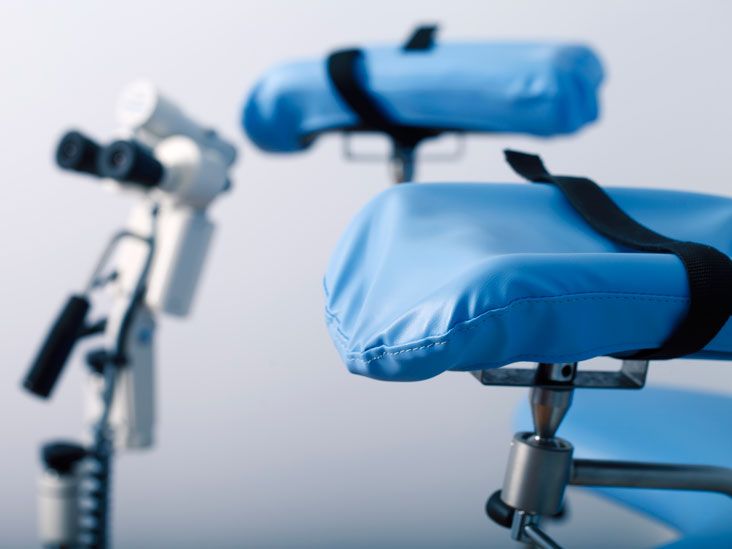
A pelvic exam may not rank among life’s most glamorous appointments. There are no snacks, no relaxing music, and the paper gown rarely makes anyone feel ready for the runway. Still, this short medical examination can provide valuable information about pelvic and reproductive health.
Healthcare professionals may recommend a pelvic examination when someone has unusual bleeding, pelvic pain, vaginal discharge, pain during sex, urinary symptoms, pregnancy-related concerns, or another gynecologic issue. It may also be performed before certain procedures. Contrary to a common assumption, however, a pelvic exam is not automatically required at every annual wellness visit.
Understanding what happens before, during, and after the exam can make the experience feel far less mysterious. This guide explains how to prepare, what each step involves, how to reduce discomfort, and what your results may mean.
What Is a Pelvic Exam?
A pelvic exam is a physical examination of the organs and tissues in the pelvic region. Depending on the reason for the appointment, a clinician may examine the vulva, vagina, cervix, uterus, ovaries, and surrounding structures.
The examination usually includes up to three main parts:
- A visual examination of the external genital area
- A speculum examination of the vagina and cervix
- A bimanual examination in which the clinician feels the internal pelvic organs
Not every patient needs every part. The clinician should tailor the examination to the person’s symptoms, health history, preferences, and reason for visiting.
A Pelvic Exam Is Not the Same as a Pap Test
The terms pelvic exam and Pap test are sometimes used as though they describe the same procedure, but they do not.
A pelvic exam evaluates pelvic anatomy through visual inspection and touch. A Pap test collects cervical cells to look for changes that could become cervical cancer. An HPV test checks for high-risk types of human papillomavirus associated with cervical cancer.
A Pap or HPV test may be performed during a speculum examination, but a person can have a pelvic exam without cervical cancer screening. Screening schedules also differ according to age, medical history, prior results, whether the cervix has been removed, and which professional guideline is being followed.
Why Might You Need a Pelvic Examination?
A clinician may recommend the exam to investigate symptoms or prepare for a procedure. Common reasons include:
- Abnormal, heavy, or unexplained vaginal bleeding
- Pelvic or lower abdominal pain
- Unusual vaginal discharge, odor, itching, or irritation
- Pain during sexual activity
- Urinary leakage, urgency, or difficulty urinating
- A feeling of pressure, heaviness, or a vaginal bulge
- Possible pelvic infection
- Pregnancy-related evaluation
- Concern about a cyst, fibroid, prolapse, or pelvic mass
- Placement of an intrauterine device, endometrial biopsy, or another pelvic procedure
An internal pelvic exam is generally not necessary simply to receive most forms of birth control. Exceptions can include fitting a diaphragm or cervical cap and placing an intrauterine device.
Do You Need a Pelvic Exam Every Year?
Not necessarily. Professional recommendations have moved away from treating an internal pelvic exam as a mandatory annual ritual for every asymptomatic person.
ACOG recommends performing pelvic examinations when indicated by symptoms or medical history. For people without symptoms, the decision can be made through a discussion with the clinician about individual risks, potential benefits, possible discomfort, and personal preferences.
An annual wellness appointment can still be useful even when no pelvic exam is performed. The visit may cover menstrual concerns, contraception, pregnancy planning, menopause, sexual health, vaccinations, mental well-being, and recommended health screenings. In other words, skipping an unnecessary internal exam does not mean skipping preventive care.
How to Prepare for a Pelvic Exam
Most pelvic examinations require little special preparation. You do not need to shave, wax, perfume, polish, or otherwise prepare your body for inspection. Medical professionals have seen normal human bodies before, including bodies that did not receive a spa treatment first.
1. Ask What the Appointment Will Include
When scheduling, ask whether the visit is expected to include only a pelvic exam or also a Pap test, HPV test, infection testing, ultrasound, biopsy, or another procedure. Preparation instructions can differ.
2. Consider Menstrual Timing
A pelvic exam can often be performed during a period. However, heavy menstrual bleeding may make cervical cell collection less convenient or affect some laboratory samples. Call the office if your period begins unexpectedly rather than canceling automatically.
Do not postpone care for abnormal bleeding simply because bleeding is occurring. The bleeding itself may be the reason an evaluation is needed.
3. Follow Instructions Before a Pap Test
When cervical cancer screening is planned, a clinician may recommend avoiding vaginal intercourse, tampons, douching, vaginal medicines, spermicides, and vaginal creams for about two days beforehand. These products or activities can interfere with the quality of the cell sample.
Douching is generally discouraged even when no test is scheduled because it can disturb the vagina’s natural balance and increase the risk of irritation or infection.
4. Empty Your Bladder
Using the restroom before the examination can reduce pressure and make the bimanual portion more comfortable. Ask whether a urine sample is needed before enthusiastically emptying everything; the clinic may want the sample first.
5. Write Down Important Information
Bring notes about:
- Your last menstrual period
- Changes in bleeding or discharge
- The location and timing of any pain
- Pregnancy possibility
- Current medicines and supplements
- Previous surgeries, pregnancies, infections, or abnormal screening results
- Questions you want answered
Specific descriptions help. “The pain appears on my left side after sex and lasts two hours” gives the clinician more useful information than “Things feel weird downstairs.” Both are valid starting points, but one offers a clearer map.
6. Discuss Anxiety, Trauma, or Previous Pain
Tell the healthcare professional before the exam if you have experienced sexual trauma, severe anxiety, vaginismus, painful examinations, gender dysphoria, or difficulty tolerating penetration. You do not have to provide personal details you are not ready to discuss.
You can request a clinician of a particular gender when available, ask for a chaperone or support person, request a smaller speculum, or arrange a separate consultation before agreeing to an examination.
What Happens During a Pelvic Exam?
The entire physical examination often takes only a few minutes, although the appointment may be longer because of conversation, testing, or other health concerns.
Step 1: Medical History and Consent
The clinician should explain why the exam is being recommended, what it will involve, and whether samples will be collected. This is your opportunity to ask questions and set boundaries.
Consent is not a one-time ceremonial “yes.” You can ask the clinician to pause, explain a step, change technique, or stop the examination completely at any point.
Step 2: Changing and Positioning
You will usually undress from the waist down and receive a gown, sheet, or drape. You will lie on your back with your knees bent and feet supported by footrests or placed near the edges of the examination table.
The famously awkward instruction to “slide down a little farther” may follow. Your instinct may insist that you are already close enough to the edge to begin an expedition, but the position helps the clinician perform the exam without making you twist or strain.
Step 3: External Examination
The clinician visually examines the vulva and surrounding skin. They may look for irritation, swelling, sores, lesions, discharge, skin changes, cysts, or signs of infection.
This part does not involve inserting an instrument. The clinician may gently separate folds of tissue to see the area more clearly.
Step 4: Speculum Examination
A speculum is a smooth plastic or metal instrument that gently holds the vaginal walls apart so the clinician can see the vagina and cervix. It is not designed to excavate ancient ruins, despite its intimidating appearance on the instrument tray.
The clinician applies lubricant and slowly inserts the closed speculum into the vagina. Once positioned, the instrument is opened slightly. You may feel stretching or pressure, but the procedure should not cause sharp or severe pain.
During this portion, the clinician may:
- Inspect the vaginal walls and cervix
- Collect cervical cells for a Pap or HPV test
- Take a swab to test for an infection
- Evaluate unexplained discharge or bleeding
The speculum is then closed and removed carefully.
Step 5: Bimanual Examination
For the bimanual exam, the clinician inserts one or two gloved, lubricated fingers into the vagina while pressing gently on the lower abdomen with the other hand.
This technique helps assess the size, shape, position, mobility, and tenderness of pelvic structures such as the uterus and ovaries. The clinician may also check for a mass, pelvic floor tension, or pain in a particular area.
Feeling an ovary or uterus does not allow a clinician to rule out every possible disorder. Ultrasound, blood tests, biopsy, or other imaging may be necessary when symptoms or findings require further investigation.
Step 6: Rectovaginal Examination, When Needed
A rectovaginal exam is not included routinely for everyone. It may be recommended when the clinician needs additional information about tissue behind the uterus, pelvic support, a mass, or certain symptoms.
The clinician inserts one lubricated finger into the vagina and another into the rectum while feeling the abdomen. They should explain why this step is useful and obtain permission before proceeding.
Does a Pelvic Exam Hurt?
A pelvic exam may feel awkward, cool, tight, or uncomfortable. Mild pressure or brief cramping can occur. Severe or sharp pain is not something you are expected to silently endure.
Tell the clinician immediately if something hurts. Pain can occur for many reasons, including vaginal dryness, infection, pelvic floor muscle tightening, vulvodynia, endometriosis, menopause-related tissue changes, a previous injury, or anxiety that causes involuntary muscle contraction.
Ways to Make the Exam More Comfortable
- Ask the clinician to explain each step before touching you.
- Request the smallest appropriate speculum.
- Ask for additional lubricant when compatible with planned testing.
- Take slow breaths and relax your jaw, abdomen, buttocks, and thighs.
- Keep your hands on your stomach or at your sides rather than gripping the table.
- Ask to change position if the standard position is painful.
- Agree on a word or hand signal that means “stop.”
- Ask whether you may insert the speculum yourself.
- Bring a trusted support person when clinic policy allows it.
Some people benefit from scheduling an appointment devoted only to discussing concerns. A good clinician would rather adjust the plan than turn a preventive visit into an endurance competition.
What Happens After the Examination?
After the exam, the clinician leaves the room so you can get dressed. You may notice a small amount of spotting after cervical cell collection, especially if the cervix is sensitive. Mild temporary cramping can also occur.
Visual and bimanual findings can often be discussed immediately. Pap, HPV, or infection-test results require laboratory processing and may arrive later through a patient portal, phone call, letter, or follow-up appointment.
Understanding Abnormal Results
An abnormal result does not automatically mean cancer or another serious disease. Abnormal cervical screening may reflect HPV-related cell changes that require monitoring, repeat testing, or a closer examination called colposcopy.
A tender area during the exam may suggest inflammation, infection, pelvic floor dysfunction, endometriosis, or another condition, but the physical examination alone may not identify the exact cause. Similarly, an enlarged or irregularly shaped uterus may lead to an ultrasound to evaluate possible fibroids or other structural changes.
When to Contact a Healthcare Professional
Seek medical advice after an exam if you experience:
- Heavy or persistent bleeding
- Severe or worsening pelvic pain
- Fever or chills
- Fainting or significant weakness
- Foul-smelling discharge
- Symptoms of an allergic reaction
These reactions are uncommon after a basic pelvic examination, but they deserve evaluation rather than an optimistic relationship with the “maybe it will disappear” strategy.
Special Considerations for Different Patients
First Pelvic Exam
A first gynecologic visit does not always require an internal examination. Adolescents and young adults without relevant symptoms may spend the appointment discussing periods, development, contraception, sexually transmitted infection prevention, HPV vaccination, or other concerns.
When an exam is recommended, the clinician should explain why it is needed and what alternatives may be available.
Pregnancy
A pelvic examination may be performed during prenatal care to assess the cervix, investigate bleeding or discharge, collect samples, or evaluate another concern. Not every prenatal visit requires one.
Menopause
Lower estrogen levels can make vaginal tissue thinner, drier, and more sensitive. Tell the clinician about dryness or previous discomfort. A smaller speculum, additional lubricant, slower insertion, or treatment for vaginal dryness may help.
Transgender and Nonbinary Patients
Anyone with relevant pelvic organs may need pelvic care, including transgender men and nonbinary people. Screening and evaluation should be based on anatomy, symptoms, surgical history, hormone use, age, and individual risknot assumptions about identity or sexual behavior.
Experiences That Can Make a Pelvic Exam Easier
The following scenarios are fictional composites based on concerns commonly discussed in pelvic healthcare. They are included to illustrate communication strategies, not to describe a universal patient experience.
The First Appointment: Replacing Mystery With a Running Commentary
Jordan arrived for a first pelvic exam with a list of questions and enough nervous energy to power the clinic’s lights. Rather than beginning immediately, the clinician showed Jordan the speculum, explained how it opened, and described which parts of the exam were optional.
Jordan requested a small plastic speculum and asked the clinician to announce each step before it happened. During insertion, the clinician reminded Jordan to release the knees outward rather than lifting the hips away from the table. The exam was not exactly a day at the beach, but it was shorter and less dramatic than Jordan had imagined.
The useful lesson was not that everyone should simply “relax.” That instruction can be about as effective as telling someone not to think about a dancing penguin. The helpful part was having information, control, and permission to pause.
The Painful Exam: Speaking Up Changed the Plan
Maria had experienced pain during previous pelvic exams and assumed discomfort was simply the price of admission. At a later appointment, she told a new clinician about the pain before changing into the gown.
The clinician used more lubricant, selected a smaller speculum, changed the angle of insertion, and stopped when Maria’s pelvic muscles tightened. The examination was completed gradually, and Maria received a referral for pelvic floor physical therapy because the pain also occurred during intercourse and tampon use.
Her experience illustrates an important point: pain is useful medical information. Reporting it is not complaining, failing the exam, or inconveniencing the clinician. Pain may reveal a condition that deserves assessment and treatment.
The Trauma-Informed Visit: Control Came First
Alex told the clinic that an internal exam might be difficult because of a past traumatic experience. Alex did not explain the trauma and was not pressured to do so.
The clinician arranged a consultation while Alex remained fully dressed. Together, they agreed that the clinician would ask permission before every step, keep Alex’s upper body raised, avoid unexpected touch, and stop immediately when Alex raised a hand. A support person remained in the room.
Alex ultimately chose to complete only the external and speculum portions that day. The bimanual exam was postponed because it was not urgently necessary. The appointment was still successful because the plan respected both medical needs and patient autonomy.
The Period Surprise: Calling Was Better Than Guessing
Sam’s period began on the morning of an appointment. Sam almost canceled but called the clinic first. Because the visit was intended to evaluate unusually heavy bleeding, the clinician wanted Sam to keep the appointment. The bleeding provided relevant information rather than creating a reason to delay care.
In another situation, such as routine cervical screening during a very heavy period, rescheduling might have made sample collection easier. The experience showed why calling the clinic is better than relying on a blanket rule from a friend, forum, or particularly confident social media video.
The Most Common Takeaway: The Conversation Matters
People often focus on the speculum because it is the most recognizable part of the procedure. Yet many positive experiences begin before any instrument appears. A clinician who explains the reason for the exam, listens to concerns, uses appropriate equipment, and responds to pain can change the entire appointment.
Patients also play an active role by describing symptoms honestly, asking questions, requesting accommodations, and remembering that consent remains in effect only while they continue to agree. A pelvic exam should be a collaborative medical assessmentnot something that simply happens to a silent person in a paper gown.
Conclusion
A pelvic exam is a brief physical assessment that can help evaluate abnormal bleeding, pelvic pain, discharge, infection symptoms, urinary problems, pregnancy concerns, and changes in pelvic anatomy. It may include an external inspection, a speculum examination, and a bimanual examination, but the exact steps should reflect the medical reason for the visit.
Preparation is usually simple: understand what tests are planned, follow any Pap-test instructions, empty your bladder when appropriate, record your symptoms, and discuss anxiety or previous pain in advance. During the examination, pressure may be normal, but severe pain is not. You can ask questions, request adjustments, pause the process, or withdraw consent at any time.
Most importantly, a pelvic examination is not identical to cervical cancer screening and is not automatically necessary at every wellness visit. The decision should be based on symptoms, health history, professional recommendations, and a shared conversation with a trusted healthcare professional.














