
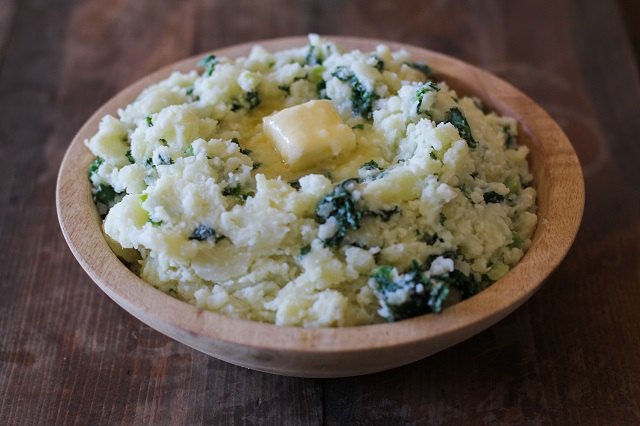
Mashed potatoes are already excellent comfort food, but Ireland looked at the bowl and decided it needed butter, tender cabbage, and scallions. That inspired decision gave us colcannon: a rustic Irish mashed potato dish that is creamy, savory, pleasantly green, and far more interesting than ordinary mashed spuds.
This easy colcannon recipe combines fluffy potatoes with buttery cabbage and fresh green onions. It requires no exotic equipment, works with affordable ingredients, and pairs with everything from roast chicken to a humble fried egg. Better yet, it is forgiving enough for a weeknight while still looking perfectly at home on a holiday table.
What Is Colcannon?
Colcannon is a traditional Irish dish made by mixing mashed potatoes with cooked cabbage or kale. Butter, milk, scallions, leeks, or onions typically add richness and flavor. Some family recipes also include bacon or ham, although meat is not required.
The exact combination varies by household and region. One cook may swear by curly kale, another may reach for tender Savoy cabbage, and a third may insist that a generous crater of melting butter is the most important ingredient. That last cook has a compelling argument.
Although Americans often serve Irish mashed potatoes for St. Patrick’s Day, colcannon has a strong historical association with Halloween in Ireland. In earlier celebrations, charms were sometimes hidden in the potatoes as playful predictions of marriage or future fortune. Modern cooks should keep coins and rings out of dinner, unless the evening’s theme is “unexpected visit to the dentist.”
Why This Irish Mashed Potatoes Recipe Works
Successful colcannon depends on balancing three textures: fluffy potatoes, tender greens, and creamy dairy. The potatoes should remain light instead of turning gummy, while the cabbage needs enough cooking to soften without becoming watery or dull.
This recipe gets that balance right by cooking the potatoes and cabbage separately. The drained potatoes are briefly dried in their hot pot, removing surface moisture. Meanwhile, the cabbage is sautéed in butter rather than boiled, concentrating its flavor and preventing excess water from sneaking into the mash.
Warm milk is added gradually because it blends into hot potatoes more readily than refrigerator-cold dairy. Finally, the vegetables are folded in gently. Vigorous beating may be useful for cake batter, but potatoes interpret it as an invitation to become wallpaper paste.
Best Potatoes for Colcannon
Yukon Gold Potatoes
Yukon Gold potatoes have a naturally buttery flavor and a moderately starchy texture. They produce creamy mashed potatoes with enough structure to support the cabbage. They are the best all-around choice for this recipe.
Russet Potatoes
Russets contain more starch and produce a lighter, fluffier mash. They absorb milk and butter beautifully, but they can become gummy when overworked. Handle them gently with a ricer or handheld masher.
Using a Combination
For a mash that is both fluffy and creamy, use equal amounts of russet and Yukon Gold potatoes. Avoid relying entirely on very waxy potatoes unless you prefer a dense, rustic texture.
Traditional Colcannon Recipe
Prep time: 20 minutes
Cook time: 30 minutes
Total time: 50 minutes
Yield: 6 servings
Ingredients
- 2 pounds Yukon Gold potatoes or a mixture of Yukon Gold and russet potatoes
- 1 tablespoon kosher salt for the cooking water, plus more to taste
- 6 tablespoons unsalted butter, divided
- 1 small head Savoy or green cabbage, cored and thinly sliced, about 5 cups
- 4 scallions, white and green portions separated and thinly sliced
- 3/4 cup whole milk, plus more as needed
- 1/2 teaspoon freshly ground black pepper
- Optional: 4 slices cooked bacon, crumbled
Equipment
- Large saucepan or Dutch oven
- Large skillet
- Colander
- Potato masher or potato ricer
- Small saucepan or microwave-safe measuring cup
Step 1: Prepare the Potatoes
Peel the potatoes and cut them into evenly sized 1 1/2-inch chunks. Uniform pieces cook at approximately the same rate, preventing a mixture of collapsing edges and stubbornly crunchy centers.
Place the potatoes in a large saucepan and cover them with cold water by about 1 inch. Add 1 tablespoon of kosher salt. Starting with cold water allows the centers and exteriors to heat more evenly.
Step 2: Cook Until Completely Tender
Bring the water to a boil over medium-high heat. Reduce the heat and maintain a steady simmer for 15 to 20 minutes. The potatoes are ready when a paring knife slides into the center without resistance.
Drain the potatoes thoroughly. Return them to the hot, empty pot and place it over low heat for about one minute, shaking gently. This evaporates lingering moisture and helps the potatoes absorb the butter and milk instead of tasting watery.
Step 3: Sauté the Cabbage
While the potatoes cook, melt 2 tablespoons of butter in a large skillet over medium heat. Add the white portions of the scallions and cook for one minute.
Add the sliced cabbage and a small pinch of salt. Cook for 8 to 10 minutes, stirring regularly, until the cabbage is tender and lightly golden around some edges. If the skillet becomes dry before the cabbage softens, add one or two tablespoons of water and cover it for two minutes.
Do not cook the cabbage into complete surrender. A little texture keeps the finished colcannon lively.
Step 4: Warm the Milk and Butter
Combine the milk with 3 tablespoons of butter in a small saucepan. Warm it over low heat until the butter melts and the milk begins to steam. Do not boil it.
Alternatively, heat the mixture in a microwave-safe cup in short intervals. Warm dairy incorporates smoothly and helps the potatoes remain hot during mixing.
Step 5: Mash Gently
Pass the cooked potatoes through a ricer or mash them by hand until no large lumps remain. Do not use a blender or food processor. Their fast blades rupture too many starch cells, transforming fluffy potatoes into a strangely elastic substance with possible industrial applications.
Pour approximately two-thirds of the warm milk mixture over the potatoes. Fold gently with a sturdy spoon or flexible spatula. Add the remaining liquid gradually until the potatoes reach a soft, creamy consistency. Different potato varieties absorb different amounts, so let texturenot stubborn loyalty to the measuring cupmake the final decision.
Step 6: Finish the Colcannon
Fold the cooked cabbage and most of the scallion greens into the mashed potatoes. Add the bacon now if using. Season with black pepper and additional salt to taste.
Spoon the colcannon into a warm serving bowl. Make a shallow well in the center, add the final tablespoon of butter, and scatter the remaining scallions over the top. Serve while the butter is melting into a small golden lake.
Cabbage, Kale, or Both?
Both cabbage and kale are traditional choices for Irish mashed potatoes. Green cabbage has a mild flavor and retains a gentle bite. Savoy cabbage is softer, sweeter, and cooks particularly quickly. Kale contributes deeper color and a more pronounced earthy taste.
To substitute kale, remove the tough stems and slice the leaves into thin ribbons. Cook them for 6 to 8 minutes, or until tender. You can also use half cabbage and half kale for contrasting colors and textures.
Leeks are another useful addition. Clean them carefully because soil enjoys hiding between the layers. Thinly slice the white and pale-green portions, then sauté them with the cabbage until sweet and tender.
Useful Variations
Colcannon With Bacon
Cook four to six slices of chopped bacon until crisp. Remove the bacon and sauté the cabbage in one or two tablespoons of the rendered fat. Fold the crisp pieces into the finished potatoes. Reduce the added salt until after tasting.
Vegetarian Colcannon
The primary recipe is already vegetarian. For extra savory depth without meat, caramelize one sliced leek with the cabbage or add a small spoonful of whole-grain mustard.
Vegan Colcannon
Replace butter with a flavorful plant-based butter and use unsweetened oat milk or another neutral nondairy milk. Avoid vanilla-flavored milk unless dessert potatoes are somehow the goal.
Garlic Colcannon
Add two finely chopped garlic cloves to the scallions and cook for about 30 seconds before adding the cabbage. Garlic is not essential to traditional versions, but it makes a delicious modern variation.
Common Colcannon Mistakes
- Starting potatoes in boiling water: The outsides may soften before the centers cook. Begin with cold water.
- Undercooking the potatoes: Potatoes that resist a knife will also resist smooth mashing.
- Skipping the drying step: Surface water dilutes flavor and can produce loose mashed potatoes.
- Adding cold milk: Cold dairy cools the dish and does not blend as easily.
- Overmixing: Excessive stirring releases starch and creates a gluey texture.
- Folding in wet cabbage: Drain steamed or boiled greens thoroughly before adding them.
- Seasoning only at the end: Salt the potato water and lightly season the vegetables, then make final adjustments.
What to Serve With Irish Mashed Potatoes
Colcannon is hearty enough to become the center of a simple meal, but it also excels as a side dish. Serve it with roasted chicken, baked ham, pan-seared salmon, pork chops, Irish sausages, beef stew, or braised short ribs.
For a meatless dinner, pair it with roasted mushrooms, glazed carrots, lentil patties, or a fried egg with a runny yolk. The potatoes also make a flavorful topping for shepherd’s pie. At breakfast, leftover colcannon is excellent beside eggs and sautéed tomatoes.
Make-Ahead, Storage, and Reheating Instructions
Colcannon tastes best immediately after preparation, but it can be made up to one day ahead. Transfer it to a buttered baking dish, cover, and refrigerate. To serve, add a few spoonfuls of milk, cover with foil, and warm in a 325°F oven until heated through.
Refrigerate leftovers in an airtight container within two hours of cooking and use them within three to four days. Reheat only the amount needed. A saucepan over low heat works well; add a splash of milk and a small piece of butter, then stir occasionally until the potatoes are thoroughly hot. Microwave individual servings in short intervals, stirring between each one.
Cold leftovers can also become potato cakes. Shape the colcannon into patties, dust lightly with flour, and pan-fry in butter or oil until the exteriors are crisp and browned.
Kitchen Experiences and Lessons From Making Colcannon
The first experience many cooks have with colcannon begins with a reasonable but misleading thought: it is only mashed potatoes with cabbage, so everything can probably be thrown into one pot. The result may still be edible, but boiled cabbage releases moisture while lending the potatoes a flat, overly vegetal flavor. Cooking the greens separately takes one additional skillet, yet the reward is sweeter cabbage, richer butter flavor, and much better control over texture.
Potato selection creates another noticeable lesson. A batch made entirely with russets feels cloudlike and absorbs an impressive amount of dairy. It also moves from fluffy to sticky quickly when stirred too enthusiastically. Yukon Gold potatoes produce a denser, naturally creamy result and forgive a little extra mixing. Combining the two is especially useful when serving guests: the russets provide lift, while the yellow potatoes contribute flavor and stability.
The most revealing moment occurs when seasoning the finished dish. Potatoes absorb salt with astonishing enthusiasm, and cabbage needs seasoning of its own. A batch may taste properly salted before the vegetables are added and oddly muted afterward. Salting the cooking water, seasoning the cabbage lightly, and tasting again after everything is folded together produces more balanced results than dumping a heroic amount of salt over the final bowl.
Texture preferences tend to split the table. Some diners want potatoes as smooth as velvet, while others prefer rustic pieces of potato and visible ribbons of greens. A ricer produces the smoothest base, but a handheld masher makes colcannon feel more traditional and substantial. Neither is wrong. The real enemy is the electric blender, which can turn a pleasant side dish into something capable of clinging to an upside-down spoon.
Serving also changes the experience. Colcannon placed in a cold bowl loses heat quickly because mashed potatoes have a remarkable talent for becoming lukewarm just as everyone sits down. Warming the serving bowl with hot water, drying it, and then adding the potatoes buys useful time. The central well of butter is more than decoration: every spoonful can collect a little melted richness.
Finally, leftovers demonstrate how adaptable this Irish potato recipe can be. Chilled colcannon becomes firm enough to shape into cakes, and a few minutes in a skillet creates crisp edges around a creamy center. It can also thicken soup or top a savory pie. That versatility makes an intentionally oversized batch entirely defensible. Calling it “meal preparation” sounds more responsible than admitting you simply wanted another bowl.
Final Thoughts
Learning how to make Irish mashed potatoes requires no secret techniquejust well-cooked potatoes, properly softened greens, warm dairy, and a gentle hand. Colcannon turns inexpensive ingredients into a side dish that tastes generous and celebratory.
Use cabbage, kale, or both. Add bacon if the occasion calls for it, or keep the dish vegetarian. Whatever variation reaches the table, remember the most important traditional finishing touch: make room for the butter.













