
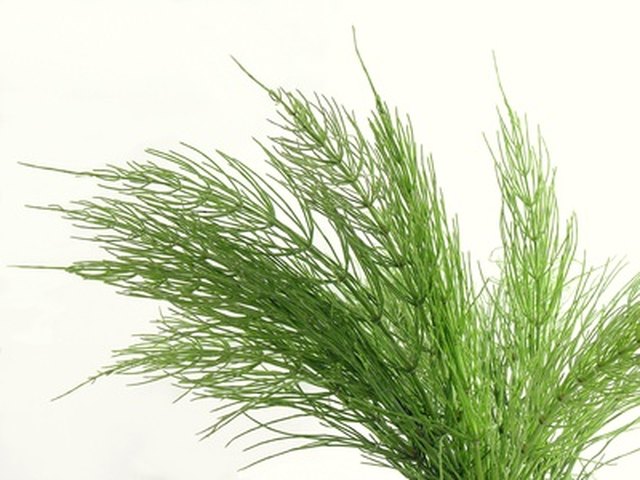
With its upright green stems, dark jointed bands, and clean architectural shape, the horsetail plant looks like bamboo designed by a minimalist. It is striking, prehistoric, and almost comically difficult to discourage once it becomes comfortable.
Fortunately, caring for horsetail is not complicated. The plant rarely complains about wet feet, tolerates several soil types, and generally avoids serious pest problems. The real challenge is not keeping it alive. The challenge is keeping it where you planted it.
This guide explains how to care for a horsetail plant, including its light, water, soil, fertilizer, pruning, propagation, winter, container, and spread-control requirements. It also covers the practical lessons that prevent an elegant accent plant from becoming the unofficial landlord of your backyard.
What Is a Horsetail Plant?
Horsetail belongs to the genus Equisetum, a group of ancient, non-flowering plants related to ferns. Instead of producing flowers and seeds, horsetails reproduce through spores and underground rhizomes.
The species most commonly sold as an ornamental plant is Equisetum hyemale, frequently called scouring rush, rough horsetail, or horsetail rush. It produces hollow, unbranched, segmented stems that usually grow approximately 2 to 4 feet tall, although growing conditions and related species can produce shorter or taller plants.
Each stem contains vertical ridges rich in silica. Historically, these rough stems were used to scrub cookware and polish wood, which explains the name “scouring rush.” It was essentially an old-fashioned scrub pad that grew beside the pond and never needed batteries.
Do not confuse ornamental scouring rush with field horsetail, Equisetum arvense. Field horsetail typically develops branched, feathery green shoots that resemble tiny pine trees. Both plants can spread aggressively, but the straight, bamboo-like appearance of scouring rush makes it more popular in modern landscape designs.
Horsetail Plant Care at a Glance
| Care Category | Recommended Conditions |
|---|---|
| Common botanical name | Equisetum hyemale |
| Light | Full sun to partial shade |
| Water | Consistently moist or wet soil |
| Soil | Clay, loam, sand, or aquatic planting medium |
| Typical height | Approximately 2 to 4 feet |
| Hardiness | Generally USDA zones 4 through 9 |
| Fertilizer | Usually unnecessary or very light |
| Propagation | Division of rhizomes |
| Main maintenance issue | Aggressive underground spread |
| Best growing method | A sturdy, contained pot or water-garden container |
How Much Light Does Horsetail Need?
Horsetail performs well in full sun or partial shade. A location receiving at least four to six hours of direct sunlight generally produces sturdy, upright stems and dense growth. It can tolerate more shade, but deeply shaded plants may become thinner, less vigorous, or inclined to lean toward the nearest bright opening.
Outdoor Light
In mild climates, full sun is usually suitable as long as the soil remains wet. In regions with extremely hot summers, morning sun followed by light afternoon shade can reduce heat stress and slow water loss from containers.
Remember that sunlight and moisture work as a team. A horsetail plant in strong sun may thrive when its roots remain wet but struggle when its container repeatedly dries out. The problem is not necessarily “too much sun.” It may simply be “not enough swamp.”
Indoor Light
Horsetail can be grown indoors temporarily or in a bright sunroom, but it is generally better suited to outdoor conditions. Place an indoor specimen near a bright south- or west-facing window and rotate the container periodically to maintain even growth.
Weak, pale, or leaning stems often indicate insufficient light. A full-spectrum grow light may help when natural sunlight is limited, especially during winter.
Watering a Horsetail Plant
Consistent moisture is the most important part of horsetail plant care. This species naturally inhabits wetlands, stream banks, ditches, pond margins, and other damp environments. Unlike many common houseplants, horsetail does not expect the soil to dry between waterings.
Keep the Soil Continuously Moist
Water whenever the surface begins to lose its glossy moisture. In warm weather, a container-grown plant may require water every day. Small pots, porous terra-cotta containers, wind, and intense sunlight all increase the rate at which the growing medium dries.
Horsetail can also grow in shallow standing water. Established plants may tolerate several inches of water above the soil line, making them suitable for pond edges and container water gardens.
Can You Overwater Horsetail?
Overwatering is rarely the primary problem when the plant is growing in an appropriate aquatic or moisture-retentive medium. However, foul-smelling water, decomposing organic matter, or severely compacted potting mix can create unhealthy conditions.
Refresh stagnant water when necessary, remove rotting debris, and avoid filling a sealed container with rich compost that quickly turns into unpleasant sludge. Horsetail likes wetlands, not a forgotten soup experiment.
Signs of Insufficient Water
Dry conditions may cause brown stem tips, yellowing, stalled growth, thin new shoots, or stems that become crisp and collapse. A severely dry root ball can be difficult to rehydrate evenly, so prevention is easier than rescue.
Choosing the Best Soil
Horsetail adapts to clay, loam, sand, gravelly soil, and many ordinary garden soils. Moisture retention matters more than achieving a luxurious, nutrient-rich mixture.
For a conventional container, use a dense moisture-retentive blend containing garden loam, mineral soil, and a modest amount of organic matter. Avoid an extremely light mix composed mainly of bark and perlite because it may dry too quickly and allow the container to become top-heavy.
For a pond or water-garden container, use heavy aquatic plant soil or clay-based loam. Lightweight commercial potting soil may float away, cloud the water, or escape through the planting basket.
Soil pH
Horsetail tolerates a broad range of soil conditions. Depending on the species and location, it can occur in acidic, neutral, or somewhat alkaline soils. For an ornamental container, ordinary loam with a roughly neutral pH is usually adequate.
Do not continuously amend the soil in an attempt to create a magical formula. Horsetail survived geological eras without boutique soil additives. It can probably manage without twelve different bottles lined up in the garage.
Why Horsetail Should Usually Be Grown in a Container
Horsetail spreads primarily through creeping underground rhizomes. These rhizomes can travel beyond the original planting area, produce new stems, and establish dense colonies. Small rhizome fragments left in the soil may develop into new plants.
For this reason, the safest way to grow horsetail is in a strong container with solid walls. A watertight planter is especially useful because it retains moisture while preventing rhizomes from escaping through drainage holes.
Selecting a Container
Choose a container at least 12 to 18 inches wide and deep enough to support the plant’s rhizome system. Heavy ceramic, glazed pottery, thick plastic, fiberglass, concrete, or metal can work well.
Avoid fragile nursery pots for permanent use. Vigorous rhizomes may circle the root ball, push against weak walls, or emerge through drainage openings. Inspect the pot several times during the growing season.
Placing a Pot in a Pond
Horsetail can be grown in a submerged pot near the shallow edge of a pond. Position the container securely so that the crown and lower stems remain at an appropriate depth. Check for rhizomes climbing over the rim or growing through openings in aquatic baskets.
Even when the pot is submerged, containment still matters. A pond does not turn an aggressive plant into a polite plant. It merely gives it waterfront property.
Planting in the Ground
Planting horsetail directly in garden soil should be approached cautiously. Standard edging is often too shallow to stop underground growth. If an in-ground planting is essential, use a deep, durable rhizome barrier and monitor the surrounding area regularly.
Never install horsetail beside a natural waterway, drainage channel, neighboring property line, or sensitive habitat unless its behavior and local status have been thoroughly evaluated.
How to Plant Horsetail
- Select a wide, sturdy container that can retain water.
- Add heavy loam or aquatic planting soil.
- Position the rhizomes at approximately the same depth at which they were previously growing.
- Firm the soil gently around the roots.
- Water thoroughly until the entire growing medium is saturated.
- Place the container in full sun or partial shade.
- Inspect the rim and surrounding area frequently for escaping shoots.
Leave some space between the soil surface and the top of the container. This makes watering easier and helps reveal rhizomes attempting a daring escape over the rim.
Fertilizing Horsetail
Horsetail is not a heavy feeder. In many situations, no fertilizer is required. Excessive feeding can stimulate rapid growth, increase maintenance, and create stems that are tall but less sturdy.
If a long-established container plant becomes pale despite receiving adequate water and light, apply a diluted balanced liquid fertilizer once during active growth. Begin with one-quarter to one-half of the label-recommended strength.
Do not fertilize a plant growing beside natural water. Nutrient runoff can encourage algae and disrupt aquatic ecosystems. When in doubt, skip the fertilizer and observe the plant. Horsetail is more likely to plot an expansion than suffer a dramatic nutritional crisis.
Pruning and Grooming
Horsetail does not require elaborate pruning. Remove broken, yellow, brown, or leaning stems by cutting them close to the soil line with clean pruning shears.
Individual damaged sections do not repair themselves. Cutting halfway down a stem usually leaves an awkward-looking green tube, so removing the entire stem generally produces a cleaner appearance.
Seasonal Cutting
In colder climates, stems may brown or die back during winter. Cut old growth close to the ground in late winter or early spring before new shoots emerge. In mild regions, many stems remain green throughout the year, so selective removal may be all that is necessary.
Removing Spore Cones
Small cone-like structures may appear at the tops of fertile stems. Removing them before spores mature may reduce one method of reproduction, but it does not stop rhizome spread. Controlling the underground growth remains the priority.
Propagating a Horsetail Plant
Division is the easiest and most dependable propagation method. Although horsetail produces spores, growing it from spores is slower, less predictable, and unnecessary for most gardeners.
Propagation by Division
- Remove the plant from its container in spring or early summer.
- Use a clean, sharp knife or spade to divide the rhizome mass.
- Make sure each section contains healthy rhizomes, roots, and several stems or growth buds.
- Replant the divisions immediately in wet soil.
- Keep the new containers consistently saturated while the divisions establish.
Dispose of unwanted rhizomes carefully. Do not toss living pieces into compost, wet ditches, or natural areas. Dry them completely or follow local recommendations for invasive plant material.
Winter Care
Scouring rush is a cold-hardy perennial in many parts of the United States. In approximately USDA zones 4 through 9, an established in-ground plant generally survives winter through its rhizomes, even when exposed stems become unattractive.
Container plants experience colder root temperatures than plants growing in the ground. In the colder end of the plant’s range, move the container to a protected location, group it with other pots, wrap the outside with insulating material, or temporarily sink it into the ground.
Do not allow the root ball to become completely dry during winter. Dormant plants use less water, but the rhizomes still benefit from moist soil.
Indoor overwintering is possible in a cool, bright location. Avoid placing the plant beside a heating vent, where warm, dry air can turn elegant stems into prehistoric drinking straws.
Common Horsetail Plant Problems
Brown Stem Tips
Brown tips commonly result from inconsistent moisture, hot drying wind, fertilizer salts, mineral buildup, or the natural aging of individual stems. Check the soil first. If it is dry, increase watering frequency.
Yellow Stems
Older stems may yellow naturally before dying. Widespread yellowing can be associated with drought, severely crowded rhizomes, poor light, stagnant decomposing soil, or excessive fertilizer.
Leaning or Flopping Stems
Weak stems may develop in low light or after heavy fertilization. Move the container to brighter conditions and avoid high-nitrogen feeding. Crowded plants may also benefit from division.
No New Growth
Slow growth may occur during cold weather or after the root zone has dried. Confirm that the rhizomes remain firm and alive, then restore consistent moisture and warmth.
Aggressive Spreading
Unexpected shoots outside the intended area indicate escaping rhizomes or, less commonly, new plants developing from spores. Remove young shoots immediately and trace them back to the underground source when possible.
Pests and Diseases
Horsetail generally has few serious insect or disease problems. Its silica-rich stems are not especially appealing to many browsing animals. Occasional damage is more likely to result from environmental stress than from a major pest infestation.
Is Horsetail Toxic?
Horsetail should not be treated as an edible ornamental plant. Some Equisetum species contain compounds that can be harmful to livestock, particularly when large quantities are consumed repeatedly or become mixed into hay.
Keep the plant away from grazing animals and discourage dogs, cats, and children from chewing the stems. Anyone concerned about possible ingestion should contact a veterinarian, physician, or appropriate poison-control service rather than relying on home remedies.
Wear gloves when dividing or removing mature plants if the rough stems irritate your skin. The silica-containing ridges can feel surprisingly abrasive.
Ways to Use Horsetail in Landscape Design
When properly contained, horsetail can be an exceptional design plant. Its vertical stems create rhythm, height, and contrast without colorful flowers competing for attention.
- Use it as a geometric accent in a modern patio container.
- Place it beside a pond, fountain, or reflecting pool.
- Combine it with smooth stone, concrete, steel, or dark pottery.
- Use a row of identical containers to create a living privacy screen.
- Grow it in a rain-garden container where moisture remains reliable.
- Pair it with broad-leaved plants for strong textural contrast.
Avoid combining horsetail with delicate plants in the same pot. Its vigorous rhizomes can crowd slower-growing companions. A solo container also emphasizes its clean, sculptural form.
Experience-Based Lessons From Caring for Horsetail
The following practical observations reflect patterns gardeners commonly encounter when growing horsetail in containers, patios, ponds, and wet landscape areas.
Lesson 1: The First Pot Is Often Too Small
A young horsetail plant purchased from a nursery may look modest enough to fit comfortably in a small decorative pot. For the first few weeks, everything appears civilized. Then new stems begin appearing against the container wall, the rhizomes circle the soil, and the plant starts behaving as though it has received planning permission for a high-density development.
Moving it into a wider, heavier container early usually makes maintenance easier. The extra soil volume holds moisture longer, keeps tall stems stable in wind, and provides enough room to divide the plant without performing root surgery every few months.
Lesson 2: Consistent Water Produces Better-Looking Stems
Horsetail may survive occasional dryness after becoming established, but survival and appearance are different standards. Plants allowed to alternate between flooded soil and complete dryness often develop brown tips, uneven growth, or yellowing stems.
A container that retains a shallow reservoir of water tends to produce straighter and more uniform growth. During hot weather, checking the plant every morning is more reliable than following a rigid weekly schedule. Weather does not consult your calendar, and neither does evaporation.
Lesson 3: One Escape Deserves Immediate Attention
The first unexpected shoot beside a container may seem harmless. It is small, green, and almost charming. Ignoring it, however, gives an underground rhizome time to establish additional growth.
Experienced gardeners inspect beneath pots, around drainage openings, along pond liners, and near cracks in paving. Catching one escaping rhizome early may require five minutes. Finding a colony a year later may require repeated cutting, digging, monitoring, and several conversations containing words unsuitable for a family gardening website.
Lesson 4: More Fertilizer Is Not More Care
Horsetail often looks so simple that new growers assume it must require regular feeding to stay green. In reality, generous fertilizer may create rapid, soft growth without improving the plant’s shape.
A lightly fed or unfertilized specimen in bright light and wet soil frequently looks better than one receiving monthly doses of high-nitrogen fertilizer. When stems are pale, it is sensible to check sunlight, moisture, water quality, and root crowding before reaching for plant food.
Lesson 5: Annual Division Prevents a Future Wrestling Match
A mature horsetail container becomes increasingly difficult to divide as the rhizomes pack together. Waiting several years can produce a root mass that seems to have been manufactured from cable, rubber, and ancient determination.
Checking the root system every spring or two keeps the plant manageable. Remove the container, divide congested sections with a sturdy blade, retain the healthiest pieces, and repot them in fresh loam. This process renews the planting while controlling its size.
Lesson 6: The Simplest Display Is Often the Best
Horsetail does not need a complicated plant combination. A dense stand of green stems in one large dark container can look polished, contemporary, and deliberate. Adding too many companion plants may create competition at root level and visual clutter above the soil.
The most successful displays often rely on contrast: vertical green stems against a pale wall, a matte black pot beside reflective water, or a simple row of containers along a walkway. The plant already has a dramatic personality. It does not need backup dancers.
Final Thoughts on Horsetail Plant Care
Caring for a horsetail plant is straightforward when its natural preferences are respected. Give it full sun or partial shade, maintain consistently wet soil, avoid excessive fertilizer, and remove old stems when they become unattractive.
Containment is the essential step. Grow horsetail in a sturdy pot, inspect the container regularly, divide crowded rhizomes, and remove escaped shoots immediately. These precautions allow you to enjoy the plant’s bold, prehistoric beauty without beginning a multiyear campaign to reclaim your garden.
Horsetail may be ancient, but its care routine is refreshingly modern: plenty of water, minimal fuss, and very clear boundaries.













