
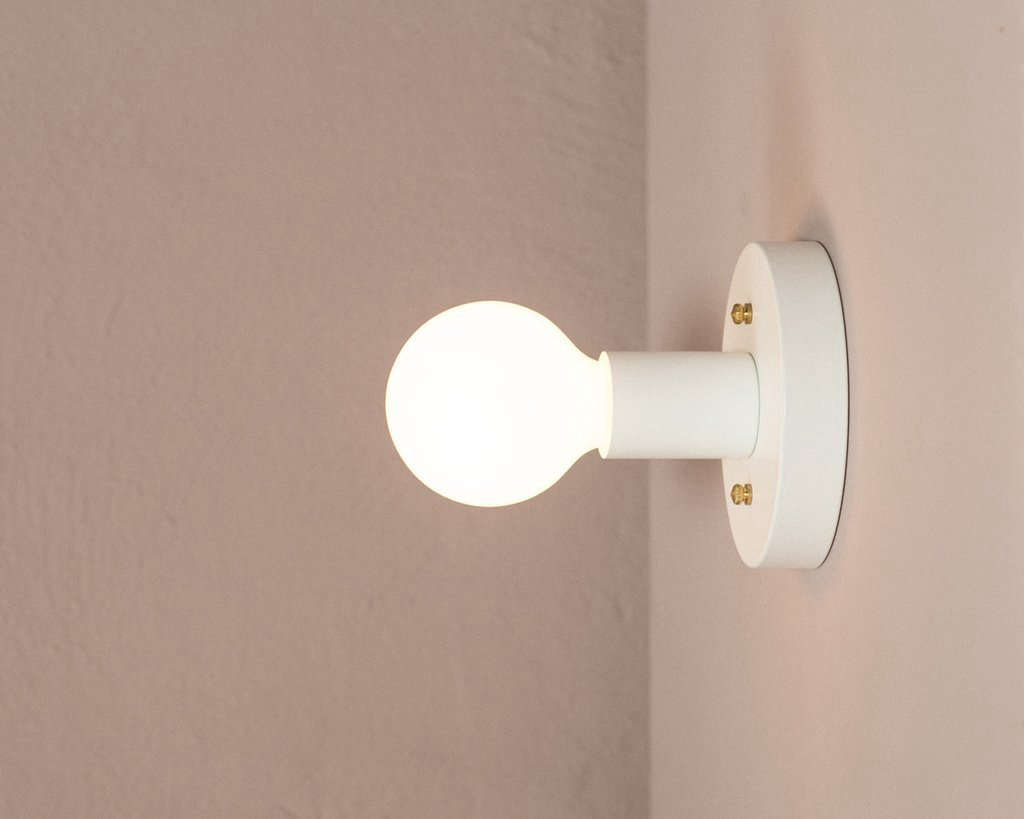
Some light fixtures try very hard to be noticed. They arrive dripping in crystals, waving twelve arms around, and generally behaving like they have a publicist. Shaker-inspired lighting takes the opposite approach. It is quiet, useful, beautifully proportioned, and perfectly comfortable letting the room do most of the talking.
That is why the lighting associated with Vancouver’s Old Faithful Shop feels so compelling. Its appeal is not rooted in visual fireworks. Instead, it comes from a thoughtful mix of clean forms, honest materials, practical details, and warm illumination. The result is lighting that feels modern without being chilly, handmade without being precious, and minimal without looking like it forgot to get dressed.
Old Faithful Shop has long been known for curating home goods with lasting character. Its current lighting philosophy emphasizes clean forms, honest materials, warm light, and everyday functionan approach that naturally overlaps with the values behind Shaker design.
Why Shaker-Inspired Lighting Still Feels So Fresh
Shaker design is often reduced to a few visual shortcuts: wood pegs, ladder-back chairs, spare cabinetry, and rooms that appear incapable of hosting a junk drawer. But the deeper idea is more interesting. The Shaker tradition prioritized purpose, quality craftsmanship, clarity, and objects that improved daily life rather than merely decorated it.
Historically, Shaker interiors favored utility over excessive ornament. Furniture, tools, and architectural details were designed to work well, age gracefully, and contribute to an orderly environment. Modern designers still return to these principles because the style is adaptable. A simple, well-made object can sit comfortably in a traditional home, a Scandinavian-inspired apartment, a modern farmhouse kitchen, or a city loft full of books and questionable houseplants.
When applied to lighting, Shaker influence does not mean reproducing an eighteenth-century lantern and hoping for the best. It means choosing fixtures with visual restraint. Think rounded steel housings, compact ceramic sockets, brass fasteners, shallow shades, clear geometry, and finishes that feel purposeful rather than performative.
In other words, Shaker-inspired lighting does not shout, “Look at me!” It says, “You can see your keys now.” That may not sound glamorous, but it is the kind of glamour that survives real life.
How Old Faithful Shop Interpreted the Shaker Lighting Look
The original Old Faithful Shop lighting pieces highlighted in design coverage showed how a small collection could create a strong visual language. Rather than relying on complicated silhouettes, the fixtures used a restrained palette of powder-coated spun steel, white ceramic, brass details, and exposed-but-considered components.
The OFS Flush Mount: A Small Fixture with Big Discipline
The OFS Flush Mount was a compact ceiling fixture designed and made in Vancouver. It used a powder-coated spun-steel casing, brass screws, and a standard E26 white ceramic socket. It could also be mounted horizontally as a wall sconce, making it useful in hallways, closets, and bathrooms. The documented fixture measured approximately five inches across and 3.25 inches tall.
That flexibility is very Shaker in spirit. One object, more than one useful role, no unnecessary drama. A small flush mount can disappear into a ceiling when needed, but its material details keep it from becoming anonymous. It is proof that “simple” does not have to mean “generic.”
In a compact entryway, a fixture like this keeps the ceiling visually calm while providing the base layer of light needed for daily routines. In a hallway, it avoids the low-hanging clutter of a pendant. In a bathroom, it can support mirrors, tile, and hardware without competing with them like an overly enthusiastic dinner guest.
The Drop Pendant: Clean Geometry Above the Table
Old Faithful Shop’s Drop Pendant took the same elemental language and stretched it vertically. The fixture combined a small steel disk, a brass fitting, a simple rod, and a modest canopy. It was not trying to become sculpture, though it had enough visual precision to feel sculptural anyway.
This is one of the strongest lessons from Shaker-inspired lighting: a pendant does not need to be enormous to anchor a room. A restrained form can create focus through proportion, placement, and light quality. Over a small dining table, a pair of petite pendants can define the gathering zone without blocking sightlines. Over a kitchen island, they can provide task lighting while leaving room for cabinetry, backsplash, and human conversation to exist peacefully.
The key is scale. If a pendant is too small, it looks like it got lost on the way to the ceiling. If it is too large, it can make a modest room feel like a restaurant that charges extra for sparkling water. Shaker-inspired fixtures work best when their size supports the room rather than dominates it.
The Moon Lamp: Useful Light with a Bit of Poetry
The OFS Moon Lamp added a subtle twist to the collection. Its flat reflector disk could be positioned in front of or behind the bulb, allowing the user to choose between more direct illumination and a softer, diffused glow. The lamp was designed for practical placements such as a desk, hallway, or bedside table.
That adjustable reflector is a lovely example of how function can create beauty. The fixture is not decorative because someone added an ornamental flourish. It is interesting because its useful mechanism is visible. The disk changes the experience of the light, and that interaction gives the lamp personality.
This is the sweet spot for modern Shaker style: an object that feels calm at first glance, then becomes more rewarding the longer you live with it.
The Materials That Make This Look Work
Shaker-inspired interiors depend heavily on materials because there is less ornament available to distract the eye. Lighting therefore needs to earn its place through finish, texture, and construction.
Powder-Coated Steel
Matte or satin powder-coated steel is ideal for this style because it feels durable, clean, and unfussy. White, black, charcoal, muted green, warm gray, and soft clay tones all work well. The finish should feel architectural rather than flashy. A mirror-polished surface may be beautiful, but it belongs to a different conversation.
Brass in Small Doses
Brass fasteners, sockets, switches, and fittings can warm up a restrained fixture. The trick is moderation. A brass screw or collar can feel intentional; an entire room filled with shiny gold hardware can start to resemble a jewelry display case with a mortgage.
Ceramic Details
White ceramic sockets and simple ceramic lamp bases bring softness to metal-heavy rooms. They also echo the practical, handmade feeling associated with Shaker objects. Ceramic works especially well in kitchens, bedrooms, and bathrooms where hard surfaces can otherwise make the space feel too cold.
Visible Hardware
One reason these fixtures feel honest is that they do not hide every screw, joint, or fitting. Visible hardware can make a light feel more grounded and repairable. It suggests that the fixture was assembled by someone who expected it to be used, maintained, and kept around for a while.
How to Use Shaker-Inspired Lighting in Every Room
Entryway: Start with a Clear Welcome
An entryway benefits from a modest flush mount or semi-flush fixture that provides even illumination without overwhelming the space. Choose a warm white bulb and pair the ceiling fixture with a small table lamp if there is a console nearby. The ceiling light handles the practical job; the lamp makes the arrival feel more human.
A warm color temperature around 2700K to 3000K generally works well in living spaces, creating a welcoming look rather than a cold, bluish cast. The U.S. Department of Energy also notes that 2700K to 3600K is commonly suitable for indoor general and task lighting.
Kitchen: Keep the Workhorse Beautiful
The kitchen is where Shaker-inspired lighting truly earns its lunch. Use a simple pendant or compact surface mount for ambient light, then add under-cabinet lighting for chopping, mixing, and locating the one spice jar that has somehow migrated behind the cereal.
Layered lighting matters here. A ceiling fixture alone may make the room visible, but it often leaves shadows on counters and creates glare on shiny surfaces. A practical kitchen should combine ambient lighting, task lighting, and accent lighting so that the room can shift between cooking, cleaning, eating, and late-night snack negotiations. Residential lighting guidance consistently emphasizes these layers, along with glare control and careful treatment of shadows and surface brightness.
For a Shaker kitchen, avoid pendants with overly ornate shades. Choose simple metal domes, opal glass globes, small perforated shades, or understated ceramic fixtures. The cabinets already provide structure; the lights should support the rhythm rather than interrupt it.
Bathroom: Practical Light, Softer Mood
A bathroom needs more than one bright ceiling fixture. A compact flush mount can provide general light, while wall sconces near the mirror reduce harsh shadows on the face. This is not only more flattering; it is also more useful when shaving, applying makeup, or discovering that the haircut you gave yourself at midnight was, in fact, a bold choice.
Choose fixtures with finishes that can handle moisture, and use bulbs with good color rendering. A CRI of 80 or higher is generally considered acceptable for most residential interiors, though many homeowners prefer higher-quality bulbs around 90 CRI for more accurate color appearance.
Bedroom: Let the Ceiling Relax
Bedrooms are where many homes go wrong by relying on one aggressive overhead light. A Shaker-inspired approach favors gentler layers: a simple ceiling fixture for general light, bedside lamps or plug-in sconces for reading, and perhaps a small wall light near a wardrobe or dressing area.
A small lamp with a reflector, shade, or diffusing element is especially useful beside the bed because it directs light where it is needed without turning the entire room into a dentist’s waiting area. Dimmers are also worth the modest effort. They allow the same fixture to serve a bright morning routine and a low-key evening wind-down.
Common Mistakes When Creating a Shaker-Inspired Lighting Scheme
Mistake one: confusing minimalism with emptiness. A room does not become Shaker-inspired simply because everything is white and there are no visible objects. The goal is purpose, not deprivation. Add useful layers, tactile materials, books, baskets, art, and lamps that make sense for your routine.
Mistake two: choosing exposed bulbs everywhere. Exposed bulbs can look appealing in photos, but they are not always pleasant to live with. A bare filament can create glare, especially at eye level. Use exposed bulbs selectively, and soften the experience with reflectors, opal glass, shades, or thoughtful placement.
Mistake three: using one color temperature in isolation. A warm pendant paired with cool recessed lights can make a room look subtly confused. Aim for consistency, especially in open-plan spaces. Warm, layered lighting tends to create a more inviting home atmosphere than a collection of mismatched blue-white bulbs.
Mistake four: buying decoration before solving function. Before choosing the “pretty” fixture, ask what the room needs. Do you need enough light to read? Better visibility at the counter? Softer illumination in a dark hall? Once the function is clear, the decorative decision becomes easierand often better looking.
Why This Style Has Staying Power
Shaker-inspired lighting has endured because it does not depend on a trend cycle. It works with changing paint colors, evolving furniture, new artwork, and the gradual accumulation of real life. A well-made steel-and-ceramic fixture can look at home beside vintage oak, modern plaster, linen curtains, stainless appliances, or a very expensive coffee machine that mostly makes toast crumbs.
The Old Faithful Shop approach is a reminder that design does not need to be loud to be memorable. A carefully proportioned flush mount, a modest pendant, or a small lamp with an adjustable reflector can transform how a room feels. These are not objects that demand applause. They quietly earn affection through use.
Experience: Living with the Quiet Glow of Shaker-Inspired Lighting
The real charm of Shaker-inspired lighting becomes obvious not in a showroom, but in the ordinary little scenes that make up a day. Picture a rainy Vancouver morning, when the sky is soft gray and the kitchen still feels half asleep. A small powder-coated pendant above the table is already on, casting a warm pool of light over a ceramic mug, a folded newspaper, and a piece of toast that has somehow achieved the exact shade of “almost too late.”
That is the emotional strength of this style. It does not try to turn every room into a stage set. Instead, it makes familiar rituals feel more considered. Turning on a lamp becomes part of arriving home. Switching on a hallway sconce becomes a small signal that the day is winding down. A light over the dining table does not just illuminate dinner; it gathers people around the same circle of warmth.
Imagine walking through a home designed around this approach. The entry has a modest ceiling fixture with a warm bulb, enough to help you find your bag without flooding the whole room. The hallway has a simple sconce that washes light gently across the wall. It is not a spotlight. It is more like a soft nudge that says, “Yes, this way. You are headed toward snacks.”
In the kitchen, the lighting changes with the task. Under-cabinet lights make chopping vegetables easier, while the pendant above the table keeps the space inviting after dinner. The best part is that nothing looks overly designed. The fixtures are there because they are useful, but the utility itself creates beauty. A brass fitting catches a bit of evening light. A ceramic socket looks crisp against painted walls. A steel shade creates a neat silhouette against the ceiling.
At night, the mood becomes even better. Overhead lights step back, table lamps take over, and the home starts to feel smaller in the nicest possible way. A Moon Lamp-style reflector can throw light onto a desk while leaving the rest of the room calm. A bedside sconce lets one person read while the other pretends to be asleep but is absolutely scrolling through furniture listings.
There is also something reassuring about fixtures that reveal how they work. The cord, socket, screw, shade, and switch are not hidden behind decorative fluff. They are understandable. That sense of clarity can make a home feel more grounded, especially in a world full of sealed black boxes, mystery remotes, and appliances that need software updates before they will make coffee.
Ultimately, the experience of Shaker-inspired lighting is not about living in a museum or recreating a historic interior. It is about making a home feel calmer, warmer, and more intentional. It is about owning fewer fixtures that do more, selecting materials that age well, and letting light support the life happening beneath it. That is a pretty bright idea.
Conclusion
Shaker-inspired lighting from Old Faithful Shop in Vancouver offers a useful lesson for anyone designing a home: simplicity works best when it is thoughtful. Clean forms, durable materials, warm bulbs, visible craftsmanship, and flexible placement can make even the smallest fixture feel special.
Whether you are updating a hallway, refining a Shaker kitchen, or looking for a bedroom lamp that does more than glare at you from across the room, take cues from this restrained design language. Choose lighting that serves the space, rewards everyday use, and still looks good after the trend forecast has changed its mind three times.













