
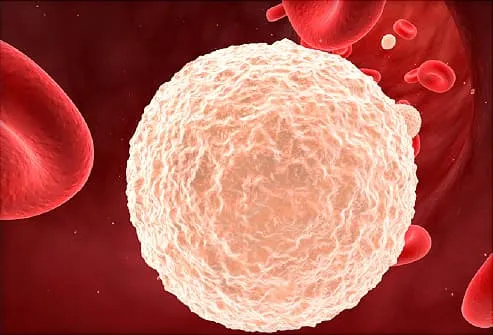
A CD4 count can look like one lonely number on a laboratory report, but it tells an important story: how prepared the immune system is to fight infections. For people living with HIV, this blood test helps clinicians estimate immune strength, identify the risk of opportunistic infections, and decide when certain preventive medicines may be needed.
That does not make CD4 the boss of every HIV treatment decision. Modern antiretroviral therapy, commonly called ART, is recommended for everyone with HIV regardless of CD4 count. Viral load is usually the most important measure of whether treatment is controlling the virus. Think of viral load as showing what HIV is doing right now, while the CD4 count shows how the immune system has weathered the situation.
Used togetherand interpreted as trends rather than isolated snapshotsthese tests give clinicians a much clearer view of a person’s health.
What Is a CD4 Count?
CD4 cells are white blood cells known as helper T cells. They coordinate immune responses by signaling other cells to attack viruses, bacteria, fungi, and other threats. They are less like frontline soldiers and more like the immune system’s dispatch center. Unfortunately, HIV has an irritating habit of targeting the dispatchers.
A CD4 count measures how many CD4 cells are present in one cubic millimeter of blood, reported as cells/mm3. In many healthy adults and teenagers, the count falls somewhere between 500 and 1,200 cells/mm3, although reference ranges vary among laboratories and individuals.
Without effective treatment, HIV can reproduce inside CD4 cells and gradually reduce their number. As the count falls, the immune system becomes less capable of controlling infections that would rarely cause serious illness in someone with normal immune function.
Absolute CD4 Count and CD4 Percentage
A laboratory report may include both an absolute CD4 count and a CD4 percentage. The absolute count is the total number of CD4 cells in a specific volume of blood. The percentage describes how many lymphocytes are CD4 cells.
The percentage can provide useful context when an absolute count changes unexpectedly. Hydration, temporary illness, stress, medications, and normal laboratory variation may change the number of circulating lymphocytes. A relatively stable percentage can suggest that a small movement in the absolute count is more wobble than warning.
CD4 Count Versus Viral Load: Two Different Jobs
CD4 count and HIV viral load are often ordered together, but they answer different questions.
- CD4 count: How strong is the immune system, and how vulnerable might the person be to certain infections?
- Viral load: How much HIV RNA is in the blood, and is antiretroviral treatment stopping the virus from reproducing?
After ART begins, viral load usually responds before the CD4 count does. The amount of virus may fall rapidly, while immune recovery develops over months or years. Consequently, an undetectable viral load with a CD4 count that is still below the typical range does not automatically mean treatment has failed.
Maintaining a viral load below 200 copies per milliliter through ART prevents sexual transmission of HIV, a principle known as Undetectable Equals Untransmittable, or U=U. The CD4 count does not determine whether U=U applies; viral suppression does.
How the CD4 Count Influences HIV Care
1. It Establishes the Immune-System Baseline
A CD4 test is generally performed when someone enters HIV care. This baseline helps the clinical team understand how much HIV has affected immune function before or around the start of treatment.
A lower baseline count makes starting ART especially urgent, although treatment is recommended promptly at every CD4 level. The result may also lead to additional testing for infections, closer follow-up, or preventive medication. In other words, the number does not decide whether treatment begins, but it can determine how many safety rails are needed while treatment takes effect.
2. It Helps Estimate the Risk of Opportunistic Infections
Opportunistic infections take advantage of weakened immunity. Although no threshold creates an invisible force field, particular infections become more likely as CD4 levels decline.
| CD4 Level | General Clinical Meaning |
|---|---|
| 500–1,200 cells/mm3 | A common reference range for healthy adults, although an individual’s usual level may differ. |
| 200–499 cells/mm3 | Immune function may be reduced to varying degrees; the trend, viral load, symptoms, and medical history matter. |
| Below 200 cells/mm3 | Advanced immune suppression and increased risk of serious opportunistic infections. In a person with HIV, this meets a laboratory criterion for stage 3 HIV, also called AIDS. |
| Below 100 cells/mm3 | Greater risk of conditions such as toxoplasmosis and cryptococcosis; targeted screening or prevention may be appropriate. |
| Below 50 cells/mm3 | Very advanced immune suppression with increased risk of infections such as disseminated Mycobacterium avium complex. |
An AIDS diagnosis may also be made when someone develops an AIDS-defining illness, even if the current CD4 count is above 200. Effective ART can later raise the count and restore immune function, but the historical diagnosis remains part of the medical record. It is a clinical classification, not a prediction that the person cannot recover.
3. It Guides Preventive Medication
CD4 thresholds help clinicians determine whether medication is needed to prevent specific opportunistic infections. For example, prevention of Pneumocystis pneumonia is generally recommended when the count is below 100, regardless of viral load, or between 100 and 200 when HIV remains detectable. Toxoplasmosis prevention may be indicated below 100 in someone whose antibody test shows prior exposure to the parasite.
At extremely low counts, other preventive decisions may be considered. However, modern recommendations account for viral load, symptoms, previous infections, laboratory results, and whether fully suppressive ART can be started immediately. A CD4 number is a decision aid, not a do-it-yourself prescription generator.
4. It Shows Whether Immune Recovery Is Occurring
When ART suppresses HIV, CD4 cells often begin to recover. An increase of approximately 50 to 150 cells/mm3 during the first year is considered an adequate response for many people, with the fastest improvement commonly occurring during the first three months. Later increases may average about 50 to 100 cells/mm3 per year until the count reaches a plateau.
Recovery varies considerably. People who begin treatment at a very low CD4 count, are older, have experienced an AIDS-defining illness, or have certain coinfections may experience slower or less complete improvement. Comparing one person’s number with another’s is therefore about as useful as comparing two houseplants and demanding that they grow at precisely the same speed.
5. It Helps Determine When Preventive Drugs Can Stop
As ART controls HIV and the CD4 count remains above relevant thresholds, clinicians may discontinue medicines used to prevent or suppress opportunistic infections. The decision usually requires more than one favorable laboratory result. Sustained viral suppression, a stable CD4 increase, completion of infection treatment, and the absence of symptoms may all matter.
For instance, Pneumocystis prevention can commonly be stopped after the CD4 count rises from below 200 to at least 200 for three months in response to ART. In selected people with sustained viral suppression, a clinician may consider stopping it while the count is between 100 and 200. Previous episodes of infection can change the recommendation, so individual guidance is essential.
How Often Is the CD4 Count Checked?
Testing frequency depends on immune status, viral suppression, treatment history, and current health. Under current U.S. guidance, someone who begins ART with a CD4 count below 300 may have the test repeated after about three months. During the first one to two years of suppressive treatment, counts below 300 are generally monitored every three to four months. When the count is at least 300 and viral load is suppressed, testing may occur every six months.
After one to two years of stable viral suppression, monitoring can become less frequent. If the CD4 count remains below 300, testing every six months may be considered. If it is consistently at least 300, routine CD4 monitoring may become optional unless symptoms, medications, or another medical condition create a reason to check again.
This reduction in testing is good news. It generally means the immune system has recovered enough that another CD4 result is unlikely to change care. Fewer blood draws are not neglect; sometimes they are the medical equivalent of graduating from weekly progress reports.
Why a CD4 Count Can Rise or Fall Unexpectedly
CD4 counts are naturally variable. Time of day, recent infection, vaccination, physical stress, smoking, sleep, pregnancy, corticosteroids, chemotherapy, and other medications can influence the result. Even differences in sample processing may contribute.
Current HIV guidance notes that an approximately 30% change in the absolute count may be needed before a difference is considered statistically significant. Clinicians therefore look for a sustained pattern rather than reacting dramatically to every dip. A result moving from 420 to 390 does not necessarily mean the immune system has packed a suitcase and left town.
A larger or persistent decline deserves investigation, particularly when viral load is suppressed. Possible contributors include medications that lower white blood cells, hepatitis C or other coinfections, autoimmune disease, cancer, or treatment that suppresses the immune system.
What If the Viral Load Is Undetectable but CD4 Stays Low?
Some people achieve durable viral suppression without reaching a CD4 count above 500. This is more common among those who began ART after substantial immune damage. Persistently low counts are associated with greater risks of serious infections, hospitalization, certain cancers, cardiovascular problems, and other complications, especially when the count remains below 200.
The first step is usually to confirm adherence and viral suppression, review medications, and look for treatable coinfections or medical conditions. Simply adding more HIV drugs to an already suppressive regimen has not been shown to improve CD4 recovery or health outcomes. Switching an effective regimen solely to chase a higher CD4 number is also generally not recommended.
Care instead focuses on proven protection: continuing ART, using indicated infection prophylaxis, receiving appropriate non-live vaccines, completing cancer screening, avoiding tobacco, exercising, and managing blood pressure, cholesterol, diabetes, and other health risks. The aim is a healthier person, not merely a prettier laboratory report.
Experiences With CD4 Monitoring: What the Numbers Can Feel Like
The following scenarios are educational composites based on common experiences in HIV care. They are not quotations from identifiable patients.
The First Result Can Feel Bigger Than It Is
Imagine someone newly diagnosed with HIV receiving a CD4 count of 168. The number may seem like a countdown, especially after a late-night internet search introduces every rare infection known to medicine before breakfast. In practice, the care team sees something more useful: a signal to begin ART promptly, assess symptoms, screen for relevant infections, and prescribe prevention when indicated.
The first weeks may involve several appointments and an impressive collection of laboratory tubes. Then the viral load begins falling. Three months later, the CD4 count has risen, although not dramatically. The clinician is encouraged because treatment is suppressing HIV and the immune system is moving in the right direction. Recovery is a trend, not a talent show judged after one performance.
A Small Drop Can Trigger Anxiety
Another person may have an undetectable viral load and see a CD4 count fall from 310 to 265. Even when the clinician says the change may reflect ordinary variation, the lower number can feel personal. People sometimes describe laboratory portals as both wonderfully convenient and spectacularly good at delivering anxiety before the doctor’s office opens.
The clinical team reviews the CD4 percentage, recent illnesses, medications, and earlier results. If the percentage is stable and viral suppression continues, the plan may simply be to repeat the test at the appropriate interval. At the next measurement, the count may return to 320 without any change in ART. The experience teaches an important lesson: CD4 results should be read as a series, not as isolated verdicts.
Slow Recovery Does Not Erase Treatment Success
Someone who started treatment with a count below 50 may suppress HIV quickly but experience gradual immune recovery. After a year, the count may still be under 200. That can be frustrating when medication adherence has been excellent.
A thoughtful appointment reframes the situation. Viral suppression is a major success because it prevents continued HIV replication and gives the immune system its best opportunity to rebuild. The care plan may continue preventive medicine, check for other causes of low lymphocytes, and emphasize vaccinations and routine health screening. The message is neither false cheerfulness nor doom: progress is real, while additional protection remains necessary.
Eventually, CD4 May Stop Dominating Every Visit
For a person with years of viral suppression and a CD4 count consistently above 500, appointments often change character. Conversations shift toward sleep, mental health, relationships, exercise, reproductive goals, cholesterol, and the many ordinary subjects that make up primary care. The CD4 test may be ordered less often because it is unlikely to alter treatment.
This stage can feel surprisingly emotional. A number that once occupied center stage becomes a supporting character. The person is still living with HIV and still takes ART consistently, but care is no longer organized around fear of the next count. That is one of the quiet victories of effective treatment.
Questions That Make Appointments More Useful
People can gain more from CD4 monitoring by asking what the trend means, whether the CD4 percentage adds context, whether prevention medication is still required, and when the test should be repeated. It is also helpful to ask which result is driving a recommendation: CD4 count, viral load, symptoms, medical history, or a combination.
Writing down questions before the appointment can help, especially when laboratory anxiety makes every carefully prepared thought vanish upon entering the examination room. Bringing a medication listincluding supplementsis equally valuable because some products can interact with ART or affect blood counts.
Conclusion: CD4 Is a Guide, Not a Grade
The CD4 count remains an important part of HIV care because it measures immune status, helps estimate the risk of opportunistic infections, and guides preventive treatment. It can also document immune recovery after ART begins and help determine when infection-prevention medicines may safely be stopped.
However, CD4 should always be interpreted alongside viral load, symptoms, treatment history, and changes over time. ART is recommended for everyone with HIV, even when the CD4 count is high. Once viral suppression is stable and immune recovery is established, CD4 testing may become less frequent because viral load provides the more immediate measure of treatment success.
The most valuable result is not a perfect number. It is sustained viral suppression, appropriate preventive care, and a treatment plan that supports a long, healthy life.













