
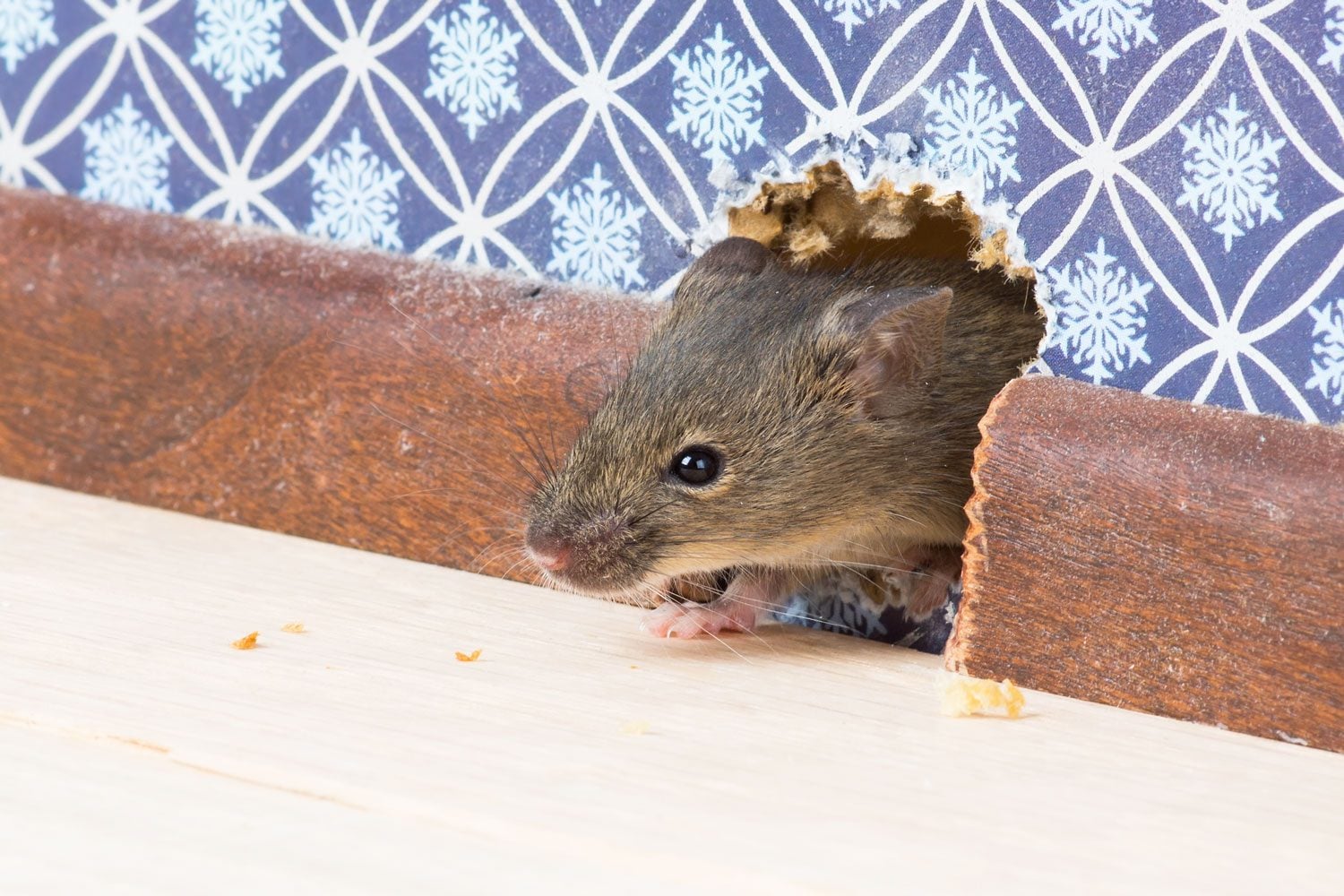
Mice look tiny, nervous, and almost comically unqualified for villain status. They weigh about as much as a snack, sprint like they are late for a very important cheese appointment, and can squeeze through gaps that make homeowners question the laws of physics. But when mice move indoors, the issue is not just the midnight scratching behind the wall or the mysterious nibble marks on a cereal box. The bigger concern is health.
Wild mice and other rodents can carry germs that spread through urine, droppings, saliva, nesting material, contaminated food, contaminated dust, bites, scratches, or infected fleas and ticks. That does not mean every mouse is a walking disaster movie. It does mean a mouse infestation should be handled with more care than a casual sweep-and-shrug.
This guide explains seven diseases mice can carry, how people may be exposed, which warning signs deserve attention, and how to reduce risk without turning your home into a hazmat drama. The goal is simple: understand the danger, clean safely, prevent new activity, and know when to call a healthcare provider or pest control professional.
Why Mouse-Borne Diseases Matter
Mice are successful because they are adaptable. They nest in walls, garages, sheds, basements, attics, kitchens, barns, storage units, and cabins. They chew packaging, contaminate surfaces, and leave droppings in places where people store food, tools, holiday decorations, pet supplies, and camping gear. In other words, mice do not respect boundaries. If they had a customer service department, it would be permanently closed.
The health risk increases when people disturb dried droppings, old nesting material, or dusty enclosed areas where rodents have been active. Sweeping or vacuuming dry waste can stir particles into the air. Touching contaminated surfaces and then touching the mouth, eyes, or food can also create exposure. Bites are less common, but they can happen when someone handles a trapped, sick, wild, or frightened mouse.
People at higher risk of complications may include young children, older adults, pregnant people, and those with weakened immune systems. Anyone who develops fever, severe headache, breathing problems, persistent stomach symptoms, rash, or unusual illness after rodent exposure should contact a medical professional and mention the exposure clearly. Doctors are good, but they are not mind readers in lab coats.
1. Hantavirus Pulmonary Syndrome
Hantavirus is one of the most serious diseases associated with wild mice in North America. In the United States, the deer mouse is the best-known carrier of the Sin Nombre virus, which can cause hantavirus pulmonary syndrome, often shortened to HPS. Other rodents may carry different hantaviruses, but the key household lesson is the same: avoid contact with wild rodent urine, droppings, saliva, and nesting material.
How mice can spread hantavirus
People can be exposed when tiny contaminated particles become airborne and are inhaled. This can happen while cleaning a shed, cabin, garage, barn, attic, or storage room where mice have been nesting. Less commonly, exposure may happen through bites, scratches, contaminated food, or touching contaminated material and then touching the face.
Symptoms to watch for
Early symptoms may feel like a flu-like illness, including fever, fatigue, muscle aches, headache, nausea, vomiting, diarrhea, or abdominal discomfort. In more serious cases, breathing difficulty can develop. Because early symptoms can seem ordinary, recent rodent exposure is an important detail to share with a healthcare provider.
Prevention tips
Do not sweep or vacuum dry mouse droppings. Ventilate enclosed spaces before cleaning, wear gloves, wet contaminated areas with disinfectant, let the disinfectant sit, and then wipe up waste carefully. Seal entry points, remove food sources, and store grain, pet food, and pantry items in sturdy sealed containers.
2. Lymphocytic Choriomeningitis
Lymphocytic choriomeningitis, or LCM, is caused by lymphocytic choriomeningitis virus. The common house mouse is the main reservoir. That matters because house mice are exactly the type most likely to treat your pantry like a private buffet.
How LCM spreads
People may be exposed to LCM virus through contact with fresh urine, droppings, saliva, nesting material, or contaminated surfaces. Exposure may happen in homes with wild mouse infestations or, more rarely, through infected pet rodents that had contact with wild mice or came from contaminated breeding environments.
Who should be extra careful
Most healthy people recover, but LCM can be more concerning for pregnant people and people with weakened immune systems. Pregnant people are often advised to avoid handling wild rodents, pet rodents, cages, bedding, or contaminated cleaning tasks when possible.
Practical example
Imagine opening a box of winter blankets in the attic and finding shredded paper, droppings, and a smell that says, “Congratulations, you hosted a mouse family reunion.” That is not the time to shake everything out indoors. Bag contaminated material carefully, clean with disinfectant, wash salvageable fabrics thoroughly, and keep hands away from the face until cleanup is done.
3. Salmonellosis
Salmonellosis is an illness caused by Salmonella bacteria. Many people associate Salmonella with raw poultry or eggs, but rodents can also carry these bacteria. Mice can contaminate food, counters, drawers, pet bowls, utensils, and storage areas with droppings or dirty paws. They may be small, but their sanitation standards are not exactly restaurant-grade.
How mice contaminate food areas
Mice chew through cardboard, plastic bags, and thin food packaging. Once inside a pantry, they can leave droppings and urine near cereal, rice, flour, snacks, and pet food. Even if a package looks mostly intact, contamination on the outside can spread to hands, shelves, or kitchen surfaces.
Common symptoms
Salmonella infection often causes diarrhea, fever, stomach cramps, nausea, or vomiting. Symptoms can vary from mild to severe. Dehydration is a concern, especially for children, older adults, and people who are already medically fragile.
Prevention tips
Throw away food that appears chewed, contaminated, or exposed to rodent activity. Clean pantry shelves with disinfectant. Transfer vulnerable foods into glass, metal, or thick plastic containers with tight-fitting lids. Wash hands after handling pet food, animal habitats, traps, trash, or anything from a rodent-contaminated area.
4. Leptospirosis
Leptospirosis is a bacterial disease caused by Leptospira bacteria. Rodents, including mice and rats, can spread the bacteria through urine. The bacteria may survive in water or wet soil, especially in warm, moist environments. Flooding, poor drainage, standing water, and heavy rodent activity can increase concern.
How exposure happens
People can be exposed when contaminated water or soil touches broken skin, the eyes, nose, or mouth. Around homes, the risk may come from damp basements, crawl spaces, flooded garages, outdoor storage areas, or yards where rodents are active. Pets can also encounter contaminated areas, which is one reason rodent control matters for the whole household.
Symptoms to watch for
Leptospirosis may cause fever, headache, chills, muscle aches, vomiting, diarrhea, red eyes, or rash. In some cases, it can become severe and affect the liver, kidneys, lungs, or nervous system. A person who becomes ill after contact with floodwater, rodent-contaminated areas, or animal urine should seek medical advice.
Prevention tips
Wear waterproof gloves and boots when cleaning damp rodent-contaminated spaces. Avoid wading through questionable water when possible. Keep trash sealed, remove standing water, repair leaks, and prevent rodents from accessing pet food or outdoor feeding stations.
5. Rat-Bite Fever
Despite the name, rat-bite fever is not only about rats. Mice and other rodents can also carry the bacteria linked to this illness. The name simply got there first and refused to share the spotlight.
How rat-bite fever spreads
People can become infected through a bite or scratch from an infected rodent. They may also be exposed through close contact with rodent saliva, urine, droppings, or contaminated surfaces. Rodents may carry the bacteria without looking sick, which is why “but the mouse looked fine” is not a reliable safety plan.
Possible symptoms
Symptoms can include fever, vomiting, headache, muscle pain, joint pain, and rash. Because untreated infections can lead to complications, anyone bitten or scratched by a wild mouse or rat should wash the wound thoroughly and contact a healthcare provider for guidance.
Prevention tips
Never pick up a wild mouse with bare hands, even if it appears weak or trapped. Use gloves and proper tools when handling traps. Keep children and pets away from live or dead rodents. If a bite happens, clean the area with soap and water and get medical advice promptly.
6. Tularemia
Tularemia, sometimes called rabbit fever, is caused by the bacterium Francisella tularensis. It is often associated with rabbits, hares, and ticks, but rodents can also be involved. Mice are not the only animals connected to tularemia, yet they belong in the broader rodent-and-wildlife risk conversation.
How tularemia can spread
People may be exposed through tick or deer fly bites, handling infected animals, inhaling contaminated dust, or drinking contaminated water. Outdoor work can create risk if equipment disturbs contaminated animal remains, nesting areas, or dust. Mowing over an animal carcass, for example, is not just unpleasant; it can be a health concern.
Symptoms vary by exposure route
Tularemia can cause fever and may also cause swollen glands, skin ulcers, sore throat, cough, eye irritation, or pneumonia-like illness depending on how the bacteria enter the body. Because it can resemble other infections, exposure history is important.
Prevention tips
Use insect repellent when appropriate, wear long sleeves and pants in tick-heavy areas, check for ticks after outdoor activity, avoid handling dead wild animals with bare hands, and wear gloves when cleaning areas where rodents or wildlife may have been active.
7. Plague
Plague sounds like something locked safely inside a medieval history book, but it still exists naturally in parts of the western United States. It is caused by the bacterium Yersinia pestis and circulates among wild rodents and their fleas. Mice, voles, chipmunks, prairie dogs, wood rats, ground squirrels, and other animals can be part of local wildlife cycles.
How plague spreads
People usually get plague from the bite of an infected flea or by handling an infected animal. Household risk is uncommon, but it can increase when pets roam in areas where plague occurs and bring infected fleas indoors. Cats are especially important because they can become sick and expose people through close contact.
Warning signs
Plague can cause fever, chills, weakness, and swollen painful lymph nodes. Other forms can affect the lungs or bloodstream. It is treatable with prompt medical care, but delay can be dangerous. Anyone with symptoms after a flea bite, contact with wild rodents, or exposure in a known plague area should seek medical care quickly.
Prevention tips
Use veterinarian-recommended flea control for pets, do not let pets hunt rodents, avoid touching sick or dead wild animals, reduce brush and clutter near the home, and seal spaces where rodents might nest. In plague-prone regions, local health department alerts are worth paying attention to.
How to Tell If Mice Are in Your Home
You may never see the mouse. Mice are sneaky, mostly active at night, and deeply committed to avoiding awkward eye contact. Instead, look for signs such as small dark droppings, gnaw marks, shredded paper or fabric, scratching noises, greasy rub marks along walls, musky odors, pet excitement near appliances, and food packaging with tiny chew holes.
Common hiding spots include behind stoves, under sinks, inside cabinets, behind stored boxes, in wall voids, attics, garages, crawl spaces, laundry rooms, and near pet food storage. Outdoor signs may include burrows near foundations, droppings around sheds, and chewing around doors or utility lines.
Safe Cleanup: What to Do After Finding Mouse Droppings
Safe cleanup matters because the wrong method can increase exposure. The classic mistake is grabbing a broom and attacking the mess like a cartoon character. Unfortunately, dry sweeping can push contaminated dust into the air.
Step 1: Ventilate the area
Open doors and windows for at least 30 minutes before cleaning enclosed spaces, if weather and security allow. Leave the area during ventilation.
Step 2: Wear basic protection
Use disposable gloves. In heavily contaminated or dusty spaces, consider a properly fitted mask or respirator and protective clothing. For large infestations, professional cleanup is often the smarter choice.
Step 3: Wet before removing
Spray droppings, urine spots, and nesting material with disinfectant. Let it soak before wiping. Pick up waste with paper towels and place it in a sealed bag.
Step 4: Disinfect surfaces
Clean floors, shelves, counters, tools, and nearby surfaces. Wash hands thoroughly after removing gloves. Launder contaminated clothing or fabrics using hot water when the material allows.
Step 5: Fix the reason mice entered
Cleanup without prevention is just housekeeping for mice. Seal gaps, repair screens, cover vents, store food securely, remove clutter, manage trash, and keep vegetation away from the foundation.
How to Prevent Mouse-Borne Disease at Home
The best disease-prevention plan is rodent prevention. Mice need food, water, shelter, and entry points. Remove those four things and your home becomes much less charming to them.
- Seal entry points: Mice can squeeze through very small gaps. Check around pipes, doors, vents, garage seals, utility lines, and foundation cracks.
- Store food properly: Use sealed containers for cereal, grains, snacks, bird seed, and pet food.
- Control clutter: Cardboard boxes, fabric piles, and paper stacks make excellent nesting material.
- Manage trash: Use tight lids indoors and outdoors. Do not let garbage become an all-night rodent buffet.
- Clean pet areas: Pick up uneaten pet food and wash bowls regularly.
- Maintain the yard: Trim vegetation, remove junk piles, stack firewood away from the house, and reduce hiding places.
- Use traps carefully: Place traps where children and pets cannot reach them, and handle dead rodents with gloves.
When to Call a Professional
A single mouse sighting may be handled with careful cleanup, sealing, and trapping. But repeated sightings, many droppings, strong odors, chewed wiring, activity in multiple rooms, or evidence in HVAC areas may require professional pest control. Professionals can identify entry points, estimate the size of the infestation, place traps strategically, and recommend exclusion repairs.
Call a healthcare provider if you develop unexplained fever, breathing problems, severe headache, persistent digestive symptoms, rash, swollen glands, or illness after rodent exposure. Mention the exposure clearly, including whether you cleaned droppings, handled a mouse, were bitten, entered a dusty building, or had contact with floodwater or contaminated soil.
Common Homeowner Experiences With Mice and Disease Prevention
Many homeowners first discover mice in the least glamorous way possible: a few droppings under the sink, a chewed corner of a granola bar box, or a suspicious rustling sound that turns a peaceful midnight snack into a full detective investigation. The first reaction is usually disgust. The second reaction is panic. The third is standing in the kitchen holding a flashlight and wondering whether every shadow has whiskers.
A common experience is the “garage surprise.” Someone opens a storage bin in spring and finds shredded paper, seeds, and droppings around camping gear. The risky instinct is to shake out the tent, sweep the floor, and move on. A safer approach is slower: ventilate the garage, wear gloves, wet contaminated areas with disinfectant, dispose of ruined materials, wash salvageable gear, and inspect for gaps around the garage door. The important lesson is that cleanup and exclusion must happen together. Otherwise, the garage becomes a subscription service for rodents.
Another familiar story happens in kitchens. A family notices tiny black droppings behind the toaster or under the stove. They clean the counter but forget the pet food bag in the laundry room. The mice return because the food source remains. The practical fix is to treat the kitchen like a system: discard contaminated food, disinfect shelves, store pantry goods in sealed containers, move pet food into a lidded bin, clean crumbs under appliances, and seal holes around pipes. Mice do not need a formal invitation. A gap, a crumb trail, and a warm wall void will do.
Cabins and vacation homes create a different challenge because they may sit closed for weeks or months. When people arrive and immediately sweep dusty floors, they may disturb old rodent waste. The better routine is to air out the space first, inspect for droppings and nests, clean with disinfectant, and avoid dry sweeping. Stored blankets, pillows, and cookware should be checked before use. It feels annoying after a long drive, but it is still better than starting a vacation with mystery germs and a broom.
Pet owners often learn that rodent prevention protects more than people. Dogs and cats may investigate dead mice, chase live ones, or pick up fleas from wildlife areas. Keeping pets on veterinarian-recommended flea control, limiting hunting, and removing rodent attractants can reduce household risk. Outdoor feeding stations should be cleaned up at night, because leftover kibble is basically a five-star review from the mouse community.
Parents also face the challenge of explaining mouse safety without scaring children. A simple rule works well: do not touch mice, traps, droppings, or nests; tell an adult. Kids do not need a lecture on every disease. They need clear boundaries, handwashing habits, and adults who handle cleanup properly.
The biggest experience-based takeaway is this: mouse problems are rarely solved by cleaning alone. They are solved by combining sanitation, exclusion, trapping, food storage, and monitoring. Think of it as closing a tiny criminal enterprise. Remove the snacks, block the doors, clean the evidence, and keep watch. No drama requiredjust steady, careful action.
Conclusion
Mice may be small, but the diseases mice can carry deserve serious attention. Hantavirus, LCM, salmonellosis, leptospirosis, rat-bite fever, tularemia, and plague are not everyday outcomes of seeing one mouse, but they are real reasons to treat rodent activity carefully. The safest response is not panic. It is prevention, smart cleanup, and fast action when signs of infestation appear.
Keep food sealed, remove clutter, control trash, repair entry points, clean contaminated areas safely, and avoid direct contact with wild rodents. If symptoms appear after exposure, tell a healthcare provider exactly what happened. That one detail can help connect the dots faster.
Note: This article is for educational purposes only and is not a substitute for medical diagnosis, treatment, or local public-health guidance. If someone feels sick after rodent exposure, they should contact a qualified healthcare provider.














