
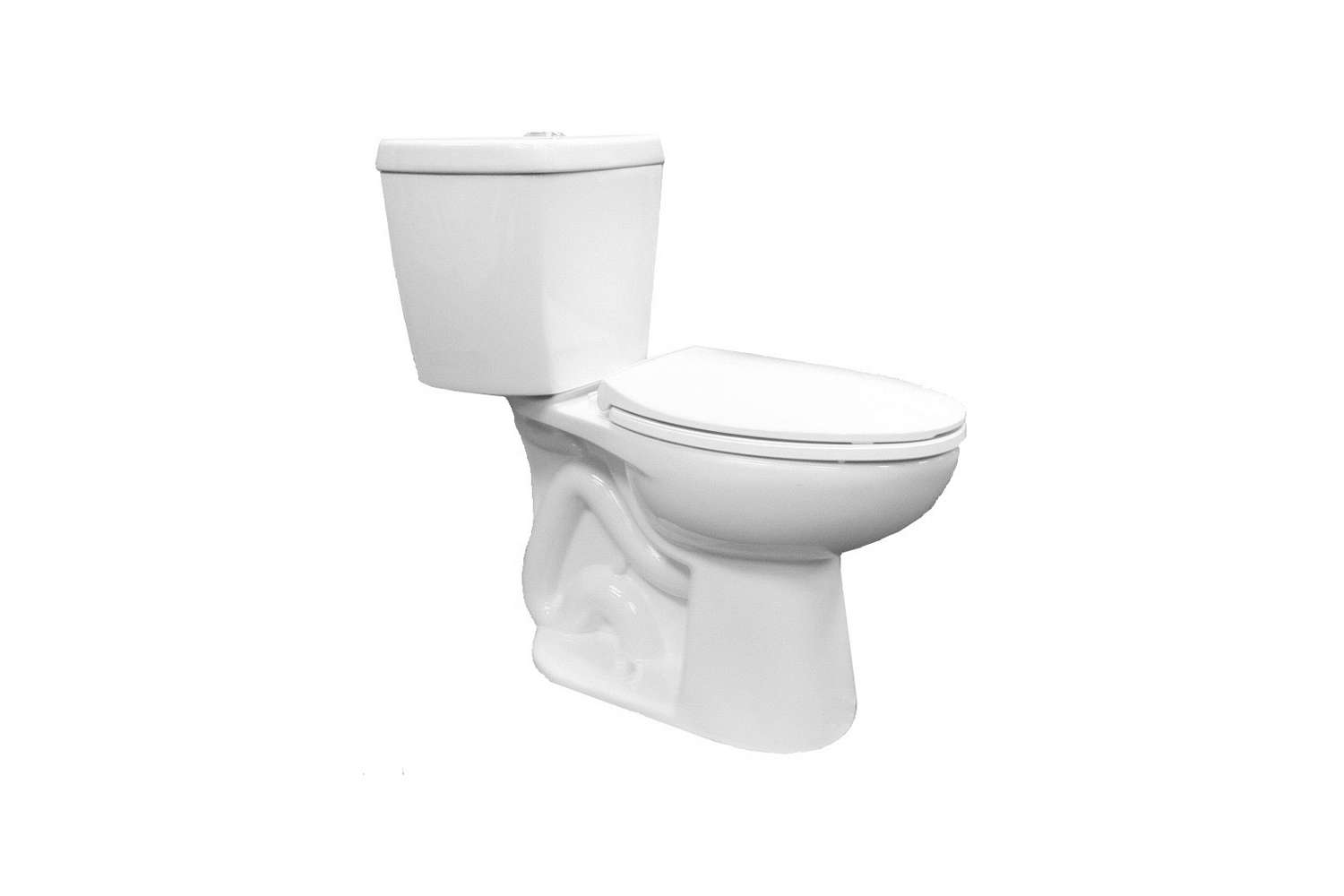
A toilet called “Stealth” sounds as if it should arrive wearing a black turtleneck and disappear behind the shower curtain. In reality, the Niagara Conservation Stealth Toilet earns its name through a remarkably quiet flush, a low-profile design, and water consumption that barely makes a splash on the utility bill.
The best-known Niagara Stealth models use only 0.8 gallons per flush, or approximately three liters. That is 50% less water than the 1.6-gallon federal standard and 37.5% less than the 1.28 gallons used by many WaterSense toilets. Those numbers are impressive, but efficiency means little if the toilet requires a nervous second flush. Fortunately, independent performance testing and extensive owner feedback suggest that the Stealth is more capable than its tiny water allowance implies.
This in-depth review examines how the flushing system works, what buyers should expect, potential drawbacks, installation requirements, maintenance, water savings, and the everyday ownership experience.
Niagara Stealth Toilet at a Glance
| Typical flush volume | 0.8 gallons per flush for Original single-flush models |
|---|---|
| Flush system | Passive vacuum-assisted hydraulic technology |
| Common bowl options | Round, elongated, and compact elongated |
| Common rough-ins | 10-inch and 12-inch floor-outlet configurations |
| Typical MaP score | Up to 800 grams for many Original configurations |
| Certification | WaterSense labeling on qualifying models |
| Construction | Vitreous china, generally in a two-piece design |
| Notable feature | Flapperless mechanism designed to eliminate a common leak point |
Specifications vary by model and package. Some products include a seat, wax ring, bolts, and caps, while others provide only the bowl, tank, or basic toilet assembly. Buyers should verify the exact model number instead of assuming every white Stealth box contains the same plumbing treasure.
How Stealth Flush Technology Works
A traditional gravity toilet stores water in its tank and releases it into the bowl when the flapper opens. The Niagara Stealth takes a more carefully engineered approach. Its tank contains a flush chamber and air-transfer system that creates strong siphonic action without an electric pump or noisy pressure vessel.
As the toilet refills, water entering the internal chamber displaces air. That air helps prime the trapway and supports the vacuum effect required for the next flush. Pressing the button or handle releases water through the rim and rim jet. The resulting flow initiates a siphon that pulls waste through the fully glazed trapway.
The system is passive, so it does not need electricity or an external compressor. It also avoids the explosive “airport restroom” sound associated with some pressure-assisted toilets. The flush is brief and surprisingly subdueda welcome quality when the bathroom shares a wall with a bedroom.
Why the Flapperless Design Matters
A deteriorated or poorly seated flapper can allow a conventional toilet to leak silently into the bowl. The Stealth mechanism does not use that familiar rubber flapper, chain, and lift-arm arrangement. Removing those components eliminates one of the most common sources of wasted toilet water.
Flapperless does not mean immortal, of course. Fill-valve seals, gaskets, supply connections, and other components can still wear or collect mineral deposits. The design simply removes several routine troublemakers from the guest list.
Flushing Performance: Can 0.8 Gallons Really Work?
This is the question that makes cautious buyers raise an eyebrow. Early low-flow toilets gave water conservation a terrible reputation because weak designs sometimes turned one flush into a three-act drama. The Niagara Stealth was engineered specifically to avoid that problem.
Many Original Stealth configurations have achieved an 800-gram Maximum Performance, or MaP, score. MaP testing measures how much standardized test material a toilet can remove in one flush. An 800-gram result is strong for a residential fixture, especially one operating at 0.8 gallons.
A high test score does not guarantee that no toilet will ever clog. Excessive paper, unsuitable wipes, obstructed drain lines, poor venting, and objects contributed by creatively unsupervised children can challenge any fixture. However, the score provides credible evidence that the Stealth is not relying on green marketing and positive thoughts alone.
Bowl Rinsing and Water Spot Size
Niagara routes water around the rim to rinse the bowl while a stronger rim jet directs flow toward the trapway. Common Original models have an approximately 8-by-6-inch water spot. That is respectable for an ultra-high-efficiency toilet, although it may appear smaller than the water surface in some older high-volume fixtures.
The rinse is generally effective, but no 0.8-gallon toilet has unlimited cleaning water. Occasional brushing may be necessary, particularly in homes with hard water or when the bowl develops mineral buildup. A smooth glazed surface and unobstructed rim openings help preserve performance.
How Much Water Can the Niagara Stealth Save?
The EPA’s WaterSense program sets a maximum of 1.28 gallons per flush for qualifying residential toilets, compared with the 1.6-gallon federal standard. At 0.8 gallons, the Stealth goes considerably lower.
Consider one person flushing five times per day:
- A 1.6 GPF toilet uses about 2,920 gallons per year.
- A 1.28 GPF toilet uses about 2,336 gallons per year.
- A 0.8 GPF Stealth uses about 1,460 gallons per year.
Compared with a 1.6 GPF model, that person could save approximately 1,460 gallons annually. In a four-person household, the theoretical reduction reaches about 5,840 gallons. Replacing a 3.5 GPF toilet from the 1980s or early 1990s could save nearly 19,700 gallons per year under the same assumptions.
Actual savings depend on household size, flushing habits, local water rates, sewer charges, and whether the existing toilet leaks. Homes billed for both water and wastewater may see a more noticeable financial return. Local utilities also sometimes offer rebates for qualifying WaterSense fixtures, so checking before purchase can turn conservation into an unexpectedly satisfying coupon hunt.
Comfort, Size, and Available Configurations
Niagara has offered Stealth technology in multiple collections and configurations, including the Original, Phantom, Nano, Shadow, and rear-outlet products. The familiar Original elongated 12-inch model is approximately 28.9 inches deep, 18.8 inches wide, and 31 inches high when assembled. Its bowl rim is about 17 inches high on EZ Height versions.
Round Versus Elongated Bowls
An elongated bowl generally provides more seating room and is popular in primary bathrooms. A round-front model saves floor space and may fit better where the door nearly shakes hands with the toilet every time it opens.
Measure total projection, not just bowl length. Tank shape, wall clearance, base footprint, and seat overhang all affect the final fit.
Standard Height Versus Chair Height
EZ Height and chair-height models can make sitting and standing easier for many adults, older users, and people with limited mobility. Some configurations meet ADA dimensional requirements when installed correctly. Shorter users and young children may prefer a lower bowl, so “comfort height” is not universally comfortable.
Installation Considerations
Installing a two-piece Niagara Stealth resembles installing a conventional floor-outlet toilet. The job generally involves removing the old fixture, inspecting the flange, positioning a wax or wax-free seal, setting the bowl, attaching the tank, connecting the supply line, and checking for leaks.
Before ordering, confirm the rough-in by measuring from the finished wallnot the baseboardto the center of the closet bolts. A 12-inch rough-in is common, but some bathrooms require a 10-inch model. Rear-outlet versions are specialized fixtures intended for wall-discharge plumbing and should not be confused with standard floor-outlet toilets.
Installation Tips That Prevent Regret
- Inspect the toilet immediately for concealed shipping cracks or chipped porcelain.
- Make sure the model includes every expected component, especially the seat and sealing ring.
- Set the bowl level and use shims if the floor is uneven.
- Tighten porcelain fasteners gradually and evenly; overtightening can crack the fixture.
- Fill to the manufacturer’s marked water line rather than improvising a “more water, more power” adjustment.
- Open the supply valve slowly and inspect every connection before applying caulk.
A competent DIY homeowner may complete the replacement in an afternoon. A damaged flange, corroded shutoff valve, unusual drain layout, or persistent rocking is a good reason to call a plumber before a simple project develops sequels.
Maintenance and Troubleshooting
The Stealth is relatively simple to maintain, but correct tank water level is essential. If the tank underfills, the hydraulic system may not produce its intended flush. A weak or incomplete flush can also result from a restricted supply valve, debris in the fill valve, clogged rim openings, poor venting, or a partial drain obstruction.
If the Flush Becomes Weak
- Confirm that the tank fills to the marked line.
- Make sure the shutoff valve is fully open.
- Check the fill valve for sediment or a worn seal.
- Clean mineral deposits from accessible rim openings using a manufacturer-approved method.
- Test the drain and plumbing vent if the toilet gurgles or drains slowly.
Avoid in-tank chlorine tablets unless Niagara specifically approves them for the model. Aggressive chemicals can shorten the life of seals and plastic components. For exterior cleaning, use nonabrasive bathroom products that will not scratch the vitreous china or damage the seat.
Advantages and Potential Drawbacks
Reasons to Consider the Niagara Conservation Stealth Toilet
- Exceptionally low 0.8-gallon water consumption on qualifying models
- Quiet flushing and refilling compared with many assisted systems
- Strong independently reported MaP performance
- Flapperless construction removes a frequent source of leaks
- WaterSense eligibility and possible utility rebates
- Round, elongated, chair-height, and alternative rough-in options
- No electrical connection or powered pressure system required
Possible Disadvantages
- A smaller water spot may require more frequent bowl cleaning.
- Parts packages differ, so a seat or installation hardware may cost extra.
- The flush button or unique internal mechanism may feel unfamiliar.
- Incorrect water level can noticeably reduce performance.
- Replacement flush components may be less universally stocked than ordinary flappers.
- Individual models vary in height, MaP score, rough-in, warranty, and included accessories.
Is the Niagara Stealth Toilet Worth Buying?
The Stealth is especially compelling for water-conscious households, rental properties where owners pay utility charges, drought-prone communities, and bathrooms near sleeping areas. It also makes sense when replacing a pre-1994 toilet that consumes 3.5 gallons or more per flush.
It may be less suitable for someone who wants a large traditional water spot, insists on universally available internal parts, or has a poorly performing drain system that already struggles with low-volume fixtures. The toilet can create an efficient flush, but it cannot repair a sagging sewer line through sheer optimism.
Overall, the Niagara Conservation Stealth Toilet combines meaningful water savings with credible waste-removal performance. Its strongest accomplishment is making 0.8 gallons feel practical rather than experimental.
Extended Real-World Ownership Experience
The following experience summary reflects recurring patterns found in owner reports, installation documentation, retailer feedback, and the practical behavior of the Stealth system. It is not presented as one person’s invented firsthand test.
The First Week: Getting Used to the Flush
The most immediate surprise is usually the sound. People accustomed to a long, swirling flush may initially wonder whether the Stealth has done enough. The button is pressed, the bowl evacuates quickly, and the event ends before the user has time to deliver a motivational speech. The short cycle can look almost too efficient, but normal waste generally disappears in one flush.
The refill is also quieter than many conventional toilets. In a hallway bathroom, that difference matters at night. There is less of the roaring-water soundtrack that tells everyone in the house exactly what just happened.
A top-mounted button may require a small adjustment for users accustomed to a side lever. Some people like its clean appearance, while others prefer a familiar handle. Niagara offers both arrangements in certain product lines, making this a preference rather than a universal flaw.
The First Month: Water Savings Become Less Abstract
During ordinary use, owners tend to stop thinking about the technology. That is arguably the best compliment a toilet can receive. It flushes, refills, and waits quietly for its next assignment. The water savings happen in the background.
For a household replacing a 1.6 GPF fixture, each flush saves 0.8 gallons. Ten daily flushes save eight gallons; twenty save sixteen. Those small events accumulate into hundreds of gallons within weeks. The difference is even more dramatic when the old toilet used 3.5 gallons or suffered from a leaking flapper.
Bowl cleanliness can become the first noticeable compromise. The Stealth directs its limited water strategically, but ultra-high efficiency leaves less liquid available for extended washing. In some homes, especially those with mineral-rich water, a quick brush is needed more often. This is less a failure than a trade-off: the toilet cannot conserve water and simultaneously impersonate a bathtub.
After Several Months: Reliability Depends on Setup
A properly installed Stealth usually settles into an uneventful routine. The flapperless design means there is no chain to tangle and no conventional flapper to warp. A standard-style fill valve is familiar territory for many plumbers, while the Stealth flush assembly is more specialized.
If performance weakens, the tank water level is a sensible first check. Even a modest underfill can alter the carefully designed flush. Sediment in the fill valve is another plausible culprit, particularly after plumbing work or a temporary water shutdown. Correcting the supply or fill issue often restores performance without replacing the entire mechanism.
Clogs are not impossible, but many owners find the flush stronger than expected. Sensible paper use remains important, and so-called flushable wipes should stay out of the bowl. “Flushable” can describe an object’s ability to leave the bathroom, not its ability to behave politely in a sewer.
The Long-Term Impression
Over time, the Niagara Conservation Stealth Toilet makes the most sense as a practical efficiency upgrade rather than a luxury showpiece. It does not offer heated seating, mood lighting, or an app that congratulates the household. Instead, it uses much less water, operates quietly, and handles the central job with limited fuss.
The best ownership experience begins with choosing the correct configuration, installing it level, setting the proper water line, and retaining the model information for future replacement parts. Buyers who follow those basics are more likely to appreciate what the Stealth does well: save thousands of gallons without turning every bathroom visit into a plumbing experiment.
Final note: Product specifications, certifications, included accessories, and warranty terms can vary by model and retailer package. Verify the current model number, rough-in, bowl height, outlet type, WaterSense listing, and box contents before purchasing.













