
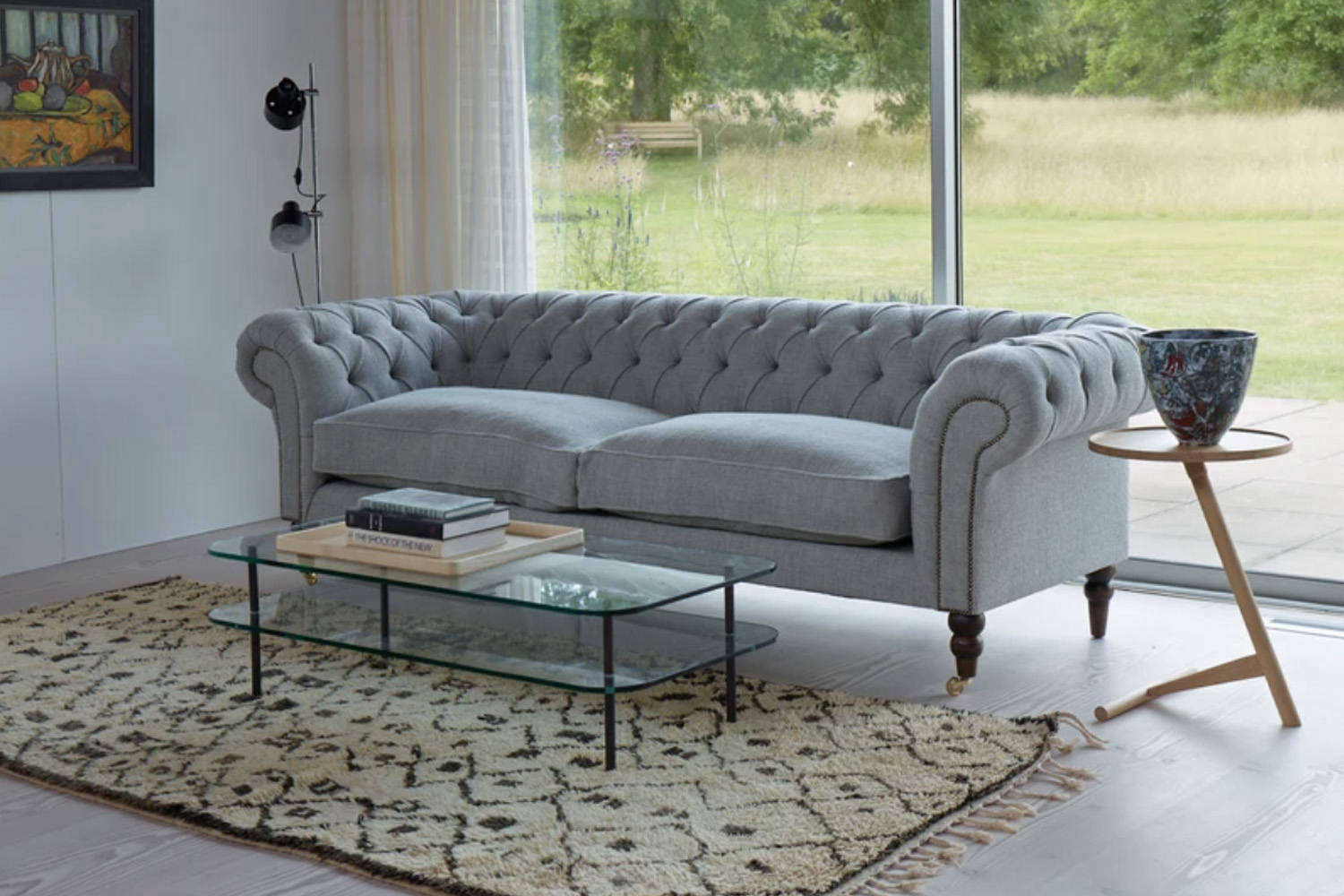
A modern glass coffee table performs a clever disappearing act. It provides a useful surface, anchors the seating area, and introduces a strong design statement without dropping a giant visual brick in the middle of the room. In a compact apartment, that transparency can make the floor plan feel noticeably more open. In a larger living room, glass allows a sculptural base, colorful rug, or beautiful flooring to remain part of the show.
Of course, not every glass table is an invisible rectangle balanced on four nervous-looking legs. Today’s best designs include smoked glass, curved silhouettes, solid wood supports, architectural steel frames, display shelves, and bases that look suspiciously ready for a museum pedestal. Some are modernist classics that have remained desirable for decades. Others offer the same airy effect without requiring a furniture budget that needs its own financial advisor.
The following ten modern glass coffee tables were selected for their proportions, visual character, material combinations, and usefulness in real homes. Together, they cover everything from iconic mid-century design to compact, affordable furniture. Consider this a shortcut to finding a glass table that looks intentional rather than like it wandered away from an office reception area.
Why Modern Glass Coffee Tables Still Work
Glass keeps sight lines open, reflects natural light, and reveals the materials underneath it. Those qualities are particularly valuable when a room already contains a large sectional, dark upholstery, dramatic artwork, or a patterned rug. Instead of competing with those elements, a transparent tabletop lets them breathe.
The base is therefore especially important. With no opaque top to hide behind, every joint, support, weld, shelf, and slab of wood remains visible. That is why the most memorable glass coffee tables tend to have carefully considered structures. The glass may be quiet, but the engineering underneath it is doing plenty of talking.
Tempered glass is common in contemporary furniture because it is stronger and safer than ordinary glass. However, “stronger” does not mean “indestructible.” A glass table still deserves coasters, nonabrasive cleaning cloths, and protection from heavy objects with sharp or rough bases. It is furniture, not a test platform for your cast-iron cookware collection.
10 Easy Pieces for a Clearer, More Modern Living Room
1. Herman Miller Noguchi Table
The Noguchi Table is the obvious place to begin because few coffee tables have blended sculpture and everyday function so successfully. Designed by Isamu Noguchi in 1948, it combines a thick, freeform glass top with two curved pieces of interlocking solid wood. The base changes appearance as you walk around it, giving the table a sense of movement despite the fact that it is, thankfully, not going anywhere.
Its organic triangular shape works especially well with curved sofas, lounge chairs, and seating arrangements that feel too soft for a strict rectangle. Clear glass keeps the distinctive base fully visible, while wood adds enough warmth to prevent the table from appearing cold. It is an investment piece, but also one of the rare designs recognizable without a logo shouting from the corner.
Best for: Mid-century interiors, design collectors, and rooms needing a sculptural focal point.
2. Knoll Platner Coffee Table
Warren Platner’s 1966 coffee table proves that metal can look surprisingly delicate. Its cylindrical base is formed from numerous curved steel rods connected to circular frames. From a distance, the structure resembles a shimmering cage or a finely pleated metallic skirt. A round glass top allows the intricate base to remain the star.
The Platner Coffee Table suits glamorous modern rooms, but it can also bring elegance to an otherwise restrained interior. Pair it with a simple linen sofa, a low-pile rug, and minimal accessories, and the table supplies enough drama on its own. Because the base contains many vertical lines, it feels detailed without becoming visually heavy.
Best for: Refined contemporary rooms, luxury apartments, and anyone who believes minimalism is allowed to wear jewelry.
3. CB2 Bovisio Smoked Glass Coffee Table
The Bovisio Coffee Table offers a polished interpretation of 1970s Italian design. Created by Gianfranco Frattini and reintroduced in collaboration with CB2, it pairs gray smoked glass with gleaming tubular stainless-steel legs. The tinted top softens the transparency, giving the table more visual presence than a clear-glass design while preserving an airy profile.
This rectangular table looks especially strong beside low, deep seating. Its chrome-like frame complements leather, velvet, bouclé, and richly colored upholstery. Smoked glass also hides minor dust and fingerprints a little more gracefully than perfectly clear glass, although it does not possess actual housekeeping superpowers.
Best for: Retro-modern rooms, sophisticated lounges, and interiors using chrome or polished metal accents.
4. Blu Dot Outline Coffee Table
Blu Dot’s Outline Coffee Table takes transparency to its logical conclusion. Instead of placing glass on a contrasting base, the design uses sculptural glass construction to create a nearly invisible form. The result looks crisp, architectural, and unusually calm. It gives you a generous surface without visually dividing the room.
An all-glass coffee table works beautifully when the rug deserves attention or when several bold furniture pieces are already competing for space. It is also useful in narrow rooms because the eye continues through the table instead of stopping at it. Styling should remain disciplined: a tray, a small stack of books, and one organic object are usually enough. Covering the whole surface defeats the reason for choosing a disappearing table in the first place.
Best for: Minimalist homes, colorful rugs, small living rooms, and clean architectural interiors.
5. Blu Dot Flume Swoval Coffee Table
“Swoval” may sound like a dance move performed at a very enthusiastic wedding, but it describes a practical shape somewhere between an oval and a softened rectangle. The Flume Swoval Coffee Table uses a tempered glass top over slim powder-coated steel legs, creating a light and approachable silhouette.
The rounded corners improve circulation around the table and make the design friendlier to tight seating arrangements. Its elongated surface still provides room for books, drinks, and decorative objects, but the softened geometry feels less rigid than a standard rectangle. This is a particularly useful shape in front of a long sofa or between two facing loveseats.
Best for: Narrow rooms, long sofas, casual modern spaces, and households tired of bumping into sharp corners.
6. Room & Board Dunn Coffee Table
The Dunn Coffee Table balances the cool clarity of glass with a substantial solid-wood base. Crafted by Vermont artisans, its joinery creates the impression that the support has been carved from one continuous piece. The glass top leaves that workmanship exposed instead of hiding it below an opaque surface.
This combination is ideal for people who like modern furniture but do not want their living room to feel like a technology showroom. Wood grain brings warmth and texture, while the glass prevents the table from becoming bulky. The result can work in Scandinavian, organic modern, transitional, or mid-century-inspired rooms.
Best for: Warm minimalism, craftsmanship-focused interiors, and homes mixing modern lines with natural materials.
7. Room & Board Tyne Coffee Table
The Tyne Coffee Table is a flexible choice built around a fine-lined, hand-welded steel frame. Depending on the selected configuration, it can be paired with clear, smoked, or other glass finishes, making it easier to coordinate the table with existing furniture. The frame appears slim and delicate, yet its steel construction keeps the design grounded.
A round Tyne table can soften a room full of straight-edged furniture, while a rectangular version fits neatly in front of a traditional sofa. Smoked glass adds mood and contrast; clear glass maximizes openness. This adaptability makes Tyne useful when you know the overall look you want but would prefer not to redesign the entire room around one inflexible table.
Best for: Customized interiors, mixed metal finishes, and shoppers who want multiple shape and top options.
8. Article Vitri Glass Coffee Table
Article’s Vitri Coffee Table layers smoked tempered glass over a walnut shelf supported by smooth metal legs. The shelf remains visible through the tinted top, creating depth without making the table look crowded. It also provides a practical place for magazines, controllers, and the decorative books everyone intends to read someday.
The combination of smoked glass and walnut feels richer than an all-clear design, making Vitri a good bridge between minimalist and cozy interiors. Its compact footprint suits apartments and smaller seating areas, while the shelf adds function without introducing drawers or heavy cabinetry.
Best for: Apartments, media rooms, warm contemporary interiors, and people who need storage but dislike bulky furniture.
9. West Elm Mid-Century Art Display Coffee Table
The Mid-Century Art Display Coffee Table combines an airy glass top with a lower shelf designed for objects worth seeing. Depending on the version, the frame and shelf introduce warm wood tones and metallic details that give the table a polished mid-century character.
The display area is useful for large-format books, ceramics, travel souvenirs, or a carefully edited collection. The key word is “edited.” A transparent display table reveals everything, including the emergency pile of mail you planned to sort three weeks ago. Keep the lower level organized, and it becomes part storage, part miniature gallery.
Best for: Collectors, book lovers, styled living rooms, and anyone willing to maintain a respectable lower shelf.
10. IKEA VITTSJÖ Coffee Table
The VITTSJÖ Coffee Table demonstrates that the lightness of glass does not have to come with a luxury price. Its round tempered-glass top sits on a slim metal frame, while a lower shelf provides storage and display space. The straightforward silhouette is easy to place in apartments, guest rooms, first homes, or casual family spaces.
Because the design is visually simple, it adapts well to different decorating styles. A neutral frame blends into a minimalist room, while books, baskets, or colorful accessories can shift it toward a more eclectic look. It may not have the sculptural pedigree of a Noguchi or Platner table, but it delivers the core benefits of glass: openness, function, and flexibility.
Best for: Budget-conscious shoppers, rental homes, compact rooms, and simple modern decorating.
How to Choose the Right Glass Coffee Table
Start With the Seating, Not the Table
Measure the sofa and the open floor area before becoming emotionally attached to a particular design. A coffee table generally looks balanced when it is roughly two-thirds the length of the sofa, although unusual seating layouts may call for round, oval, or clustered tables instead. Leave enough space around it for comfortable walking and legroom.
Match the Shape to Traffic Flow
Rectangular tables align naturally with standard sofas. Oval and softened rectangular forms provide similar surface area with easier circulation. Round tables work well with sectionals, conversation areas, and rooms containing many sharp architectural lines. Freeform shapes can connect chairs and sofas positioned at different angles.
Decide How Transparent You Want to Go
Clear glass has the lightest visual effect and reveals the rug or flooring underneath. Smoked glass creates more contrast and feels moodier. Textured or cast glass can obscure fingerprints while adding an artisanal character. A visible shelf makes the table more functional but also creates another surface that requires styling and cleaning.
Inspect the Base Carefully
Because glass exposes the structure below it, the base should contribute to the design. Wood feels warm and organic. Black steel appears crisp and architectural. Chrome and polished stainless steel add shine. Brass introduces warmth and a touch of glamour. An all-glass structure is the quietest choice, but it demands the most consistent cleaning.
Think About Everyday Habits
A pristine glass table and a household containing sticky fingers, energetic pets, craft projects, and weekly pizza nights may need to negotiate a peace treaty. Tempered glass, rounded corners, sturdy supports, and a practical cleaning routine make glass easier to live with. In extremely active homes, a table with a wood frame, lower shelf, or tinted surface may be more forgiving than a fully transparent slab.
Styling a Modern Glass Coffee Table
Glass looks best when the arrangement has different heights and textures. Start with a tray to organize small objects, add two or three books, and include one sculptural or natural element such as a ceramic bowl, branch, stone, or small plant. Avoid placing too many similarly sized objects across the entire surface.
The visible area below the tabletop matters just as much as the top. Straighten rug edges, manage cables, and avoid turning the lower shelf into a parking lot for random household debris. A glass table magnifies good styling, but it is equally enthusiastic about displaying clutter.
Living With a Glass Coffee Table: Practical Experience Notes
The first thing people tend to notice after adding a glass coffee table is not the table itself but everything around it. The rug suddenly appears larger. The sofa feels less boxed in. A sculptural chair across the room becomes visible from more angles. In a small living room, this can create a surprisingly meaningful improvement without moving a wall or hiring a contractor who begins every sentence with, “Once we open this up…”
That visual openness is most noticeable with clear glass and thin supports. A large tabletop may occupy plenty of physical space, yet the room does not register it as a heavy block. This makes glass especially effective in apartments where the coffee table must serve daily functions without dominating the limited floor plan.
The second discovery is that glass encourages better housekeeping through mild public embarrassment. Dust, fingerprints, crumbs, and coaster rings are easy to see, particularly when sunlight crosses the surface. Fortunately, maintenance is simple. A microfiber cloth handles everyday dust, while a suitable nonabrasive glass cleaner removes smudges. Cleaning both sides of the top is essential; polishing only the upper surface and wondering why it still looks cloudy is a classic beginner experience.
Smoked and textured glass can be more forgiving. They still require cleaning, but they do not advertise every fingerprint with the enthusiasm of crystal-clear glass under a bright window. Homes with children may benefit from rounded corners and a stable frame, while pet owners should consider whether a transparent tabletop will confuse an excitable animal. Some pets understand glass immediately. Others conduct ongoing research.
Styling also becomes easier after a short adjustment period. Because decorative objects appear to float, fewer pieces are needed to create interest. A stack of two books, one bowl, and a small branch can look complete. On an opaque table, the same arrangement might feel sparse. This restraint is useful in modern interiors, where empty space is part of the composition rather than evidence that the decorating budget ran out.
Glass tables with shelves offer additional convenience, although the shelf should be treated as a display zone rather than an open junk drawer. Large books, one box, or a shallow basket usually work better than numerous small objects. Keeping similar items together prevents the transparent layers from becoming visually noisy.
Another practical advantage is compatibility. Clear glass does not introduce a new wood tone that must match the floor, media console, cabinets, and side tables. It can sit comfortably beside walnut, oak, painted furniture, metal, stone, or colorful upholstery. The base provides enough material to connect with the room, while the top remains neutral.
The main lesson is that a glass coffee table rewards a little discipline. Use coasters. Lift rather than drag heavy accessories. Follow the manufacturer’s care instructions. Avoid abrasive pads and harsh cleaners. Keep the arrangement simple. In return, the table can make the room feel brighter, more spacious, and more carefully designed every daynot merely on the afternoon when everything was styled for photographs.
Conclusion
The best modern glass coffee tables do more than disappear. They frame the materials beneath them, reveal thoughtful construction, improve visual flow, and give the seating area a clear center. The Noguchi and Platner tables turn the base into sculpture. Designs such as the Bovisio and Vitri use smoked glass for depth and mood. The Dunn and Tyne tables balance transparency with handcrafted wood or steel, while affordable options such as VITTSJÖ make the look accessible.
Choose according to the way the room functions, not simply the table that looks most impressive in a perfectly staged photograph. Consider traffic flow, glass type, corner shape, cleaning habits, storage needs, and the scale of the sofa. Get those decisions right, and a glass coffee table can feel almost invisible while making the entire room look betterwhich is a fairly impressive achievement for something primarily responsible for holding coffee.













