
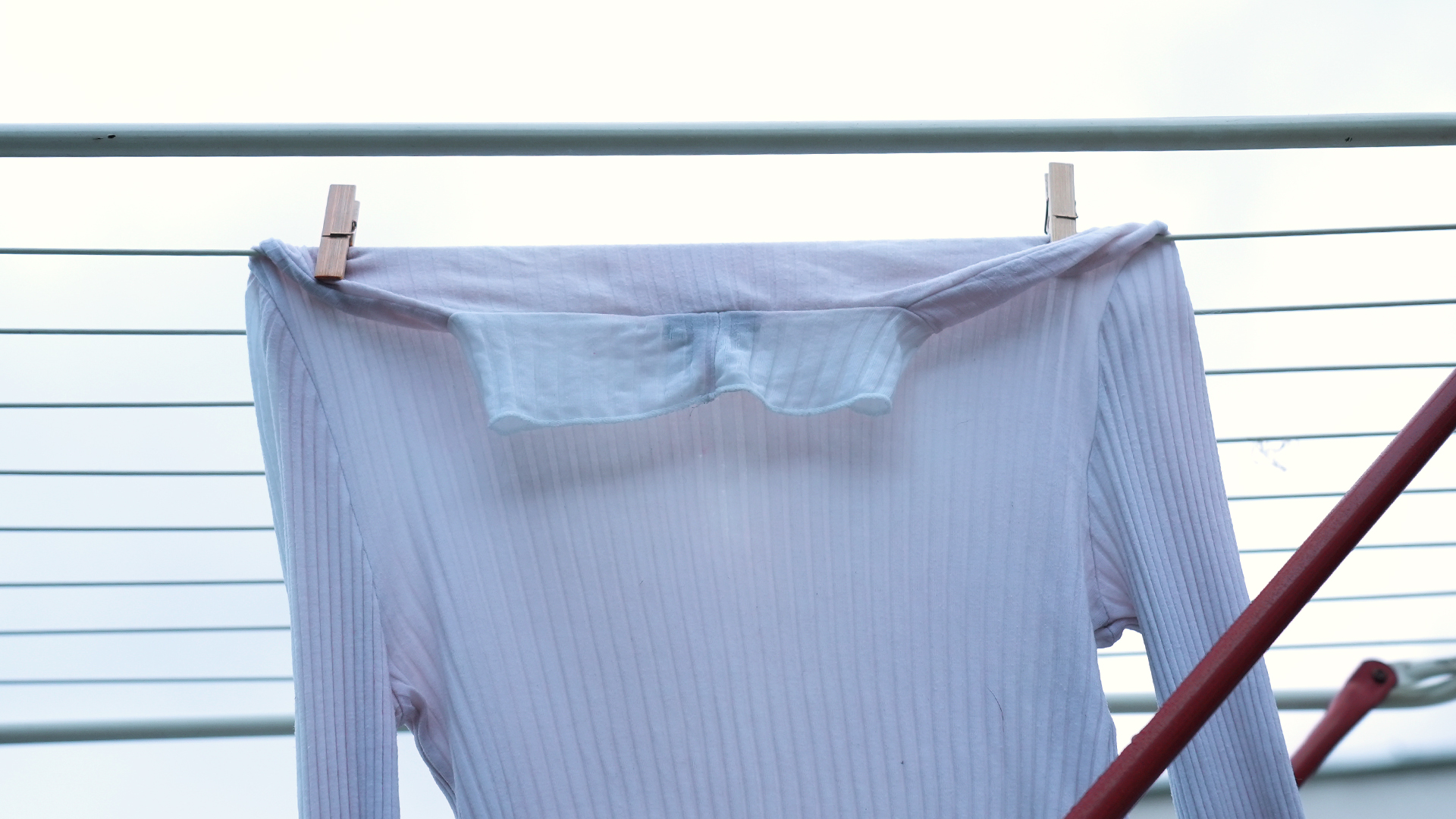
White clothes have a remarkable ability to attract coffee, tomato sauce, makeup, grass, and a mysterious gray cast that nobody remembers inviting. The good news is that restorieological evidence.
This guide covers three easy ways to bleach white clothes: adding liquid chlorine bleach to a washing-machine load, presoaking sturdy whites before washing, and using oxygen bleach for gentler whitening. Each method has a different purpose. Chlorine bleach is fast and powerful on compatible white cottons, while oxygen bleach works more slowly but is suitable for a wider range of washable fabrics.
Before Bleaching White Clothes
Read the Care Label and Fiber Content
A garment is not bleach-safe simply because it is white. Many white clothes contain spandex, elastic, colored thread, printed graphics, or fabric finishes that chlorine bleach can damage. An empty triangle on a care label generally allows bleach, a triangle with diagonal lines permits non-chlorine bleach only, and a crossed-out triangle means do not bleach.
Reserve chlorine bleach for sturdy, bleach-safe whites such as plain cotton towels, sheets, washcloths, socks, and undershirts. Avoid it on wool, silk, leather, mohair, cashmere, spandex, and garments with non-colorfast decoration. When you are uncertain, choose oxygen bleach or test a hidden seam according to the product directions.
Sort Plain Whites From Decorated Whites
A plain white towel and a white shirt with a navy logo should not automatically share a chlorine-bleach load. Bleach may brighten the shirt while sending the logo into early retirement. Separate plain whites from items with embroidery, screen printing, stripes, colored stitching, or decorative panels. Keep whites away from dark and newly purchased colored clothing to prevent dye transfer.
Measure Carefully and Never Mix Cleaners
Bleach concentration, washer capacity, and dispenser design vary, so follow the bleach container and washing-machine manual rather than relying on a universal amount. More bleach does not mean more whitening. Overuse can weaken fibers, damage elastic, irritate skin, and contribute to yellowing.
Never mix chlorine bleach with ammonia, vinegar, acidic cleaners, toilet bowl cleaner, rust remover, or homemade cleaning blends. Dangerous fumes can form. Use bleach only as directed with compatible laundry detergent and water, work with ventilation, prevent splashes, and keep products in their original labeled containers.
Way 1: Add Chlorine Bleach to the Washing Machine
Machine bleaching is the easiest method for a normal load of sturdy white cotton laundry. The washer dilutes and distributes bleach more evenly than hand-pouring it onto fabric. This approach works well for dingy towels, plain sheets, washable cleaning cloths, cotton socks, and bleach-safe undershirts.
Step-by-Step Instructions
- Sort the load. Remove colored garments, delicates, wool, silk, stretch-heavy clothing, and anything marked “do not bleach.” Check pockets for pens and the one red sock plotting a pink-laundry takeover.
- Pretreat stains. Apply a suitable laundry stain remover or liquid detergent. Bleach is not a replacement for detergent, especially on grease, body oil, or heavy soil.
- Add detergent. Put detergent in the location specified by the washer manufacturer.
- Measure the bleach. Follow the product label for the washer type, load size, and soil level. Never exceed the dispenser’s maximum fill line.
- Use the chlorine-bleach dispenser. The machine will dilute and release the bleach at the correct point in the cycle.
- Choose the water temperature. Use the warmest water allowed by every garment label in the load. Hot water may suit sturdy towels and sheets, while warm or cool water can be safer for shrink-prone items.
- Complete the cycle. Use an extra rinse when appropriate, particularly for bedding, towels, or clothing worn close to sensitive skin.
- Inspect before drying. If a stain remains, treat and rewash the item before dryer heat makes removal more difficult.
If the Washer Has No Bleach Dispenser
Never pour undiluted chlorine bleach onto dry clothes. Follow the washer manual and bleach package for the correct dilution and timing. Some top-load washers allow properly diluted bleach to enter wash water before clothing contacts it, but procedures differ. When instructions are unclear, use oxygen bleach rather than improvising.
Chlorine bleach can brighten washable white cotton and remove many oxidizable stains, but it is not universal. Do not use it on rust stains, which can become harder to remove. Underarm yellowing, grease, deodorant buildup, and body soil often need an enzyme detergent, targeted stain treatment, or oxygen bleach first.
Way 2: Presoak Sturdy Whites Before Washing
A controlled presoak gives diluted chlorine bleach brief, even contact with one or two stubbornly dingy items before the main wash. It can help a plain cotton dish towel, cotton socks, or a bleach-safe white T-shirt that has slowly changed from “bright white” to “cloudy afternoon.”
Step-by-Step Instructions
- Confirm bleach compatibility. Check the care label and fiber content for spandex, elastic, special finishes, or colored details.
- Use a clean container. Choose a plastic bucket, laundry sink, or nonreactive basin with no residue from vinegar, ammonia, acids, or other cleaners.
- Mix a fresh diluted solution. Add water first, then measure bleach exactly according to the product’s laundry-presoak instructions. Never use concentrated bleach as a spot treatment.
- Submerge the item fully. Uneven contact can cause uneven whitening. Gently move the garment through the solution while wearing gloves.
- Set a timer. Follow the package exposure time. Chlorine-bleach presoaks are usually brief; soaking for hours is not a deeper clean but a stress test for the fabric.
- Rinse and wash. Rinse as directed, then machine-wash with detergent in the warmest water permitted by the garment label.
- Air-dry for inspection. Check the result before using dryer heat.
Skip chlorine presoaking for delicate, vintage, stretch, printed, embroidered, or already-thinning fabric. Repeated strong treatment can shorten garment life even when the original label permits bleach.
Way 3: Use Oxygen Bleach for Gentler Whitening
Oxygen bleach is often labeled non-chlorine bleach, color-safe bleach, oxygen booster, or “oxi.” It releases oxygen-based stain-fighting ingredients in water, helping lift organic soil, odor, and discoloration. It works more slowly than chlorine bleach, but it is usually the better choice for white stretch shirts, synthetic blends, yellowed linens, sweat stains, and garments with colorfast details.
Add Oxygen Bleach to a Wash Cycle
- Read the garment label and product instructions.
- Pretreat concentrated stains and sort the white load.
- Add detergent and the recommended amount of oxygen bleach to the location specified for your washer.
- Use the recommended water temperature. Powdered oxygen bleach often dissolves better in warm water, but the garment label sets the temperature limit.
- Run a complete cycle and inspect clothing before drying.
Soak With Oxygen Bleach
- Fill a clean basin with the directed amount and temperature of water.
- Dissolve powdered oxygen bleach fully before adding clothes.
- Submerge the garments for the time listed on the package. Oxygen products commonly need several hours, and some allow overnight soaking.
- Drain the solution and wash normally with detergent.
- Repeat the process later if needed instead of doubling the concentration.
Oxygen bleach offers a wider margin for error and is less likely than chlorine bleach to create instant splash marks or quickly weaken compatible fabric. Still, “color-safe” does not mean safe for every textile. Test uncertain dyes and finishes, and obey any “do not bleach” instruction.
Which Bleaching Method Should You Choose?
| Laundry Problem | Recommended Method | Reason |
|---|---|---|
| Plain cotton towels or sheets | Machine wash with chlorine bleach | Fast, even treatment for sturdy bleach-safe whites |
| One very dingy white cotton item | Brief diluted chlorine presoak | Controlled extra contact before washing |
| White stretch shirt or synthetic blend | Oxygen bleach | Gentler on many washable fibers and elastic components |
| White clothing with colorfast trim | Oxygen bleach after testing | Lower risk of stripping decorative color |
| Sweat-related yellowing | Enzyme pretreatment plus oxygen bleach | Targets body soil and discoloration more appropriately |
| Rust stain | Rust-specific laundry remover | Chlorine bleach can worsen rust discoloration |
Five Mistakes That Can Ruin White Clothes
1. Pouring Chlorine Bleach Directly on Fabric
Concentrated bleach can cause uneven color loss and immediate fiber damage. Use a dedicated dispenser or a properly diluted solution exactly as directed.
2. Using More Product Than Recommended
Excess bleach can degrade cotton, damage elastic, and leave harsh residue. Measure every time, even when the laundry pile has offended you personally.
3. Ignoring Hidden Stretch Fibers
Fitted sheets, socks, underwear, athletic wear, and many T-shirts contain elastane or spandex. Check the fiber label before using chlorine bleach.
4. Drying Before Checking the Stain
Heat can make some remaining stains harder to remove. Inspect wet laundry in good light and re-treat visible marks first.
5. Expecting Bleach to Replace Detergent
Detergent lifts oil, soil, and residue; bleach alters many stain colors and brightens fabric. Use each product for its intended role.
Frequently Asked Questions
Can Every White Shirt Be Bleached?
No. White shirts may contain spandex, synthetic fibers, colored graphics, embroidery, or finishes that reject chlorine bleach. Check both the care label and fiber content.
Does Hot Water Make Bleach Work Better?
The correct temperature depends on the fabric, washer, and bleach product. Use the warmest water allowed by the garment label and follow the bleach package.
Can Chlorine Bleach Remove Yellow Armpit Stains?
It is not always the best first choice. Underarm stains often contain body oils, proteins, deodorant, and minerals. Pretreat with an enzyme detergent or stain remover, then use oxygen bleach if permitted.
How Often Should White Clothes Be Bleached?
Bleach when needed rather than automatically in every load. Good sorting, prompt pretreatment, correct detergent dosing, and thorough rinsing reduce the need for aggressive whitening.
Conclusion
The easiest way to bleach white clothes is to match the method to the material. Use measured chlorine bleach in the washer for sturdy, plain, bleach-safe cotton. Choose a brief diluted presoak when one durable item needs extra attention. Use oxygen bleach for stretch fabrics, synthetic blends, decorative whites, sweat-related discoloration, and gradual brightening.
The reliable formula is simple: read the label, sort carefully, pretreat stains, measure the product, avoid direct contact with concentrated bleach, and inspect garments before drying. White laundry may be dramatic, but the cleaning routine does not need to be.
Practical Experience: Lessons From Real Laundry Problems
Everyday laundry teaches one lesson quickly: two white garments can require completely different care. A thick cotton towel and a fitted white workout shirt may share a color, but they do not share a bleaching tolerance. The towel may handle a correctly measured chlorine-bleach cycle, while the workout shirt may contain enough spandex to weaken, lose shape, or yellow. Checking the fiber label prevents more damage than any clever whitening trick.
Early stain treatment also changes the outcome. Fresh coffee can often be rinsed, pretreated, and washed successfully. The same mark, after a week in the hamper and a trip through a hot dryer, may become permanent. Keeping stain remover near the hamper makes prompt treatment easier. Treating collars, cuffs, and underarms before they look seriously dirty also slows the gradual gray or yellow buildup commonly blamed on weak detergent.
Another practical lesson is that extra product usually creates extra trouble. Too much detergent leaves residue. An overfilled bleach compartment may release chlorine too early. Excess chlorine bleach can roughen cotton and reduce its useful life. Too much oxygen powder may not dissolve, particularly in cool water, leaving particles on fabric. Measuring takes seconds; replacing ruined sheets takes money and an unnecessarily grumpy shopping trip.
Uneven whitening is usually a process problem rather than a laundry mystery. It happens when concentrated bleach touches one area, a soaking solution is not mixed first, or part of a garment floats above the liquid. Adding water before chlorine bleach, dissolving oxygen powder completely, and keeping garments submerged produce more consistent results. A timer matters too. Walking away from a short chlorine presoak can turn into answering email, making lunch, and returning much later to weakened fabric.
White towels reveal that dullness is not always a bleach problem. Excess detergent, fabric softener, hard-water minerals, body oils, and an overloaded washer can make towels look gray and feel less absorbent. Before reaching for stronger chemicals, reduce the load, correct the detergent dose, use an extra rinse, and make sure water can move freely through the fabric. Sometimes better rinsing restores the appearance more effectively than additional bleach.
Oxygen bleach, meanwhile, rewards patience. It may need several hours to improve yellowed pillowcases, synthetic blends, or white garments with small colored details. A properly dissolved soak followed by a normal detergent wash can brighten fabric gradually without the harshness of repeated chlorine treatments.
The most dependable routine is pleasantly boring: sort whites, read labels, pretreat stains, choose the mildest effective method, measure carefully, and check the result before drying. It will not make laundry exciting, but it can keep one coffee spill from becoming a wardrobe obituary.
Note: Always follow the garment care label, washing-machine manual, and bleach package instructions. Never mix chlorine bleach with ammonia, vinegar, acids, or other household cleaners.













