
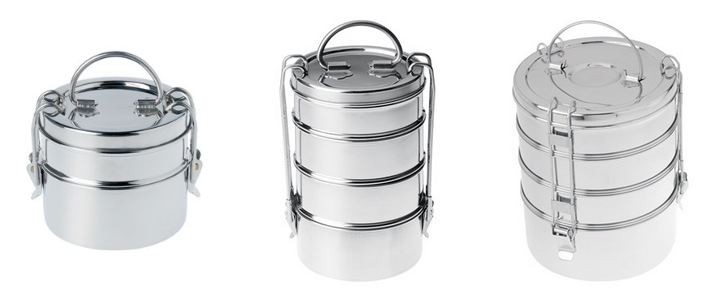
Tiffin tins are proof that a lunch container does not need Wi-Fi, an app, or seventeen blinking lights to be clever. With a few stackable compartments, a sturdy handle, and a design refined through generations of packed meals, the humble tiffin tin turns leftovers, salads, curries, snacks, and sandwiches into an organized portable feast.
Although the word “tin” suggests an old-fashioned metal can, most modern tiffin boxes are made from stainless steel. They are durable, reusable, relatively lightweight, and especially good at keeping different foods from staging an unwanted reunion before lunchtime.
What Are Tiffin Tins?
A tiffin tin is a portable lunch carrier made from two or more containers that stack vertically and fasten together. A metal frame, latch, or locking handle holds the tiers in place, allowing the entire set to be carried as one unit.
The word “tiffin” traditionally refers to a light midday meal or luncheon. Merriam-Webster traces its first known English use to 1800 and connects it to an older expression for eating between meals. Over time, the term became strongly associated with packed lunches in South Asia.
A classic tiffin set may include three or four round compartments. One tier can hold rice, another vegetables, another protein, and a final smaller container can carry chutney, fruit, yogurt, or dessert. The design is modular, which is a sophisticated way of saying your lentil curry does not have to soak your flatbread unless you specifically invite it to.
Why Are They Called Tiffin Tins?
Historically, the containers were made from metal, so “tiffin tin” became a convenient alliterative name. Today, products sold under that label may be manufactured from stainless steel, aluminum, plastic, or combinations of metal containers and silicone seals.
In everyday American shopping language, “tiffin tin,” “Indian lunch box,” “stackable lunch container,” and “stainless steel lunch carrier” are often used for the same general style of product. The details, however, matter: some models are leak-resistant rather than fully leakproof, some are insulated, and most traditional metal versions should never be placed in a microwave.
The History Behind the Stackable Indian Lunch Box
Tiffin culture developed during the period of British influence in India, but the lunch carrier became much more than a colonial-era accessory. It evolved into a practical part of everyday life for students, factory employees, office workers, travelers, and families.
The most famous example is Mumbai’s dabbawala system. Dabbawalas collect lunches prepared in people’s homes, sort the labeled containers, transport them by bicycle and train, and deliver them to workers across the city. A typical dabba contains three or four tiers holding foods such as rice, roti, dal, vegetables, yogurt, or dessert. The organized delivery system dates to the late 1800s and has long depended on reusable containers and a carefully coordinated network.
This history helps explain the design. Tiffin tins are not merely decorative stacks of shiny bowls. They were created to survive crowded transportation, frequent handling, daily washing, and the occasionally enthusiastic pothole. Their vertical structure also allows several parts of a meal to travel in the footprint of one container.
How Tiffin Tins Work
Each tier has a flat base and a rim designed to nest against the container above it. The top tier usually receives a dedicated lid. Once the compartments are stacked, side arms or a central frame lock the entire assembly together.
Traditional Non-Sealed Designs
Many traditional stainless steel tiffin boxes rely on pressure from the outer frame rather than individual silicone seals. They are excellent for relatively dry foods, including rice, roasted vegetables, sandwiches, flatbreads, sliced fruit, and thick curries.
They may not be suitable for thin soup, watery dressing, or anything that sloshes like it is auditioning for a disaster movie. These models should generally remain upright during transportation.
Leak-Resistant and Leakproof Designs
Newer tiffin tins may include silicone gaskets or separate sealing lids for every tier. Independent testing of lunch containers consistently shows that lid construction and seal quality strongly affect leakage. Stainless steel containers are often durable and resistant to staining, but a metal body alone does not guarantee that liquids will stay inside.
For soup, broth, or runny curry, choose a model specifically described as leakproof and test it with water over the sink before trusting it near your laptop. Your laptop has done nothing to deserve tomato soup.
Insulated Tiffin Containers
Traditional single-wall tiffin tins do not actively keep food hot or cold. Insulated models use double-wall construction or combine stackable containers with an insulated outer carrier. Vacuum-insulated food jars reduce heat exchange and can maintain temperatures more effectively, although real-world performance varies among products.
Benefits of Using Tiffin Tins
They Keep Foods Separate
Stacked tiers let you pack foods with different textures without turning lunch into a casserole of accidental consequences. Crunchy vegetables stay away from sauces, fruit remains separate from savory dishes, and bread does not absorb every available drop of moisture.
They Make Meal Prep Easier
A tiered container naturally encourages you to divide a meal into components. One section might contain protein, another complex carbohydrates, and another produce. Dietitians commonly recommend including a mix of protein, produce, and complex carbohydrates in meal-prepped lunches to support fullness and steady energy.
The compartments are not magic nutrition circles, of course. A three-tier tiffin filled with cookies remains three containers of cookies. It is organized, but it has not become a salad.
They Can Reduce Disposable Packaging
A reusable tiffin can replace disposable sandwich bags, plastic wrap, takeout containers, and single-use utensils. The Environmental Protection Agency encourages reusable lunch boxes and food containers as part of waste-free lunch practices and notes that switching from disposable service ware to reusable products can reduce waste and environmental impacts.
The environmental benefit depends on actually reusing the container. Buying twelve fashionable lunch boxes and abandoning eleven in a cabinet is less “zero waste” and more “private museum of good intentions.”
Stainless Steel Is Durable and Portable
Stainless steel food containers tend to be lighter than glass, resistant to staining, and easy to stack or nest for storage. Consumer product testing has also found that metal lunch boxes often withstand repeated handling better than many bulky plastic alternatives.
They can last for years when the hinges, clips, and seals are properly maintained. Small dents may develop over time, but those often become part of the container’s personality rather than a reason to retire it.
How to Choose the Best Tiffin Tin
Choose the Right Capacity
Small tiffin tins may hold snacks or a light child-sized lunch, while larger sets can accommodate a full adult meal. Capacity is more useful than the number of tiers alone. Three shallow compartments may hold less food than two deep ones.
For an average work lunch, look for enough total capacity to carry a main dish and two sides without packing every tier so tightly that opening it requires engineering equipment.
Match the Number of Tiers to Your Meals
- Two tiers: Good for a main dish and one side.
- Three tiers: Useful for a balanced lunch with a main, produce, and snack.
- Four tiers: Best for varied meals, shared food, or long days away from home.
Removable or independently usable tiers offer more flexibility. You can carry the full tower on a hungry day and leave one container at home when lunch is smaller.
Inspect the Lids and Seals
Choose smooth, well-fitting lids that are easy to remove without being loose. Silicone gaskets should sit evenly in their channels and be removable for cleaning. A gasket that traps old sauce can eventually develop odors, even when the stainless steel compartment itself remains spotless.
Check the Latching System
The frame should close securely without requiring excessive force. Thin clips may bend, while complicated latches can become frustrating during a short lunch break. Open and close the carrier several times before relying on it for daily use.
Confirm Cleaning and Heating Instructions
Some tiffin tins are dishwasher-safe, while others require handwashing to protect painted finishes, wooden handles, or specialized seals. Standard stainless steel containers are not microwave-safe. A few newer products use carefully engineered metal designs marketed for microwave use, but those are exceptions and should only be heated according to the manufacturer’s directions.
The FDA regulates substances used in food packaging, cookware, and food-storage containers. When purchasing a tiffin, choose a product specifically intended for food contact rather than repurposing an unidentified decorative metal box.
What to Pack in Tiffin Tins
Tiffin tins are closely associated with Indian food, but their usefulness is not limited to curry and rice. Their separate containers can organize nearly any portable meal.
Classic Indian-Style Tiffin
- Tier one: basmati rice or vegetable pulao
- Tier two: dal, chickpea curry, or a thick chicken curry
- Tier three: roasted cauliflower, okra, or cucumber salad
- Small container: chutney, pickle, yogurt, or a sweet bite
American Workday Lunch
- Tier one: turkey wrap or grilled chicken
- Tier two: pasta salad or roasted sweet potatoes
- Tier three: grapes, apple slices, or raw vegetables
Mediterranean Lunch
- Tier one: couscous, quinoa, or pita wedges
- Tier two: falafel or grilled chicken
- Tier three: cucumber, tomatoes, olives, and herbs
- Sealed cup: hummus or yogurt sauce
Breakfast Tiffin
- Tier one: egg bites or a breakfast sandwich
- Tier two: berries and sliced fruit
- Tier three: granola, nuts, or a muffin
Keep wet ingredients separate until serving. Salad dressing belongs in a sealed cup, and granola should not meet yogurt at 7:00 a.m. if lunch is at noon. Texture has a schedule, too.
Tiffin Tin Food Safety
A stainless steel container is a transport system, not a refrigerator. Perishable foods must remain outside the temperature “danger zone” between 40°F and 140°F. The CDC advises refrigerating perishable food within two hours, or within one hour when temperatures are above 90°F.
Keeping Cold Food Cold
The USDA recommends packing perishable lunches in an insulated lunch bag with at least two cold sources. These can include two frozen gel packs or one gel pack combined with a frozen water bottle or juice box. Placing cold sources above and below the food provides better cooling coverage.
If a refrigerator is available at work or school, transfer the tiffin to it after arrival. A traditional metal tiffin placed alone in a warm backpack will gradually approach the temperature of its surroundings, regardless of how impressively shiny it looks.
Keeping Hot Food Hot
Use a genuinely insulated food container for soup, stew, chili, or other hot meals. The USDA recommends preheating the container with boiling water, emptying it, adding piping-hot food, and keeping the container closed until lunchtime. Hot food should remain at or above 140°F.
Reheating Lunch
Transfer food from an ordinary stainless steel tiffin tin to a microwave-safe plate or bowl before reheating. The USDA recommends reheating leftovers to at least 165°F and checking the temperature with a food thermometer.
How to Clean and Maintain Tiffin Tins
- Separate every tier, lid, gasket, clip, and removable divider.
- Rinse away loose food before it dries onto the surface.
- Wash with warm water, dish detergent, and a soft sponge.
- Clean beneath removable silicone seals.
- Rinse thoroughly and dry every component before reassembling.
Reusable food-contact surfaces should be cleaned regularly with detergent and water. Smooth stainless steel is relatively easy to maintain, but crevices around rims and seals deserve extra attention.
Avoid abrasive steel wool unless the manufacturer recommends it, because aggressive scrubbing can leave scratches. For stubborn odors in silicone parts, soak them separately in warm soapy water and allow them to air-dry completely.
Do not store the tiffin while it is damp or tightly sealed. Leave the tiers open until all moisture has evaporated. Otherwise, you may open your lunch box Monday morning and discover that Friday’s onion has achieved immortality.
Common Tiffin Tin Mistakes
- Assuming every model is leakproof: Traditional pressure-fit tiers may leak when tilted.
- Microwaving ordinary metal: Transfer food unless the product is specifically approved for microwave use.
- Overfilling the compartments: Food on the rim can prevent lids and seals from closing properly.
- Packing hot and cold tiers together: Heat transfers between stacked containers.
- Ignoring the outer bag: Perishable food still needs insulation and cold packs.
- Leaving gaskets installed during cleaning: Hidden moisture and residue can create odors.
- Buying for appearance alone: Capacity, seals, handle comfort, and cleaning matter more than a photogenic lid.
What Using Tiffin Tins Is Really Like: Practical Experiences
The first noticeable experience with a tiffin tin is how satisfying the stacking mechanism feels. Packing lunch becomes a small ritual: fill one tier, place the next on top, add the lid, and pull the frame into position. The final click delivers the same emotional reward as closing a well-packed suitcase, except there is significantly more hummus involved.
The second lesson is that portion planning becomes easier. A single large food-storage box invites the cook to pile everything together until lunch resembles a geological cross-section. Separate tiers make the meal easier to visualize. Rice goes in one container, vegetables in another, and protein in a third. The structure does not force healthy eating, but it makes variety more convenient and portion sizes easier to judge. Portioning meals before storage is also a commonly recommended strategy for meal preparation.
During the first few lunches, users often discover which foods travel well. Roasted vegetables, grain salads, wraps, dumplings, sliced fruit, firm cheese, and thick stews usually behave nicely. Thin dressings and broths are less cooperative unless every tier has its own sealing lid.
A realistic test is a lunch containing rice, grilled chicken, roasted broccoli, and sliced oranges. The foods stay separate, the oranges do not perfume the chicken, and the broccoli remains recognizably broccoli. Opening one tier at a time also makes a packed lunch feel more deliberate. There is a mild sense of discovery, even though you personally packed everything six hours earlier.
Commuting exposes the difference between a tightly latched tiffin and a truly leakproof one. A traditional set may survive a careful walk to the office but release a few drops of sauce after being placed sideways in a backpack. Testing with water is therefore one of the smartest first-day habits. Fill each compartment halfway, lock the carrier, hold it over a sink, and gently tilt it. This unglamorous experiment can prevent an extremely glamorous dry-cleaning bill.
Another practical experience is the sound. Metal tiers can clink while walking, especially when they are loosely filled or carried without an outer bag. A fitted lunch tote reduces noise, provides insulation, and prevents the polished exterior from being scratched by keys, chargers, or other objects.
Cleaning is usually easier than expected. Stainless steel does not readily absorb the color of tomato sauce or turmeric, and rounded compartments have fewer corners where food can hide. Independent container tests have similarly found that metal boxes resist staining and are often easier to clean than complicated containers with many fixed corners.
The seals, however, require attention. A silicone ring can hold the aroma of curry, garlic, or onions after the metal bowl is completely clean. Removing the gasket, washing it separately, and drying it in open air solves most routine odor problems.
After several weeks, the strongest benefit is often not environmental or aesthetic but behavioral. A visible stack of containers encourages planning. Leftovers are assigned to tiers while dinner is being cleaned up, fruit is washed in advance, and lunch no longer begins with an expensive last-minute delivery order. Meal preparation can reduce daily decision-making and make home-prepared lunches more convenient during busy weeks.
The occasional inconvenience remains. Metal cannot usually go directly into the microwave, each tier creates another item to wash, and four containers may be excessive for someone who wants only a sandwich. Yet for people who enjoy varied lunches, dislike disposable packaging, or regularly carry meals with several components, a tiffin tin quickly becomes less of a novelty and more of a dependable kitchen tool.
The best experience comes from choosing a tiffin that matches actual habits. A two-tier set is often enough for simple work lunches. A three-tier model suits people who pack a main dish, vegetables, and fruit. A sealed or insulated version is more appropriate for saucy foods and temperature-sensitive meals. The perfect tiffin is not the one with the most compartments; it is the one that returns home empty, gets washed, and is ready to work again tomorrow.
Conclusion
Tiffin tins combine cultural history, clever engineering, and everyday practicality in one stackable package. They keep meal components organized, support portioned meal preparation, reduce reliance on disposable packaging, and bring a little ceremony to an otherwise ordinary lunch break.
Choose food-grade materials, inspect the seals, confirm the capacity, and decide whether you need insulation or liquid-tight lids. Pack perishable foods with proper temperature control, clean every component thoroughly, and resist the temptation to microwave traditional stainless steel. With the right model and a sensible packing routine, a tiffin tin can serve school lunches, office meals, road trips, picnics, and leftover rescue missions for many years.














