
Some dogs treat grooming like a spa day. Others act as if the brush is a medieval invention and the nail trimmer is a tiny, judgmental dragon. If your dog falls into the second category, take heart: a “difficult” dog is usually not stubborn, dramatic, or plotting your downfall. More often, that dog is scared, sensitive, overexcited, confused, or carrying bad memories from past handling.
That distinction matters. When you stop seeing grooming resistance as disobedience and start seeing it as stress, everything changes. You become calmer, your dog becomes less defensive, and grooming turns from a wrestling match into a training process. It may not become glamorous overnight, but it can become safer, kinder, and much more doable.
Whether your dog hates baths, yanks paws away during nail trims, panics at clippers, or twists like a furry pretzel the second you bring out the brush, there are smart ways to help. The best approach is not to force your dog through grooming as quickly as possible. The best approach is to reduce fear, build trust, and break the job into manageable pieces.
Here are three effective ways to groom a difficult dog, plus practical examples, common mistakes to avoid, and real-world experiences that show why patience beats panic almost every time.
1. Turn Grooming Into Training, Not a Fight
The first and most important strategy is simple: stop thinking of grooming as one giant event. For a difficult dog, grooming should be treated like a skill-building program. That means short sessions, positive reinforcement, gradual exposure, and lots of tiny wins.
Why this works
Dogs learn best when they feel safe enough to think. A dog that is already scared cannot calmly absorb your lesson on “how to tolerate a bath like a gentleman.” If you go too fast, you risk making the fear stronger. If you slow down and pair each step with good things, you help your dog build a better emotional association.
In plain English: your dog does not need a motivational speech. Your dog needs a reason to believe that grooming predicts snacks, praise, relief, and a quick exit.
How to start
Pick one grooming task and break it into the smallest steps possible. For example, if nail trims are the enemy, do not begin by clipping all four feet. Start with this sequence:
- Show the trimmer from a distance.
- Give a treat.
- Put the trimmer away.
- Touch your dog’s shoulder.
- Give a treat.
- Touch the leg.
- Give a treat.
- Touch the paw for one second.
- Give a treat.
That may sound ridiculously slow, but for a fearful dog, slow is often the fastest way forward. Once your dog stays relaxed through those tiny steps, you can build up to holding the paw, touching one nail, tapping the nail with the trimmer, and eventually clipping just the tip of one nail.
Use the “one good rep” rule
If your dog only tolerates one calm brush stroke, one second of paw handling, or one clipped nail, that still counts as success. End there. You are not trying to win the whole championship in one session. You are building confidence. Dogs remember how grooming feels. End on a win often enough, and the routine becomes less scary.
Best rewards for difficult dogs
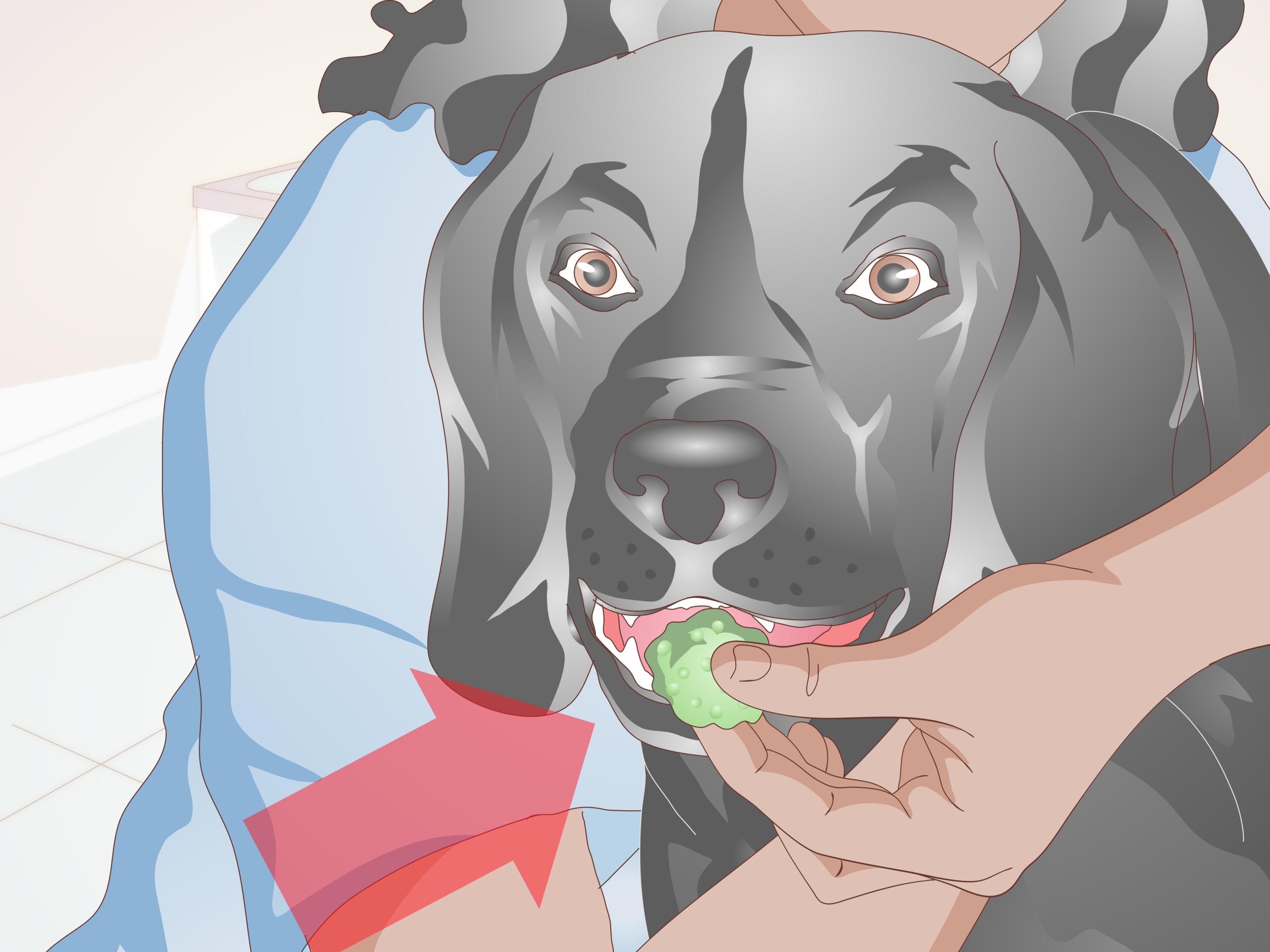
Not all treats are created equal. Dry kibble may not convince a worried dog that nail trims are a wonderful life choice. Use something special: tiny bits of chicken, soft training treats, peanut butter on a lick mat if appropriate, or another high-value reward your dog loves. Keep the reward small and frequent so you can use many repetitions without turning grooming into an all-you-can-eat buffet.
Helpful cue: consent-style grooming
Many owners have success teaching a simple “ready” position, such as a chin rest in your hand, a paw placed on your leg, or a dog standing calmly on a mat. When your dog stays in position, grooming continues. When your dog pulls away, you pause. This approach does not mean the dog runs the household. It means the dog learns that calm cooperation works better than panic.
For sensitive dogs, that tiny sense of predictability can be huge. It lowers conflict, makes the dog feel less trapped, and helps you notice stress signals before things go sideways.
2. Make the Grooming Environment Easier Than the Dog
Some owners focus so hard on “fixing” the dog that they forget to fix the setup. But grooming a difficult dog gets much easier when the environment is calm, the tools are correct, and the task is simplified.
Start with the least scary part
Do not lead with the body part your dog hates most. If your dog dislikes paws, do not open with a dramatic foot grab. Start with areas your dog already tolerates, such as the shoulders, chest, or back. Build rhythm, praise, and confidence there before moving to more sensitive spots like feet, face, ears, tail, or sanitary areas.
Choose the right tools
A difficult dog often becomes even more difficult when the grooming tools are wrong. A brush that pulls, a dryer that roars, or clippers that vibrate like a tiny chainsaw can undo your progress fast. Use tools suited to your dog’s coat and sensitivity level. In many cases, a slicker brush, comb, soft towel, blunt-tip grooming tools, pet-safe shampoo, and properly sized nail trimmers are the basics worth having.
If your dog is terrified of the dryer, skip the full salon soundtrack for now. Towel drying may be the better option at first. If your dog hates traditional clippers, a grinder might work better for some dogs, while others prefer the opposite. There is no universal winner. The right tool is the one your dog can tolerate safely.
Brush before the bath
This is one of those simple grooming truths that saves time, frustration, and several muttered words you do not want your dog to learn. Brush out loose hair and manageable tangles before bathing. Water can tighten mats, make detangling harder, and turn a mildly annoying coat issue into a full-blown fur project.
If your dog is badly matted, do not start snipping wildly with scissors while whispering, “Hold still, buddy.” That is how accidents happen. Severe mats may require a professional groomer or veterinarian, especially if the dog is frightened, painful, or impossible to handle safely.
Control the room
Groom in a quiet space with decent footing. Slippery floors make dogs feel unstable. A non-slip mat on the floor or in the tub can help immediately. Keep sessions private if your dog is easily overstimulated. That means no kids running by, no doorbell chaos, and no audience giving unhelpful commentary like, “Wow, he really hates this.” Yes, thank you, we had noticed.
Use the power of short sessions
One of the best grooming hacks for difficult dogs is also the least flashy: stop sooner. Instead of doing a full bath, blow-dry, nail trim, ear clean, and brushing session in one shot, split the work across days.
- Monday: brush the back and sides
- Tuesday: touch paws and trim one or two nails
- Wednesday: quick bath
- Thursday: comb feathers or tail
- Friday: ear check and treat party
Is it glamorous? No. Is it effective? Very often, yes. A difficult dog usually does better with a series of calm mini-sessions than one marathon that feels like an unwanted reality show called America’s Next Top Grooming Meltdown.
Prep your dog’s body and brain
A short walk or light play session before grooming can help many dogs settle. Not every dog needs to be exhausted, but a dog with some physical and mental outlet is often easier to handle than one who has spent the last four hours storing chaos for later.
That said, do not groom a dog who is panting hard from intense exercise or already overstimulated. Aim for pleasantly relaxed, not wildly zooming and not half-asleep in protest.
3. Know When to Call in Backup
There is a big difference between being patient and being unrealistic. Some grooming problems can be improved at home. Some need professional help. The smartest dog owners know the difference.
Signs you should not push through at home
- Your dog growls, snaps, or bites during grooming.
- Your dog panics so hard that handling becomes unsafe.
- Your dog has severe matting, skin issues, or painful areas.
- You cannot trim nails without major restraint.
- Your dog’s grooming needs are more technical than your skill set.
In those cases, “just get it done” can backfire. Forced grooming may make the fear worse next time and may put both you and your dog at risk. A trained groomer, fear-aware veterinary team, or veterinary behavior professional may be the safer path.
Pick the right groomer
Not every groomer is the right fit for a difficult dog. Ask questions before booking:
- Do you work with fearful or handling-sensitive dogs?
- Can you schedule a quiet time of day?
- Will you allow short introductory visits?
- How do you handle a dog who needs breaks?
- Do you stop if the dog becomes too stressed?
A good groomer will not be offended by these questions. In fact, a thoughtful groomer usually appreciates them. You are not being “extra.” You are trying to keep your dog safe and prevent a bad experience from becoming a repeated one.
When a veterinarian should be involved
If your dog has painful ears, inflamed skin, infected paws, heavily impacted coat, mobility problems, or intense fear, talk to your veterinarian. Sometimes the grooming battle is not just behavioral. Sometimes the dog is sore, itchy, arthritic, or medically uncomfortable. A dog who screams during brushing might not be dramatic at all. That dog may be hurting.
Veterinarians can also advise you if a calm-care plan is needed before professional grooming. That may include behavior modification, medical evaluation, or, in some cases, vet-guided support for especially severe situations. The key point is this: do not medicate your dog on your own just because bath day has become a household legend.
A practical example
Imagine a rescue dog named Daisy who tolerates petting but whips around when anyone touches her rear legs. Her owner wants to tidy her coat and trim nails at home. Instead of forcing the issue, the owner begins cooperative handling on the front half of the body, rewards calm behavior, and teaches Daisy to rest her chin on a towel for treats. After two weeks, Daisy allows brief back-leg touches. After another two weeks, one rear paw can be held for two seconds. The owner trims one nail, throws a tiny celebration, and stops.
Is that slower than taking Daisy to a full grooming appointment right away? Absolutely. But it is also more likely to preserve trust and reduce future fear. And if Daisy still cannot safely tolerate the process, her owner now has useful information to share with a groomer or veterinarian.
Common Mistakes That Make Grooming Harder
- Going too fast: The dog copes once, then melts down the next time.
- Only grooming when the dog is a disaster: Infrequent, high-pressure sessions create dread.
- Using punishment: Yelling or scolding may suppress movement for a moment, but it often increases fear.
- Ignoring stress signals: Lip licking, freezing, panting, whale eye, paw pulling, and head turns matter.
- Trying to do everything in one sitting: This is the human version of optimism and the canine version of betrayal.
- Using unsafe shortcuts: Cutting out mats carelessly, restraining too hard, or pushing through panic can lead to injury.
Good grooming is not about domination. It is about technique, observation, timing, and honesty. Your dog does not need you to become a magician. Your dog needs you to become predictable.
Final Thoughts
If you need to groom a difficult dog, the best three-part strategy is clear: train the dog through gradual positive exposure, improve the environment and setup, and bring in professional help when safety or stress says it is time. Those steps sound simple, but together they can transform the whole experience.
Some dogs will improve quickly. Others will need weeks or months of steady practice. That is okay. Progress in grooming is still progress, even when it looks like one calm paw touch, one successful brush stroke, or one nail clipped without a dramatic interpretive dance.
In the end, grooming is not just about cleanliness or appearance. It is about health, comfort, trust, and making routine care less frightening for the dog in front of you. And that is a win worth working for.
Real-World Experiences With Difficult Dog Grooming
Many dog owners discover the same thing the hard way: the first grooming battle feels personal, but it usually is not. A dog who jerks away from a brush or refuses a bath is not trying to embarrass you in front of the neighbors. The dog is reacting to discomfort, fear, unfamiliar sensations, or a loss of control. Once owners understand that, the emotional temperature in the room drops fast.
One common experience is the “I thought this would take ten minutes” moment. An owner gets the shampoo, towel, brush, and nail trimmers ready, then finds out the dog objects to every single phase of the plan. The brush is suspicious. The tub is apparently lava. The dryer is a jet engine. The nail clippers are clearly part of a conspiracy. What began as a neat Saturday task turns into a life lesson on patience. Oddly enough, this frustrating moment is often where real progress starts, because the owner finally stops rushing and begins training instead.
Another frequent experience is discovering that tiny routines work better than heroic efforts. Owners who struggle the most are often trying to complete full grooming in one session. Owners who start succeeding usually do less, not more. They brush for thirty seconds while feeding treats. They handle paws during calm TV time. They practice stepping into the tub with no bath at all. They reward the sound of clippers before clippers ever touch the coat. None of these steps look dramatic, but together they build a dog who no longer sees grooming as an ambush.
Rescue dogs and older dogs often bring especially emotional experiences. Some may have unknown histories with rough handling. Others may have arthritis, skin sensitivity, ear pain, or simple age-related stiffness that makes routine grooming harder. Owners often say the breakthrough came when they stopped labeling the dog as “bad” and started asking, “What part of this feels awful to my dog?” That shift changes everything. Suddenly the goal is not obedience at all costs. The goal is comfort plus cooperation.
Many owners also report a surprisingly strong bond forming through gentle grooming practice. A nervous dog who once fled at the sight of a brush may begin leaning in for a few strokes. A paw-shy dog may eventually offer a foot voluntarily because past sessions predicted treats and relief, not force. These moments may seem small from the outside, but they feel huge when you have worked for them. They are the grooming version of your dog saying, “Okay, I’m willing to try this with you.”
And yes, there are still setbacks. A quicked nail, an itchy skin flare, a loud dryer at a grooming salon, or one rushed session can temporarily undo confidence. That does not mean you failed. It means you go back a step, rebuild, and keep the process kind. Most long-term success stories in difficult dog grooming are not smooth, perfect stories. They are messy, realistic stories full of adjustments, humor, snack crumbs, and eventual improvement. In other words, they are exactly how life with dogs usually works.














