
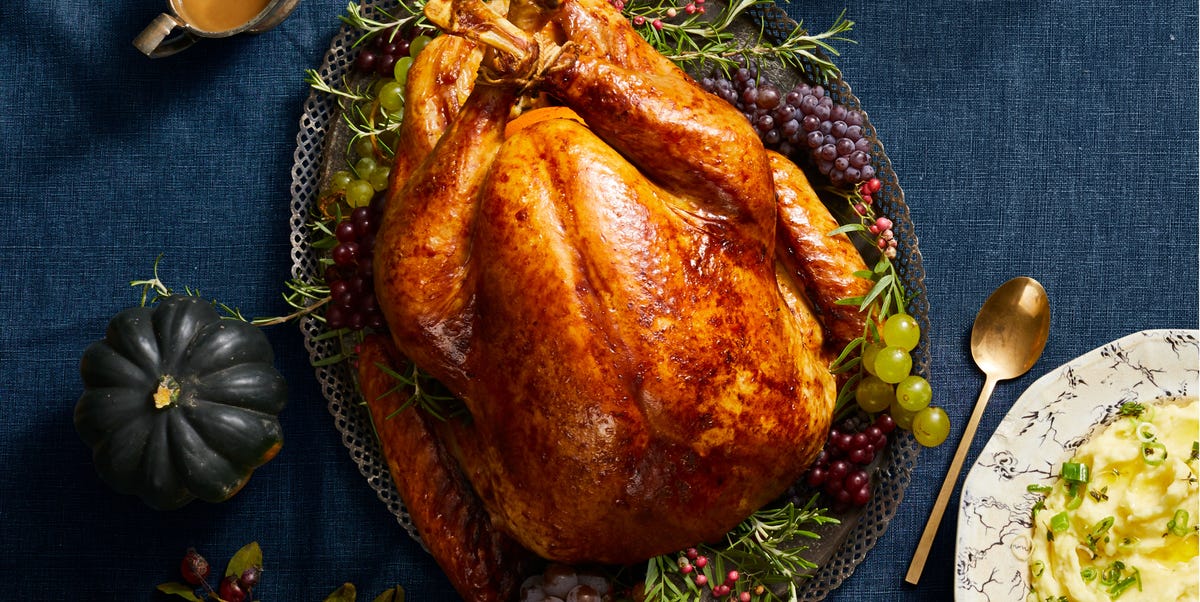
A beautifully roasted turkey has a strange amount of responsibility. It has to arrive at the table looking magnificent, stay juicy enough to silence the dry-turkey jokes, produce crispy golden skin, and somehow finish cooking at roughly the same time as six side dishes competing for oven space.
The good news? Making the best turkey recipe is less about performing culinary wizardry and more about controlling a few important variables: thawing the bird completely, seasoning it early, drying the skin, monitoring temperature carefully, and giving the turkey enough time to rest.
This recipe combines a simple dry brine with garlic-herb butter and straightforward oven roasting. The result is deeply seasoned turkey with tender breast meat, flavorful dark meat, crisp skin, and pan drippings begging to become gravy. No complicated injection equipment, marathon basting schedule, or Thanksgiving morning panic required.
Why This Is One of the Best Ways to Roast a Turkey
There are dozens of ways to cook Thanksgiving turkey. You can wet-brine it, smoke it, grill it, spatchcock it, roast it in pieces, deep-fry it, or spend several hours arguing with relatives about which technique Grandma actually used.
For a traditional whole roasted turkey, however, a dry brine is particularly useful. Salt has time to season the meat before roasting, while leaving the turkey uncovered in the refrigerator helps dry the exterior. A dry surface is exactly what you want when chasing deeply browned, crisp turkey skin.
This method also avoids dealing with a bucket full of salty liquid, which is convenient when refrigerator real estate is already occupied by pies, casseroles, cranberry sauce, and approximately seventeen containers nobody is allowed to touch until Thanksgiving.
What makes this turkey work?
- Dry brining: Seasons the turkey ahead of time and promotes better browning.
- Uncovered refrigeration: Helps remove surface moisture for crispier skin.
- Herb butter under the skin: Adds richness directly to the breast meat.
- A hot initial roast: Encourages early browning.
- Temperature-based cooking: Prevents relying entirely on unreliable cooking times.
- A proper rest: Gives juices time to redistribute before carving.
Ingredients for the Best Turkey Recipe
This recipe is designed for a 12- to 14-pound whole turkey, which generally feeds about 10 to 12 people depending on appetites and how strongly your family believes in leftovers.
For the turkey and dry brine
- 1 whole turkey, 12 to 14 pounds, completely thawed
- 3 tablespoons Diamond Crystal kosher salt, or about 2 tablespoons Morton kosher salt
- 1 tablespoon light brown sugar
- 1 teaspoon freshly ground black pepper
- 1 teaspoon garlic powder
- 1 teaspoon dried thyme
- 1/2 teaspoon dried sage
For the garlic-herb butter
- 8 tablespoons unsalted butter, softened
- 3 garlic cloves, finely grated or minced
- 1 tablespoon chopped fresh rosemary
- 1 tablespoon chopped fresh thyme
- 1 tablespoon chopped fresh sage
- 1 teaspoon finely grated lemon zest
- 1/2 teaspoon black pepper
For the roasting pan
- 1 large onion, quartered
- 2 celery stalks, roughly chopped
- 2 carrots, roughly chopped
- 1 lemon, quartered
- Several sprigs rosemary, sage, or thyme
- 1 tablespoon neutral oil or olive oil
- 1 to 2 cups unsalted turkey or chicken stock, if needed
Important: Check the turkey label before brining. Some turkeys are already injected, enhanced, self-basting, or treated with a salt solution. Heavily salting one of those birds again can result in Thanksgiving turkey that tastes suspiciously like the ocean.
How to Thaw a Frozen Turkey Safely
Before discussing rosemary butter and beautifully browned skin, deal with the least glamorous but most important part: thawing.
For refrigerator thawing, a useful planning rule is approximately 24 hours for every 4 to 5 pounds of turkey. A 12- to 16-pound bird therefore typically needs roughly three to four days in a refrigerator kept at 40°F or colder.
Keep the wrapped turkey on a rimmed tray or pan so any leaking liquid cannot drip onto other food.
If time is short, the cold-water method is faster. Keep the turkey in leak-proof packaging, submerge it in cold water, change the water every 30 minutes, and estimate approximately 30 minutes per pound. Turkey thawed this way should be cooked immediately.
Do not thaw a raw turkey on the kitchen counter.
Step 1: Skip Washing the Turkey
It may seem logical to rinse poultry before cooking, but it is unnecessary and can increase the risk of spreading bacteria around the sink, counters, utensils, and nearby food.
Cookingnot rinsingis what makes poultry safe.
Remove the turkey from its packaging, take out the neck and giblets, and thoroughly pat the exterior dry with paper towels. Wash your hands after handling the raw bird and clean any surfaces or utensils that contacted raw turkey juices.
Step 2: Dry-Brine the Turkey
Mix the kosher salt, brown sugar, pepper, garlic powder, thyme, and sage.
Carefully loosen the skin over the breast and upper legs without tearing it. Sprinkle part of the dry-brine mixture directly onto the meat beneath the skin. Season the outside of the turkey and lightly season the cavity as well.
Place the turkey breast-side up on a rack over a rimmed roasting pan or sheet pan. Refrigerate it uncovered for 24 to 48 hours. Even an overnight dry brine makes a meaningful difference, while additional refrigerator time allows the seasoning to distribute and the skin to become progressively drier.
Do not rinse the dry brine away before cooking.
Step 3: Make the Garlic-Herb Butter
Combine softened butter with garlic, rosemary, thyme, sage, lemon zest, and black pepper.
Notice what is missing: extra salt. The turkey has already been dry-brined, so salted butter or another generous shower of salt is unnecessary.
Gently spread most of the herb butter underneath the breast skin. This places flavor where it matters rather than leaving all those herbs sitting dramatically on top of the bird while the meat beneath wonders what happened.
Rub a thin coating of oil over the exterior skin. Butter tastes fantastic, but oil handles high roasting temperatures well and helps the surface brown without introducing additional milk solids that can darken quickly.
Step 4: Prepare the Turkey for Roasting
About 30 to 45 minutes before roasting, remove the turkey from the refrigerator while you prepare the oven and roasting pan.
Position an oven rack in the lower third of the oven and preheat to 425°F.
Place chopped onion, celery, and carrots in the roasting pan and position a roasting rack above them. Put the turkey on the rack breast-side up.
Place the lemon quarters and a few fresh herb sprigs loosely inside the cavity. These aromatics provide pleasant fragrance without creating the dense mass that bread stuffing would.
For the simplest and most predictable cooking, prepare your traditional stuffing or dressing separately in a casserole dish. If you do stuff the turkey, both the turkey and the center of the stuffing must reach at least 165°F.
Tuck the wing tips underneath the bird so they do not burn. You can loosely secure the legs, but avoid tying the turkey into an extremely tight little package. Better air circulation around the legs can help them cook efficiently.
Step 5: Roast the Turkey
Roast the turkey at 425°F for about 30 minutes to jump-start browning.
Then reduce the oven temperature to 325°F and continue roasting until done.
If the breast or other exposed areas become beautifully brown before the meat is finished, loosely cover those areas with aluminum foil. This allows cooking to continue while slowing additional browning.
You can add a little unsalted chicken or turkey stock to the roasting pan if the drippings begin to scorch. There is no need to turn the bottom of the pan into turkey soup; just enough liquid to prevent burning is plenty.
How long does it take to roast a turkey?
For planning purposes, an unstuffed 12- to 14-pound turkey cooked primarily around 325°F commonly falls around the three-to-four-hour range. However, roasting time can change because of turkey size, starting temperature, oven accuracy, pan construction, airflow, and the individual bird.
Therefore, the clock should be treated as a scheduling assistantnot the final judge.
A reliable instant-read or probe thermometer is far more valuable than obsessing over minutes per pound.
What Temperature Should Turkey Reach?
For food safety, the turkey should reach a minimum internal temperature of 165°F in the thickest part of the breast and the innermost portions of the thigh and wing. Keep the thermometer probe away from bones, which can give misleading readings.
Check more than one area of a large bird. One reading does not necessarily tell you what is happening several inches away.
The legs and thighs can comfortably cook somewhat hotter than the minimum safe temperature and often develop a more tender texture in the 170°F-plus neighborhood, but make sure the breast does not continue roasting needlessly while waiting for dramatically higher numbers.
If the breast reaches temperature while the thighs need more time, shield the breast with foil and continue cooking.
Should You Baste a Turkey?
You certainly can, but this recipe does not require frequent basting.
Traditional recipes often baste turkey with butter or pan juices. It sounds reassuringly productiveyou are standing next to the oven holding a spoon, therefore Thanksgiving must be going well.
But repeatedly opening the oven releases heat, while repeatedly wetting the exterior can work against the dry surface needed for very crisp skin.
The dry brine and herb butter already provide seasoning and richness. Leave the oven door closed as much as practical and allow heat to do its job.
Step 6: Rest the Turkey Before Carving
When the turkey has reached its safe internal temperature, transfer it to a carving board or serving platter.
Let it rest for at least 30 minutes; a large turkey can comfortably rest longer while you finish gravy and side dishes.
This step is not optional fluff inserted by recipe writers who need another paragraph. Cutting immediately allows more juices to escape onto the cutting board. Resting also makes the bird easier to handle and gives you valuable oven-free time to warm casseroles or bake rolls.
Loosely tent the turkey if desired, but avoid wrapping it tightly in foil because trapped steam can soften that carefully crisped skin.
How to Carve a Roast Turkey
Carving is easier when you break the turkey into large pieces first rather than trying to create perfect slices directly from the whole bird.
- Remove each leg where the thigh connects to the body.
- Separate drumsticks from thighs at the joint.
- Remove each breast half by cutting downward alongside the breastbone.
- Place the breast on a cutting board and slice it crosswise into even pieces.
- Remove the wings at their joints.
- Arrange dark and white meat together on a warm platter.
Spoon a small amount of warm pan juice over the sliced meat if desired. Do not drown crispy skin in liquid before the platter reaches the table.
Turn the Pan Drippings Into Easy Turkey Gravy
A great turkey leaves behind something nearly as valuable as the bird itself: drippings.
Strain the liquid from the roasting pan and separate much of the fat. For a basic gravy, melt about 4 tablespoons of turkey fat or butter in a saucepan and whisk in 4 tablespoons of all-purpose flour. Cook for a few minutes until the mixture smells lightly toasted.
Gradually whisk in approximately 3 to 4 cups of defatted turkey drippings plus unsalted stock as needed. Simmer until smooth and thick enough to coat a spoon.
Taste before adding salt. A dry-brined turkey can produce well-seasoned drippings, so automatic salting is how innocent gravy ends up requiring an emergency potato intervention.
Common Turkey Mistakes to Avoid
Starting with a partially frozen bird
An icy center can cause dramatically uneven cooking. Give a frozen turkey several days to thaw safely in the refrigerator.
Brining an already heavily salted turkey
Read the package. Enhanced, self-basting, kosher, and pre-brined birds may already contain considerable salt.
Cooking strictly by time
Turkey weight gives you an estimate. A thermometer tells you what is actually happening.
Roasting until the breast is extremely hot
Turkey breast is relatively lean and becomes increasingly dry as it overcooks. Once every required part has reached a safe temperature, continuing indefinitely is not an act of caution; it is how turkey becomes construction material.
Carving immediately
Rest the bird. Thanksgiving guests can survive another 30 minutes, particularly if appetizers exist.
Frequently Asked Questions About the Best Turkey Recipe
Can I prepare the turkey the night before?
Yes. In fact, this recipe benefits from advance preparation. Dry-brine the turkey one or two days ahead and refrigerate it uncovered. You can also chop the roasting vegetables and prepare the herb mixture separately ahead of time.
Should I put stuffing inside the turkey?
You can, but cooking dressing separately is simpler and encourages more even turkey cooking. If stuffing is cooked inside poultry, its center must reach 165°F.
Do I need a roasting rack?
A rack is useful because it keeps the turkey above the pan and improves heat circulation. Without one, create a rough platform using thick pieces of onion, carrot, and celery.
How much turkey should I buy per person?
About 1 to 1 1/2 pounds of whole turkey per person is a practical range because the purchased weight includes bones and other parts that will not become sliced meat. Choose the higher end if leftovers are a major part of your holiday plans.
How long can leftover turkey stay refrigerated?
Cooked turkey should be refrigerated promptly rather than sitting at room temperature through a four-hour conversation about football. Properly refrigerated cooked turkey is generally best used within three to four days.
Practical Turkey-Roasting Experiences and Lessons From the Kitchen
The interesting thing about roasting turkey is that the biggest improvements usually come from small decisions rather than flashy techniques. Home cooks often focus on finding a magical ingredient when the real difference comes from preparation, temperature control, and knowing when to stop cooking.
Experience #1: Starting earlier makes Thanksgiving easier
One of the most common turkey-day problems occurs several days before anyone turns on the oven: the turkey is still frozen.
A large frozen bird can take days to thaw in the refrigerator. Discovering an icy cavity on Thanksgiving morning immediately changes the entire schedule. Planning the thaw four or five days ahead feels excessively cautious until the day you realize the turkey is ready and you have absolutely nothing to worry about.
The same applies to dry brining. Seasoning the bird the day before means Thanksgiving morning becomes assembly rather than preparation. That is a significant improvement when mashed potatoes, appetizers, vegetables, pies, gravy, and relatives all require attention simultaneously.
Experience #2: Dry skin matters more than aggressive basting
It can feel wrong to leave a turkey uncovered in the refrigerator. The first instinct is often to wrap everything securely.
But that uncovered rest creates visibly drier skin, which browns more effectively in the oven. Compare that with a wet exterior and the difference becomes obvious: moisture has to evaporate before browning really gets underway.
This is also why enthusiastic basting is not always helpful when crispy turkey skin is the goal. A cook may faithfully open the oven every 15 minutes, baste the turkey, lose oven heat, wet the skin again, and wonder why dinner is late. Sometimes the most productive cooking technique is simply closing the oven door.
Experience #3: A thermometer eliminates unnecessary drama
The difference between stressful turkey roasting and controlled turkey roasting often costs less than one Thanksgiving dinner: buy a dependable thermometer.
Without one, every decision becomes speculation. Is it done? Should it cook another 20 minutes? Is the clear juice test reliable? Why does one cookbook say three hours and another say four?
With a thermometer, those questions become measurements. Check the breast. Check the thigh. Check another location. If the required areas have reached the safe temperature, the turkey is ready.
This is particularly important because ovens are not identical. Two ovens set to 325°F may behave differently, and a heavy roasting pan can cook differently from a lightweight disposable pan.
Experience #4: The resting period solves multiple problems
New turkey cooks sometimes treat resting as wasted time. In reality, it is one of the most useful parts of the Thanksgiving schedule.
The turkey rests while rolls bake, casseroles return to the oven, gravy gets finished, vegetables are reheated, and somebody finally remembers the cranberry sauce sitting in the refrigerator.
A 30- to 45-minute rest also gives the meat time to settle before carving. Instead of frantically trying to synchronize every dish with the exact second the turkey exits the oven, deliberately build the rest into your schedule.
Experience #5: Simple seasoning often wins
Turkey accepts endless flavor combinationsCajun spices, citrus, maple, chile, smoked paprika, garlic, or compound butterbut classic herbs remain popular for a reason.
Rosemary, thyme, sage, garlic, butter, lemon, salt, and pepper complement turkey without disguising it. They also work naturally with gravy, mashed potatoes, stuffing, roasted vegetables, and leftovers.
The best turkey is not necessarily the bird containing the most ingredients. It is the turkey where every ingredient has a job.
Experience #6: Great leftovers are part of the recipe
Buying enough turkey for leftovers is rarely a mistake. Sliced meat can become sandwiches, soup, turkey pot pie, enchiladas, casseroles, salads, or the classic midnight refrigerator visit conducted while standing barefoot under the kitchen light.
To preserve quality, refrigerate leftovers promptly in shallow containers. When reheating sliced turkey, adding a little broth or gravy and using gentle heat helps protect the lean meat from drying out again.
Ultimately, the most reliable lesson from cooking whole turkey is that perfection does not require complicated choreography. Plan ahead, season early, keep the skin dry, trust your thermometer, and stop cooking when the bird is done.
Final Thoughts: How to Make the Best Turkey
The best turkey recipe is not built around one secret trick. It is a collection of sensible steps performed at the right time.
Thaw the bird safely. Dry-brine it in advance. Let the refrigerator help dry the skin. Put flavorful herb butter beneath that skin rather than merely decorating the outside. Roast until a thermometernot a timerconfirms the turkey has reached a safe temperature. Finally, give it a proper rest before carving.
Follow those fundamentals and you will have the things people actually care about: juicy turkey breast, tender dark meat, crispy golden skin, flavorful gravy, and enough confidence to carry that magnificent bird to the table without wondering whether everyone should have ordered pizza instead.













