
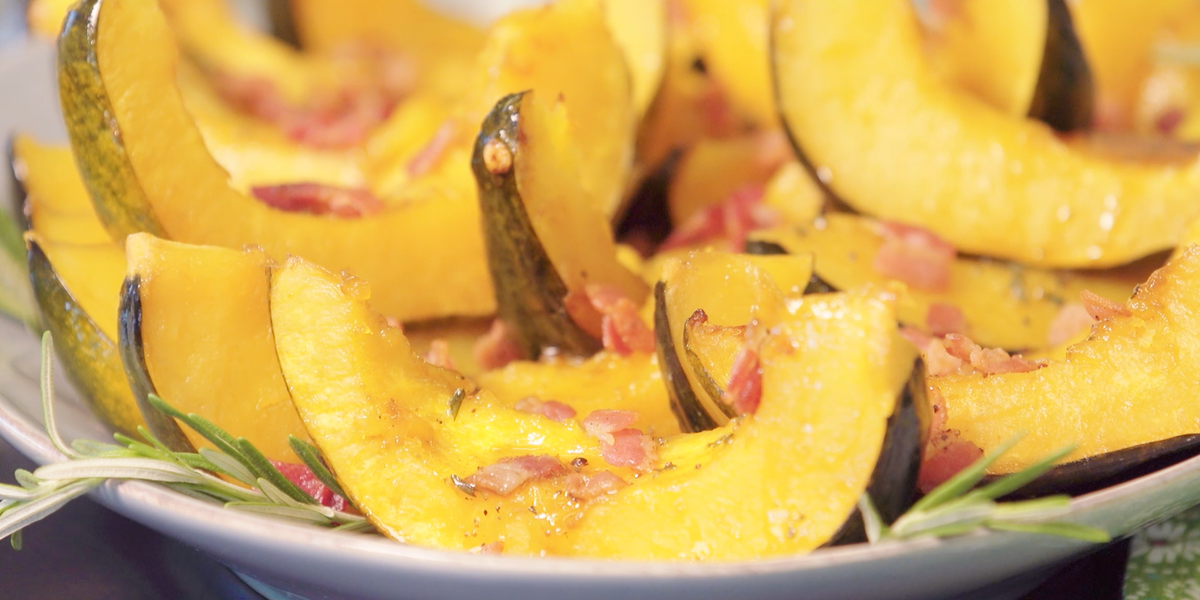
Acornecoming dinner. Its ridged shell can seem intimidating, but underneath that sturdy exterior is tender, mildly sweet flesh that becomes creamy, nutty, and beautifully caramelized in the oven.
This guide explains how to cook acorn squash safely, how to choose a good squash, and how to make the best roasted acorn squash recipe with crisp edges and a buttery maple glaze. You will also find savory variations, serving ideas, storage instructions, troubleshooting tips, and practical kitchen experiences that can save your squash from becoming watery, bland, or accidentally transformed into dessert charcoal.
What Does Acorn Squash Taste Like?
Acorn squash has a mild, earthy sweetness with a slightly nutty flavor. It is less intensely sweet than butternut squash and usually has a somewhat lighter, more fibrous texture. Roasting concentrates its natural sugars, softens the flesh, and develops browned surfaces that taste richer than squash cooked with moist heat alone.
Its relatively neutral flavor is also an advantage. Acorn squash works with maple syrup, brown sugar, cinnamon, and butter, but it is equally comfortable with garlic, sage, thyme, Parmesan, chile flakes, cumin, tahini, or balsamic vinegar. In other words, this squash does not demand a single personality. It is willing to dress for Thanksgiving or show up to taco night.
How to Choose the Best Acorn Squash
Look for a squash that feels heavy for its size and has firm, dull-looking skin. Dark green is the most familiar color, although some varieties may have orange or pale patches. A small orange area is not necessarily a problem, but a squash that is almost entirely orange may be overripe and drier inside.
Avoid squash with soft spots, wet areas, deep cracks, mold, or a stem that appears mushy. Minor surface scratches are usually harmless because the shell is thick. The stem should feel dry and firmly attached.
What Size Is Best?
Medium acorn squash weighing roughly 1 to 1 1/2 pounds are convenient for roasting. One squash generally produces two generous halves or four side-dish portions. Smaller squash often cook more evenly and may be easier to cut than oversized specimens that seem determined to test both your knife and your confidence.
Do You Need to Peel Acorn Squash?
No. Acorn squash skin is edible and becomes noticeably softer during roasting. Leaving it attached also helps wedges and halves hold their attractive shape. Diners can eat the skin or scoop the flesh away from it, depending on personal preference. h the outside thoroughly under running water before cutting, even when you do not plan to eat the peel. The knife travels through the exterior and into the flesh, so starting with a clean surface is good kitchen practice.
How to Cut Acorn Squash Safely
Use a sharp, sturdy chef’s knife rather than a small paring knife. A sharp blade requires less force and is easier to control. Place a damp kitchen towel or nonslip mat beneath the cutting board so it cannot slide.
- Wash and dry the squash completely.
- Place it on its side and identify one of the natural grooves.
- Insert the knife beside the stem and cut through the flesh toward the hollow center.
- Rotate the squash and continue cutting around the side and through the pointed bottom.
- Pull the halves apart at the stem rather than trying to force the knife through the woody stem.
- Use a sturdy spoon to scrape out the seeds and stringy fibers.
Cutting around the stem and pulling the halves apart is generally easier than attempting to slice directly through the stem. hat If the Squash Is Extremely Hard?
Pierce the skin several times with a fork and microwave the whole squash for about one to two minutes. This is not intended to cook it completely. The brief heating can make the shell slightly easier to cut. Let it stand for a minute, handle it carefully, and remember that steam may escape through the pierced areas.
Best Roasted Acorn Squash Recipe
This two-stage method creates tender flesh and deeply browned edges without exposing the maple-butter glaze to high heat for the entire cooking time. The squash begins cut-side down, which encourages even cooking and caramelization. It is then flipped and glazed near the end.
- Prep time: 15 minutes
- Cook time: 40 to 50 minutes
- Total time: About 1 hour
- Yield: 4 side-dish servings
Ingredients
- 2 medium acorn squash
- 1 tablespoon olive oil
- 1/2 teaspoon kosher salt, plus more to taste
- 1/4 teaspoon freshly ground black pepper
- 2 tablespoons unsalted butter, melted
- 2 tablespoons pure maple syrup
- 1 tablespoon packed brown sugar, optional
- 1/2 teaspoon ground cinnamon
- 1 teaspoon chopped fresh thyme or sage, optional
- Pinch of cayenne pepper, optional
Instructions
-
Preheat the oven.
Position a rack in the center of the oven and preheat it to 425°F. Line a large rimmed baking sheet with parchment paper or lightly grease it. -
Prepare the squash.
Wash and dry the acorn squash. Cut each one in half from top to bottom, working around the stem. Pull the halves apart and scoop out the seeds and stringy fibers. -
Season the first side.
Rub the cut surfaces with olive oil. Sprinkle evenly with kosher salt and black pepper. -
Begin roasting cut-side down.
Arrange the halves cut-side down on the prepared baking sheet. Roast for 25 to 30 minutes. The edges should begin to brown, and the flesh should be partially tender. -
Make the maple-butter glaze.
While the squash roasts, combine the melted butter, maple syrup, brown sugar, cinnamon, herbs, and cayenne in a small bowl. The brown sugar is optional; maple syrup alone provides plenty of sweetness. -
Flip and glaze.
Carefully turn the squash halves cut-side up. Brush the flesh generously with the maple-butter mixture, allowing some of it to collect in the cavities. -
Finish roasting.
Return the pan to the oven and roast for another 12 to 18 minutes. The squash is ready when a fork or paring knife slides easily into the thickest part of the flesh. -
Rest and serve.
Let the roasted squash rest for five minutes. Spoon any glaze from the cavities over the flesh and add a small pinch of salt if needed.
Published recipes use roasting temperatures ranging from approximately 350°F to 450°F, with cooking time changing according to the size and shape of the pieces. Halves often require 40 to 60 minutes, while thinner wedges cook faster. Fork tenderness is a more reliable test than the clock alone. n>
Why Roast Acorn Squash Cut-Side Down?
Placing the squash against the hot pan gives the cut surface direct contact with heat. That contact encourages browning while the shell helps contain moisture. The result is a tender interior with caramelized edges rather than a dry surface and an undercooked center.
Cut-side-up roasting is still useful when the squash is filled with butter, herbs, or another topping. However, beginning cut-side down provides a reliable foundation, especially when the glaze contains maple syrup or sugar. Adding the sweet mixture later also reduces the chance of burning. n>
Easy Flavor Variations
Classic Brown Sugar and Cinnamon
Replace the maple syrup with two tablespoons of brown sugar and add a pinch of nutmeg. This version tastes warm, nostalgic, and unapologetically cozy.
Savory Garlic and Parmesan
Skip the maple syrup, brown sugar, and cinnamon. Mix the butter with one minced garlic clove, black pepper, chopped thyme, and two tablespoons of grated Parmesan. Add the cheese during the final 10 minutes so it browns without becoming overly dark.
Maple-Chile Squash
Add 1/4 teaspoon of cayenne or chipotle powder to the maple glaze. The gentle heat balances the sweetness and works particularly well beside roast chicken, pork, or black beans.
Miso-Maple Glaze
Whisk one tablespoon of white miso with the maple syrup and melted butter. Because miso is salty, reduce or omit the initial salt until you taste the finished dish.
Herby Balsamic Squash
Use olive oil instead of butter and finish the roasted squash with balsamic vinegar, chopped parsley, toasted walnuts, and crumbled goat cheese.
Acorn squash regularly appears with maple syrup, butter, brown sugar, sage, thyme, chile, garlic, vinaigrettes, grains, cheese, and toasted seeds because its mild flavor can support both sweet and savory seasonings. n>
Common Roasted Acorn Squash Mistakes
Using Too Much Oil
The surface needs a thin, even coating, not an oil bath. Excess oil can make the flesh greasy and may prevent the edges from developing a pleasantly roasted texture.
Adding Sugar Too Early
Maple syrup and brown sugar can darken quickly at 425°F. Applying the glaze during the second stage gives the squash enough time to become tender while still creating a glossy caramelized finish.
Crowding the Baking Sheet
Leave space between the pieces. A crowded pan traps steam, and steamed squash does not produce the same browned edges as properly roasted squash.
Removing It According to the Timer Alone
Acorn squash varies in size, maturity, moisture, and wall thickness. Test the thickest section with a fork. If the utensil meets firm resistance, continue roasting in five-minute intervals.
Underseasoning
Sweet squash still needs salt. A modest amount sharpens the flavor and prevents a maple-glazed version from tasting flat or candy-like.
What to Serve With Roasted Acorn Squash
Roasted acorn squash is substantial enough for a holiday table but easy enough for an ordinary weeknight. Serve it with:
- Roast chicken or turkey
- Pork tenderloin or baked ham
- Grilled steak or meatloaf
- Mushroom risotto
- Wild rice with cranberries and pecans
- Lentils, chickpeas, or black beans
- Kale salad with apples and goat cheese
- Quinoa bowls with tahini dressing
To turn the squash into a main course, fill each roasted half with cooked grains, sautéed vegetables, beans, sausage, shredded chicken, or cheese. Raw meat should be cooked separately before being added to the squash filling. Stuffed halves can then be returned to the oven until the filling is hot. n>
How to Store and Reheat Acorn Squash
Cool leftovers promptly and refrigerate them in an airtight container. For best quality, use roasted acorn squash within four to five days. Food that requires refrigeration should not remain at room temperature for more than two hours, or more than one hour when the surrounding temperature is above 90°F. est Reheating Methods
- Oven: Heat at 375°F for 10 to 15 minutes.
- Air fryer: Heat at 350°F for approximately 5 to 8 minutes.
- Microwave: Heat in short intervals until hot, although the surface will be softer.
The cooked flesh can also be scooped from the shell and used in soup, pasta sauce, risotto, casseroles, mashed squash, or grain bowls. Roasted squash is a useful meal-prep ingredient because the neutral base can become sweet at breakfast, savory at dinner, or suspiciously absent after someone discovers it in the refrigerator.
Frequently Asked Questions
Can You Roast Acorn Squash Seeds?
Yes. Separate the seeds from the stringy pulp, rinse them, and dry them thoroughly. Toss with a small amount of oil and salt, spread them in one layer, and roast at 325°F to 350°F until crisp. Stir occasionally and watch closely because smaller seeds can brown quickly.
Can Acorn Squash Be Cooked in the Microwave?
Yes. Place cleaned halves cut-side down in a microwave-safe dish with a small amount of water. Microwave until tender, checking at intervals. The microwave is fast, but it will not create the same concentrated flavor and caramelized surface as oven roasting. an You Roast Acorn Squash in Wedges?
Absolutely. Cut each seeded half into 3/4-inch to 1-inch wedges, toss them with oil and seasoning, and arrange them in one layer. Roast at 425°F, turning halfway through, until browned and fork-tender. Wedges generally cook more quickly than halves. ow Do You Know When Acorn Squash Is Done?
The flesh should be soft enough for a fork or small knife to slide through without significant resistance. The edges may be golden brown, and the surface should look moist and caramelized rather than pale and hard.
Practical Experiences From Cooking Roasted Acorn Squash
The first lesson many home cooks learn is that acorn squash does not care what the recipe timer says. One squash may become tender in 38 minutes, while another squash from the same grocery bin may still be stubborn at 50. Size matters, but so do age, moisture content, oven accuracy, and the thickness of the flesh. The practical solution is simple: begin checking early and trust the fork test.
Another important experience involves the baking sheet. Squash roasted on a dark metal pan often browns faster than squash cooked on a light aluminum sheet. Parchment paper makes cleanup easier, but direct contact with a lightly oiled metal surface can produce stronger caramelization. Neither approach is universally better. Parchment is helpful when using a sticky glaze, while bare metal is excellent when maximum browning is the priority.
The cut-side-down method is especially dependable. When the squash is placed cut-side up from the beginning, the top may dry while the deeper flesh slowly catches up. Butter collected in the cavity can also remain separate from much of the flesh. Starting face down allows the broad cut surface to brown against the pan. Flipping it later creates a natural bowl for the glaze, giving you both caramelization and a buttery finish.
Sweetness is another area where restraint improves the result. Acorn squash is not as sugary as some winter squash, but it does not need to be buried under half a cup of brown sugar. A modest combination of maple syrup, butter, cinnamon, and salt enhances the vegetable instead of disguising it. The pinch of salt is essential. Without it, the glaze may taste one-dimensional. With it, the maple tastes warmer, the butter tastes richer, and the squash suddenly remembers why it agreed to become dinner.
For savory meals, garlic and herbs are often more versatile than sugar. Thyme and sage complement the earthy flavor without overwhelming it. A little chile provides contrast, while Parmesan adds saltiness and a crisp top. Balsamic vinegar or lemon juice added after roasting can brighten squash that tastes heavy or overly sweet.
Leftovers reveal how useful roasted acorn squash can be. Cold slices can be added to a kale salad with apples and nuts. Scooped flesh can thicken soup without requiring large amounts of cream. It can also be stirred into cooked pasta with browned butter and sage or mashed with salt, pepper, and Parmesan. A roasted half filled with rice, beans, vegetables, and cheese becomes an entirely different meal rather than a reheated side dish wearing yesterday’s clothes.
The final practical lesson is not to discard the seeds automatically. Cleaning them is slightly tedious, particularly when the fibers cling like they have signed a long-term lease, but roasted seeds provide a crisp snack or salad topping. Drying them thoroughly before roasting is the key to getting crunch rather than steam-softened disappointment.
Ultimately, the best roasted acorn squash recipe is less about complicated ingredients and more about controlling heat, moisture, and timing. Use a stable cutting board, keep the skin on, season confidently, allow room on the pan, and save sugary glaze for the final portion of roasting. Once those habits become routine, acorn squash changes from an intimidating ridged object into one of the easiest and most adaptable vegetables in the fall kitchen.
Conclusion
Learning how to cook acorn squash is mostly a matter of getting past the shell. Once halved and seeded, the squash needs little more than oil, seasoning, and enough oven time to become tender. Roasting it cut-side down develops browned edges, while a late application of maple-butter glaze creates sweetness without burning.
Serve the finished squash as a simple side dish, customize it with savory herbs or spices, or fill the halves with grains, beans, vegetables, meat, or cheese. It is an approachable recipe with enough flexibility to fit weeknight dinners, holiday menus, vegetarian meals, and strategic raids on the leftover container.













