
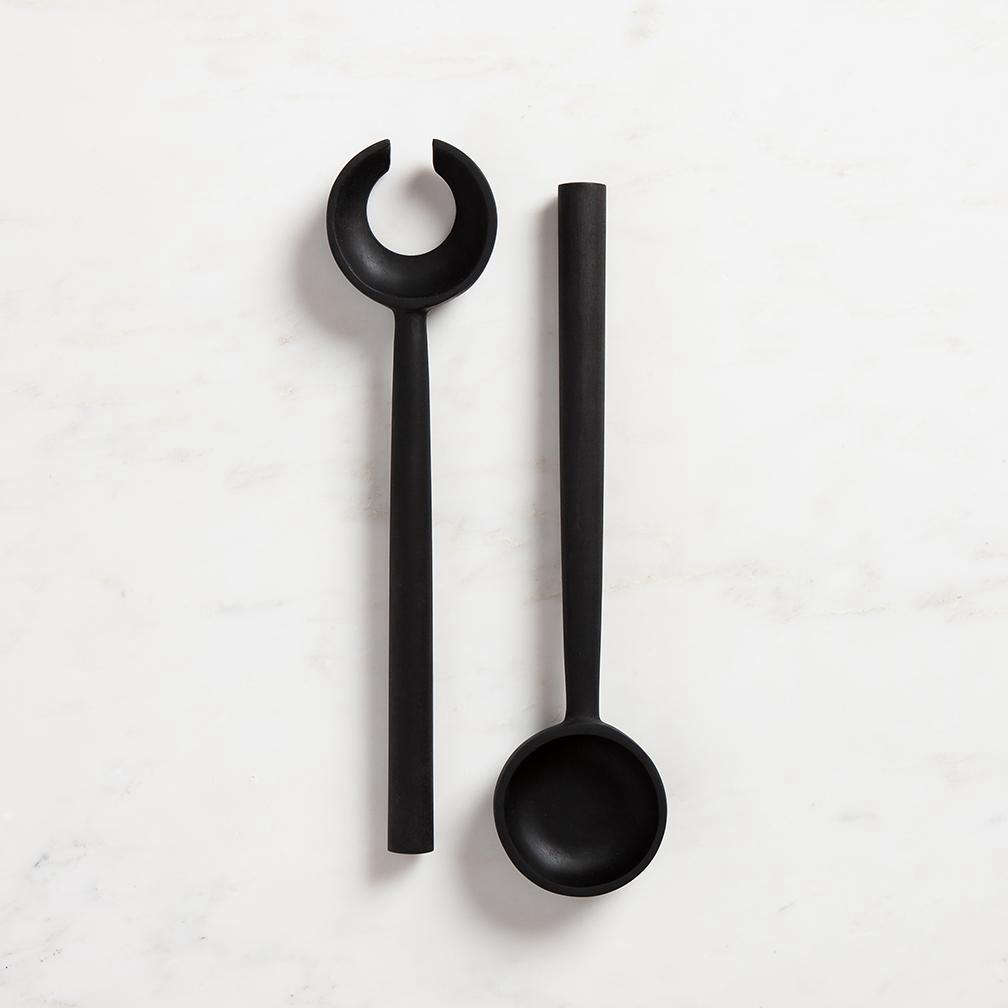
A salad fork and spoon set may look like a small detail, but try serving a large bowl of dressed greens with two ordinary dinner forks and the difference becomes obvious. Lettuce escapes, tomatoes stay at the bottom, and at least one crouton attempts an unscheduled flight across the table.
Proper salad servers are designed to lift, turn, mix, and portion ingredients without crushing delicate leaves. They also make a serving bowl look more complete, whether it is holding a simple weeknight salad or a colorful holiday creation.
This guide explains how a salad fork and spoon set works, which materials are best, what size to choose, how to match servers to different salads, and how to keep them looking good for years.
What Is a Salad Fork and Spoon Set?
A salad fork and spoon set, often called a pair of salad servers, contains two large serving utensils. One piece resembles a broad spoon, while the other has tines, slots, or a divided head similar to an oversized fork.
The spoon supports ingredients from below. The fork gathers leaves, controls slippery toppings, and helps excess dressing drain back into the bowl. Used together, the pieces form a loose cradle that can lift a balanced serving of greens, vegetables, cheese, fruit, grains, and dressing.
This serving fork should not be confused with the smaller salad fork used at an individual place setting. Traditional dining guidance positions a personal salad fork according to when the salad course will be served. Large salad servers, by contrast, remain with the communal serving bowl.
Why Two Servers Work Better Than One
A single spoon can handle potato salad, but it struggles to control leafy greens. Tongs grip effectively, although narrow or strongly sprung tongs may compress delicate lettuce. A serving fork and spoon combine support with control, allowing the user to reach the bottom of the bowl and bring heavier toppings back into the mixture.
For tossing, slide both servers down opposite sides of the bowl, lift from underneath, and turn the ingredients toward the center. This distributes dressing more evenly than stirring the surface like a person searching for a lost car key.
Popular Materials for Salad Serving Utensils
Modern salad server collections include stainless steel, acacia, teak, olivewood, brass-finished metal, marble accents, woven handles, and mixed-material designs. Major American tableware retailers offer everything from rustic wooden pairs to polished sets suitable for formal entertaining.
Stainless Steel Salad Servers
Stainless steel is one of the most practical choices for everyday use. It is durable, does not absorb odors or colorful dressings, and coordinates easily with most flatware. Many stainless steel servers are dishwasher safe, although the manufacturer’s care instructions should always take priority.
Some premium serving sets use 18/10 stainless steel, which contains chromium and nickel to support corrosion resistance and a polished appearance. Other affordable collections use 18/0 stainless steel. Both can perform well when the construction is solid and the finish is smooth.
Choose stainless steel for pasta salad, bean salad, chopped vegetables, oily vinaigrettes, and frequent family meals. It is especially useful when you would rather place the utensils in the dishwasher than begin a personal relationship with a dish towel.
Wooden Salad Servers
Wood brings warmth, natural grain, and a relaxed feeling to the table. It is also quiet against ceramic and wooden bowls. Acacia, teak, olivewood, and mango wood are common choices, and handcrafted pieces often have slightly different colors and grain patterns.
Wooden servers are gentle on bowl surfaces, but they require more attention. They should generally be hand-washed, dried promptly, and kept out of prolonged standing water. Dishwasher heat and detergent can cause natural wood to swell, dry out, split, or warp. Occasional treatment with food-safe mineral oil may help maintain the surface when recommended by the manufacturer.
Mixed-Material Sets
Mixed-material salad servers combine elements such as stainless steel heads, wooden handles, marble ends, resin details, or woven rattan. These designs can connect several textures already present on a dining table. Retail collections include wood-and-metal combinations, marble-handled servers, and polished stainless steel pieces with woven handles.
Inspect the joints carefully before buying. Water can collect where two materials meet, and decorative handles may not tolerate dishwasher cleaning. A beautiful handle is wonderful until it separates from the spoon and becomes an unexpected salad topping.
Brass, Gold, and Dark Finishes
Brass-toned, gold, black, and antiqued finishes make strong decorative statements. They work well for weddings, holiday tables, dinner parties, and modern dining rooms. Because some finishes can scratch or fade, use nonabrasive cleaning tools and confirm whether the set is dishwasher safe.
How to Choose the Right Salad Fork and Spoon Set
Start With the Length
Salad servers should be long enough to reach the bottom of a serving bowl without placing your fingers in the dressing. A length of approximately 10 to 12 inches works well for many medium and large household bowls. Current retail examples include 10-inch servers and teak pieces measuring roughly 11.8 inches.
Very short utensils can disappear into a deep bowl, while extremely long pieces may feel awkward in a smaller dish. Ideally, the handles should rest securely on the rim without causing the heads to slide completely into the salad.
Examine the Head Shape
Broad, relatively flat heads are useful for leafy salads because they lift without compressing the ingredients. A deeper spoon is better for grain, pasta, bean, and chopped salads. The fork should have useful openings or tines that can grip leaves while allowing excess dressing to drain.
Check the Balance and Grip
Pick up both utensils together when possible. They should feel comfortable, controlled, and reasonably balanced. Heavy decorative handles can make the heads difficult to guide, while thin handles may twist when serving dense food.
A lightly textured or shaped grip can be helpful when hands are damp. Smooth polished handles look elegant, but they should not feel like two small eels trying to escape into the potato salad.
Inspect the Construction
Wood should feel smooth, with no splinters or rough grain. Metal edges should be rounded and free from sharp seams. Mixed-material handles should not wobble. Also consider whether the set will fit in your utensil drawer or needs to be stored in a countertop container.
Matching Salad Servers to Different Foods
Leafy Green Salads
Choose lightweight or medium-weight servers with broad heads. A flatter spoon and open fork can gather romaine, spinach, arugula, or spring mix without squeezing the leaves.
Pasta, Grain, and Chopped Salads
These foods contain small, heavy ingredients that roll or slide. A deeper spoon and a rigid fork provide better control. Stainless steel is convenient for oily pesto, tomatoes, couscous, quinoa, beans, and strongly colored dressings.
Fruit Salads
A smooth spoon supports berries and cut fruit, while a slotted fork lets extra juice drain. Avoid rough edges that could damage ripe peaches, strawberries, or melon.
Creamy Salads
Potato, egg, tuna, and chicken salads require strong, rigid utensils. Use the spoon as the main scoop and the fork to stabilize each portion. Thin decorative servers may flex under the weight of dense food.
How to Use Salad Servers Correctly
Hold one utensil in each hand and reach down opposite sides of the bowl. Slide the heads under the ingredients, lift from the bottom, and turn everything gently toward the center. Repeat from several positions until the dressing and toppings are distributed evenly.
When serving, use the fork and spoon like a loose pair of tongs. Support the portion with the spoon and guide it with the fork. Do not clamp down aggressively; salad leaves have already experienced enough.
Rest the utensils on a small serving plate when possible. Placing them across the bowl is acceptable only when they are stable and unlikely to fall into the food.
Cleaning and Caring for Salad Serving Utensils
Always follow the manufacturer’s care directions. Plain stainless steel is generally the easiest material to maintain. Rinse off acidic dressing, salty cheese, tomato residue, and oil instead of leaving the utensils dirty overnight. When dishwasher use is approved, load the pieces so water can drain freely.
Wash wooden servers with mild dish soap and warm water. Dry them immediately and never leave them soaking in the sink. Store them only after they are completely dry. If the surface becomes dull or rough, apply a small amount of food-safe mineral oil when appropriate.
Decorative finishes, marble handles, woven details, and glued joints usually benefit from gentle hand-washing. Avoid abrasive pads and harsh cleaners that can scratch metal or damage surface coatings.
Styling Salad Servers on the Table
An easy styling strategy is to match one element of the set to something already on the table. Pair wooden servers with a wood bowl, polished steel with existing flatware, brass with candlesticks, or black handles with a modern tray.
For casual meals, place the servers directly in or beside the bowl. At a formal dinner, keep them with the communal dish while arranging individual utensils in their order of use. Traditional guidance generally places forks on the left and knives and spoons on the right, while allowing the setting to reflect the courses actually being served.
Frequently Asked Questions
Is a salad serving fork the same as a personal salad fork?
No. A personal salad fork is a small utensil used by one diner. A serving fork is much larger and is paired with a spoon to portion food from a communal bowl.
Are wood or metal salad servers better?
Wood is warm, quiet, and gentle on bowls. Stainless steel is nonabsorbent, durable, and easier to clean. The best choice depends on your bowls, serving habits, and willingness to hand-wash.
Can salad servers be used for other foods?
Yes. They can serve pasta, roasted vegetables, fruit, rolls, grilled vegetables, and many side dishes. Avoid using delicate decorative pieces for unusually heavy foods.
Real-World Experience With a Salad Fork and Spoon Set
My most memorable lesson about salad servers began with an oversized ceramic bowl and two undersized dinner forks. The salad included romaine, cucumbers, cherry tomatoes, avocado, toasted nuts, feta, and lemon vinaigrette. It looked impressive, but the utensils could stir only the top layer.
As the bowl moved around the table, the first person received mostly dry lettuce. The next person found several tomatoes and a suspicious amount of feta. The final serving contained enough nuts and dressing to qualify as a separate recipe. Nothing was wrong with the ingredients. The narrow forks simply could not lift a balanced mixture from the bottom.
At the next family meal, I used a long wooden fork-and-spoon set. The broad spoon slid beneath the heavy toppings, while the fork collected the greens and prevented them from escaping. Tossing became faster, the vinaigrette reached every layer, and each guest received a reasonable combination of leaves, vegetables, cheese, and crunch.
Nobody commented on the utensils, which was proof that they worked. Good serving tools rarely receive applause. They quietly prevent dinner from becoming a small distribution crisis.
The experience also showed that materials affect both function and atmosphere. Wooden servers felt relaxed and made little noise against the ceramic bowl. They looked ideal at a casual lunch, but they needed to be washed and dried immediately. A stainless steel pair later performed better with oily pasta salad containing pesto, olives, and sun-dried tomatoes. The steel did not absorb color or odor, and cleanup was much easier.
Handle length mattered more than expected. Short servers placed my fingers too close to the dressing, while oversized pieces felt clumsy in a medium bowl. A set around 11 inches long became the practical middle ground for most of our serving dishes. Slightly rounded handles also felt more secure when hands were damp from kitchen work.
The biggest surprise was improved portion control. Guests could take one balanced serving instead of repeatedly chasing tomatoes or scooping from several parts of the bowl. Less food landed on the table, and the salad remained attractive throughout the meal. Leftovers were better too, because the ingredients had been mixed evenly instead of removed layer by layer.
There was one disappointing purchase: a photogenic mixed-material set with heavy handles and shallow heads. It looked excellent beside the bowl but tipped inward, trapped water around the joints, and struggled with dense grain salad. That failure created a useful buying rule: judge salad servers with your hands, not only your eyes.
A reliable set should feel balanced, reach the bottom of your bowl, lift leaves and toppings together, and fit your normal cleaning routine. Attractive design is a welcome bonus, but lettuce is not impressed by glamour when it is sliding onto the tablecloth.
Conclusion
A well-designed salad fork and spoon set makes tossing, serving, and sharing food noticeably easier. Stainless steel offers convenient durability, wood adds warmth and softness, and mixed materials bring decorative personality. Focus on comfortable handles, suitable length, broad functional heads, balanced weight, solid construction, and realistic care requirements.
Choose a set for the bowl and salads you actually usenot for an imaginary dinner party attended by twelve lifestyle photographers. When function and style meet, good salad servers can move easily from ordinary weeknight meals to holiday entertaining while keeping the croutons where they belong.













