
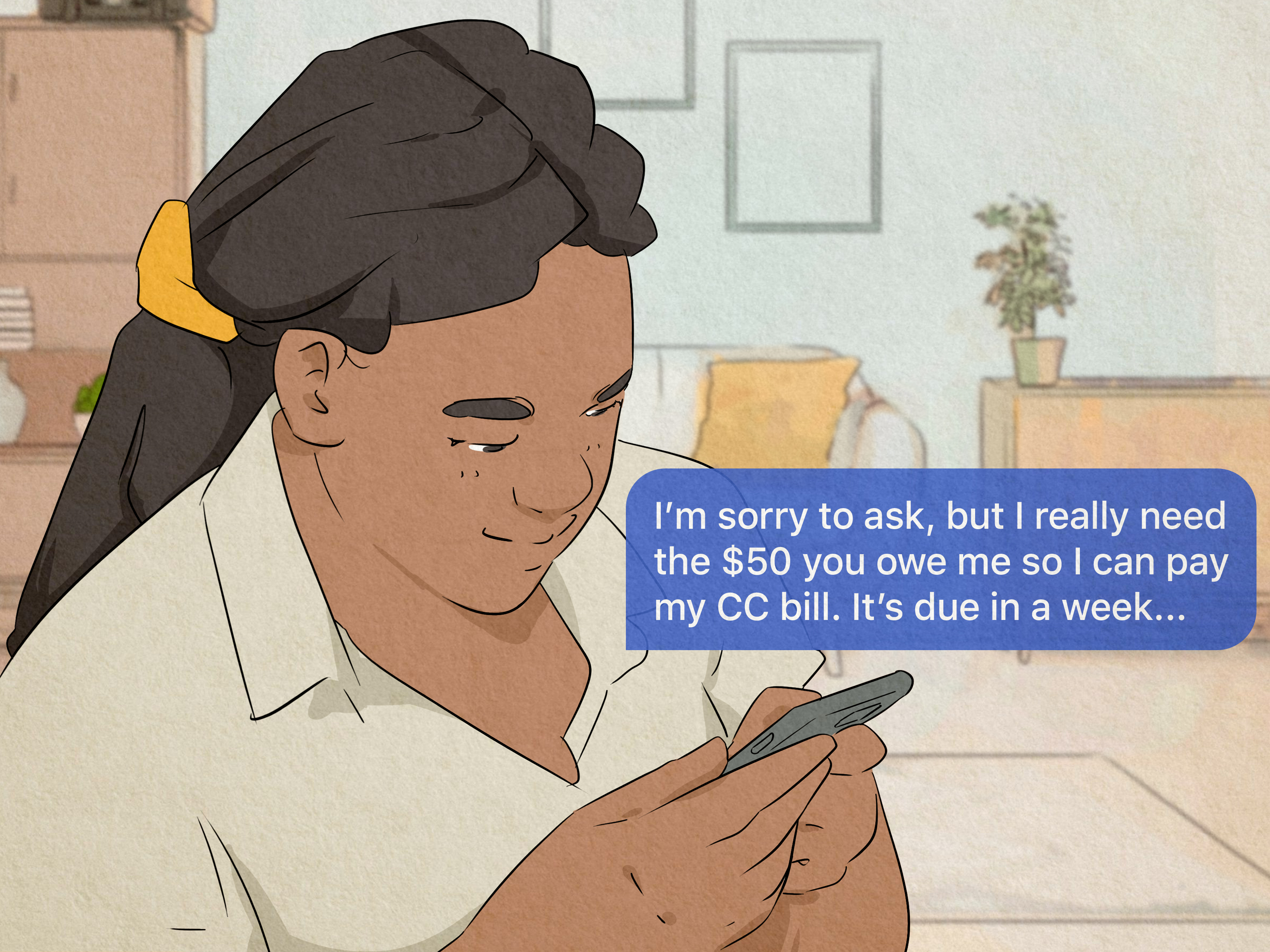
Asking a guy for money through text can feel about as relaxing as sending “we need to talk” and then watching the typing bubble disappear. Whether he is your boyfriend, a close friend, a family member, or someone you are dating seriously, money is a sensitive subject. It can bring up pride, trust, expectations, awkward silence, and, occasionally, the sudden urge to throw your phone into a decorative lake.
The good news: asking for financial help does not have to be embarrassing, manipulative, or dramatic. The key is to be honest, specific, respectful, and prepared for either answer. This guide focuses on ethical, clear communicationnot guilt-tripping, love-testing, or treating someone like a walking ATM with nice shoes.
Before you send the text, remember this simple rule: a healthy money request protects both people. You should feel safe asking, and he should feel free to say yes, no, or “I can help in a different way.” That is how trust survives the conversation.
Before You Text: Should You Ask Him for Money?
Not every financial emergency requires asking a guy for money, and not every guy is the right person to ask. Start by checking three things: your relationship, your reason, and your repayment plan.
If you barely know him, asking for money can feel suspicious or uncomfortable. If you are in a committed relationship, live together, or have helped each other before, the request may be more natural. If he has shown generosity but also strong boundaries, respect those boundaries. A man can care about you deeply and still not be ableor willingto lend money.
Also be clear about whether you are asking for a loan, a gift, or temporary help. “Can you lend me $80 until Friday?” is very different from “Can you help me with groceries this week?” Vague requests create confusion, and confusion is where resentment likes to rent a tiny apartment.
How to Ask a Guy for Money Through Text: 8 Simple Tips
1. Choose the Right Time to Text
Timing matters. Do not send a money request while he is at work, driving, dealing with family stress, or obviously in a bad mood. A rushed message can make the request feel more stressful than it needs to be.
A better approach is to ask if he has a moment first. For example:
Example text: “Hey, do you have a minute later today? I wanted to ask you about something a little awkward but important.”
This gives him emotional space. It also signals that you are not dropping a financial grenade into his afternoon with no warning.
2. Be Direct Instead of Dropping Hints
Hinting is tempting. You might want to say, “Wow, rent really came out of nowhere this month,” and hope he magically replies, “Say no more, noble maiden, here is the money.” Unfortunately, most people do not enjoy decoding financial riddles.
Be direct and polite. Direct does not mean cold. It means clear.
Example text: “I’m short $120 for my phone bill this month. Would you be comfortable lending it to me until next Friday?”
This text works because it includes the amount, the reason, and the repayment timeline. It also gives him room to decide without pressure.
3. Explain the Reason Briefly and Honestly
You do not need to write a courtroom speech, but you should explain why you need help. A simple, honest reason builds trust. Avoid exaggerating, inventing emergencies, or turning the message into a tragic five-act opera.
Example text: “My paycheck was delayed, and I need $60 for groceries and gas until it clears. Could you help me out? I can pay you back on Wednesday.”
Notice how the message is calm. It does not panic, blame, or demand. It gives context without oversharing.
4. Ask for a Specific Amount
One of the biggest mistakes people make when asking for money through text is being vague. “Can you send me some money?” puts the other person in an uncomfortable guessing game. Is “some” $20? $200? A yacht? Please do not make anyone guess-yacht.
Ask for the exact amount you need. If the amount is flexible, say so.
Example text: “Would you be able to help me with $75? If that’s too much, even $30 would help me cover part of it.”
This makes the request easier to answer. It also shows that you are thinking practically rather than emotionally dumping the whole problem on him.
5. Make the Repayment Terms Clear
If you are asking for a loan, include when and how you will repay it. This protects both of you. It also prevents future awkwardness, such as him wondering whether he should bring it up and you pretending your bank app has entered witness protection.
Example text: “Can you lend me $150 for my car repair? I can send you $75 this Friday and $75 next Friday.”
For larger amounts, consider writing the terms down in a message both people can refer back to. It does not have to be overly formal, but clarity matters. Money can strain relationships when expectations are fuzzy.
6. Give Him an Easy Way to Say No
This might sound counterintuitive, but giving him permission to say no makes your request healthier. It shows respect. It also reduces the chance that he says yes out of guilt and later feels resentful.
Example text: “I completely understand if you can’t. I just wanted to ask because I’m trying to handle this responsibly.”
A good request should not sound like a trap. If his only choices are “send money” or “feel like a monster,” the conversation is not fair.
7. Avoid Manipulation, Guilt, or Emotional Pressure
Never use love as leverage. Messages like “If you cared about me, you would help” or “I guess I know where I stand” can damage trust quickly. Even if you feel hurt or desperate, guilt-based texting usually makes the situation worse.
Instead, keep the message grounded in facts and feelings.
Better text: “I’m embarrassed to ask, but I’m in a tight spot. Would you be able to help me with $100 until payday?”
Avoid: “Wow, I guess I have nobody. Must be nice not to care.”
The second message may get a reaction, but it will not build respect. Healthy communication is not about cornering someone; it is about being brave enough to be honest.
8. Say Thank You and Follow Through
If he helps, thank him clearly. Do not act like the money floated over from the kindness cloud. A sincere thank-you matters.
Example text: “Thank you. I really appreciate it. I’ll send it back Friday morning like we agreed.”
Then do exactly what you said you would do. Repay on time. If something changes, communicate before the repayment datenot three days later with a mysterious “sorry, just seeing this.” Following through is how you keep one money request from becoming a relationship problem.
Text Message Templates You Can Copy and Customize
For a Small Loan
“Hey, I’m a little short this week and need $40 for gas. Would you be comfortable lending it to me until Friday? Totally okay if not.”
For an Emergency
“I’m dealing with an unexpected expense today and need $200 to cover it. I can repay you $100 this Friday and $100 next Friday. Would that be possible?”
For Help From a Boyfriend
“I feel awkward asking, but I want to be honest. I’m short on rent by $150 this month because of a delayed payment. Could you help me cover it? I can pay you back on the 15th.”
For Help Without Repayment
“I know this is a big ask, so please be honest with me. I’m struggling with groceries this week. Would you be willing to help me with $50? I understand if you can’t.”
What Not to Text When Asking a Guy for Money
Some texts create pressure, suspicion, or unnecessary drama. Avoid messages that sound demanding, entitled, or unclear.
Do not text: “Send me money.”
Better: “Could you help me with $60 for my utility bill until Thursday?”
Do not text: “You never do anything for me.”
Better: “I’m feeling stressed because I’m short this month. Would you be open to helping?”
Do not text: “I need money. Don’t ask questions.”
Better: “I’d rather not go into every detail by text, but it’s for an urgent bill. I can explain more if you want.”
The goal is not to sound perfect. The goal is to sound honest, respectful, and clear.
What If He Says No?
If he says no, respond with maturityeven if you feel disappointed. His refusal may not mean he does not care. He may have his own bills, debt, savings goals, family responsibilities, or personal rules about lending money.
Example response: “I understand. Thank you for being honest with me.”
If you are close, you can ask whether he knows another solution, such as a payment plan, local assistance program, extra work opportunity, or budgeting idea. But do not keep pushing after he says no. Repeated pressure turns a request into a problem.
When Asking for Money Becomes a Red Flag
Asking for help once in a while is normal. Constantly relying on one person for money is different. If you find yourself repeatedly needing financial rescue, it may be time to review your budget, income, expenses, debts, or emergency plan.
On the other side, be careful if money becomes a tool of control. If a guy uses financial help to pressure you, monitor you, shame you, demand access to your accounts, or make you feel trapped, that is not generosity. That is a warning sign.
Healthy financial support should not come with emotional blackmail, threats, or loss of independence. Money should solve a problem, not create a cage with Venmo receipts.
Experience-Based Advice: What Real-Life Money Texts Teach Us
In real life, the hardest part of asking a guy for money through text is rarely the typing. It is the emotional weight behind the message. People worry about sounding needy, being judged, damaging attraction, or changing the balance in the relationship. That is why the best money texts are not just politethey are emotionally intelligent.
One common experience is that honesty feels scary before you send the message, then surprisingly relieving afterward. For example, a woman might spend two hours rewriting a text about needing help with a car repair. She deletes “I hate to ask,” adds it back, removes three sad-face emojis, and finally sends a simple message: “I’m short $180 for the repair. Could you lend it to me until next Friday?” The reply may be yes, no, or a practical compromise, but at least the uncertainty ends. Clear communication gives both people a path forward.
Another real-world lesson: the smaller and more specific the request, the easier it is to answer. Asking “Can you help me financially?” can feel overwhelming. Asking “Can you send $45 for my prescription today?” is concrete. Specificity reduces anxiety for the person receiving the text because he knows exactly what is being asked of him.
Many people also learn that repayment builds more trust than the original request risks. If you borrow $100 and repay it exactly when promised, you show reliability. That may actually strengthen the relationship because your actions match your words. On the other hand, failing to repay without communication can create tension that lingers. Even a loving boyfriend may start wondering, “Is this going to happen again?” That question is where romance starts wearing a tiny accountant hat.
There is also an important difference between asking from vulnerability and asking from entitlement. Vulnerability says, “I’m in a tough spot, and I trust you enough to ask.” Entitlement says, “You owe me because you are a man, my boyfriend, or the person currently holding a debit card.” The first can bring people closer. The second can push them away.
Some people have positive experiences when they offer options. Instead of making one big request, they write, “Could you help with $100, or if that’s too much, maybe $40 toward groceries?” This shows flexibility and respect for his finances. It also makes it easier for him to say yes in a way that feels comfortable.
Finally, the best experience-based advice is this: do not let one money text define your worth. Needing help does not make you weak. Saying no does not make him cruel. The quality of the relationship shows up in how both people handle the conversation. A respectful ask, a respectful answer, and a clear follow-up can turn an awkward moment into a mature one.
Conclusion
Learning how to ask a guy for money through text is really learning how to communicate under pressure. Keep the message honest, short, specific, and respectful. Explain why you need the money, say the exact amount, clarify whether it is a loan or gift, and give him room to answer freely.
The best text does not manipulate. It does not guilt. It does not test his love like a pop quiz with emotional consequences. It simply tells the truth with kindness. When money conversations are handled with maturity, they can protect both your finances and your relationship.














