
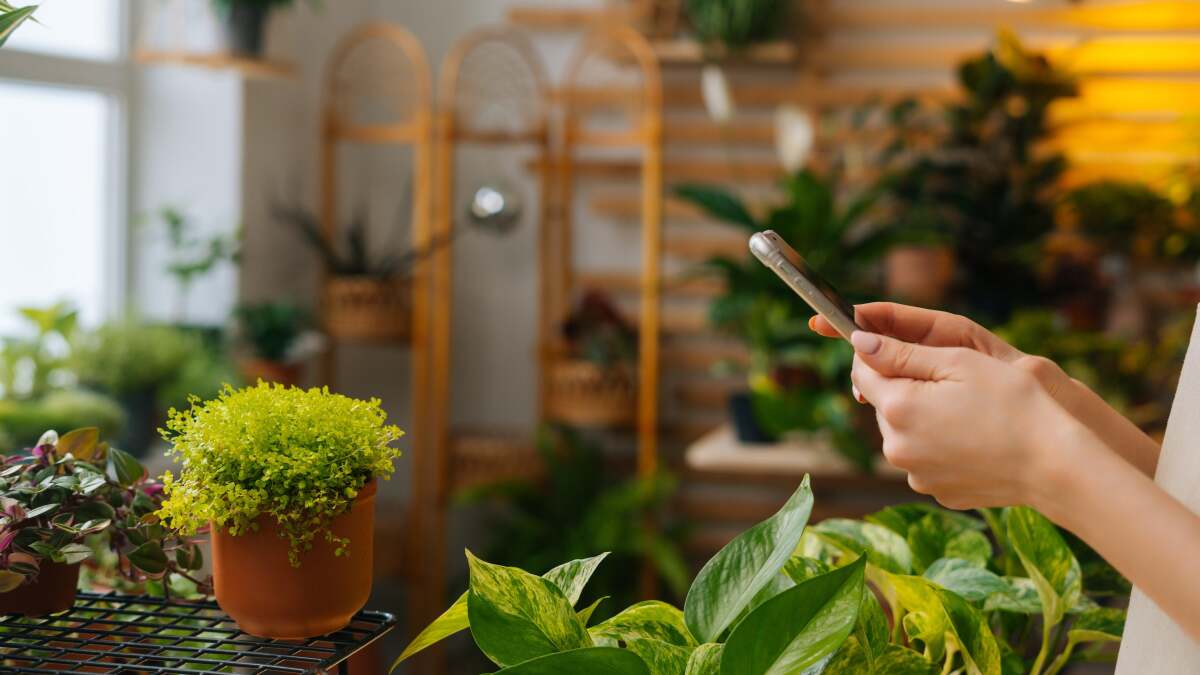
Growing healthy plants used to involve a lot of finger-poking, window-staring, calendar-marking, and occasionally asking a droopy pothos what exactly it wanted from you. Today, gardeners have another option: technology.
Plant identification apps, light meters, moisture sensors, smart irrigation controllers, digital thermometers, humidity monitors, grow-light timers, and gardening journals can turn confusing plant care into something much easier to understand. They will not magically transform a cactus into a prize-winning rose bush, but they can help you make better decisions before your plants start communicating entirely through yellow leaves.
The key is knowing which technology is genuinely useful and which numbers should be treated as clues rather than commandments. Research and guidance from U.S. universities, extension programs, the USDA, the EPA, and plant-science organizations consistently point to the same basic truth: healthier plants come from getting light, water, temperature, humidity, soil, and nutrition reasonably right. Apps and gadgets simply make those conditions easier to measure and manage.
Why Use Technology for Plant Care?
Beginners often struggle with plants because environmental conditions are surprisingly difficult to judge with human senses.
A living room may look bright to you while being relatively dim from a plant’s perspective. Potting soil can appear dry on the surface while remaining wet around the roots. A room that feels comfortable may be extremely dry for a humidity-loving tropical plant.
Technology helps replace guessing with information.
Useful gardening technology generally performs one of four jobs:
- Identifying plants and possible problems
- Measuring environmental conditions
- Reminding you to inspect or care for plants
- Automating repetitive tasks such as lighting or irrigation
The important word is help. A sensor should support observation, not replace it.
Start With a Plant Identification App
Before deciding how often to water, how much light to provide, or what fertilizer to buy, figure out what plant you actually own.
That sounds obvious until someone gives you a mysterious leafy cutting in a coffee mug and says, “I think it’s tropical.”
How Plant Identification Apps Work
Modern plant identification apps generally use image-recognition technology. You photograph a leaf, flower, fruit, stem, or whole plant, and the software compares visible features with large collections of identified observations.
Seek by iNaturalist, for example, uses image recognition built from iNaturalist observation data to help identify plants and other organisms.
For beginners, these tools can quickly narrow an unknown plant to a genus or species. Once you have a likely identification, you can research its light, moisture, temperature, soil, and hardiness requirements.
Do Not Trust One Photo Blindly
Plant identification software is helpful, but it can be wrong. Young plants, cultivars, damaged leaves, and visually similar species can confuse image-recognition systems.
Take several photographs, including:
- The entire plant
- A mature leaf
- The stem and leaf arrangement
- Flowers or fruit, when available
- The underside of leaves if identification remains uncertain
Compare the suggested identification with a reliable horticultural source before making major care decisions. This is especially important before eating a plant, treating it with pesticides, or deciding whether it is safe around children or pets.
Use Your Phone to Understand Outdoor Growing Conditions
For outdoor gardeners, one of the simplest digital tools is the USDA Plant Hardiness Zone Map.
The current USDA map divides locations according to average annual extreme minimum winter temperature. Gardeners can search by ZIP code to determine which perennial plants are most likely to tolerate winter conditions in their area.
A hardiness-zone tool is useful when selecting shrubs, trees, perennial flowers, berries, and other plants expected to survive from year to year.
However, hardiness zones do not tell you everything. They do not replace information about summer heat, rainfall, soil drainage, sunlight, wind exposure, or local microclimates.
Think of your zone as one piece of the gardening puzzle rather than the entire box lid.
A Light Meter Can Be a Houseplant Game Changer
Light is one of the most importantand most frequently misunderstoodparts of indoor plant care.
Your eyes automatically adjust to changing brightness. That makes humans rather bad light meters.
A corner that looks pleasantly bright may receive far less usable light than a spot near a window. University horticulture programs routinely emphasize that insufficient indoor light is a major limitation for houseplants.
Phone Light-Meter Apps
Some smartphones can estimate illuminance using their built-in sensors or camera. These apps commonly report light in lux or foot-candles.
They can be very useful for comparing locations.
For example, measure:
- Directly beside your brightest window
- Three feet from the window
- Six feet from the window
- A shelf you assumed was “bright indirect light”
You may discover that moving a plant only a few feet dramatically changes the amount of light it receives.
Phone measurements should generally be considered approximate unless the device and app are properly calibrated. For everyday houseplant placement, however, relative comparisons can still be extremely useful.
Dedicated Digital Light Meters
A handheld light meter is a step up for gardeners who want more consistent readings. These devices can help map the light around a home and compare different windows or grow-light setups.
North Carolina State University Extension notes that light intensity can be measured with handheld meters and that smartphone light-meter apps are also available.
Measurements become especially useful when combined with plant-specific guidance rather than vague labels such as “medium light.”
Grow Lights: Give Plants a Better Artificial Sun
If your windows cannot provide enough natural light, a grow light can dramatically expand the range of plants you can grow indoors.
Modern LED grow lights are relatively efficient and available in everything from tiny desktop lamps to powerful fixtures capable of illuminating seed-starting shelves.
Choose the Right Spectrum
Plants use different wavelengths of light for growth and development. University of Minnesota Extension guidance explains that blue or mixed light is useful for seedlings, leafy greens, and foliage plants, while red or mixed light can support flowering and bud formation. Balanced or white grow lights can work well for plants through many growth stages.
For beginners, a balanced full-spectrum LED is usually easier to live with than intensely colored purple lighting. Your plants get useful wavelengths, and your apartment does not look like an experimental nightclub.
Use a Timer
A simple outlet timer or smart plug may be one of the best gardening gadgets you can buy.
Instead of manually switching grow lights on and off every day, automate the schedule.
University guidance commonly recommends roughly 12 to 14 hours of supplemental light for many foliage houseplants, with seedlings and some flowering plants sometimes benefiting from longer periods depending on species and natural light exposure.
Plants also need darkness. Leaving a grow light running 24 hours a day is generally not an upgrade.
Moisture Meters: Useful Assistant, Terrible Boss
Few gadgets attract beginners faster than the inexpensive soil moisture meter. Push the probe into the pot and the dial announces “DRY,” “MOIST,” or “WET.”
Wonderful. Gardening has become a dashboard.
Unfortunately, inexpensive moisture meters are not perfectly reliable.
Illinois Extension specifically notes that a water-meter probe can be useful but may not always be accurate. Different potting mixes, salts, probe placement, and sensor design can affect readings.
How to Use a Moisture Meter Correctly
Do not rely on one measurement at the soil surface. Test at several locations and, when appropriate, different depths.
Then compare the reading with other evidence:
- Feel the potting mix with your finger.
- Notice whether the pot feels unusually light.
- Look for wilting, yellowing, or loss of firmness.
- Check whether the drainage layer and lower root zone remain wet.
The most reliable watering decision usually combines several observations.
Forget the Rigid Watering Calendar
This is where plant-care apps can accidentally create trouble.
An app may tell you to water every Tuesday. Your plant does not know it is Tuesday.
Water requirements change according to plant species, container size, potting mix, temperature, humidity, season, root development, and light intensity.
Extension programs from Illinois, Maryland, Virginia Tech, and Missouri all emphasize that watering should be based on actual plant and soil conditions rather than a universal fixed schedule.
A reminder should therefore say:
“Check monstera moisture.”
It should not necessarily say:
“Pour exactly one cup of water into monstera.”
That distinction can save a lot of roots.
Water Thoroughly When Watering Is Needed
For many container plants, proper watering involves thoroughly moistening the potting mix and allowing excess water to drain, then waiting until the plant reaches its appropriate level of dryness before watering again.
Drainage matters. Leaving ordinary houseplants sitting continuously in a saucer full of water can deprive roots of oxygen and encourage root problems.
Smart Soil Sensors for Garden Beds
Outdoor gardeners can go beyond simple analog moisture probes by installing electronic soil-moisture sensors.
These devices measure moisture conditions around the root zone and may display readings on a base station, phone, or online dashboard.
University of New Hampshire Extension field work with soil-moisture sensors has shown how measurements can help growers track changes following rainfall and irrigation and make better-informed irrigation decisions.
Watch Trends, Not Just Numbers
A single reading is less useful than a pattern.
Suppose your sensor shows that a vegetable bed remains moist for two days after irrigation in May but dries within one day during July heat. That trend teaches you something important about your garden.
The technology becomes especially valuable when you record:
- Rainfall
- Irrigation dates
- Temperature
- Soil moisture
- Plant growth
Soon you are no longer watering because the lawn “looks thirsty-ish.” You have actual evidence.
Smart Irrigation Controllers for Outdoor Plants
If you have an automatic irrigation system, upgrading the controller can make watering far more intelligent.
The U.S. Environmental Protection Agency recognizes two major types of WaterSense irrigation controllers.
Weather-Based Controllers
Weather-based irrigation controllers use local weather information and landscape conditions to adjust watering schedules. Rather than running sprinklers according to the same timer regardless of weather, they can reduce irrigation when conditions indicate that less water is needed.
Soil-Moisture-Based Controllers
Soil-moisture-based controllers measure moisture in the landscape and can prevent scheduled irrigation when soil already contains enough water.
EPA guidance indicates that properly installed WaterSense-labeled controllers can substantially reduce unnecessary outdoor water use while still meeting plant needs.
That is smarter automation than watering through a rainstorm because “the sprinklers always run at 6:00.”
Digital Hygrometers Help With Humidity
Tropical houseplants often suffer during dry indoor winters.
A compact digital thermometer-hygrometer displays both temperature and relative humidity. These inexpensive gadgets make it easy to discover differences between rooms and even areas within the same room.
University of New Hampshire Extension notes that many houseplants prefer relative humidity around 40% to 60%, while some tropical plants perform better at considerably higher levels. Succulents and cacti generally tolerate drier air.
If humidity is consistently too low, a humidifier can provide more meaningful control than occasional misting.
Place your monitor reasonably close to the plants. The humidity near a kitchen window, heater vent, humidifier, or crowded shelf may differ from the reading across the room.
Smart Plugs Turn Ordinary Equipment Into Gardening Gadgets
You do not need an expensive automated indoor greenhouse.
A smart plug can automate equipment you already own, including:
- Grow lights
- Humidifiers with compatible physical controls
- Small circulation fans
- Seedling heat mats when paired with proper temperature control
Many smart plugs allow schedules through an app, making them particularly convenient for lighting.
The important limitation is safety. Check electrical ratings, keep plugs and connections away from water, and never defeat manufacturer safety controls.
Use Temperature Sensors for Sensitive Plants
Indoor temperature can vary more than you expect.
A shelf near a heater might become dramatically warmer than the center of the room. A plant touching a cold winter window may experience much lower temperatures than your thermostat suggests.
University of Maryland Extension advises protecting indoor plants from extreme temperatures, drafts, heating registers, and sudden temperature changes.
A digital thermometer that records minimum and maximum temperatures is particularly useful in sunrooms, greenhouses, garages, balconies, and seed-starting areas.
Turn a Notes App Into a Plant Journal
You do not need specialized software for every gardening task.
A normal notes or spreadsheet app can become an excellent plant-care journal.
Create one entry for each important plant and record:
- Plant name
- Date purchased or planted
- Location
- Light measurements
- Watering dates
- Fertilizer applications
- Repotting dates
- Pest problems
- Photos
Monthly photographs are particularly useful because gradual changes are hard to notice when you see a plant every day.
You may suddenly realize that your fiddle-leaf fig has produced six leaves since moving closer to the windowor that your once-compact succulent is slowly stretching toward the light like it is attempting an escape.
Apps Should Remind You to Observe, Not Obey
The best plant-care notification is a prompt to investigate.
Instead of creating a rigid watering routine, schedule recurring inspection reminders:
- Check soil moisture
- Inspect leaf undersides for pests
- Rotate plants if growth is leaning strongly toward light
- Clean dusty leaves when needed
- Check grow-light height
- Review humidity
- Photograph new growth
This approach respects the fact that plants respond to their environment rather than your phone’s calendar.
Do You Need pH and Nutrient Meters?
Beginners frequently encounter inexpensive gadgets claiming to measure moisture, light, and soil pH all at once.
Treat extremely cheap multipurpose meters cautiously, especially when making fertilizer or soil-amendment decisions.
Soil pH matters because it influences nutrient availability, but accurate testing is more complicated than pushing an unknown probe into random potting soil for three seconds.
For outdoor gardens where pH or nutrient problems are suspected, laboratory soil testing through a reputable local extension service is generally more informative than repeatedly adding amendments based on questionable measurements.
Do not fertilize simply because an app declares that your plant is “hungry.” Fertilizer cannot compensate for poor light, waterlogged roots, or the wrong growing medium.
A Simple Beginner Plant-Tech Setup
You can build a useful plant-care system without turning your home into mission control.
Level 1: Almost Free
- Plant identification app
- Weather app
- Calendar reminders
- Notes or spreadsheet plant journal
- Phone light-meter app
Level 2: Practical Indoor Gardener
- Digital thermometer and hygrometer
- Basic moisture meter
- Full-spectrum LED grow light
- Outlet timer or smart plug
Level 3: Serious Garden Monitoring
- Dedicated light meter
- Connected soil-moisture sensors
- Temperature logging sensors
- Smart irrigation controller
- Automated environmental monitoring
Start with the technology that solves a real problem. If your plants receive abundant window light, you may not need sophisticated grow-light equipment. If you constantly overwater, a moisture-checking routine may provide far more benefit.
Common Mistakes When Using Plant Apps and Gadgets
Trusting the Device More Than the Plant
Technology sometimes fails. Batteries weaken. Probes corrode. Wi-Fi disappears at exactly the moment your smart device decides to become philosophical.
Always compare readings with visible plant conditions.
Measuring in the Wrong Location
A humidity sensor across the room does not necessarily describe conditions beside your plants. A soil sensor positioned near the surface may not represent moisture deeper in the root zone.
Sensor placement matters.
Collecting Data Without Acting on It
Knowing that your plant shelf receives poor light does not help unless you move the plants or add supplemental lighting.
Data is useful only when it changes a decision.
Buying Too Much Technology Too Soon
A beginner with three pothos plants probably does not need twelve wireless soil sensors and a cloud-based irrigation dashboard.
Learn the plants first. Add technology when it eliminates uncertainty or repetitive work.
My Practical Experience: What Plant Technology Actually Teaches You
The most valuable lesson from using plant-care technology is not that machines know more about gardening than humans. It is that measurement teaches you how dramatically growing conditions change.
Consider a beginner caring for several plants on a shelf six feet from a large window. The room appears bright, so the plants are labeled “low maintenance” and watered every Saturday.
At first everything seems fine. Eventually, growth slows. New leaves become smaller. The owner assumes the plants need fertilizer and adds more.
A light-meter app tells a different story. Measurements near the window are many times higher than those at the shelf. Moving the plants two or three feet closer to the window improves the situation without changing fertilizer at all.
That experience teaches an important principle: before treating a struggling plant, measure the environment.
The Moisture-Meter Lesson
A moisture meter creates another useful learning moment.
Imagine two identical-looking plants in different containers. One grows in porous terracotta, while the other sits in glazed ceramic. Both are watered together.
Several days later, the terracotta pot may be substantially drier because porous containers lose moisture more quickly. The ceramic container may still be damp.
A rigid reminder saying “water both plants” would be misleading.
Repeated measurements help beginners develop intuition. Eventually, simply lifting each pot may reveal which one is dry enough to inspect more carefully.
The gadget has done its job when it teaches you to recognize patterns without constantly needing the gadget.
The Humidity Surprise
Humidity monitors can be equally revealing.
A tropical plant may grow beautifully during summer and suddenly develop brown leaf edges after indoor heating begins in winter.
Without measurements, the owner may assume it needs more water and start soaking the soil more frequently. That can create a second problem without solving the first.
A hygrometer showing unusually dry air redirects attention toward humidity rather than root-zone moisture.
That small distinction illustrates why environmental monitoring matters. Similar symptoms can have completely different causes.
The Grow-Light Experiment
Timers and grow lights can make experimentation surprisingly educational.
Suppose seedlings near a window become tall and thin. Adding a properly positioned grow light and maintaining a consistent photoperiod often produces more compact growth.
Instead of blindly accepting that the window “should be sunny enough,” the gardener can compare plant growth before and after supplemental lighting.
Technology turns gardening into a series of small experiments:
- Move the plant.
- Measure the light.
- Observe new growth.
- Record the result.
That process develops better gardening judgment than simply following care schedules downloaded from the internet.
Photos May Be the Most Underrated Gardening Tool
One of the best plant-tracking gadgets is already in your pocket: your phone camera.
Take a photograph from approximately the same position every two to four weeks. Over several months, compare images.
You can spot:
- Gradual stretching toward light
- Changes in leaf size
- Yellowing patterns
- New branches
- Seasonal growth rates
- Slowly developing pest damage
A written journal tells you when something happened. Photographs show you what changed.
Technology Eventually Makes You Less Dependent on Technology
This may sound backward, but good plant gadgets gradually train your senses.
After repeatedly measuring moisture, you learn how dry potting soil feels. After checking light around different windows, you become better at recognizing useful plant light. After recording watering frequency through several seasons, you understand that July and January are completely different worlds inside the same flowerpot.
The goal is not to stare at dashboards all day.
The goal is to understand your plants well enough that technology simply confirms what you are already noticing.
Final Thoughts: Let Technology Make You a Better Observer
Plant apps and gardening gadgets can make growing healthier plants easier, especially for beginners. Identification software helps determine what you are growing. Light meters reveal whether a “bright” room is actually bright enough. Moisture sensors reduce watering guesswork. Hygrometers expose dry indoor conditions. Timers automate grow lights. Smart irrigation controllers can adapt outdoor watering to actual environmental conditions.
But no device replaces observation.
The healthiest approach combines plant knowledge with useful measurements. Check your plant, check the soil, examine new growth, measure the environment, and record what happens.
Start small. A phone, an inexpensive humidity monitor, a light measurement, and a sensible reminder system can already teach you an enormous amount.
Before long, you may discover that your plants were not “difficult” at all. They were simply waiting for somebody to stop watering them every Tuesday because an app said so.
Note: Plant-care apps, sensors, and smart devices should be treated as decision-support tools. Plant species, local climate, potting media, container design, and individual growing conditions should always be considered before changing watering, lighting, fertilizer, or other care practices.













