
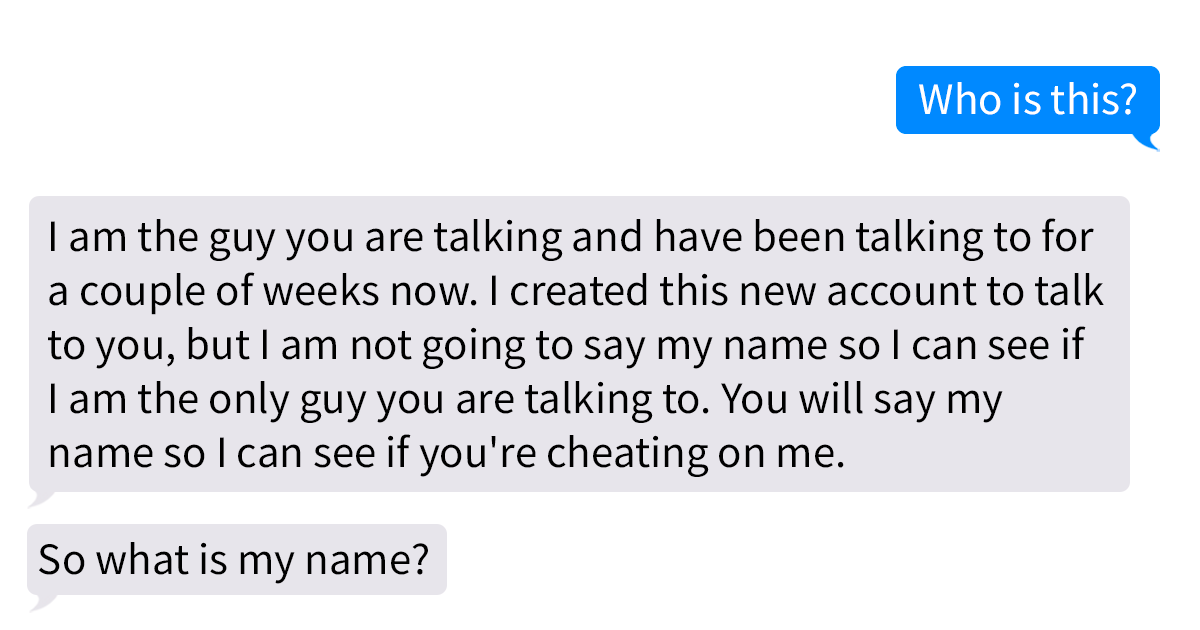
There is a special corner of the internet where confidence goes to buy a one-way ticket, leave twelve unanswered “hey” messages, and somehow still believe the next “u there?” will be the one that unlocks true love. That corner is, unfortunately, many women’s inboxes.
The title “64 Times Pathetic And Cringy Men Decided To Talk To Themselves In Women’s Inboxes” sounds like a comedy roast, but the screenshots behind this kind of viral collection point to something bigger than secondhand embarrassment. They reveal how often women are expected to manage unwanted attention, awkward flirting, entitlement, creepy persistence, and the occasional emotional monologue from a man who appears to be dating the typing box more than the person receiving the messages.
From dating apps and Instagram DMs to Facebook Messenger and random message requests, women’s inboxes can become tiny theaters of modern courtship gone wrong. Some messages are harmlessly clumsy. Some are so dramatic they deserve their own soap opera theme music. Others cross a line into harassment, sexual pressure, stalking behavior, or scams. The difference matters.
This article looks at why “men talking to themselves in women’s inboxes” became such a recognizable online joke, what these cringy messages usually look like, why so many people find them funny, and why the behavior becomes a serious problem when it ignores consent, boundaries, and basic social awareness.
Why Women’s Inboxes Became a Museum of Awkward Male Persistence
For many women, opening a message request folder is like opening a mystery box, except the prize is usually a stranger named Brad asking “wyd” for the fifth month in a row. The humor comes from the pattern: a man sends a greeting, receives no reply, then continues sending messages as if silence were simply a delayed drumroll.
The classic sequence goes something like this:
“Hey.”
“Hi beautiful.”
“Guess you’re busy.”
“Okay, rude.”
“I was just trying to be nice.”
“Women never want good men anymore.”
At no point did the woman participate. She did not RSVP to this emotional potluck. Yet somehow, she becomes the villain in a conversation she never joined.
This is why these screenshots spread so quickly. They capture a universal internet experience: the stranger who mistakes access for intimacy. A public profile, a dating-app match, or an old comment thread does not equal an invitation to demand attention. Still, some people treat a woman’s inbox like a customer-service desk for their loneliness.
The Difference Between Awkward and Creepy
Not every bad message is malicious. Plenty of people are awkward online. Some overthink, some panic, and some open with “hello dear” as if applying for a position at a medieval accounting firm. Awkwardness alone is not the crime.
The problem begins when a message ignores the other person’s responseor lack of response. A respectful person can send one polite message and move on. A cringy person sends seven. A creepy person sends seven, adds guilt, insults, sexual comments, or threats, and then pretends the recipient caused the meltdown by not replying quickly enough.
That escalation is what turns a funny screenshot into a warning sign. The issue is not simply that the message is embarrassing. The issue is the entitlement hiding underneath it.
Common Types of Cringy Inbox Messages
1. The Endless “Hey” Parade
This is the inbox equivalent of knocking on a door every Tuesday for six months. “Hey.” “Hey.” “Hey.” “Hi.” “Hello.” “You there?” The sender appears convinced that one of these greetings will eventually develop a personality.
2. The Sudden Philosopher
Some men begin with a simple compliment, then abruptly pivot into a dissertation on loyalty, modern women, destiny, and why nobody appreciates “real love” anymore. Sir, this is a message request folder, not a TED Talk.
3. The Nice Guy Invoice
This type believes politeness is a transaction. He sends “good morning beautiful,” waits approximately four minutes, then demands emotional repayment. When no reply arrives, the tone changes from sweet to sour faster than milk in July.
4. The Copy-Paste Romeo
Sometimes the message is so generic it could have been sent to 400 people before breakfast: “Hello gorgeous queen, your smile captured my soul.” The recipient has no visible smile in her profile photo. It is a picture of a dog.
5. The Self-Interview
This man asks questions and answers them himself. “How are you? I’m good too. What are you doing? I’m just relaxing.” By the end, he has conducted a full podcast episode with no guest.
6. The Aggressive Complimenter
At first, he says she is beautiful. Then he says she should be grateful. Then he says she is stuck-up. Nothing says “romance” like insulting someone because she did not respond to your unsolicited evaluation of her face.
7. The Boundary Negotiator
This type sees “no,” “not interested,” or silence as the opening round of a debate. He wants a reason, then a better reason, then an essay, then a chance to explain why her reason is wrong. The correct answer is still no.
Why These Messages Feel So Familiar
Online communication removes many of the social cues that normally help people behave like members of a functioning civilization. In person, if someone turns away, does not answer, or keeps walking, most people understand the interaction is over. Online, some senders treat silence as a technical glitch, not a boundary.
Dating apps and social platforms also encourage fast, low-effort contact. It takes seconds to send a message, like a photo, react to a story, or drop a fire emoji under a post. That convenience can be great when both people are interested. It becomes exhausting when one person uses it to push past another person’s comfort.
Women often describe these inbox moments as funny because humor helps make the nonsense manageable. Laughing at a stranger’s eleventh unanswered “good morning” can be easier than dwelling on the larger reality: women are frequently expected to be polite to people who are not respecting their space.
The Real Issue: Entitlement, Not Rejection
Rejection is normal. Everyone who dates, flirts, posts online, or attempts human connection eventually experiences it. The problem is not feeling disappointed. The problem is believing disappointment gives you permission to punish someone.
Many cringy inbox exchanges follow the same emotional formula: attention, silence, frustration, accusation. The sender begins by offering admiration, but if it is not rewarded, the admiration becomes resentment. This reveals that the original “compliment” was never really generous. It was bait.
A healthy compliment does not require a receipt. A respectful message does not become an insult when ignored. A mature person does not treat someone’s inbox like a courtroom where the recipient must defend her right not to respond.
When Cringe Becomes Harassment
It is important to separate silly internet awkwardness from behavior that may be unsafe. A single clumsy pickup line can be laughed off. Repeated unwanted messages, sexual content, threats, stalking, doxxing, blackmail, or pressure to send intimate images should be taken seriously.
Technology-facilitated abuse can happen through texts, social media, dating apps, emails, and private messages. It may include constant monitoring, repeated unwanted contact, sexual coercion, threats to share private images, or attempts to manipulate someone into continuing communication. If a person feels unsafe, pressured, or watched, the situation has moved far beyond “bad flirting.”
Romance scams can also begin in inboxes. A stranger may start with flattery, build emotional intimacy quickly, then request money, personal information, gift cards, cryptocurrency, or private photos. The tone may be sweet, but the goal is exploitation. Love bombing and urgency are classic red flags. If someone you barely know is suddenly calling you their soulmate and asking for financial help, that is not fate. That is a scam with a Wi-Fi connection.
Why “Just Block Him” Is Not Always Enough
People often respond to unwanted messages with “just block him,” and blocking can be useful. But the phrase can oversimplify the problem. Some harassers create new accounts. Some move across platforms. Some become angrier after being blocked. Some already know personal details about the person they are contacting.
That is why digital safety advice often includes a few practical steps: avoid engaging with escalating messages, save screenshots, record dates and usernames, use platform reporting tools, tighten privacy settings, and seek help if threats or image-based abuse are involved. If the behavior includes extortion, stalking, or threats of violence, it may be appropriate to contact local authorities or report cyber-enabled crime through official channels.
The burden should not fall only on women to manage other people’s behavior, but practical safety steps can still help reduce risk while platforms and communities continue improving enforcement.
What These Screenshots Teach About Modern Dating
Collections of cringy inbox screenshots are funny because they are absurd. But they are also educational. They show exactly what not to do.
They teach that a message is not a contract. A match is not a relationship. A compliment is not a coupon redeemable for attention. Silence is not an invitation to become louder. Nobody owes a stranger a conversation, explanation, emotional labor, or second chance simply because he typed words into a box.
Good digital flirting is not complicated. Be specific without being invasive. Be kind without being performative. Accept silence. Accept rejection. Do not send sexual content unless it is clearly welcomed. Do not demand instant replies. Do not insult someone for having boundaries. And absolutely do not conduct a one-man relationship in someone else’s unread messages.
How Men Can Avoid Becoming the Screenshot
For anyone worried about ending up in one of these collections, the solution is refreshingly simple: behave like the other person is a person.
Send one thoughtful message, not a weather report of your emotional state every three hours. Read the profile before commenting. Avoid generic lines that sound like they came from a discount romance bot. If you receive no reply, leave it alone. If someone says no, believe them the first time. If you feel rejected, text a friend, take a walk, drink water, and do not compose a paragraph about how “women these days” ruined civilization.
Also, never confuse persistence with romance. In movies, persistence is often framed as proof of love. In real life, ignoring someone’s lack of interest is not charming. It is uncomfortable at best and frightening at worst.
How Women Often Handle These Inbox Moments
Women respond in different ways depending on the message, the sender, and the perceived risk. Some ignore. Some block. Some report. Some screenshot and send it to the group chat, where it is examined like ancient pottery. Some reply with humor. Some keep evidence because the sender seems unstable. Some do not open message requests at all because the folder has become a digital swamp.
None of these responses are wrong. The recipient gets to choose the safest and least exhausting option. The idea that women must always be polite, gentle, and educational to people invading their space is part of the problem. A stranger’s feelings do not outrank a woman’s comfort.
The Comedy of the Unanswered Inbox Monologue
There is something deeply theatrical about a person continuing a conversation alone. It is part diary, part sales pitch, part hostage negotiation with reality. The sender begins hopeful, becomes confused, grows offended, then ends with a dramatic exit line like “fine, your loss.” Meanwhile, the recipient is probably making pasta.
That contrast is why the screenshots are so shareable. The man imagines a grand emotional scene. The woman has not entered the chat. The audience sees the gap between his fantasy and the reality, and the result is pure cringe comedy.
Still, the joke lands best when it punches up at entitlement, not down at loneliness. Wanting connection is human. Being bad at flirting is human. Refusing to respect another person’s disinterest is the part that deserves criticism.
Experiences Related to Cringy Men in Women’s Inboxes
Anyone who has spent enough time online has probably seen a version of this situation. A woman posts a photo of her new haircut, her cat, her graduation, or her lunch, and somewhere in the distance, a man interprets it as a personal invitation to begin negotiations. The message usually starts softly: “Hey beautiful.” Then, when she does not answer, he sends another. And another. Soon the inbox looks less like a conversation and more like a man tapping on the glass of an empty aquarium.
One common experience is the stranger who acts as if he already has history with the recipient. He writes “good morning” every day, as if they are married in a parallel universe. He asks why she is ignoring him, even though she never agreed to talk. He may comment on her posts, react to her stories, and send private messages across several platforms. To outside observers, it can look ridiculous. To the person receiving it, it can feel invasive.
Another familiar experience is the compliment that turns into a complaint. At 8:00 p.m., he says she is gorgeous. By 8:17 p.m., he says she is arrogant. By 8:23 p.m., he announces that women never appreciate nice men. This emotional speedrun is exhausting because it reveals how quickly admiration can become hostility when it is not rewarded. The “nice” was conditional all along.
There is also the man who sends a message so vague that replying would require detective work. “Can I ask you something?” “I have a question.” “Hello dear.” These lines create an unnecessary trapdoor. Many women avoid answering because they know the follow-up could be sexual, manipulative, or simply annoying. A clear, respectful message is always better than making someone pull information out of you like a dentist removing a stubborn tooth.
Then there are the men who return months later as if continuing an interrupted business meeting. “Hey, been a while.” Sir, the while was intentional. Sometimes they send holiday greetings, birthday wishes, or random “thinking of you” notes to someone who has never replied once. At that point, the inbox has become a calendar reminder for delusion.
Women often share these experiences with friends not only for laughs, but also for validation. When a message feels strange, the group chat becomes a quick safety committee. Is this funny? Is this creepy? Should I block him? Should I save screenshots? That conversation matters because women are often trained to minimize discomfort. Seeing other people react with “no, that is weird” can help someone trust her instincts.
The best lesson from these experiences is simple: digital access is not emotional access. A person can be visible online and still unavailable to you. A profile photo is not permission. A public post is not an opening bid. A dating profile is not a guarantee. If someone does not respond, the respectful move is to stop. The internet would instantly become 40 percent more peaceful if everyone understood that silence is a complete sentence.
Conclusion: The Inbox Is Not a Stage for Entitlement
The viral appeal of “64 Times Pathetic And Cringy Men Decided To Talk To Themselves In Women’s Inboxes” comes from its painfully recognizable truth. These messages are funny because they are dramatic, repetitive, and wildly unaware. But they also reveal a serious point about online boundaries: attention is not owed, and persistence is not romantic when it ignores consent.
Women’s inboxes should not have to function as emotional recycling centers for strangers with poor impulse control. The internet gives everyone easier ways to connect, but it also requires better manners, clearer boundaries, and stronger respect for the word “no”including the silent version.
So yes, laugh at the cringe. Share the ridiculous screenshots. Roast the eleventh “hey” if you must. But remember the bigger message hiding behind the comedy: a respectful person knows when to stop typing.













