
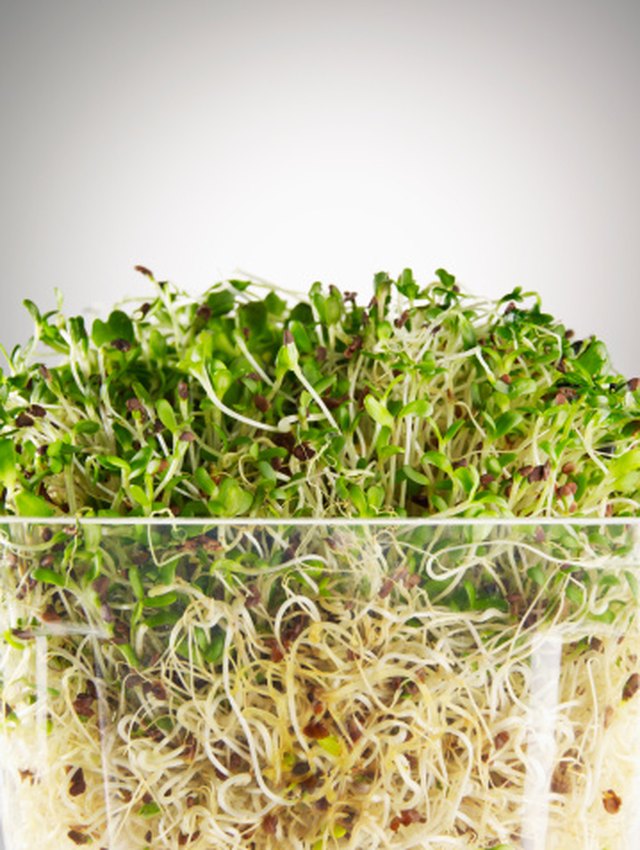
Bean sprouts are the divas of the produce drawer. They arrive crisp, pale, and full of promise, then seemingly wait until you turn your back before becoming limp, watery, and suspiciously fragrant. Their delicate structure and high moisture content give them that refreshing crunch, but those same qualities also make them unusually perishable.
Fortunately, keeping bean sprouts fresh is not difficult. The secret is controlling three things: temperature, surface moisture, and storage time. Buy the freshest sprouts available, get them into a cold refrigerator promptly, keep them dry without dehydrating them, and check them regularly. With the right method, you can preserve their crisp texture long enough to use them in stir-fries, soups, noodle bowls, spring rolls, and salads instead of sending another forgotten bag to the trash.
Why Bean Sprouts Spoil So Quickly
Most grocery-store bean sprouts are mung bean sprouts, recognizable by their crunchy white stems and small yellow or green tips. They are mostly water, which explains both their satisfying snap and their brief shelf life. Food Network recommends choosing sprouts that are dry, fresh-smelling, and free from slime, then using refrigerated sprouts within roughly three days for the best quality.
Sprouts are grown under warm, humid conditionsthe exact environment seeds need for germination. Unfortunately, those conditions can also encourage bacteria to multiply. Refrigeration slows spoilage and bacterial growth, but it does not make contaminated sprouts sterile. The CDC advises cooking sprouts thoroughly, especially for pregnant people, children younger than five, adults 65 and older, and anyone with a weakened immune system.
In other words, proper storage protects quality and reduces avoidable risk, but it cannot rescue sprouts that were contaminated before purchase. A refrigerator is useful, not magical. It is a kitchen appliance, not a tiny vegetable hospital.
Start With the Freshest Bean Sprouts
No storage trick can turn tired sprouts into fresh ones. Before buying, inspect the package closely. The sprouts should look plump and firm, with pale stems and crisp tips. A little natural moisture is normal, but a bag filled with cloudy liquid is not an encouraging sign.
Look for These Signs of Freshness
- Firm, crisp stems that snap rather than bend
- White or creamy stems with yellow, beige, or light-green tips
- A mild, clean, fresh aroma
- Minimal liquid collecting at the bottom of the package
- No bruising, dark patches, mold, or crushed sprouts
- A current sell-by or use-by date
The FDA recommends selecting produce that is not bruised or damaged and buying packaged produce only when it is refrigerated or displayed on ice. Fresh produce should also be bagged separately from raw meat, poultry, and seafood during the trip home.
If possible, buy bean sprouts near the end of your shopping trip. That keeps them out of refrigeration for less time. In hot weather, use an insulated grocery bag, especially when you have a long drive or several errands standing between the supermarket and your refrigerator.
The Best Way to Store Bean Sprouts
For most households, the most reliable method is to store dry bean sprouts in a clean container lined with absorbent paper towels. The towel catches condensation before the sprouts are forced to lounge in their own moisture like vegetables at a very questionable spa.
Step 1: Inspect and Sort the Sprouts
Open the package and remove any sprouts that are already brown, crushed, excessively soft, or slimy. One damaged sprout does not automatically ruin the entire package, but spoiled pieces contribute moisture and can speed up deterioration around them.
Step 2: Do Not Wash Them Until Needed
Unless the sprouts are homegrown and require a final rinse after harvesting, it is generally better to store grocery-store bean sprouts unwashed. Washing introduces additional moisture, and moisture trapped during refrigeration encourages faster spoilage.
Colorado State University Extension recommends washing produce just before preparation rather than before storage. When you are ready to cook, rinse the sprouts thoroughly under cool running water. Do not wash them with dish soap, detergent, bleach, or commercial produce wash. The FDA recommends plain running water and notes that washing may reduce surface bacteria but cannot eliminate all contamination.
Step 3: Dry Any Damp Sprouts
If the sprouts are noticeably wet when you open the bag, spread them in a single layer on a clean kitchen towel or several paper towels. Gently pat them dry without crushing the stems. You do not need to air-dry them until they resemble tiny pieces of firewood; the goal is simply to remove visible surface water.
For homegrown sprouts, Colorado State University Extension advises giving them a final rinse, draining them well, laying them on a kitchen towel to dry, and storing them over a folded paper towel to absorb excess moisture.
Step 4: Line a Container With Paper Towels
Place one or two dry paper towels in the bottom of a clean food-storage container. Add the sprouts loosely rather than pressing them into a compact brick. Crowding crushes the stems, restricts airflow, and creates pockets where moisture accumulates.
Add another paper towel on top if the sprouts are especially damp. Close the container with its lid. A container with mild ventilation is ideal, but an ordinary lidded container works well when the sprouts have been dried properly and checked daily.
Step 5: Refrigerate Immediately
Store the container in a clean refrigerator at 40°F or below. The FDA recommends using a refrigerator thermometer because the control dial does not always reflect the actual temperature inside the appliance. USDA guidance likewise recommends maintaining a refrigerator temperature of about 40°F because perishable foods continue to deteriorate even under refrigeration.
The produce drawer is usually a practical location because it helps control airflow and humidity. Crisper drawers are specifically designed to extend the useful life of fruits and vegetables. However, do not place sprouts in a warm door compartment, where the temperature changes every time someone opens the refrigerator to stare inside and hope dinner has assembled itself.
Step 6: Replace Damp Paper Towels
Check the container once a day. If the paper towel feels saturated, replace it with a clean, dry one. This 20-second habit can make a noticeable difference because condensation is one of the main reasons bean sprouts become soft and slippery.
Can You Store Bean Sprouts in Water?
Another popular method is to place bean sprouts in a covered container of cold water and change the water every day. This can help the stems remain firm, particularly when the sprouts were very fresh to begin with. However, it requires more attention than dry storage.
If you use the water method, follow these steps:
- Place inspected sprouts in a clean container.
- Cover them completely with fresh, cold drinking water.
- Close the container and refrigerate it promptly.
- Drain and replace the water at least once every day.
- Wash the container whenever the water becomes cloudy.
- Discard the sprouts if they develop slime, discoloration, mold, or an unpleasant odor.
The water method is best treated as a short-term quality technique, not a way to keep sprouts indefinitely. It does not remove bacteria that may be inside the seed or sprout. FDA guidance explains that bacteria can enter seeds through tiny cracks before sprouting and can be extremely difficult to wash away later.
For most people, the paper-towel method is easier, cleaner, and less likely to be forgotten. If remembering to change the water every day sounds optimistic, choose the dry method. Know thyselfand thy history of abandoned refrigerator experiments.
Where to Place Bean Sprouts in the Refrigerator
Keep sprouts away from raw meat, poultry, seafood, and leaking packages. Ready-to-eat produce should be stored above foods that could drip onto it. The FDA also recommends using separate cutting boards and utensils for produce and raw animal products to reduce cross-contamination.
Avoid packing the refrigerator so tightly that cold air cannot circulate. Colorado State University Extension notes that overcrowding interferes with airflow and even cooling. A refrigerator full enough to require advanced geometry every time you add a yogurt cup is probably too full.
How Long Do Bean Sprouts Stay Fresh?
Fresh bean sprouts are best used quickly. A practical expectation is about two to three days after purchase, although exceptionally fresh sprouts may remain acceptable for several days when properly refrigerated and kept dry. Food Network recommends refrigerating sprouts in their ventilated packaging, keeping them dry, and using them within approximately three days.
Do not rely only on the calendar. Sprouts purchased from a busy Asian market may have been harvested very recently, while a package from another store may already be several days old. Storage time begins before the sprouts reach your shopping cart.
The USDA-developed FoodKeeper resource is designed to help consumers compare recommended storage periods and maximize food quality, but visual and sensory checks remain essential for highly perishable produce.
How to Tell if Bean Sprouts Have Gone Bad
Fresh sprouts should be crisp and mild-smelling. Throw them away when they show clear signs of deterioration. Do not taste questionable sprouts to determine whether they are safe. Your tongue is not a laboratory, despite its confidence.
Discard Bean Sprouts With:
- A sour, fermented, rotten, or unusually strong odor
- Slippery or sticky stems
- Cloudy liquid collecting in the package
- Gray, dark brown, black, or pink discoloration
- Visible mold
- Extensive wilting or mushiness
- A swollen package or bubbling liquid
USDA food-safety guidance lists unusual odor, color changes, stickiness, slime, and visible mold among common indicators of spoilage. If the sprouts merely look slightly dry but have no odor, slime, or discoloration, they may still be suitable for a thoroughly cooked dish. When several warning signs appear together, discard the entire batch.
Should You Freeze Bean Sprouts?
You can freeze bean sprouts, but freezing changes their texture. Their cells contain considerable water, which expands into ice crystals and damages the delicate stems. Once thawed, the sprouts will usually be softer and less suitable for salads, sandwiches, or fresh garnishes.
Frozen sprouts can still work in cooked dishes such as soups, fried rice, egg rolls, noodle stir-fries, curries, and stews. For better results, briefly blanch them in boiling water, cool them rapidly in ice water, drain thoroughly, dry them, and freeze them in a single layer before transferring them to a freezer-safe bag.
Freezing should be considered a rescue plan rather than the ideal storage method. It prevents waste, but it does not preserve the original crunch. Use frozen sprouts directly in hot dishes instead of thawing them on the counter.
Food-Safety Rules for Handling Bean Sprouts
Fresh-looking sprouts can still contain harmful bacteria. Their appearance is not a reliable safety test because pathogens may multiply without producing visible slime, discoloration, or odor. The CDC notes that the humid environment used to grow sprouts can also support germ growth.
Follow These Basic Precautions
- Wash your hands with soap and warm water before handling sprouts.
- Rinse sprouts under cool running water immediately before use.
- Keep sprouts and their container away from raw meat and seafood.
- Use clean cutting boards, bowls, strainers, and utensils.
- Refrigerate sprouts at 40°F or below.
- Do not leave sprouts at room temperature for more than two hours.
- Cook sprouts thoroughly when serving higher-risk individuals.
The FDA recommends discarding perishable food left at room temperature for more than two hours, or more than one hour when temperatures exceed 90°F. This rule matters during picnics, outdoor parties, grocery trips, and meal preparation in warm kitchens.
Pregnant people, young children, older adults, and people with weakened immune systems should avoid raw or lightly cooked sprouts. Thorough cooking is the more cautious choice for these groups.
Common Bean Sprout Storage Mistakes
Leaving Them in a Wet Produce Bag
Thin produce bags trap condensation. If the original package is visibly wet, transfer the sprouts to a clean, paper-towel-lined container rather than allowing them to soak in collected liquid.
Washing Them Too Early
Prewashing may feel efficient, but sprouts stored while damp deteriorate more quickly. Wash immediately before preparation unless you can dry them extremely thoroughly.
Storing Them Beside Raw Chicken
Sprouts often receive little or no cooking, so cross-contamination is especially concerning. Keep them covered and physically separated from raw animal products.
Ignoring the Refrigerator Temperature
A refrigerator that feels cool is not necessarily holding food at 40°F or below. A basic appliance thermometer is inexpensive and more trustworthy than placing your hand inside and declaring, “Yep, seems chilly.”
Trying to Save Slimy Sprouts
Rinsing slime away does not reverse spoilage. Neither does soaking the sprouts in vinegar, adding extra garlic, or cooking them until they can no longer testify. When sprouts are sour, sticky, or moldy, discard them.
Practical Kitchen Experiences: What Usually Works
In everyday kitchens, the biggest improvement usually comes from replacing the original bag. Many bean sprouts are sold in tightly sealed plastic packages containing enough condensation to make the bottom layer soggy before the top layer shows any trouble. Transferring them to a wider container reduces crushing and makes it easier to see what is happening.
A shallow rectangular container tends to work better than a narrow jar. The sprouts can rest in a loose layer instead of being packed vertically under their own weight. A folded paper towel at the bottom absorbs moisture, while a second towel on top catches condensation from the lid. The difference may seem laughably simple, but the sprouts generally remain firmer and smell fresher than those abandoned in the store bag.
Another useful habit is dividing a large package immediately. Put the amount needed for tomorrow’s meal in one container and the remaining sprouts in another. This prevents the entire batch from being repeatedly exposed to warm kitchen air, wet hands, and utensils. It also protects the untouched portion when someone begins cooking and then realizes the recipe requires only half the bag.
Meal planning matters as much as storage equipment. Bean sprouts should be scheduled near the beginning of the week, not purchased on Saturday for a theoretical stir-fry next Thursday. A practical sequence is to use the crispest sprouts raw or barely cooked on the first day, add them to pho or noodle bowls on the second day, and use the remainder in a thoroughly cooked stir-fry, omelet, fried rice, or soup on the third day.
The paper towel should be checked whenever the refrigerator is opened for another reason. If it is damp, replace it. If only a few stems are bruised, remove them before they soften further. Small maintenance prevents the familiar discovery of a bag that has transformed overnight into what appears to be a failed science-fair project.
The water-storage method can produce impressively crisp stems, but it succeeds only when the water is changed consistently. Skip a day, and the water may become cloudy or develop an unpleasant smell. For organized cooks who enjoy daily routines, it can work well. For anyone currently remembering three unanswered emails, a laundry load, and where they placed their phone, the paper-towel method is more forgiving.
Homegrown sprouts require even more careful attention. They need a thorough final rinse, excellent drainage, and enough drying time before refrigeration. Putting freshly rinsed sprouts directly into a closed container usually creates heavy condensation. Spreading them on a clean towel first takes a little longer but greatly improves their refrigerated texture.
One final experience-based lesson is that the refrigerator’s location matters. Sprouts stored near the front are easier to remember and use. Sprouts pushed behind a stockpot, three condiment jars, and a heroic quantity of leftover rice are likely to be rediscovered only after they have lost the will to crunch. Visibility is a legitimate food-storage strategy.
Conclusion
To keep bean sprouts fresh, begin with crisp, dry sprouts and refrigerate them as soon as possible. Store them loosely in a clean container lined with dry paper towels, keep the refrigerator at 40°F or below, and replace damp towels when necessary. Wash the sprouts under running water immediately before cooking rather than adding extra moisture during storage.
Plan to use fresh bean sprouts within approximately two to three days for the best texture and flavor. Inspect them before every use, and discard sprouts that are slimy, moldy, badly discolored, or sour-smelling. Most importantly, remember that freshness and food safety are related but not identical: clean-looking sprouts may still carry bacteria, so higher-risk individuals should eat them thoroughly cooked.













