
There are few kitchen mysteries more annoying than fruit flies. One day, your fruit bowl looks perfectly respectable. The next, a tiny airborne committee has assembled around the bananas, apparently holding a conference about your housekeeping.
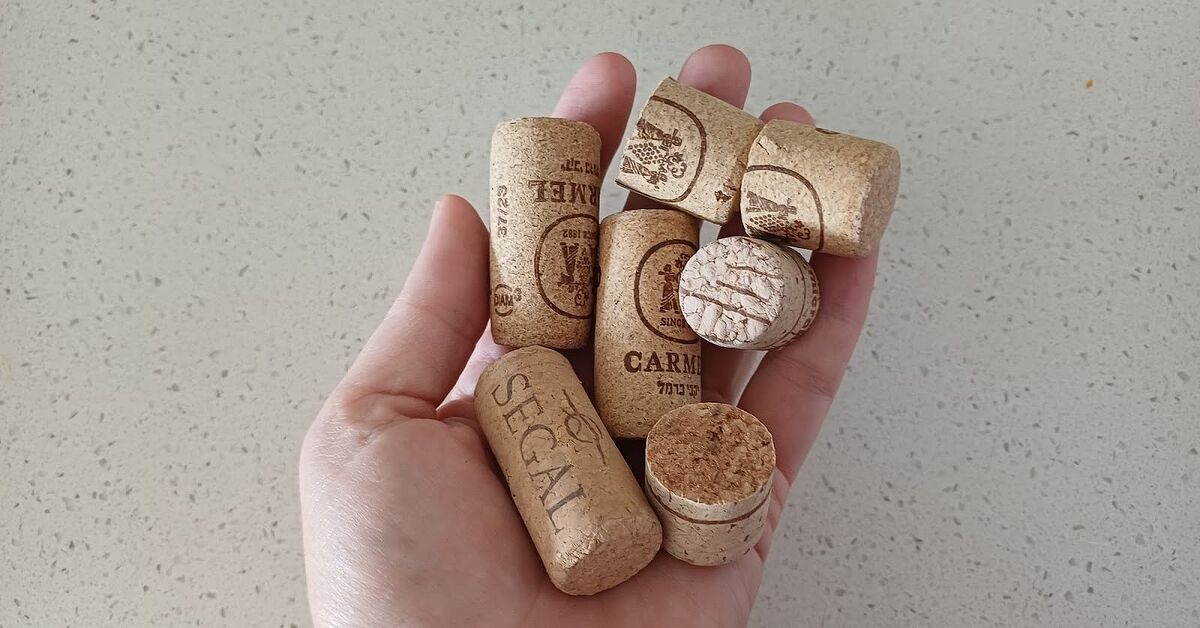
If you have been searching for a simple way to keep fruit flies away, you may have encountered an unexpectedly charming solution: put pieces of natural wine cork in your fruit bowl. The wine cork fruit fly trick has circulated through European kitchens, home-design sites, and social media for years. The basic idea is wonderfully uncomplicated: cut or break a natural cork into pieces and place them among the fruit.
Does it work? It may help in some kitchens, but there is an important catch. University extension specialists consistently emphasize that the reliable way to control fruit flies is to eliminate the fermenting material where they feed and reproduce. Think of wine corks as a supporting actor, not the superhero of the movie.
Here is how to try the cork trick properly, why fruit flies invade kitchens in the first place, and what to do when those tiny freeloaders have already moved in.
Why Fruit Flies Suddenly Appear in Your Kitchen
The small flies hovering around bananas, peaches, tomatoes, recycling bins, and glasses of leftover wine are generally species of Drosophila, often called fruit flies or vinegar flies. Adults are tiny, usually around 1/8 inch long, and many common species have reddish eyes.
They are especially interested in fermenting organic material. An aging banana is not merely a banana to a fruit fly. It is a luxury restaurant, nursery, dating venue, and future condominium complex rolled into one convenient yellow package.
Fruit flies may reproduce in:
- Overripe or damaged fruit
- Rotting vegetables
- Garbage disposals
- Food residue inside drains
- Trash and compost containers
- Empty beer, wine, juice, and soda containers
- Damp cleaning cloths and mop heads
- Sticky spills beneath appliances
- Recycling bins containing sugary residue
The big problem is their speed. Under favorable warm conditions, fruit flies can move through their life cycle in roughly a week and a half. That means ignoring a few adults today can result in a much larger population surprisingly quickly.
What Is the Wine Cork Fruit Fly Trick?
The wine cork idea is almost ridiculously easy.
- Find a natural wine cork.
- Make sure it is clean and dry.
- Cut or break it into two or more pieces.
- Place the pieces between the fruits in your bowl.
- Replace any cork that becomes sticky, dirty, moldy, or heavily stained.
That is the whole technique. No spraying, complicated ingredients, or tiny fruit-fly eviction notices required.
Use Natural Cork, Not Synthetic Cork
If you want to experiment with this method, use real natural cork rather than a plastic or synthetic stopper. Natural cork has a porous cellular structure and interacts with moisture differently from synthetic materials.
Some versions of the traditional hack suggest that natural cork may absorb a small amount of moisture or alter the immediate environment around ripening fruit. Other explanations claim that the combination of natural cork and fermenting fruit produces an odor fruit flies dislike.
Those explanations remain more folk wisdom than established entomological science. Major university recommendations for controlling household fruit flies focus on sanitation, food storage, breeding-site removal, exclusion, and trapping rather than cork.
So the sensible approach is simple: try the cork because it costs almost nothing, but do not expect it to overcome a rotten peach hiding behind the toaster.
Does a Wine Cork Really Keep Fruit Flies Away?
The most accurate answer is: possibly as a supplemental measure, but it should not be relied upon as your main fruit fly control method.
The wine cork hack has plenty of enthusiastic household supporters. Some people report noticeably fewer flies around bowls containing cork pieces. The technique has also been promoted by food and home publications for years.
However, controlled scientific evidence establishing natural cork as a dependable fruit fly repellent is limited. By comparison, there is strong practical guidance supporting removal of fermenting food sources and the use of vinegar or wine-based traps for adults.
In other words, if your kitchen is already hosting 50 fruit flies, putting a cork beside three collapsing bananas is roughly equivalent to putting an air freshener beside an overflowing garbage can. Something more fundamental needs attention.
How to Make the Wine Cork Idea More Effective
The cork trick makes the most sense as part of a larger prevention routine.
1. Check Fruit Every Day
Inspect bananas, peaches, pears, plums, tomatoes, melons, and other rapidly ripening produce daily. Remove anything leaking, split, bruised, or beginning to ferment.
One damaged piece of fruit can become the center of your infestation even when everything else appears clean.
2. Do Not Overfill the Fruit Bowl
A giant decorative mountain of fruit looks wonderful until the pear buried at the bottom quietly liquefies.
Keeping fewer pieces in the bowl improves airflow and makes damaged produce easier to spot. It also encourages you to rotate and eat fruit before it becomes seriously overripe.
3. Refrigerate Ripe Fruit When Appropriate
Once many fruits reach the ripeness you prefer, transferring them to the refrigerator can slow further deterioration and make them less attractive as fruit fly breeding sites.
Not every fruit should be refrigerated immediately after purchase because chilling can affect ripening and quality. The useful principle is to avoid leaving increasingly soft, aromatic fruit sitting at room temperature longer than necessary.
4. Keep Cork Pieces Dry and Clean
Do not allow the cork itself to become coated with leaking juice. A sticky cork sitting underneath an overripe peach has stopped being part of your solution and joined the opposing team.
Wash or replace the cork when necessary and thoroughly dry reusable pieces before returning them to the bowl.
How to Get Rid of Fruit Flies Already in the House
If fruit flies are already multiplying, prevention alone is not enough. You need to remove their breeding sources while reducing the adult population.
Step 1: Find the Breeding Source
Start with the obvious suspects: fruit bowls, potatoes, onions, tomatoes, produce bags, trash, and compost.
Then investigate the locations people often forget:
- Under the refrigerator
- Behind the trash can
- Inside recycling containers
- Under small kitchen appliances
- Around garbage disposals
- Inside mop buckets
- Near drains
- Under cabinets where liquid may have spilled
A single forgotten grape under a cabinet can accomplish astonishing things when given enough time.
Step 2: Remove Overripe Produce
Discard badly deteriorated food promptly. Produce that is simply ripe rather than spoiled can often be refrigerated or stored in a covered location.
Do not leave discarded fruit in an uncovered kitchen trash can overnight. You have merely changed the restaurant’s address.
Step 3: Clean Containers and Recycling
Fruit flies are attracted to fermenting residues left in beer bottles, wine bottles, soda cans, juice containers, and recycling bins.
Rinse recyclable containers and allow them to drain. Regularly clean the recycling bin itself, especially if sticky liquid collects on the bottom.
Step 4: Pay Attention to Drains
Organic residue inside drains and garbage disposals can support small flies. Simply pouring random household chemicals down the drain may not remove the film where insects develop.
Clean accessible drain surfaces and garbage-disposal components according to manufacturer recommendations, removing accumulated organic debris rather than merely covering its odor.
The Simple Vinegar Fruit Fly Trap
When adult fruit flies are buzzing around the kitchen, a vinegar trap can help reduce their numbers while you remove breeding sources.
What You Need
- A small glass, jar, or bowl
- Apple cider vinegar
- A small amount of liquid dish soap
How to Make It
Pour a small amount of apple cider vinegar into the container. Add a drop or two of dish soap and gently mix.
The fermented aroma attracts fruit flies. The soap reduces the liquid’s surface tension, making it harder for flies that contact the liquid to remain on top.
Place the trap near the area where flies are active, but not directly beside uncovered food you want them to ignore.
Red wine can also attract fruit flies, which explains why they have an almost supernatural ability to locate your glass five minutes after you pour it.
Remember: A Trap Does Not Remove the Nursery
This is one of the biggest mistakes people make when trying to get rid of fruit flies.
A trap catches adults. It does not automatically eliminate eggs and larvae developing somewhere else in the kitchen. If the breeding material remains, new adults may continue emerging even while your trap appears successful.
Effective control therefore requires both approaches: remove breeding material and catch remaining adults.
Fruit Fly Prevention Checklist
For long-term prevention, make these habits part of your kitchen routine:
- Inspect produce frequently.
- Discard damaged or fermenting fruit quickly.
- Refrigerate ripe produce when practical.
- Wash sticky spills immediately.
- Take food waste outside regularly.
- Keep compost containers covered.
- Rinse bottles and cans before recycling.
- Clean garbage and recycling bins.
- Keep mops, towels, and cleaning cloths reasonably dry.
- Clean food residue around drains and garbage disposals.
- Repair damaged window or door screens.
- Use vinegar traps temporarily when adults appear.
- Add clean natural cork pieces to the fruit bowl if you want to try the cork hack.
Common Fruit Fly Mistakes to Avoid
Keeping the Same Fruit Bowl for Too Long
People often remove the visibly rotten fruit but leave the bowl untouched. Wash the bowl too. Juice and microscopic food residue can collect beneath produce.
Ignoring Potatoes and Onions
The obvious banana receives all the blame while a forgotten potato quietly decomposes in a dark cabinet. Check stored vegetables whenever a fruit fly problem seems to have no obvious source.
Depending Only on Traps
Seeing dozens of flies in a vinegar trap feels satisfying. Unfortunately, it can create false confidence if larvae are still developing elsewhere.
Using Strong Chemicals Before Cleaning
For an ordinary household fruit fly infestation, source removal should come first. Spraying adult flies without eliminating fermenting material often produces only temporary relief.
Confusing Fruit Flies With Other Small Flies
Not every tiny flying insect in a kitchen is a fruit fly. Drain flies often look fuzzy or moth-like and are associated with moist organic buildup. Fungus gnats frequently originate in damp houseplant soil. Phorid flies can also breed in decaying organic material and plumbing-related areas.
If you have removed every food source and the flies continue appearing, identification becomes important. The mysterious “fruit fly infestation” may actually be another small-fly problem requiring a different solution.
When Should You Stop Using the Wine Cork Trick?
There is little reason to continue using cork pieces if they become damp, moldy, dirty, or contaminated with fruit juices. Replace them with clean, dry natural cork.
You should also abandon the idea that cork alone will solve the problem if fly numbers are increasing. At that stage, immediately inspect the kitchen for breeding material and set traps for adults.
The strongest fruit fly strategy is not a magical object. It is a kitchen environment that gives the flies almost nothing useful to eat or reproduce in.
Experience-Based Kitchen Test: What Happens When You Try the Wine Cork Idea
A realistic way to evaluate the wine cork fruit fly hack is to treat it as a small household experiment instead of assuming that every viral kitchen tip must either be genius or nonsense.
Imagine a typical summer kitchen containing several bananas, two peaches, apples, and a couple of natural wine cork pieces. On the first day, everything looks perfectly normal. The cork pieces sit harmlessly between the fruit. Nothing dramatic happens. No fruit fly sees the cork, screams, and crashes through the nearest window.
The important observation comes over the following days.
If the fruit remains clean and sound, flies may remain absent or relatively uncommon. It is tempting to credit the cork immediately. But several other variables are working at the same time. There is little exposed fermentation, the fruit bowl is clean, and damaged produce has not accumulated.
Now imagine one peach becomes bruised and begins leaking underneath the other fruit. Suddenly, the situation changes. Even with cork pieces present, the smell of fermentation becomes an extremely strong attractant. This is where the limits of the cork method become obvious.
Removing the deteriorating peach, washing the fruit bowl, wiping the counter, rinsing recycling, and placing ripe produce in the refrigerator usually produces a much more meaningful improvement than simply adding another cork.
Another useful observation comes from the vinegar trap. After cleaning, place a small apple cider vinegar trap in the kitchen. Several remaining adults may be caught during the next day or two. Activity then tends to fall as long as another hidden breeding source is not present.
This kind of practical test teaches an important lesson: fruit fly control works best as a system.
The cork can be one small part of that system. It is inexpensive, reusable when kept clean, visually unobtrusive, and safer around a fruit bowl than casually applying pesticides. If you already have natural corks available, there is little inconvenience in trying it.
But the habit that makes the greatest difference is inspecting fruit before it deteriorates significantly.
A good routine is surprisingly simple. Each morning, give the fruit bowl a five-second inspection. Rotate the fruit so you can see the bottom pieces. Move anything fully ripe into the refrigerator when appropriate. Eat the soft peach today rather than heroically promising yourself you will remember it Thursday. Check that no juice has collected underneath the bowl.
Then spend another few seconds looking at the nearby trash and recycling. That tiny maintenance routine prevents considerably more trouble than launching a full-scale fruit fly campaign after hundreds have already appeared.
The wine cork trick therefore earns a reasonable place in the “worth trying” category rather than the “scientifically proven miracle cure” category. It works best when paired with good produce storage and aggressive removal of anything fermenting.
And there is a pleasant bonus: if obtaining natural cork requires opening a bottle of wine, at least the pest-control project has excellent refreshments.
Final Thoughts: The Best Way to Keep Fruit Flies Away
The wine cork idea is one of those home hacks that survives because it is easy, inexpensive, and interesting enough to try. Cut a natural cork into pieces, place them in your fruit bowl, keep them clean and dry, and see whether you notice a difference.
Just keep expectations realistic. The most dependable way to keep fruit flies away is to remove what attracts and supports them: overripe produce, fermenting residue, dirty recycling, food waste, damp organic material, and neglected drains. When adults are already present, vinegar or wine-based traps can help reduce their numbers while you eliminate the underlying source.
Use the cork as an extra layer of prevention rather than your entire defense strategy. A clean kitchen, properly stored fruit, and five seconds of daily inspection will beat an army of fancy hacks nearly every time.
Note: The wine cork method is a traditional household technique rather than an established stand-alone pest-control treatment. For persistent infestations, identify and remove the breeding source first; if small flies continue appearing despite thorough sanitation, consider professional pest identification because drain flies, fungus gnats, and phorid flies can resemble household fruit flies.













