
Note: This article is informational and industry-focused. It is intended for readers of legal drinking age, brewery professionals, packaging teams, and general business audiences interested in craft beverage production and local manufacturing.
There is a tiny miracle happening behind the roll-up doors of neighborhood breweries across America. It does not involve a wizard, a secret hop farm, or a brewer whispering encouraging words to a fermenter at midnightalthough, to be fair, that last one probably happens. The miracle is mobile canning: a practical, truck-mounted, equipment-packed service that helps small breweries package their beer without buying a full canning line, hiring a packaging army, or turning the taproom into a forklift ballet.
For local breweries, packaging has become more than a finishing step. It is survival infrastructure. Adult customers increasingly expect craft beverages to be available in cans for take-home, outdoor events, retail shelves, and community gatherings. Meanwhile, the economics of running a small brewery have become tougher. The Brewers Association reported that U.S. craft beer production declined in 2025, with brewery closures again outpacing openings. In a mature market where rent, labor, ingredients, aluminum, and distribution costs keep poking owners in the ribs, mobile canning gives small producers a fighting chance.
Mobile canning is not glamorous in the way shiny tap handles are glamorous. It is more like the dependable friend who shows up with tools, solves the problem, and leaves before anyone asks them to help move a couch. Yet this behind-the-scenes service is helping preserve the local beer culture many communities value: independent breweries, seasonal releases, small-batch creativity, and beverages made close to home rather than shipped halfway across the continent.
What Is Mobile Canning?
Mobile canning is a service where a specialized packaging company brings canning equipment directly to a brewery. Instead of the brewery purchasing and maintaining its own canning line, the mobile canner arrives with equipment, trained operators, cans, lids, labelers or sleeving options, quality-control tools, and the experience needed to package the product efficiently.
The process usually starts with planning. The brewery prepares the beverage in a brite tank, confirms carbonation and temperature, schedules the run, and lines up labels, packaging materials, and staff. On canning day, the mobile team connects its line to the brewery’s tank, purges cans, fills them, seams the lids, checks weights, tests seams, monitors dissolved oxygen, packs finished cans into cases, and helps get the product ready for cold storage or distribution.
In plain English: the brewery makes the beverage; the mobile canner helps it safely and professionally enter the world wearing aluminum armor.
Why Cans Became the Local Brewery’s Best Friend
Cans used to carry a reputation problem in the craft world. For years, glass bottles were treated like the fancy dinner jacket of beer packaging, while cans were the humble backyard cooler uniform. That has changed dramatically. Today, aluminum cans dominate packaged craft beer volume in the United States. Industry data from 2025 shows cans accounting for roughly three-quarters of packaged craft volume, while glass has become the smaller share.
The reason is not just fashion. Cans are lightweight, stackable, portable, and effective at protecting beverages from light. Light exposure can damage flavor stability, especially in hop-forward styles. Cans also reduce breakage risk, take up less space than bottles, and are easier to bring to many adult-oriented outdoor settings where glass is not allowed. For small breweries trying to serve local markets, that matters.
Retailers also like cans because they are efficient. A wall of colorful 16-ounce four-packs can turn a store cooler into something resembling an art gallery curated by someone with a very specific interest in citrus notes and clever puns. But behind the colorful labels is a serious business advantage: cans are easier to transport, stack, and scan through the retail system.
The Big Problem: Canning Lines Are Expensive and Complicated
Buying a canning line sounds simple until the invoice enters the chat. A brewery needs more than a filler and seamer. It may need conveyors, a depalletizer, label application equipment, date coding, rinsing systems, quality-control tools, spare parts, cleaning procedures, extra floor space, trained staff, and enough production volume to justify the investment.
For a regional brewery packaging every week, an in-house line may make sense. For a neighborhood brewery releasing a few batches per month, it can be a financial bear trap wearing a stainless-steel hat. The equipment costs money. The maintenance costs money. The downtime costs money. The operator training costs money. Even the floor space costs money, especially in urban taprooms where every square foot is already fighting for its life.
Mobile canning changes that equation. Instead of making a major capital investment, a brewery can outsource packaging to specialists. That lets the brewery focus on recipe development, fermentation, hospitality, community events, and keeping the bathrooms cleanan underrated pillar of civilization.
How Mobile Canning Helps Small Breweries Survive
1. It lowers the barrier to packaged sales
Small breweries often begin as draft-focused businesses. Draft is great for taproom culture, but it limits where the beverage can go. Mobile canning allows a draft-focused brewery to package limited releases, seasonal products, collaboration batches, and core brands without committing to permanent equipment.
This flexibility matters because packaged sales can support revenue beyond the taproom. A brewery may use cans for local retail, direct-to-consumer pickup where legal, festival inventory, private events, or partnerships with restaurants and independent bottle shops. When taproom traffic slows, packaged product can help smooth the bumps.
2. It protects limited releases
Many local breweries build excitement around small batches. A hazy IPA brewed with a new hop variety, a barrel-aged stout, a fruited sour, or a crisp lager made for summer patio season can generate community interest. But if the only way to experience it is on draft during a narrow window, some adult customers miss out.
Mobile canning helps breweries package limited releases quickly. The result is not just convenience; it is inventory control. A brewery can produce a manageable number of cases, sell them locally, gather feedback, and decide whether the recipe deserves a comeback tour. It is like giving a beer a small stage before booking the arena.
3. It improves cash-flow flexibility
In a competitive craft market, cash flow is often the difference between “we are growing carefully” and “we are holding a meeting with very serious spreadsheets.” Mobile canning lets breweries avoid tying up large sums in equipment and packaging infrastructure. Instead, they pay for packaging as needed.
That matters when ingredient costs rise, aluminum prices shift, or consumer demand changes. A brewery can scale packaging up or down based on actual sales rather than the emotional optimism that often appears right after a successful Saturday night in the taproom.
Quality Control: The Unsung Hero of the Can
Packaging is where good beverages can be protectedor quietly betrayed. Oxygen is one of the biggest concerns. Too much oxygen pickup during packaging can dull hop aroma, create stale flavors, and shorten shelf life. Professional mobile canning teams typically monitor dissolved oxygen, check seams, confirm fill levels, and follow sanitation procedures designed to protect the product.
The seam is especially important. A can seam may look like a small metal fold, but it is basically the security guard standing between freshness and chaos. If the seam is wrong, the product can leak, lose carbonation, or become unstable. Skilled operators check seams during the run to catch issues early.
Temperature and carbonation also matter. Beer that is too warm or too highly carbonated can foam excessively during filling, which creates product loss and inconsistent fills. Experienced mobile canners help breweries prepare for packaging day by setting expectations for tank temperature, carbonation level, timing, and materials. The best runs are not improvised. They are choreographed.
Mobile Canning and the Can Supply Puzzle
Small breweries do not only need canning equipment; they need cans. That became painfully obvious during the aluminum can supply crunch of the early 2020s. Large suppliers raised minimum order requirements for printed cans, and many small breweries could not reasonably buy, store, or use huge quantities of a single label design.
Mobile canning companies helped fill the gap by connecting breweries with supply options such as blank cans, shrink-sleeved cans, pressure-sensitive labels, smaller order quantities, and shared logistics. For a small producer, access to the right can format can be just as important as access to the canning machine itself.
This is one reason mobile canning is not simply a rental service. It is often a packaging partner. The provider may help coordinate lids, case trays, PakTech-style carriers or cardboard alternatives, date coding, label application, and storage planning. That operational support can save brewery teams from a thousand tiny headaches. And in brewing, tiny headaches have a way of becoming big headaches wearing steel-toed boots.
Regulation Still Matters
Packaging alcoholic beverages in the United States involves regulatory responsibilities. Breweries must pay attention to federal and state rules related to labeling, health warnings, net contents, brewer information, alcohol content where required, and formula approvals for certain products. The Alcohol and Tobacco Tax and Trade Bureau sets federal requirements for malt beverage labeling and related compliance areas.
A mobile canner does not remove the brewery’s responsibility to comply with regulations. However, an experienced provider can help breweries plan the practical side of packaging so the production day does not become a scavenger hunt for missing label elements. Smart breweries confirm compliance before the canning truck arrives. Nobody wants to discover a label problem when the tank is full, the crew is waiting, and the cans are staring silently from the pallet like tiny aluminum judges.
Why Mobile Canning Supports Local Beer Culture
Local beer culture is not just about beverages. It is about small businesses, neighborhood identity, agricultural connections, community events, local employment, and creative entrepreneurship. A brewery may sponsor a charity run, host trivia nights, collaborate with a local bakery, or release a seasonal product tied to a regional ingredient. These businesses become gathering points and cultural anchors for adults in their communities.
Mobile canning helps those breweries extend their reach without forcing them to become giant production facilities. A taproom can remain a taproom while still sending packaged products to nearby shops. A small producer can test a retail relationship without building a warehouse. A brewer can focus on quality rather than spending every spare minute troubleshooting a packaging line.
That matters because the current craft market rewards focus. The old dream of “open brewery, grow fast, distribute everywhere” is not the only path anymore. Many breweries are choosing to stay smaller, more local, and more intentional. Mobile canning fits that model beautifully. It gives them professional packaging without demanding industrial-scale ambition.
The Sustainability Angle: Why Aluminum Keeps Winning
Aluminum cans have sustainability advantages that appeal to breweries, retailers, and environmentally minded adult consumers. Cans are lightweight, which can reduce transportation burdens compared with heavier packaging. They are also widely recyclable, and the aluminum industry has set ambitious goals for increasing U.S. beverage can recycling rates in the coming decades.
That does not mean cans are magically impact-free. Aluminum production, printing, transportation, and recycling systems all carry environmental considerations. But compared with many beverage packages, cans offer a strong combination of durability, recyclability, light protection, and logistical efficiency.
Mobile canning can support sustainability goals in another way: right-sized production. Instead of overcommitting to massive packaging runs, breweries can package closer to real demand. Less overproduction means fewer stale cases, fewer emergency discount stacks, and fewer sad cans forgotten in the back of a cooler. Sustainability is not only about materials; it is also about making the right amount at the right time.
What a Mobile Canning Day Looks Like
A typical mobile canning day starts before the truck arrives. The brewery chills the product, verifies carbonation, prepares the tank, checks labels and packaging materials, clears floor space, and coordinates staff. When the mobile canner arrives, the team unloads equipment, positions the line, connects hoses, sanitizes contact points, and runs setup checks.
Once packaging begins, cans move through the line: rinse or ionized air cleaning, purge, fill, lid placement, seaming, date coding, label application if needed, and packing into trays or cases. Operators monitor fill height, seams, temperature, foam, oxygen, and line speed. A smooth run feels almost musical. A messy run feels like a jazz solo performed by a forklift.
After the run, the equipment is cleaned, packaged beer moves to cold storage, and the brewery reviews yields, losses, and any quality notes. Over time, the brewery and mobile canner learn each other’s rhythm. The best partnerships become efficient because both sides know what to expect.
Mobile Canning Is Not Perfect
Mobile canning is powerful, but it is not a magic button labeled “profit.” Breweries still need good production planning, clear communication, clean tanks, quality ingredients, compliant labels, and realistic sales expectations. A mobile canner cannot rescue a product that was not ready to package. It also cannot fix poor forecasting, weak branding, or a release calendar built entirely on vibes.
Scheduling can be another challenge. Popular mobile canners may book weeks in advance. If a fermentation runs late or a label shipment gets delayed, rescheduling can be painful. Breweries need discipline and backup plans.
Cost per case may also be higher than a fully utilized in-house line at large volume. That is the trade-off. Mobile canning offers flexibility and lower upfront investment, while in-house canning may offer better economics at scale. The smart decision depends on volume, frequency, staff capability, space, cash flow, and growth goals.
Specific Examples of Mobile Canning’s Impact
During the COVID-19 disruptions, many breweries that relied heavily on draft sales suddenly needed packaged options. Mobile canning became a lifeline for some small producers because it helped them move beverages from tanks into cans for legal take-home sales where allowed. In Colorado, a mobile canning company made headlines for helping small breweries package product during the crisis, showing how packaging access could reduce waste and support local businesses during an emergency.
In Milwaukee, mobile canning services such as WilCraft demonstrated how a specialized local provider could support breweries without requiring every small producer to own packaging equipment. Across the country, companies like Iron Heart Canning built regional models around bringing trained operators and professional lines directly to breweries. Equipment makers and suppliers such as Cask, American Canning, Wild Goose, and others also helped shape the broader ecosystem by making small-scale and mobile-compatible packaging more practical.
These examples point to the same conclusion: mobile canning is not a trend floating around the industry like foam on a bad pour. It is a structural solution to a real operational problem.
Experiences From the World of Mobile Canning
Anyone who has spent time around a mobile canning run learns quickly that packaging day has its own personality. It is part factory shift, part team sport, and part live theater where every actor is wearing waterproof boots. The day begins with optimism, coffee, and someone saying, “This should be a pretty straightforward run,” which experienced brewery people know is a dangerous sentence.
The first memorable experience is the arrival. A mobile canning truck pulling up to a small brewery feels a little like a food truck, except instead of tacos it brings stainless steel, hoses, seaming heads, and the faint promise that a tank full of carefully made beer will soon become neatly stacked cases. The crew usually moves with practiced efficiency. They know where the equipment goes, how the hoses should run, what questions to ask, and which corners of the brewery are secretly too tight for comfort.
Then comes the setup dance. The brewer checks the tank. The canning operator checks the line. Someone finds the floor drain. Someone else realizes the pallet jack is exactly where it should not be. Labels are staged, lids are opened, empty cans are prepared, and the whole room starts to hum with anticipation. It is not glamorous, but it is deeply satisfying when done well.
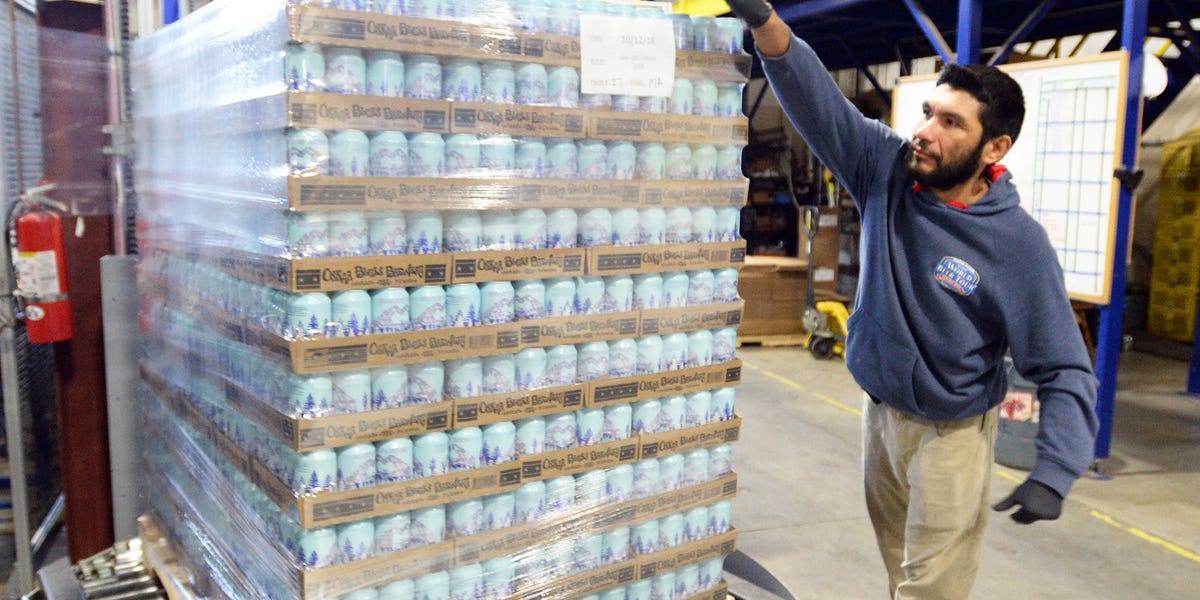
The first cans off the line are always treated like newborns with aluminum onesies. They get weighed, checked, opened, inspected, and sometimes stared at with the intensity of a detective examining a clue. Foam levels, fill heights, seams, and oxygen readings become the language of the morning. When the line settles into rhythm, cases begin to stack up. The brewery team relaxes. The canning crew stays alert. The product that existed only on draft yesterday is suddenly ready for shelves, coolers, and local distribution.
One of the best parts of mobile canning is watching small teams realize how much reach they have gained. A brewer who spent weeks building a recipe can now see it leave the building in a format that protects it and travels well. A taproom manager can plan a release with confidence. A sales rep can bring samples to nearby accounts. A loyal adult customer can take home a seasonal release that might otherwise have disappeared in two weekends.
There are stressful moments too. A label roll can misbehave. A seam adjustment can slow the run. A tank may foam more than expected. A pallet of cans may be staged in the wrong spot, because apparently pallets enjoy drama. But experienced mobile canners are valuable precisely because they have seen these problems before. They troubleshoot quickly, communicate clearly, and keep the day moving.
The biggest lesson from these experiences is that mobile canning works best as a partnership. The brewery must prepare the product properly. The mobile canner must bring technical skill. Both sides must respect timing, quality, safety, and communication. When that happens, the result feels almost magical: a small local business gains professional packaging power without losing its neighborhood soul.
That is why mobile canning is saving the local beer many communities care about. Not by making breweries bigger for the sake of bigness, but by helping them become more resilient, more flexible, and more connected to the people who support them.
Conclusion: The Future of Local Beer May Arrive on Four Wheels
Mobile canning has become one of the most important support systems in the modern craft beverage economy. It helps small breweries package professionally, respond to market changes, protect product quality, manage costs, and reach local adult customers beyond the taproom. In an industry facing slower growth, higher costs, and tougher competition, that flexibility is not a luxury. It is a survival tool.
The local brewery of the future may not need to chase national distribution or install a massive packaging line. It may stay focused, community-centered, and creatively independent while relying on mobile canning partners for packaging expertise. That model is practical, modern, and refreshingly sanethree words not always found together in the beverage business.
So the next time you see a carefully labeled can from a small neighborhood brewery, remember that its journey may have involved a mobile canning crew, a very busy packaging day, and a lot of technical skill hiding behind a simple pop-top. Local beer culture is built by brewers, taproom teams, suppliers, adult consumers, and yes, the rolling canning lines that help small producers keep showing up.













