
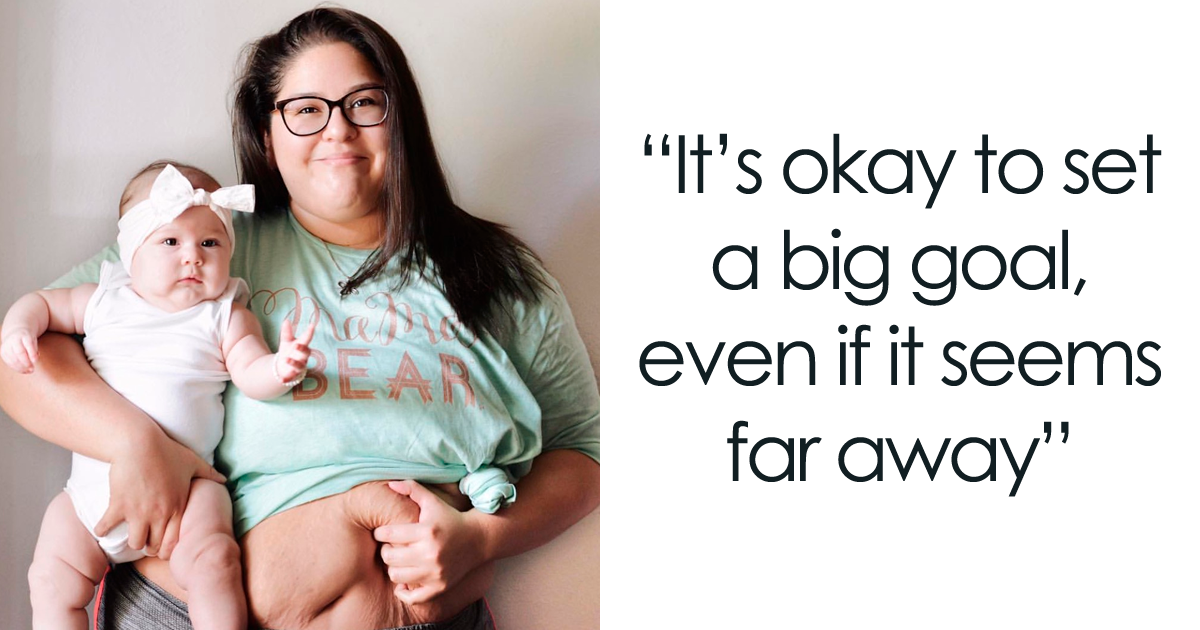
The internet loves a dramatic transformation: a tidy “before,” a triumphant “after,” and a caption implying that recovery can be completed before the baby learns to hold up their own head. Real postpartum life is less cooperative. It is tender, exhausting, funny, unpredictable, and deeply personal.
These ten photos of me and my child are not a story about “getting my body back.” My body never disappeared. It carried a pregnancy, gave birth, healed, lost sleep, fed and comforted a newborn, and changed in ways I could not always predict. The pictures show a postpartum body in motionnot a project waiting to be corrected.
They also explain why comparing postpartum experiences is about as useful as comparing two babies’ sleep schedules. Somebody will end up confused, defensive, or crying in the kitchen at 3 a.m.
Ten Honest Photos From a Very Unfiltered Postpartum Journey
Photo 1: The Hospital Picture With the Still-Round Belly
In the first photo, my child is wrapped like a tiny burrito while my abdomen still looks pregnant. I remember being surprised, even though childbirth does not instantly reverse nine months of physical change. The uterus needs time to shrink, abdominal tissues remain stretched, and swelling may linger.
That belly was not a failure. It was a body in the opening hours of recovery. The early postpartum period is often described as roughly six to eight weeks, but physical and emotional changes may continue much longer. Each timeline depends on health, delivery, complications, sleep, feeding, and support.
Photo 2: The Bathroom Selfie Nobody Frames
The second image includes hospital mesh underwear, an enormous pad, and the expression of someone discovering that standing up can feel like a team assignment for every muscle in the body.
Bleeding and vaginal discharge after birth, called lochia, gradually change as healing progresses. Cramping, soreness, constipation, hemorrhoids, swelling, and bladder trouble can also occur. After a cesarean birth, a parent may be caring for an abdominal incision while managing bleeding, feeding, medication, and newborn care.
These details rarely make the birth announcement. Still, they are real postpartum experiences. Asking someone to bring dinner, wash bottles, hold the baby, or guard the bathroom door while you shower is not weakness. It is logistics.
Photo 3: Feeding My Baby Without a Perfect Plan
In the third photo, I am feeding my child. The image cannot show the questions running through my head: Is the baby getting enough? Is this supposed to hurt? Why does every relative suddenly have a feeding philosophy and a podcast?
Some parents breastfeed or chestfeed. Some pump, use formula, combine methods, or change plans because of pain, milk supply, medication, work, infant needs, mental health, or personal preference.
A feeding method is not a character test. A nourished baby and a supported parent matter more than satisfying an online ideal. In this picture, the most important detail is not the bottle or breast. It is that we are learning how to care for each other.
Photo 4: The Scar, Tear, or Tender Place
The fourth photo shows a part of recovery I once wanted to hide. For one person, that might be a cesarean scar. For another, it may be stitches, bruising, pelvic pain, stretch marks, or an abdomen that feels unfamiliar.
Childbirth can affect muscles, connective tissue, nerves, and the pelvic floor. Persistent urinary leakage, pelvic pressure, painful sex, or ongoing scar and abdominal pain deserve evaluation rather than endless jokes about “what happens after babies.” Pelvic floor physical therapy can help assess and manage several postpartum problems.
A scar can feel meaningful without becoming inspirational merchandise. Some days I see strength. Other days I simply wonder why every waistband seems personally offended by it. Both reactions are allowed.
Photo 5: The One Where I Look Happy but Felt Overwhelmed
In the fifth picture, I am smiling. I also remember feeling frightened, overstimulated, and profoundly tired. A photograph can preserve one expression while missing the emotional weather surrounding it.
The “baby blues” commonly involve tearfulness, mood changes, and irritability and usually improve within about two weeks. More severe or lasting sadness, hopelessness, panic, rage, numbness, frightening thoughts, or difficulty functioning may signal postpartum depression or another perinatal mental health condition. These are treatable medical concerns, not proof that someone is ungrateful or a bad parent.
It is possible to love a baby and dislike the postpartum period. It is possible to feel joy and grief in the same hour. The camera captures light; it does not conduct a mental health screening.
Photo 6: The Hair and Hormone Surprise Package
The sixth photo features a messy bun that was less a hairstyle and more a containment strategy. Later came hair shedding, sweating, skin changes, breast changes, and the feeling that my hormones had reorganized the house without leaving a forwarding address.
Postpartum changes can include hair loss, breast tenderness, leaking milk, vaginal dryness, shifting menstrual patterns, and changes in sex drive. Not everyone experiences the same symptoms or timing. A postpartum body can be healthy and still feel unfamiliar.
Curiosity, rest, and appropriate medical care are more useful than shame. A lint roller also helps, because postpartum hair appears determined to visit every room before leaving.
Photo 7: The Walk That Looked Easy
The seventh picture shows me walking with my child. It looks peaceful. It does not show how slowly I moved, how carefully I planned the route, or how proud I felt after completing one lap around the block.
Postpartum exercise is not a race toward a smaller size. Someone with an uncomplicated vaginal delivery may feel ready for gentle activity relatively soon. A person recovering from surgery, major tearing, high blood pressure, hemorrhage, infection, or another complication may need a different timeline and professional guidance.
Progress might mean a walk, a breathing exercise, getting out of bed with less pain, attending physical therapy, or resting because rest is the medically sensible workout of the day.
Photo 8: The Outfit That Did Not Fitand the One That Did
In the eighth image, I am wearing a size I did not expect. At first, I treated my closet like a courtroom and every pair of jeans like hostile evidence.
Pregnancy may change the abdomen, hips, breasts, rib cage, feet, and weight distribution. Some changes fade and others remain. Social media often presents “bounce-back” photos without showing genetics, money, childcare, editing, medical history, or the thirty rejected angles behind the selected picture.
Buying clothes that fit today’s body is not surrender. It is basic engineering. A body deserves room to breathe, bend, feed a baby, sit on the floor, and retrieve a pacifier without negotiating with a zipper.
Photo 9: Months Later, Still Postpartum
The ninth photo was taken months after birth. My child looks bigger, but I was still healing. Public conversation often treats postpartum recovery as a six-week appointment followed by a ceremonial return to normal.
In reality, professional guidance increasingly treats postpartum care as an ongoing, individualized process rather than a single visit. Sleep deprivation, body image concerns, pelvic floor symptoms, feeding changes, work transitions, anxiety, and depression can emerge or continue later.
Healing is not linear. A parent can feel stronger one month and struggle the next. Needing help at six months does not mean someone missed a deadline.
Photo 10: The Family Portrait That Finally Felt Honest
The last photo is not polished. My child is moving, my shirt is wrinkled, and I am not posing to look smaller. It is my favorite because I look present.
Postpartum body acceptance did not arrive as a dramatic revelation. It grew through small choices: unfollowing accounts that made me feel defective, asking questions at appointments, accepting practical help, eating enough, resting when possible, and noticing what my body could do without requiring myself to adore every inch of it.
Body positivity can be powerful, but body neutrality can be gentler. I do not need to celebrate every change every day. I can respect my body and refuse to make its appearance the price of admission to a good memory.
What These Postpartum Photos Really Show
There Is No Universal “Bounce Back”
The phrase “bounce back” suggests that pregnancy pushed the body away from its correct form. Postpartum bodies may carry loose skin, scars, breast changes, stretch marks, altered weight distribution, pelvic symptoms, or no obvious visible changes.
Two people can have similar pregnancies and completely different recoveries. Even the same person may have very different experiences after separate births. Genetics, age, delivery type, medical complications, disability, sleep, nutrition, mental health, access to care, and practical support can all influence recovery.
Support Changes Recovery
Resilience matters, but recovery is not powered by attitude alone. Paid leave, safe housing, health care, nutritious food, childcare, sleep, and supportive relationships shape the experience.
Useful help is specific. “Let me know if you need anything” is kind. “I am bringing dinner Tuesday and washing the bottles before I leave” is practically poetry.
Mental Health Is Physical Health
Body dissatisfaction and postpartum emotional distress can interact. Research has linked body image concerns with depression and anxiety during the perinatal period, although individual experiences vary. Honest images may reduce isolation, but social media is not treatment. Parents deserve access to clinicians, therapy, peer support, medication when appropriate, and practical assistance.
Some Symptoms Need Urgent Care
Heavy or uncontrolled bleeding, chest pain, trouble breathing, fainting, seizures, fever, severe headache, vision changes, one-sided leg pain or swelling, worsening incision problems, or thoughts of harming yourself or the baby require prompt medical attention.
A severe, sudden, persistent, or frightening symptom should not be dismissed as “just postpartum.” Contact a qualified health professional or seek emergency care.
More Experiences Behind the Photos
The First Time I Asked for Help
One of my hardest postpartum moments was admitting that I could not do everything. I had absorbed the idea that capable parents anticipate every need, maintain a peaceful home, answer messages, feed everyone, and somehow glow while doing it.
Then I cried because clean towels were still in the dryer. The towels were not the real crisis. I was sore, hungry, exhausted, and trying to prove I needed nothing.
I finally asked someone to hold the baby while I ate and showered. Nothing dramatic happened. The baby remained safe. The world did not revoke my parenting license. I felt human again. Help was not a rescue from failure; it was part of how a family functions.
The Day I Stopped Checking the Mirror
For a while, I inspected my stomach every morning as if it might deliver a quarterly progress report. Some days it looked smaller. On others, bloating, posture, lighting, or digestion changed it again. My mood followed the reflection more than I wanted to admit.
I replaced the inspection with a practical question: What does my body need today? Sometimes the answer was food, a walk, comfortable clothes, a medical appointment, more water, or twenty minutes without anyone touching me.
The change did not create instant confidence. It simply turned my body from an image to grade into a living system giving me information.
The Conversation About Pain
I initially assumed that leaking urine and discomfort during movement were things I had to tolerate quietly. Postpartum bladder leaks are joked about so casually that seeking care felt almost dramatic.
When I finally mentioned the symptoms to a clinician, I learned an important distinction: common does not mean untreatable. An evaluation and individualized exercises helped. Improvement took time, but being taken seriously changed the experience immediately.
This is why postpartum storytelling should include care options, not only reassurance. “You are not alone” is valuable. “You may be able to get treatment” is even better.
The Photo I Almost Deleted
There is a picture of me holding my sleeping child with my own eyes closed. My hair is oily, my posture is awkward, and my stomach is visible under a stretched shirt. I nearly deleted it because it did not resemble the version of motherhood I thought I should document.
Months later, I noticed my child’s hand curled around my finger and how completely relaxed that tiny face looked. The picture was not about my stomach until I made it about my stomach.
Keeping it became a quiet rebellion against the belief that I had to look flattering to be worth remembering.
The Moment Joy Returned
Joy was not constant. It appeared in flashes: three baby sneezes in a row, the first real smile, warm laundry, a friend arriving with coffee, and the absurd triumph of trimming ten tiny fingernails without incident.
Those moments did not erase anxiety or fatigue; they sat beside them. A difficult day did not mean I hated parenthood. A joyful day did not mean every problem was solved. Emotional complexity was not hypocrisy. It was the most honest part of postpartum life.
What I Hope My Child Sees
When my child sees these photos one day, I hope they do not study my shape. I hope they see closeness, effort, humor, and the beginning of our relationship.
I hope they learn that bodies change because lives happen inside and around them. Their arrival did not ruin my body. It changed my body and changed my lifeand those are more complicated, meaningful stories than any before-and-after collage can contain.
Conclusion
Postpartum bodies and experiences are different for everyone because birth is not standardized and recovery is not a cosmetic deadline. These ten photos show fragments: a round belly, a scar, tired eyes, a feeding session, a slow walk, an outfit, and a smile. The fuller story includes hormones, healing, identity, support, mental health, and medical care.
A healthier postpartum culture would replace comparison with curiosity and judgment with practical support. It would make room for joy without demanding gratitude every second and take pain seriously without turning every change into a reason for fear.
Our bodies do not owe the camera a comeback. They deserve time, appropriate care, comfortable clothes, honest conversation, and the freedom to appear in family memories exactly as they are.
Editorial note: This educational, first-person-style narrative was informed by guidance and research from ACOG, the CDC, the U.S. Office on Women’s Health, Mayo Clinic, Cleveland Clinic, MedlinePlus, Johns Hopkins Medicine, March of Dimes, NCBI, NIH-indexed research, the Indian Health Service, and Postpartum Support International. It is not a substitute for individualized medical care.










