
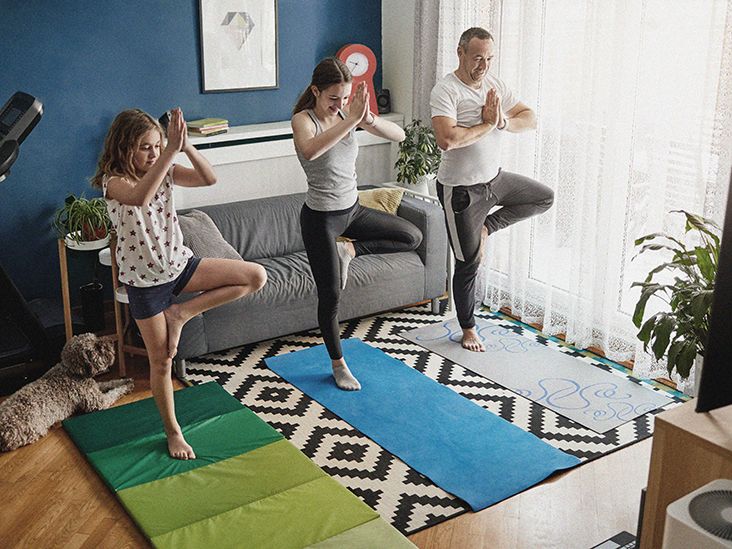
Exercise is one of the rare habits that improves your body, sharpens your mind, lowers stress, boosts sleep, supports confidence, and still does not require a subscription to a mysterious powder with lightning bolts on the label. Whether you walk, lift, swim, dance in your kitchen, garden, cycle, stretch, or chase your dog after it steals a sock, movement is medicine your body actually knows how to use.
The best part? You do not have to become a marathon runner, gym influencer, or person who says “leg day” with alarming seriousness. Regular physical activity works because it adds up. A brisk walk before work, a strength session twice a week, a few mobility breaks during a long day, and weekend activities you actually enjoy can create powerful changes in your heart, muscles, mood, metabolism, sleep, and long-term health.
Why Exercise Matters More Than Ever
Modern life is built for sitting. We sit to work, sit to drive, sit to eat, sit to watch shows about people who are definitely not sitting, then wonder why our backs feel like old folding chairs. The human body, however, is designed for movement. Muscles need resistance, the heart needs rhythm, joints need circulation, and the brain needs fresh signals that say, “Yes, we are alive and not turning into office furniture.”
Exercise helps prevent chronic disease, improves daily energy, supports emotional balance, and keeps the body more resilient as we age. It is not only about weight loss or looking better in jeans. Those goals are valid, but they are only one slice of the pie. Physical activity affects nearly every system in the body, from blood vessels and bones to hormones, immune function, digestion, sleep cycles, and mental clarity.
The Physical Health Benefits of Exercise
1. Exercise Strengthens Your Heart
Your heart is a muscle, and like any hardworking muscle, it improves with regular training. Aerobic activities such as walking, jogging, cycling, swimming, hiking, rowing, and dancing help the heart pump blood more efficiently. Over time, regular movement can help lower blood pressure, improve cholesterol levels, support circulation, and reduce the risk of heart disease and stroke.
Think of cardiovascular exercise as maintenance for your internal plumbing. When you move, blood vessels become more flexible, oxygen delivery improves, and your heart does not have to work as hard during everyday tasks. Climbing stairs, carrying groceries, or walking across a parking lot in July becomes less dramatic. Your heart appreciates this. It may not send a thank-you card, but it notices.
2. Exercise Helps Manage Weight Without Obsession
Exercise burns calories, but its real value goes beyond the calorie math. Regular physical activity helps preserve lean muscle, supports metabolism, improves appetite regulation, and makes weight management more sustainable. Strength training is especially helpful because muscle tissue uses energy even at rest. In plain English: muscle is metabolically active, which is a polite way of saying it does more than sit there looking useful.
That said, exercise should not be treated as punishment for eating. A healthy relationship with movement is built on energy, strength, mood, mobility, and longevitynot guilt. When exercise becomes something you do for your life instead of against your lunch, it becomes much easier to keep going.
3. Exercise Supports Blood Sugar and Metabolic Health
Physical activity helps your muscles use glucose for energy and improves insulin sensitivity. This is especially important for people managing prediabetes, type 2 diabetes, or metabolic syndrome. Even simple activities, such as walking after meals, can help the body process blood sugar more effectively.
Resistance training also plays a major role. Muscles act like storage tanks for glucose, and stronger muscles improve the body’s ability to handle carbohydrates. You do not need to lift a refrigerator. Bodyweight squats, resistance bands, dumbbells, or machines at the gym can all help build strength and improve metabolic function.
4. Exercise Builds Stronger Bones, Joints, and Muscles
Weight-bearing activities and strength training help maintain bone density, support joint stability, and reduce the risk of falls as you age. This matters because muscle loss and bone weakening often happen gradually. One day you are casually getting off the floor; years later, getting off the floor requires strategy, sound effects, and possibly a committee.
Regular exercise keeps muscles responsive and joints better supported. Strength training improves posture, protects the back, and makes daily tasks easier. Flexibility and mobility work, such as yoga, stretching, or controlled range-of-motion exercises, can help reduce stiffness and improve movement quality.
5. Exercise Improves Sleep Quality
Regular movement can help you fall asleep faster, sleep more deeply, and wake up feeling more restored. Exercise helps regulate stress hormones, body temperature, and circadian rhythm. It also gives the body a healthy reason to crave recovery at night.
The timing can vary by person. Some people love morning workouts because they feel energized all day. Others prefer evening walks because they help unload stress. The best schedule is the one you can maintain without turning your life into a military operation.
The Mental Health Benefits of Exercise
1. Exercise Reduces Stress
Stress often lives in the body before it becomes a clear thought. Tight shoulders, clenched jaws, shallow breathing, headaches, restless sleep, and that delightful feeling of wanting to argue with a printer are all common signs. Exercise gives stress a place to go.
Movement lowers tension, improves circulation, and encourages the release of mood-supporting brain chemicals. A workout does not erase life’s problems, but it can change how your nervous system responds to them. After a brisk walk or a short strength session, the same inbox may still be rude, but you may feel less personally attacked by it.
2. Exercise Can Ease Anxiety and Low Mood
Regular exercise is strongly linked with fewer symptoms of anxiety and depression. Movement can increase endorphins, support neurotransmitters involved in mood regulation, and create a sense of control. For people with mild to moderate symptoms, exercise can be a meaningful part of a broader mental-health plan.
This does not mean exercise replaces therapy, medication, or professional care when those are needed. It means physical activity is a valuable tool. On difficult days, even five to ten minutes of walking, stretching, or light cycling can count. The goal is not perfection. The goal is momentum.
3. Exercise Boosts Confidence and Self-Efficacy
One underrated benefit of exercise is the quiet confidence that comes from keeping promises to yourself. Every completed walk, workout, stretch session, or active break sends a message: “I can do hard things. I can take care of myself.” That message matters.
Confidence does not always arrive with fireworks. Sometimes it shows up when you notice your breathing is easier on stairs, your back hurts less after work, your jeans fit differently, or your mood is steadier. These small wins build trust between you and your body.
4. Exercise Supports Brain Health and Focus
Physical activity increases blood flow to the brain and supports cognitive function. Regular movement is associated with sharper thinking, better learning, improved judgment, and a lower risk of cognitive decline over time. Exercise is not just for muscles; it is also a brain upgrade with sneakers.
Many people notice that walking helps them think. This is not imaginary. Movement can improve attention, creativity, and problem-solving. If you have ever solved a problem halfway through a walk after staring at a screen for two hours, you have experienced the brain-body connection in real life.
How Much Exercise Do You Really Need?
For most adults, a practical target is at least 150 minutes of moderate-intensity aerobic activity per week, or 75 minutes of vigorous activity, plus muscle-strengthening activities on two or more days per week. Moderate activity means your breathing speeds up, but you can still talk. Vigorous activity means talking becomes possible but not exactly elegant.
Here is a simple weekly example:
- Monday: 30-minute brisk walk
- Tuesday: 25-minute strength workout
- Wednesday: 30-minute bike ride or swim
- Thursday: Mobility work and a short walk
- Friday: 25-minute strength workout
- Saturday: Hike, dance class, sports, or active chores
- Sunday: Gentle walk, stretching, or rest
You can break exercise into shorter sessions. Three 10-minute walks count. A quick resistance-band routine counts. Taking stairs counts. So does gardening, cleaning, playing with kids, walking the dog, or carrying groceries. Your body is not checking whether your movement happened inside a gym with dramatic lighting.
The Best Types of Exercise for Body and Mind
Aerobic Exercise
Aerobic exercise improves heart and lung fitness. Walking, running, swimming, cycling, rowing, hiking, and dancing are all excellent options. For beginners, walking is one of the most underrated forms of exercise. It is accessible, low-cost, joint-friendly, and easy to build into daily life.
Strength Training
Strength training builds muscle, supports bones, improves balance, and helps protect joints. You can use weights, machines, resistance bands, kettlebells, or your own body weight. Push-ups, squats, lunges, rows, deadlifts, and planks all train useful movement patterns.
Flexibility and Mobility Work
Stretching, yoga, Pilates, and mobility exercises help maintain range of motion and reduce stiffness. These activities are especially useful for people who sit for long periods. Your hips and shoulders may have opinions about your desk job; mobility work lets them file fewer complaints.
Balance Training
Balance exercises help prevent falls and improve coordination. Simple movements such as standing on one foot, heel-to-toe walking, step-ups, and controlled single-leg exercises can make a big difference over time, especially for older adults.
How to Start Exercising Without Burning Out
The biggest mistake beginners make is doing too much too soon. Motivation is wonderful, but it can also be suspiciously dramatic. One day you decide to change your life, and suddenly you are doing burpees at dawn while regretting every decision that led to this moment.
Start smaller than your ego wants. Choose something you can repeat. A 10-minute walk after dinner is better than a heroic two-hour workout that leaves you sore, annoyed, and emotionally opposed to sneakers.
Use the “Minimum Viable Workout”
On busy days, set a tiny baseline: five minutes of stretching, ten bodyweight squats, a walk around the block, or one set of push-ups against a counter. This keeps the habit alive. Consistency beats intensity when you are building a routine.
Pair Exercise With Something Enjoyable
Listen to a podcast only while walking. Watch a favorite show while using a stationary bike. Call a friend during a stroll. Join a class if you like structure. Make movement less like a chore and more like a life upgrade with better background music.
Track Progress Beyond the Scale
Notice your energy, sleep, mood, strength, endurance, posture, resting heart rate, and confidence. These changes often appear before visible body changes. The scale can be one data point, but it should not be the CEO of your self-worth.
Real-Life Experiences: What Exercise Feels Like When It Finally Clicks
For many people, exercise begins as something they think they “should” do. It feels like a task, a punishment, or a project that belongs to a more disciplined version of themselves. The first few sessions may feel awkward. Shoes feel too loud, breathing feels too obvious, and every mirror in the gym seems personally involved. But the experience changes when exercise becomes less about performing fitness and more about feeling better in daily life.
One common experience is the surprise of improved mood. Someone may start walking because their doctor mentioned blood pressure, but after two weeks they realize the evening walk is the calmest part of the day. The walk becomes a transition ritual. Work stress stays on the sidewalk. Family responsibilities feel less overwhelming. Sleep comes easier. Nothing magical happened, yet everything feels slightly more manageable.
Another experience is rediscovering strength. A beginner might start with light dumbbells or wall push-ups and feel embarrassed at first. Then, a month later, carrying groceries feels easier. Getting out of a chair takes less effort. Back pain from sitting begins to fade. These practical victories are deeply motivating because they connect exercise to real life. Fitness stops being abstract. It becomes the reason you can move through your day with less friction.
People also discover that exercise can reshape identity. At first, they say, “I am trying to work out.” Later, they say, “I go for walks.” Then, “I lift twice a week.” The language changes because the habit becomes part of who they are. This shift is powerful. You do not need to become an athlete to become an active person. You only need repeated evidence that movement belongs in your life.
There are frustrating days too. Progress is not a straight line. Some weeks are busy. Some workouts feel heavy. Some mornings your body votes no before the debate begins. That is normal. The people who succeed long term are not the people who never miss a workout. They are the people who return without turning one missed day into a six-month dramatic documentary.
The most sustainable exercise routines are flexible. A tired person may choose stretching instead of running. A busy parent may do squats while dinner cooks. A remote worker may take three short walks between meetings. A retired adult may join a water aerobics class for joint-friendly movement and social connection. A student may use exercise to manage stress before exams. Different lives need different routines, but the principle is the same: move often, recover well, and choose activities that do not make you hate your calendar.
Perhaps the most meaningful experience is learning that exercise is not only about adding years to life, but adding life to ordinary years. It helps you play, travel, focus, sleep, laugh, lift, climb, dance, recover, and participate. It gives your body more options and your mind more stability. That is a benefit worth showing up foreven on days when your couch is giving an extremely persuasive speech.
Conclusion: Movement Is a Long-Term Investment in Yourself
The benefits of exercise for your physical and mental health are too important to ignore. Regular physical activity strengthens the heart, supports weight management, improves blood sugar control, builds muscle and bone, enhances sleep, reduces stress, improves mood, sharpens focus, and helps protect independence as you age.
You do not need the perfect plan. You need a plan you can repeat. Start with walking, add strength training, reduce long sitting periods, and choose activities that fit your personality and schedule. Exercise is not about becoming someone else. It is about giving your current self a stronger, calmer, more energized body to live in.
So begin where you are. Walk for ten minutes. Stretch your stiff shoulders. Lift something heavier than your phone. Take the stairs. Dance badly and proudly. Your body does not require perfection. It rewards participation.














