
Ask anyone who has spent a winter in Seattle, Portland, Olympia, or along the Oregon Coast what the Pacific Northwest is famous for, and you may hear three answers: coffee, evergreen trees, and rain that seems to arrive with its own lease agreement. But the region’s rainy reputation is not just a moody stereotype invented by umbrella companies. It is the result of a perfectly arranged weather machine involving the Pacific Ocean, prevailing winds, mountain ranges, seasonal storm tracks, and a few dramatic atmospheric rivers that occasionally sweep in like the sky forgot to turn off the faucet.
So, why is the Pacific Northwest so rainy? The short answer is that moist air from the Pacific Ocean is pushed inland by prevailing westerly winds, forced upward by coastal mountains and the Cascade Range, cooled into clouds, and dropped as rain or snow. The longer answer is more interesting. It explains why the coast can feel like a giant sponge, why the western slopes of the Olympics and Cascades are incredibly wet, why eastern Washington and eastern Oregon are much drier, and why summers can be surprisingly sunny despite the region’s soggy fame.
The Pacific Ocean Is the Region’s Rain Engine
The Pacific Northwest sits beside one of the largest moisture sources on Earth: the Pacific Ocean. Ocean water constantly evaporates into the air, especially when storms and winds stir the surface. That moisture does not politely stay offshore. It gets carried eastward toward land by prevailing winds, especially during the cooler months when the storm track aims more directly at the Northwest.
This ocean influence also helps keep temperatures relatively mild west of the Cascades. Instead of the extreme winter cold common in interior continental climates, coastal Washington and Oregon often get cool, damp, gray days. The air is moist, the clouds are frequent, and the rain usually arrives as steady showers rather than dramatic tropical-style downpours. It is less “movie thunderstorm” and more “your socks are now part of the ecosystem.”
Prevailing Winds Push Moist Air Inland
In the mid-latitudes, weather systems generally move from west to east. That matters because the Pacific Northwest lies directly in the path of moist air flowing in from the ocean. These westerly winds carry water vapor toward Washington, Oregon, northern California, Idaho, and British Columbia. When the air reaches land, it does not encounter a flat welcome mat. It meets mountains.
The region’s terrain is one of the biggest reasons the Pacific Northwest is so rainy. The Olympic Mountains, Coast Range, and Cascade Range all act like giant weather ramps. Moist air is forced upward as it hits these slopes. As air rises, it expands and cools. Cooler air cannot hold as much water vapor, so the moisture condenses into clouds and precipitation. This process is called orographic lift, which is a fancy meteorological way of saying, “Mountains squeeze rain out of clouds.”
Orographic Lift: The Mountain-Made Rain Machine
Orographic lift is the star of the Pacific Northwest rain show. When moist Pacific air reaches the Olympic Peninsula, the Olympic Mountains force it upward. The result is some of the wettest low-elevation forests in the United States, including the famous Hoh Rain Forest in Olympic National Park. Annual precipitation there can reach around 140 inches, feeding mossy trees, lush ferns, and trails that look like they were designed by a very enthusiastic green crayon.
The same thing happens along the Oregon Coast Range and the western slopes of the Cascades. Air rises, cools, condenses, and releases moisture. This is why coastal areas and western mountain slopes can receive enormous amounts of precipitation while cities in lowland valleys receive less. Seattle and Portland are rainy in terms of frequent wet days, but they are not the absolute rain champions of the region. The mountains and coastal forests collect much larger totals.
The Rain Shadow Explains the Dry Side
One of the most interesting facts about Pacific Northwest weather is that the entire region is not equally rainy. In fact, some areas east of the Cascades are surprisingly dry. This is because of the rain shadow effect.
After moist air drops much of its water on the windward side of the mountains, it descends on the leeward side. As it sinks, it warms and dries out. That creates a sharp climate contrast. Western Washington and western Oregon are famous for drizzle, moss, and dense forests. Eastern Washington and eastern Oregon have more sunshine, colder winters, hotter summers, grasslands, farms, and semi-arid landscapes.
This is why you can drive from the damp forests near the coast to dry country east of the Cascades in just a few hours. The scenery changes so quickly that it feels as if someone swapped the background while you were looking for snacks at a gas station.
Why Rain Is Heaviest in Fall and Winter
The Pacific Northwest does not rain evenly all year. The wet season usually runs from fall through spring, with the heaviest precipitation often arriving from November through March. During this period, the jet stream shifts southward and becomes stronger, guiding Pacific storm systems into the region. These storms bring clouds, wind, rain in the lowlands, and snow in the mountains.
Summer is different. High-pressure systems often become more common over the northeastern Pacific, pushing storms away and bringing drier, sunnier weather. That is why the Pacific Northwest can have gray, wet winters but pleasant, dry summers. Newcomers sometimes arrive in July and think the rainy reputation is exaggerated. Then November knocks on the door wearing waterproof boots.
Atmospheric Rivers Bring the Big Rain Events
Not all Pacific Northwest rain comes from ordinary storm systems. Some of the most intense rain events come from atmospheric rivers. These are long, narrow bands of water vapor that move through the atmosphere, often carrying moisture from subtropical areas across the Pacific. When one of these moisture-rich systems hits the mountains of Washington or Oregon, rainfall can become heavy and prolonged.
Atmospheric rivers can be beneficial because they refill reservoirs, build mountain snowpack, and support water supplies. But they can also cause flooding, landslides, road washouts, and swollen rivers. In the Pacific Northwest, atmospheric rivers are a major part of the annual water cycle. They are like express delivery trucks for moisture, except the package is sometimes several inches of rain and the signature required is from every storm drain in town.
Seattle Is Rainy, But Not Always in the Way People Think
Seattle is one of America’s most famous rainy cities, but its rain reputation is more about frequency than huge annual totals. Seattle gets many cloudy and drizzly days, especially in winter, but its average annual precipitation is lower than some cities in the eastern and southern United States. The difference is style. In Seattle, rain often arrives as light to moderate precipitation spread across many days. In other cities, more rain may fall in fewer, heavier storms.
This explains why visitors sometimes say, “It barely rained,” while locals reply, “Exactly. It barely rained for six straight months.” The region’s signature weather is not always dramatic. It is persistent. It taps politely on windows, softens the edges of the skyline, and gives everyone a strong opinion about jacket hoods.
Portland, the Willamette Valley, and the Gentle Rain Pattern
Portland and the Willamette Valley share a similar but slightly different rain pattern. The valley sits between the Coast Range and the Cascades, so it receives plenty of Pacific moisture but is somewhat sheltered from the heaviest coastal precipitation. Portland’s winter climate is typically cool, cloudy, and rainy, with most precipitation falling as rain rather than snow. Snow can happen, especially when cold air moves through the Columbia River Gorge, but rain is the usual winter character.
The Willamette Valley’s rain supports farms, vineyards, gardens, and forests. It also explains why spring can feel like a slow-motion argument between sunshine and showers. One hour, you are admiring tulips. The next, you are wondering why your weather app has trust issues.
Why the Coast and Mountains Are Wetter Than the Cities
When people ask why the Pacific Northwest is so rainy, they often think of Seattle or Portland. But the wettest places are usually closer to the coast or higher in the mountains. The Olympic Peninsula, Oregon Coast Range, and western Cascade slopes intercept moist air before it reaches the interior valleys. As elevation increases, precipitation often increases too, especially on the windward slopes.
This is why rainforests thrive on the western Olympic Peninsula while Seattle gets a more moderate amount of rain. The city sits partly in the rain shadow of the Olympic Mountains, which can reduce precipitation compared with areas directly exposed to Pacific storms. In other words, Seattle is rainy enough to earn the jokes, but not rainy enough to win the trophy.
Snowpack Is Part of the Rain Story
In the mountains, much of the Pacific Northwest’s winter precipitation falls as snow. This snowpack is extremely important. It acts like a frozen reservoir, storing water during winter and releasing it gradually as temperatures rise in spring and early summer. Rivers, forests, farms, hydropower systems, salmon habitats, and communities all depend on this seasonal water storage.
When storms are colder, the Cascades and Olympics build deep snow. When storms are warmer, more precipitation falls as rain, even at higher elevations. This matters because rain runs off quickly, while snow stores water for later. That is why climate scientists pay close attention not only to how much precipitation falls, but also whether it falls as rain or snow.
Does Climate Change Affect Pacific Northwest Rain?
Climate change does not mean the Pacific Northwest will simply become “more rainy” every day. The picture is more complicated. Warmer air can hold more moisture, which can make heavy precipitation events more intense. At the same time, warmer temperatures can reduce snowpack, increase winter rain at elevations that historically received snow, and intensify summer dryness. This means the region may face both heavier wet-season storms and greater dry-season stress.
That combination creates challenges. More intense rain can increase flood and landslide risk, especially in steep terrain. Reduced snowpack can affect summer water supplies. Drier, hotter summers can raise wildfire risk. The Pacific Northwest’s rainy identity is not disappearing, but the timing, intensity, and consequences of precipitation are changing in ways that matter for cities, forests, farms, and wildlife.
Why the Rain Makes the Pacific Northwest So Green
Of course, rain is not just an inconvenience. It is the reason the Pacific Northwest looks the way it does. The region’s rain supports towering Douglas firs, western red cedars, Sitka spruce, bigleaf maples, moss-covered branches, fern-filled forests, and rivers that carve through deep valleys. It feeds iconic landscapes from Olympic National Park to Mount Hood, Mount Rainier, and the Columbia River Gorge.
The rain also shapes the culture. It influences architecture, clothing, transportation, gardening, coffee habits, outdoor recreation, and the local talent for pretending drizzle does not count as weather. Many residents do not carry umbrellas. Instead, they wear waterproof jackets and develop a casual relationship with dampness that outsiders may find suspicious.
Common Myths About Pacific Northwest Rain
Myth 1: It rains hard all the time
Not true. Much of the rain west of the Cascades is light or moderate. The region is famous for frequent rain, mist, and drizzle, not constant downpours.
Myth 2: The entire Pacific Northwest is wet
Also false. Eastern Washington and eastern Oregon are much drier because of the Cascade rain shadow. The Pacific Northwest contains rainforests, valleys, mountains, deserts, and high plateaus.
Myth 3: Summers are rainy too
Summers are often relatively dry, especially west of the Cascades. July and August can be sunny, warm, and beautiful, which is why locals suddenly become outdoor philosophers with hiking shoes.
Myth 4: Seattle is America’s rainiest city
Seattle has many rainy days, but several U.S. cities receive more total annual rainfall. Seattle’s reputation comes from cloudy skies, frequent light rain, and a long wet season.
Experiences: What It Feels Like to Live With Pacific Northwest Rain
Living with Pacific Northwest rain is less like surviving a natural disaster and more like joining a very damp club with excellent scenery. The rain changes the rhythm of daily life. Mornings often begin with gray light, wet pavement, and the soft sound of tires moving through shallow street water. Coffee shops feel warmer. Bookstores feel more inviting. Even grocery runs take on a cozy, cinematic quality, as if everyone is an extra in a thoughtful indie film about soup.
One of the first things people notice is that the rain is often gentle. It may not pour, but it lingers. You might leave the house under a mist so fine it seems harmless, only to discover twenty minutes later that your hair has quietly surrendered. Locals learn to judge rain by texture: drizzle, mist, shower, steady rain, sideways rain, and “I should have stayed home and respected the forecast” rain.
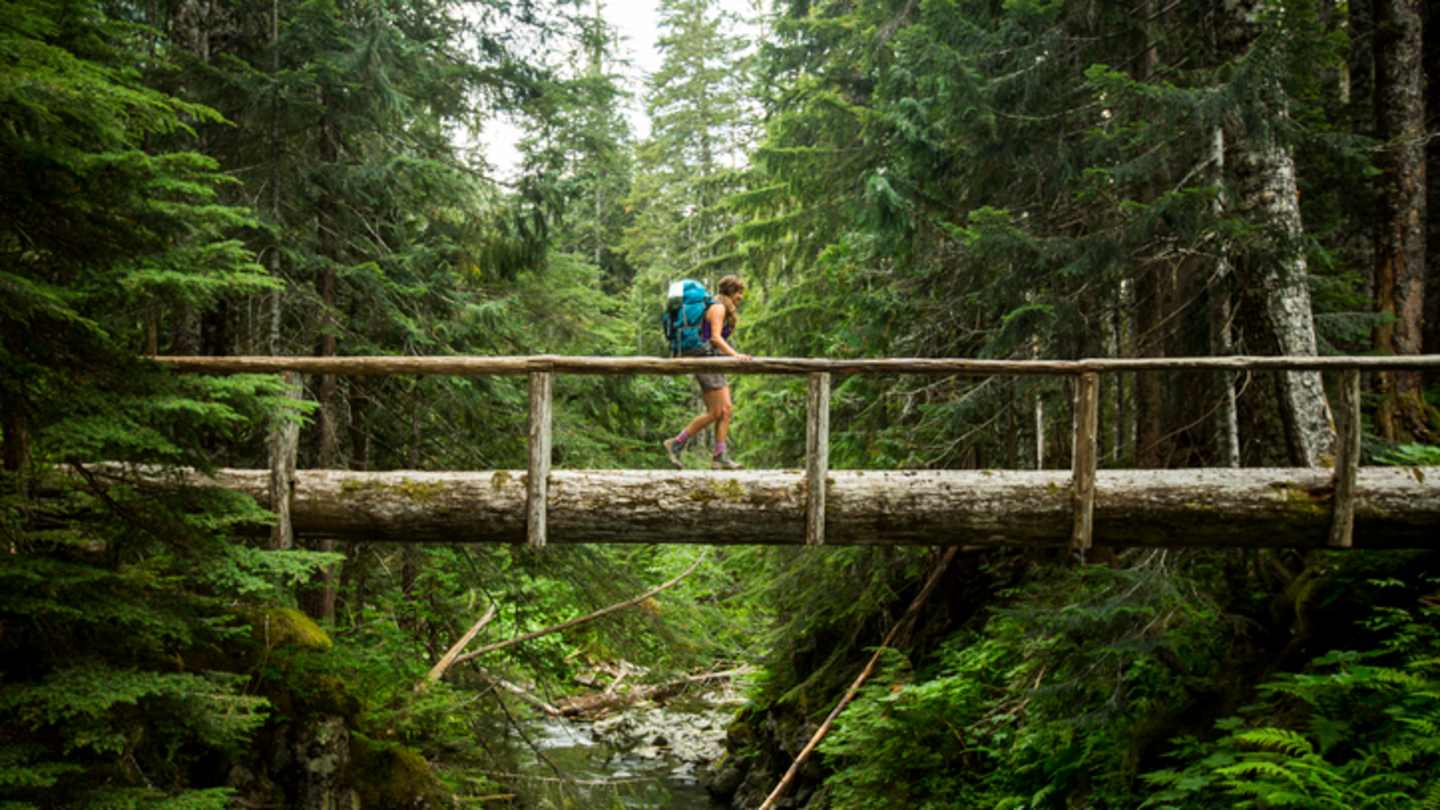
Outdoor life does not stop. Hikers still hike, runners still run, and dog owners still stand in parks looking betrayed while their dogs have the time of their lives. Trails in the rain can be magical. Forests smell richer, moss glows brighter, and streams sound louder. In places like the Hoh Rain Forest or the Columbia River Gorge, rain does not ruin the view; it completes it. The landscape seems built for water, with every leaf, root, and stone participating in the performance.
The rain also teaches patience. Plans become flexible. Shoes become practical. A good rain jacket becomes more important than a fancy outfit. People learn which sidewalks flood, which bus stops have shelter, and which cafes have windows perfect for storm-watching. There is a strange comfort in the predictability of the wet season. When the first real fall rain arrives after a dry summer, it can feel like the region exhaling.
Then comes summer, and the whole place transforms. The same cities known for gray skies suddenly sparkle under long daylight hours. Parks fill, patios open, mountains appear from behind clouds, and everyone remembers why they endured January. The rainy months make the sunny months feel earned. That contrast is part of the Pacific Northwest’s charm. The rain is not just weather; it is the backstage crew responsible for the green forests, full rivers, snow-capped peaks, and dramatic beauty that define the region.
Conclusion: The Pacific Northwest Is Rainy by Design
The Pacific Northwest is rainy because geography and atmosphere work together with impressive efficiency. The Pacific Ocean supplies moisture, prevailing winds carry it inland, mountain ranges lift and cool the air, and seasonal storm tracks deliver frequent fall and winter precipitation. Atmospheric rivers occasionally add major rain events, while the Cascades create a sharp divide between the wet west and the drier east.
That rain can be inconvenient, yes. It can flatten hairstyles, cancel picnics, and turn “quick errands” into a waterproofing test. But it also creates the region’s forests, rivers, snowpack, gardens, and moody beauty. Without the rain, the Pacific Northwest would lose much of what makes it iconic. The drizzle is not a flaw in the design. It is the design.













