
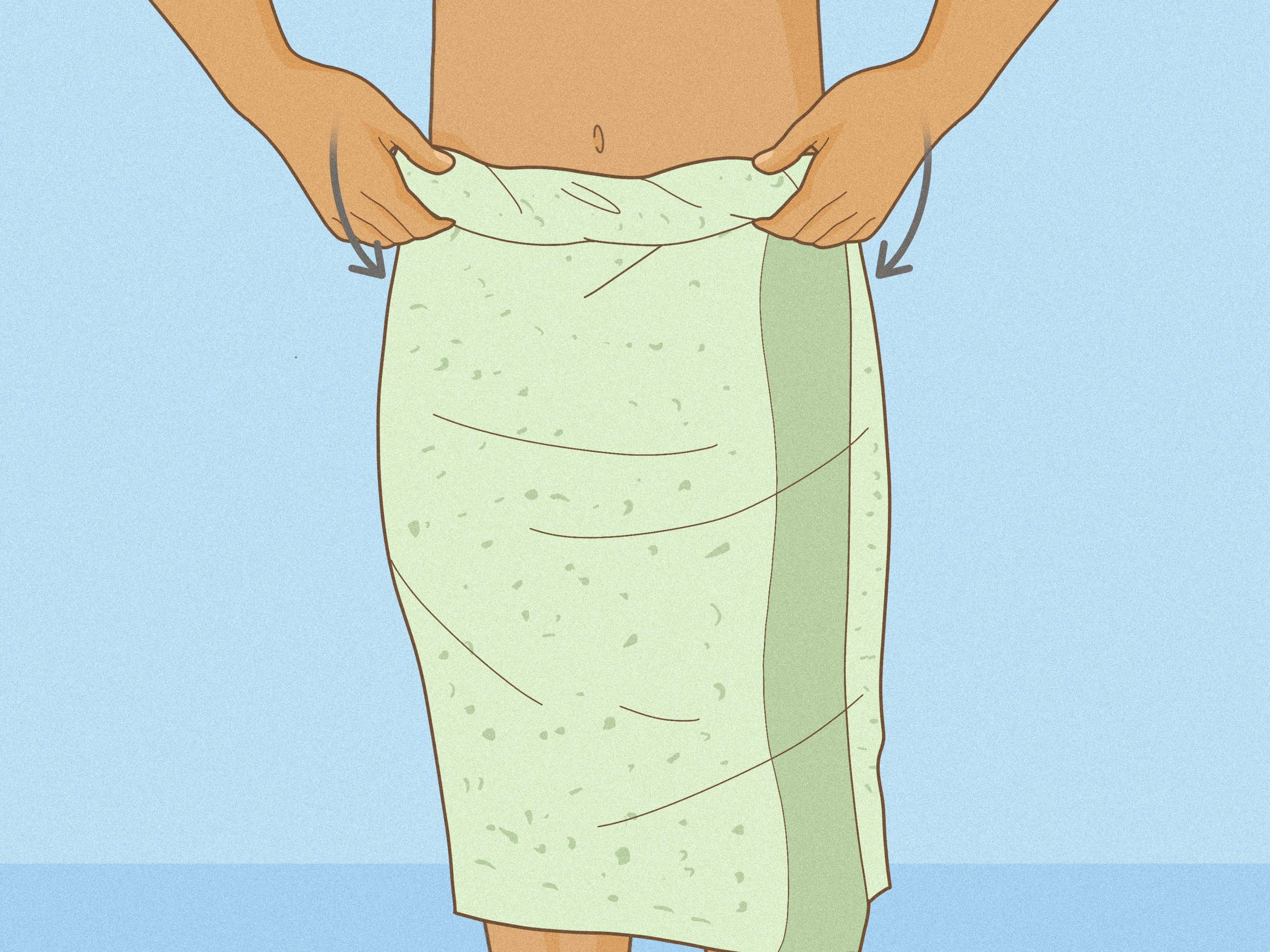
Wrapping a towel around your waist sounds like one of those life skills nobody teaches because everyone assumes you were born knowing it. Then one day, you step out of the shower, attempt a confident hotel-spa tuck, and the towel immediately makes a dramatic escape toward the floor. Congratulations: you have discovered that towel wrapping is not magic. It is technique.
The good news is that learning how to wrap a towel around your waist is simple. You do not need a luxury spa robe, a physics degree, or the reflexes of an action-movie hero. You only need the right towel size, a dry enough towel surface, a snug wrap, and a proper tuck. Once you understand the basic method, your towel will stay in place while you brush your teeth, shave, do your skincare routine, pack a gym bag, answer the door from a safe distance, or dramatically inspect your hair in the mirror like you are starring in a shampoo commercial.
This guide explains the five easy steps for wrapping a towel around your waist securely, plus practical tips for choosing the best towel, avoiding slippage, staying comfortable, and keeping your bath towels fresh. Whether you are at home, in a gym locker room, at a pool, in a dorm bathroom, or on vacation, these steps will help you get a clean, secure, comfortable towel wrap every time.
Why Wrapping a Towel Properly Matters
A towel wrap is more than a quick post-shower cover-up. Done correctly, it gives you comfort, privacy, mobility, and a few minutes of hands-free convenience. Done badly, it becomes a suspense thriller titled Will It Fall Before I Find My Pajamas?
A secure waist towel wrap matters because it lets you move naturally without constantly grabbing the towel. It also helps avoid dragging the towel on the floor, which keeps it cleaner and more useful for drying. In shared spaces such as gyms, dorms, pool areas, spas, and family bathrooms, a neat towel wrap also supports basic etiquette. Nobody needs towel chaos before breakfast.
The trick is to create tension across the fabric without making the towel painfully tight. Think of it like wrapping a burrito, except the burrito is you and the tortilla is made of cotton terry. The towel should overlap generously, sit at the natural waist or upper hips, and tuck into itself with enough friction to hold.
What You Need Before You Start
Choose the Right Towel Size
The easiest way to make a towel stay around your waist is to use a towel large enough for your body. A standard bath towel may work well for many people, but a bath sheet offers extra coverage and a more generous overlap. That overlap is important because the tuck needs fabric to grip. If your towel barely reaches around your waist, it will behave less like a wrap and more like a very nervous curtain.
For most adults, a bath towel that wraps at least one and a half times around the waist is ideal. If you want more coverage, use a bath sheet. Bath sheets are usually larger than regular bath towels and are especially helpful after swimming, at the gym, or when you want a more relaxed, spa-style wrap.
Use a Dry, Absorbent Towel
A slightly damp towel can still wrap, but a soaked towel is heavier and more likely to slide. If you just used the towel to dry off, shake it once and position the driest edge at your waist. Cotton towels, Turkish cotton towels, and terry towels tend to grip better than very silky or ultra-smooth fabrics. Waffle towels dry quickly, but some may feel lighter and less grippy depending on the weave.
If your towel has lost absorbency, the issue may be laundry buildup. Fabric softeners and dryer sheets can leave residue that makes towels feel soft but less effective at absorbing water. For a towel that wraps and dries well, keep it clean, avoid heavy softener use, and let it dry fully between uses.
How to Wrap a Towel Around Your Waist: 5 Steps
Step 1: Hold the Towel Horizontally Behind Your Waist
Start by holding the towel lengthwise, with the long edge running horizontally. Place the center of the towel against your lower back, just above your hips or at your natural waist. Your hands should hold the two top corners or upper edges of the towel.
Keep the towel level. If one side starts higher than the other, the finished wrap may twist or loosen. A straight starting position gives you a cleaner wrap and better coverage. Imagine you are putting on an apron backward, except this apron has one job: not embarrassing you.
For a more secure fit, use the top edge of the towel as the anchor line. This edge is what you will fold, roll, or tuck later. If the towel has a decorative border near the end, you can still use it, but the plush part of the towel often grips better than a flat woven border.
Step 2: Bring One Side Across the Front of Your Body
Take one side of the towel and pull it across the front of your waist. Smooth it flat as you go. The towel should sit snugly but not squeeze. If it digs into your skin or makes breathing feel like a hobby you used to enjoy, loosen it slightly.
Most people find it easier to bring the left side across first, then overlap with the right side, but either direction works. The goal is to create a firm first layer that lies flat against your body. Avoid bunching the fabric at the front because bulky folds can make the final tuck weaker.
If you are wrapping the towel after a shower, make sure your skin is mostly dry where the towel sits. Water on the waist or hips can make the towel slide downward. A quick extra pat around the waistline can make a surprising difference.
Step 3: Pull the Other Side Across and Overlap Generously
Now bring the second side across the front, over the first layer. Pull gently until the towel feels secure. You should have several inches of overlap. More overlap means more friction, and friction is your best friend here. It is the quiet hero of towel engineering.
The outer layer should cross your body smoothly and end near one hip or slightly off-center in the front. A side tuck often feels more comfortable and stays better than a tuck placed directly in the middle. If the towel is very large, continue wrapping until the fabric naturally rests flat.
At this point, check the length. The towel should cover comfortably from the waist down. If it feels too short, raise or lower the towel slightly before tucking. For walking around the house or locker room, a lower hip wrap may feel casual, while a higher waist wrap often feels more secure.
Step 4: Fold or Roll the Top Edge Down
This is the step many people skip, and it is usually the reason the towel slips. Once the towel overlaps, fold the top edge down once or twice. You can fold it about one to two inches, or roll it slightly if the towel is thick. This creates a tighter band around your waist and locks the layers together.
A folded top edge works like a built-in waistband. It adds structure, increases friction, and keeps the tuck from loosening immediately. If your towel is thin, fold the top edge twice. If it is thick and fluffy, one firm fold may be enough.
Do not roll too much fabric, though. A giant towel roll around your waist can feel bulky and may actually loosen as you move. You want a neat fold, not a cinnamon roll. Unless you are going for pastry chic, keep it controlled.
Step 5: Tuck the Outer Corner Securely Into the Fold
Take the top corner of the outer towel layer and tuck it into the folded waistband. Push it down firmly but comfortably. The tucked corner should sit between the layers of towel, not just on the surface. Once tucked, lightly tug the lower part of the towel to test the hold.
If the towel feels loose, unwrap and try again with more tension or more overlap. If it feels too tight, redo the wrap with a gentler pull. The perfect towel wrap should let you walk, stand, and move your arms without constant adjustment.
For extra security, tuck a larger section of the towel rather than just the tiny corner. You can also fold the top edge down once more after tucking. This creates a stronger hold, especially with lighter towels or after swimming when the fabric may be damp.
Common Mistakes That Make a Waist Towel Fall
Using a Towel That Is Too Small
A towel that barely overlaps has very little grip. If you have to stretch the towel like it owes you money, it is too small for a reliable waist wrap. Switch to a larger bath towel or bath sheet for better coverage and a more secure tuck.
Wrapping Over Wet Skin
Water reduces friction. If your waist is still wet, the towel may slide even if the tuck is correct. Dry your waist and hips first, then wrap. This one small habit can turn a slippery towel situation into a stable one.
Skipping the Folded Waistband
The fold is not decoration. It is the lock. Without it, the towel relies only on tension, and tension loosens as soon as you bend, walk, or reach for the toothpaste. Always fold or roll the top edge before tucking.
Tucking Too Little Fabric
A tiny corner tuck may look neat, but it can pop out quickly. Tuck enough fabric into the folded waistband so the towel grips itself. Think secure, not delicate.
Using a Slippery or Worn-Out Towel
Old towels can become thin, stretched, or less textured. Some new towels can also feel slick before their first few washes. A towel with good texture and absorbency usually wraps better than one that feels flat or coated.
Best Types of Towels for Waist Wrapping
Standard Bath Towels
A standard bath towel is convenient, easy to wash, and suitable for quick daily use. It works best if it is long enough to overlap well around your waist. For smaller bathrooms, gym bags, and everyday showers, this is the classic choice.
Bath Sheets
A bath sheet gives more coverage and usually feels more secure because there is more fabric to wrap and tuck. If you often struggle with standard towels slipping, a bath sheet may solve the problem immediately. It is the luxury SUV of towels: bigger, roomier, and slightly dramatic in a hotel bathroom.
Turkish Towels
Turkish towels are often lighter and dry quickly. They can be great for travel, pools, and warm climates. Because they are thinner than plush terry towels, you may need a tighter fold or double tuck to keep them secure around the waist.
Waffle Towels
Waffle towels are popular because they dry fast and feel lightweight. Their textured weave can help with grip, though some waffle towels are thinner than traditional terry towels. They are a good option if you dislike heavy towels or live in a humid area where drying time matters.
Towel Wrap Tips for Different Situations
At Home
At home, comfort matters most. Use a towel that gives you enough coverage to move around without adjusting every ten seconds. Hang the towel after use so it can dry completely. A towel left in a damp heap will become musty faster, and nobody wants their bathroom to smell like a forgotten gym sock with ambition.
At the Gym
In a gym locker room, choose a towel large enough for privacy and easy movement. Wrap it before stepping away from the shower area, and keep your clean clothes within reach. After use, do not leave a damp towel sealed in your gym bag for hours. Damp fabric can develop odors quickly, so wash it or hang it to dry as soon as possible.
At the Pool or Beach
Pool and beach towels are often larger, which makes them excellent for waist wrapping. However, wet towels are heavier, so use a firm fold and tuck. If the towel is sandy, shake it out before wrapping. Sand inside a towel fold is not a spa experience; it is exfoliation with bad manners.
While Traveling
Hotel towels vary wildly. Some are fluffy and generous; others seem designed for decorative dolls. If the towel is small, wrap it higher on the waist and tuck more fabric into the fold. If you travel often, consider packing a lightweight quick-dry towel for backup.
How to Keep Your Towel Clean, Fresh, and Wrap-Friendly
A towel that smells fresh and dries well is easier and nicer to use. After each shower, hang your towel fully open instead of bunching it on a hook. Airflow helps it dry faster. If a towel stays damp too long, it can develop odors and become less pleasant against the skin.
Wash bath towels regularly, especially if they are used after workouts, stored in a gym bag, shared, or kept in a humid bathroom. Use the care label as your first guide. In general, avoid overloading the washer, use a reasonable amount of detergent, and skip heavy fabric softeners if absorbency matters. Too much product can coat fibers and make the towel less effective.
When drying towels, give them space to tumble or hang freely. A fully dry towel feels lighter, smells better, and wraps more securely. If your towels feel stiff, waxy, or strangely water-resistant, they may need a residue-removing wash routine. Clean fibers grip and absorb better.
Extra Experience: Real-Life Lessons From the Great Towel-Wrapping Adventure
Anyone who has ever wrapped a towel around their waist has probably learned at least one lesson the hard way. Mine came from a hotel bathroom with shiny tile floors, a mirror too honest for early morning, and a towel that looked fluffy but had the staying power of a soap bubble. I wrapped it quickly, took three proud steps toward the sink, and immediately had to perform the emergency towel grab known to humanity since indoor plumbing began.
The first lesson is simple: slow down. Most towel failures happen because people rush. They grab the towel, slap it around the waist, tuck a microscopic corner, and hope confidence will do the rest. Confidence is useful, but fabric physics is stronger. Taking five extra seconds to smooth the towel, overlap it properly, fold the top edge, and tuck firmly makes the whole wrap more reliable.
The second lesson is that towel size changes everything. A towel that works perfectly for drying your hair may be completely useless as a waist wrap. A larger towel gives you more overlap, and overlap gives you security. When I started choosing the bigger towel after showers, the difference was immediate. No more awkward shuffle. No more one-handed toothbrush routine. No more negotiating with gravity before coffee.
The third lesson is that your towel’s condition matters. A fresh, textured cotton towel usually grips well. A towel that is soaked, slick with laundry residue, or worn thin may slide no matter how carefully you tuck it. If a towel constantly falls, it may not be your technique. It may be the towel quietly resigning from its duties.
The fourth lesson is about movement. A towel wrap can handle normal walking, brushing teeth, shaving, skincare, and choosing clothes. It is not designed for lunges, interpretive dance, or sprinting down the hallway because you forgot your phone. Keep movements reasonable. If you need to bend down, hold the top fold with one hand or squat carefully. The towel is secure, not legally binding.
The fifth lesson is that the best wrap is the one that feels natural to you. Some people like the tuck in the center. Others prefer it at the side. Some like the towel at the waist; others prefer it lower on the hips. Try small adjustments until you find your most comfortable method. Once your hands learn the motion, wrapping a towel becomes automatic.
There is also a confidence benefit that sounds silly until you experience it. A secure towel wrap makes the few minutes after a shower feel calmer. You are not wrestling with fabric. You are not dripping on the floor. You are not trying to open a drawer while holding a towel with your elbow. You are simply dry, covered, and moving through your routine like a person who has absolutely mastered the bathroom arts.
And honestly, that is the charm of this tiny skill. It is practical, humble, and slightly funny. Nobody wins an award for wrapping a towel correctly, but everybody appreciates it when the towel stays put. It is one of those small daily victories that makes life smoother. Your coffee tastes better. Your socks stay drier. Your bathroom rug suffers less. The world may still be chaotic, but at least your towel is under control.
Conclusion
Learning how to wrap a towel around your waist takes only a few steps, but the details matter. Start with the right towel size, place it evenly behind your waist, overlap the fabric across the front, fold the top edge into a waistband, and tuck the outer corner securely. For the best results, use an absorbent towel, dry your waist first, and make sure the fabric has enough overlap to hold.
A good towel wrap should feel comfortable, secure, and easy to move in. It should not require constant adjustment or heroic levels of hope. With the right technique, you can step out of the shower, pool, gym, or spa feeling put together instead of one wrong move away from a laundry-based emergency.














