
When heart disease seems to run through your family tree like an unwanted heirly cholesterol be? The answer is no longer a single magic number printed on a refrigerator magnet. Your ideal cholesterol goal depends on your current LDL level, age, blood pressure, smoking status, diabetes, kidney health, evidence of artery plaque, andimportantlyhow early cardiovascular disease appeared in your close relatives.
The good news is that family history is a warning sign, not a verdict. You cannot choose your genes, but you can reduce the amount of time your arteries are exposed to high levels of LDL cholesterol. Current U.S. guidance increasingly emphasizes treating cardiovascular risk earlier and more precisely, especially when inherited risk may be hiding behind an otherwise respectable-looking annual physical.
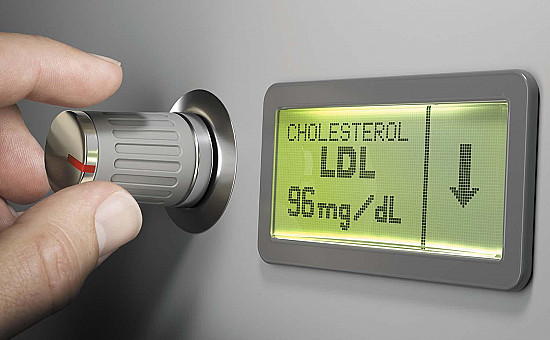
For many adults without established cardiovascular disease, an LDL cholesterol goal below 100 mg/dL may be appropriate. People at high risk may need to aim for below 70 mg/dL. Those with established atherosclerotic cardiovascular disease and very high risk may have a goal below 55 mg/dL. A strong family history can be one of the factors that moves the conversation toward earlier treatment or a lower target.
Why family history changes the cholesterol conversation
Family history matters because heart disease can reflect both shared habits and inherited biology. Families may share diets, smoking patterns, activity levels, and environments. They may also share genes that affect cholesterol metabolism, blood pressure, diabetes risk, inflammation, blood clotting, and lipoprotein(a), commonly written as Lp(a).
Doctors are particularly interested in a family history of premature atherosclerotic cardiovascular disease. In general, this means heart attack, coronary artery disease, or another atherosclerotic event occurring before age 55 in a male first-degree relative or before age 65 in a female first-degree relative. A parent or sibling who had a heart attack at 48 is therefore more concerning for inherited risk than a distant relative who developed heart disease at 89.
This distinction matters because standard short-term risk calculators can sometimes make younger adults look reassuringly low risk. A 38-year-old with a strong family history may have a low 10-year risk simply because age has not yet had enough time to cause mathematical trouble. The lifetime story may be very different.
So, what should your LDL cholesterol goal actually be?
The newest U.S. approach combines cholesterol numbers with an overall assessment of cardiovascular risk. LDL remains the central target because elevated LDL-containing particles contribute directly to plaque buildup in arteries.
| General situation | Possible LDL-C goal |
|---|---|
| Primary prevention with low, borderline, or intermediate estimated risk | Below 100 mg/dL |
| Primary prevention with high estimated cardiovascular risk | Below 70 mg/dL |
| LDL-C 190 mg/dL or higher without additional high-risk features | Below 100 mg/dL |
| Heterozygous familial hypercholesterolemia, additional ASCVD risk factors, or significant subclinical atherosclerosis | Often below 70 mg/dL |
| Established cardiovascular disease, not classified as very high risk | Below 70 mg/dL |
| Established cardiovascular disease with very high risk | Below 55 mg/dL |
These are treatment goals, not self-prescribing instructions. Your personal target may differ because two people with an LDL of 125 mg/dL can have dramatically different cardiovascular risk profiles.
If your LDL is between 70 and 189 mg/dL
This is where personalized risk assessment becomes especially useful. For adults without known cardiovascular disease, current guidance uses overall risk to help determine whether lifestyle changes alone are reasonable or whether cholesterol-lowering medication should be considered.
A family history of premature cardiovascular disease is a risk-enhancing factor. It can strengthen the case for treatment when the decision would otherwise be uncertain. For example, an LDL of 145 mg/dL might not trigger the same recommendation in a nonsmoking adult with no significant family history as it would in someone whose father had a heart attack at 47 and whose sister required a coronary stent at 52.
In other words, the laboratory report is only one chapter. Your family tree may be another.
If your LDL is 190 mg/dL or higher
An untreated LDL level of 190 mg/dL or above deserves prompt medical evaluation, regardless of whether you feel healthy. Cholesterol has the annoying habit of causing no warning symptoms while plaque quietly accumulates.
Very high LDL may indicate familial hypercholesterolemia, or FH, an inherited disorder that interferes with the body’s ability to clear LDL from the bloodstream. Adults with FH commonly have extremely elevated LDL from an early age and face a substantially increased risk of premature coronary disease.
For people starting with LDL-C of 190 mg/dL or higher, a treatment goal below 100 mg/dL may be used. A goal below 70 mg/dL may be appropriate when heterozygous familial hypercholesterolemia, additional cardiovascular risk factors, or evidence of hidden atherosclerosis is present.
Reaching these levels often requires medication in addition to healthy habits. That is not a failure of willpower. You cannot out-jog a seriously impaired LDL receptor.
Family history does not automatically mean familial hypercholesterolemia
A common source of confusion is assuming that any family history of heart disease means you have FH. It does not.
Familial hypercholesterolemia is a specific inherited lipid disorder. Clues can include:
- Untreated LDL cholesterol around 190 mg/dL or higher in an adult.
- Very high cholesterol beginning early in life.
- Heart attacks or coronary disease at unusually young ages in close relatives.
- Multiple affected relatives across generations.
- In some people, cholesterol deposits around tendons or other physical findings.
Genetic testing can sometimes confirm the diagnosis, but clinical evaluation remains important even when no genetic test has been performed. A person can have dangerous lifelong LDL exposure whether or not a laboratory has identified a particular gene variant.
Ask about lipoprotein(a), especially with unexplained early heart disease
One of the most important additions to modern cardiovascular risk assessment is greater attention to lipoprotein(a), or Lp(a). This LDL-like particle is largely determined by genetics and can increase the risk of heart attack, stroke, and aortic valve disease.
Current U.S. dyslipidemia guidance recommends measuring Lp(a) at least once to identify people with increased inherited cardiovascular risk. This can be particularly informative when a family has a striking history of early heart disease that seems out of proportion to ordinary cholesterol levels.
An elevated Lp(a) does not mean a heart attack is inevitable. Instead, it may be a reason to control modifiable risks more aggressively, particularly LDL cholesterol, blood pressure, smoking, diabetes, exercise, and diet.
Could a coronary calcium scan help decide?
Sometimes the numbers leave both the patient and clinician stuck in the medical equivalent of, “Well… maybe.” A coronary artery calcium scan, or CAC scan, can sometimes help.
This specialized CT scan looks for calcified plaque in the coronary arteries. A higher score generally indicates a greater burden of underlying atherosclerosis. Current guidance supports using CAC selectively when the decision to begin or intensify cholesterol-lowering treatment remains uncertain.
The 2026 approach also connects the amount of coronary calcium with increasingly intensive LDL goals. For example, a modest CAC score may support an LDL goal below 100 mg/dL, while more substantial plaque can support goals below 70 mg/dL. Extremely heavy calcification may justify an even lower goal in appropriate patients.
A CAC score is not necessary for everyone, and it exposes the patient to a small amount of radiation. It should answer a meaningful clinical question rather than serve as a collectible health statistic.
Do not obsess over total cholesterol alone
Total cholesterol is useful, but it can be a blunt instrument. A complete lipid panel usually provides more useful information, including:
- LDL cholesterol: the primary treatment target for reducing atherosclerotic risk.
- HDL cholesterol: useful for risk assessment, although raising HDL with a pill is not the main treatment goal.
- Triglycerides: another important blood fat that can influence cardiovascular and metabolic risk.
- Non-HDL cholesterol: total cholesterol minus HDL, representing multiple potentially atherogenic particles.
In selected patients, clinicians may also measure apolipoprotein B, or ApoB, particularly when triglycerides are elevated, diabetes is present, or the standard lipid panel may underestimate the number of artery-damaging particles.
This is why asking, “Is my total cholesterol normal?” can be less useful than asking, “What is my overall atherosclerotic risk, and what LDL target makes sense for me?”
What lifestyle changes can realistically do
Lifestyle remains the foundation of cardiovascular prevention, whether or not medication is needed. The most effective plan is usually less dramatic than a seven-day detox involving celery water and regret.
Reduce saturated fat and improve fat quality
Replacing foods high in saturated fat with unsaturated fats can help lower LDL cholesterol. Practical changes include choosing nuts, seeds, olive oil, fish, avocado, and other minimally processed foods more often while limiting excessive amounts of fatty processed meat and foods rich in saturated fat.
Eat more soluble fiber
Oats, barley, beans, lentils, apples, citrus fruits, and other fiber-rich foods can help reduce LDL. A broadly Mediterranean-style or plant-forward eating pattern also supports blood pressure, weight management, and blood sugar control.
Exercise consistently
Regular physical activity improves cardiovascular fitness and helps manage several risk factors at once. Walking counts. Resistance training counts. You do not need to become the person who discusses marathon split times at breakfast.
Do not smoke
Smoking and high cholesterol are particularly unfriendly roommates. Avoiding tobacco exposure can dramatically improve overall cardiovascular risk even when the cholesterol number itself does not change much.
Manage the whole risk profile
Blood pressure, diabetes, sleep, body weight, physical activity, and cholesterol interact. A narrow focus on LDL while ignoring uncontrolled hypertension is like repairing one window while the roof is on fire.
When medication may be appropriate
Statins remain the cornerstone of LDL-lowering drug therapy because they have extensive evidence for reducing cardiovascular events. The intensity of treatment depends on the person’s starting LDL level and overall risk.
When a statin alone does not lower LDL enoughor when a person cannot tolerate an adequate statin doseclinicians may consider additional therapies such as ezetimibe, bempedoic acid, or PCSK9-targeting medications. The appropriate combination depends on risk, treatment response, medical history, side effects, cost, and patient preference.
A strong family history can make earlier treatment reasonable even when a person feels perfectly well. Prevention is, by definition, somewhat unfair: you take action before anything dramatic happens, which means success can look suspiciously like “nothing happened.” In cardiovascular medicine, that is often the whole point.
Questions to bring to your next medical appointment
Instead of simply asking whether your cholesterol is “good” or “bad,” consider asking:
- What is my LDL cholesterol goal based on my full cardiovascular risk?
- Does my family history qualify as premature cardiovascular disease?
- Should I be evaluated for familial hypercholesterolemia?
- Should I have an Lp(a) test at least once?
- Would ApoB provide useful additional information?
- Would a coronary artery calcium scan actually change my treatment plan?
- How much LDL reduction should I aim for from my current level?
- When should my lipid panel be repeated after a lifestyle or medication change?
Bring as much specific family information as possible. “Heart problems” is vague. “My father had a heart attack at 49, my older brother had a stent at 51, and my mother has an untreated LDL of 210” is medically much more useful.
A practical answer: your family history may justify aiming lower
For a person with a family history of heart disease but no personal history of cardiovascular disease, an LDL below 100 mg/dL is a common starting goal. However, that should not be interpreted as a universal finish line.
If the family history involves premature heart disease, if your estimated cardiovascular risk is high, if your LDL has been persistently elevated, if Lp(a) is high, or if imaging shows coronary plaque, a goal below 70 mg/dL may be more appropriate. People who already have cardiovascular disease may need even lower levels, including below 55 mg/dL when they are considered at very high risk.
The real goal is not to win a cholesterol-number contest. It is to reduce cumulative exposure to atherogenic cholesterol and lower the chance that your family’s history becomes your personal future.
Real-world experiences: what people with a family history often learn
The following examples are illustrative composites based on common clinical situations, not accounts of specific patients and not personal medical advice.
Experience 1: “My cholesterol was only a little high”
One common experience is the younger adult whose LDL has hovered around 150 to 165 mg/dL for years. Nobody panics. The person exercises, does not smoke, and may even have normal blood pressure. Because the 10-year risk looks low, cholesterol becomes something to “keep an eye on.”
Then the family history comes into focus. Dad had a heart attack at 52. An uncle died suddenly in his 40s. An older sibling has just been told that coronary plaque is already present.
The lesson is that a moderately elevated LDL can mean something different when it has been present for decades and sits alongside inherited risk. The conversation may shift from “check it again someday” to calculating both short- and long-term risk, measuring Lp(a), reviewing the family pedigree, and discussing whether earlier LDL lowering makes sense.
Experience 2: the healthy lifestyle that was not enough
Another familiar story involves someone doing nearly everything right. They cook at home, walk every day, rarely eat fast food, and regard vegetables as actual food rather than decorative parsley. Yet their LDL remains above 190 mg/dL.
This situation can be frustrating because people often assume high cholesterol is always a lifestyle report card. It is not. Genetic disorders such as familial hypercholesterolemia can produce very high LDL even in highly active people with excellent diets.
The useful turning point is recognizing that medication and lifestyle are partners rather than rivals. A heart-healthy diet still matters because it improves overall risk, but inherited high LDL frequently requires pharmacologic treatment to reach a safer level.
Experience 3: discovering that “heart disease in the family” was too vague
Many people know that a relative had “heart trouble” but have never asked what actually happened or at what age. Gathering the details can change a risk assessment surprisingly quickly.
A grandmother who developed heart failure at 88 tells a different inherited-risk story from a mother who had a myocardial infarction at 54. A father who needed bypass surgery at 47 is different from a relative with a congenital heart defect. The words heart disease cover many conditions that do not all carry the same implications for cholesterol management.
Creating a simple family health historywho was affected, what happened, and how old they werecan therefore be one of the most practical steps in preventive medicine.
Experience 4: using additional testing to break a tie
Some people reach a genuine gray zone. Their LDL is not extremely high. Their calculated short-term risk is borderline. Their family history is concerning, but they are uncertain about starting lifelong medication.
In this setting, a clinician may discuss additional risk assessment. Lp(a) may uncover a strong inherited risk factor. A coronary calcium scan may show no detectable calcified plaque, or it may reveal that atherosclerosis has already begun despite the absence of symptoms.
The value of these tests is not simply producing more numbers. Their value is helping answer a decision: should treatment begin now, become more intensive, or remain focused on lifestyle and monitoring?
The shared lesson
Across these experiences, one lesson appears repeatedly: family history should trigger better questions, not panic. Some people with a strong family history will still have relatively modest overall risk. Others will discover severe inherited cholesterol disorders or additional risk markers that justify earlier treatment.
The most useful approach is to combine the family story with objective measurements. Know your LDL. Understand whether cardiovascular disease occurred prematurely in first-degree relatives. Ask about Lp(a). Consider whether additional testing would actually change management. Then choose a target with a clinician based on the entire picture.
Genes may load the cardiovascular dice, but prevention gives you more than one roll.
Conclusion
There is no single cholesterol goal for everyone with a family history of heart disease. For many adults trying to prevent a first cardiovascular event, an LDL below 100 mg/dL is a reasonable goal. High-risk individuals may need to aim below 70 mg/dL, while people with established and very high-risk cardiovascular disease may need an LDL below 55 mg/dL.
A history of premature heart disease in close relatives deserves special attention because it can reveal inherited risk that ordinary short-term calculators may underestimate. Very high LDL, familial hypercholesterolemia, elevated Lp(a), and evidence of coronary plaque can all justify more intensive prevention.
The smartest next step is not to chase a number borrowed from someone else’s laboratory report. It is to establish your own target based on your cholesterol levels, family history, lifetime exposure, and complete cardiovascular risk profile.
Note: This article is for general educational purposes and does not replace individualized medical advice, diagnosis, or treatment. Cholesterol goals and medication decisions should be discussed with a qualified health care professional.













