
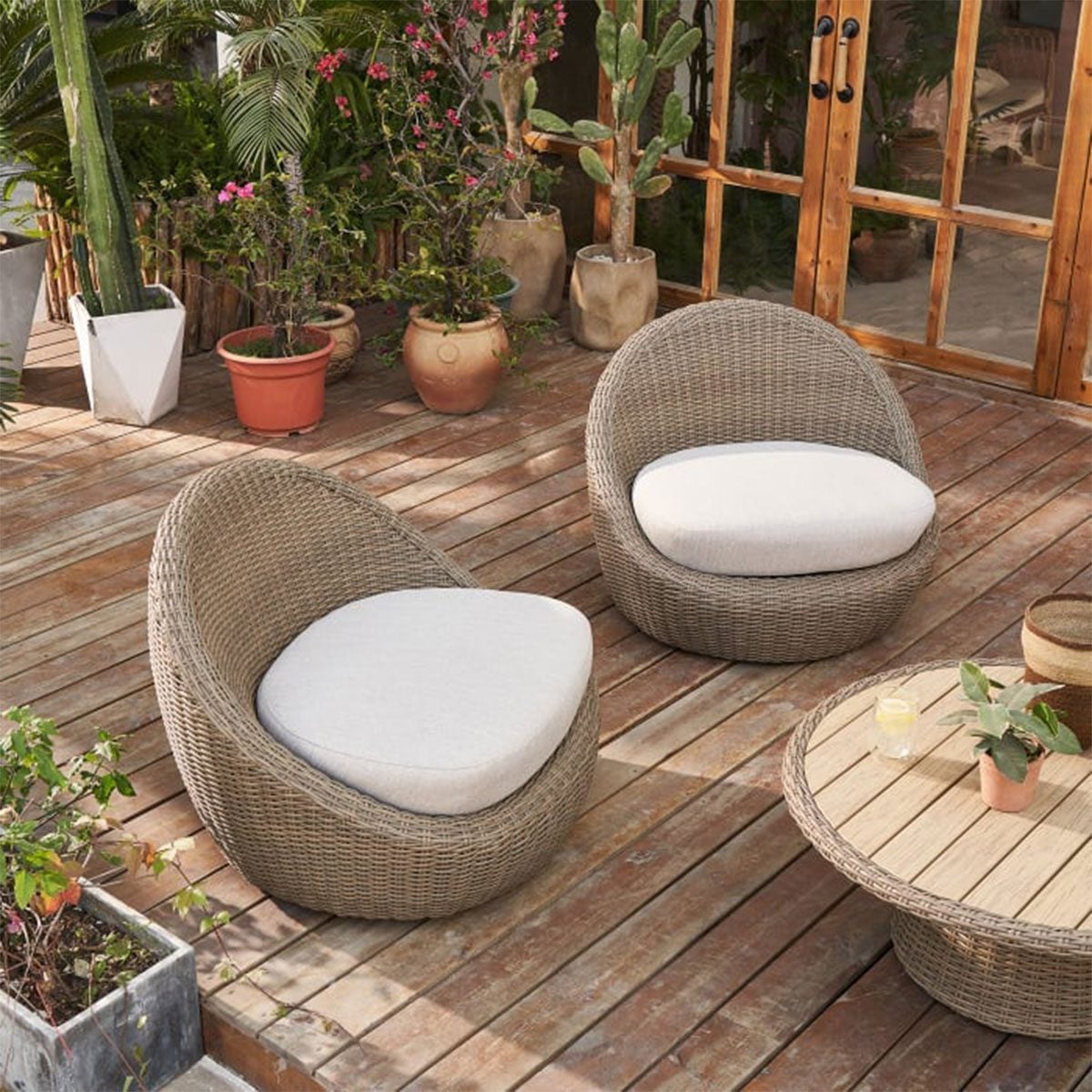
Outdoor furniture has a harder job than almost anything inside your house. A living room sofa may have to survive spilled coffee and an enthusiastic Labrador. A patio sofa has to deal with blazing sun, thunderstorms, pollen, humidity, temperature swings, wet swimsuits, barbecue sauce, birds with questionable manners, and occasionally a child using the armrest as a launchpad.
That is why designers tend to judge the best outdoor furniture brands differently from ordinary indoor furniture companies. Looking good in a catalog is only the opening audition. Great patio furniture also needs weather-resistant materials, comfortable proportions, thoughtful construction, replaceable or cleanable cushions, and a design that will not feel embarrassingly dated before the cushions have finished drying.
For this guide, we synthesized recent recommendations, product testing, designer commentary, and outdoor-furniture coverage from major American home and design publications including Architectural Digest, HGTV, ELLE Decor, Good Housekeeping, Better Homes & Gardens, Forbes Vetted, Sunset, House Beautiful, Domino, Apartment Therapy, Real Simple, and Bob Vila. A consistent theme emerges: designers increasingly treat patios, decks, terraces, and gardens as real rooms rather than places to exile leftover furniture.
What Designers Look for in Outdoor Furniture
Before getting to the brands, it helps to understand what separates excellent designer outdoor furniture from a bargain set that may start wobbling before Labor Day.
Weather-appropriate materials
Powder-coated aluminum remains popular because it resists rust and requires little maintenance. Teak earns premium status because its natural oils help it tolerate moisture, insects, and changing weather. High-density polyethylene, or HDPE, is another strong option when low maintenance matters. High-quality synthetic wicker can also perform beautifully when it is UV-resistant and built around a solid frame.
Performance fabrics
Outdoor cushions no longer have to feel like something borrowed from a fishing boat. Sunbrella, Perennials, solution-dyed acrylics, quick-drying foams, and other performance materials make it possible to create seating that looks remarkably similar to indoor upholstery while resisting fading, moisture, and stains.
Proportion and comfort
A gorgeous chair that makes everyone sit like they are waiting for a dentist appointment is not good design. Designers pay attention to seat depth, arm height, back angle, cushion support, and the relationship between chairs and tables. Outdoor spaces should encourage people to stay outside, not quietly formulate excuses to go back indoors.
1. Brown Jordan: Best Heritage Luxury Brand
If outdoor furniture had an old-money wing, Brown Jordan would probably have reserved parking there. Founded in California in 1945, the company has become one of America’s most recognizable luxury outdoor furniture names and remains associated with upscale residential, hospitality, and resort environments. Bob Vila places Brown Jordan prominently among leading outdoor furniture brands, while specialist retailers continue to regard it as a benchmark for premium patio construction.
Its strength is longevity without stylistic stagnation. Collections range from streamlined contemporary aluminum furniture to woven and teak designs, allowing designers to use the brand in modern, transitional, coastal, and traditional settings.
Best for: Luxury patios, substantial homes, pool terraces, and buyers who want investment-grade furniture.
Designer takeaway: Brown Jordan makes sense when you would rather buy a great outdoor dining set once than replace a merely adequate one several times.
2. DEDON: Best for High-Design Outdoor Living
DEDON is what happens when outdoor furniture stops apologizing for being outdoor furniture. The German luxury brand is especially famous for sophisticated woven designs and collaborations with major international designers. ELLE Decor highlights its work with names including Stephen Burks, Sebastian Herkner, and Philippe Starck, while design-industry sources recognize DEDON for combining handcrafted construction with innovative weather-resistant fiber.
Many DEDON pieces are sculptural enough to become focal points rather than background seating. Collections often use flowing shapes, dramatic lounge proportions, intricate weaving, and powder-coated aluminum structures.
Best for: Architectural homes, luxury pools, modern gardens, boutique-hotel aesthetics, and serious design enthusiasts.
Designer takeaway: Choose DEDON when the furniture itself is supposed to be part of the architecture, not simply somewhere to put your lemonade.
3. Serena & Lily: Best for Elevated Coastal Style
Serena & Lily has mastered a difficult trick: making coastal design feel polished rather than themed. Architectural Digest consistently highlights the company’s outdoor collections, noting its all-weather wicker, performance fabrics, lounge seating, and coordinated furniture families. Tested pieces such as the Pacifica Lounge Chair have also been praised for retaining their appearance after years outdoors.
The palette tends toward driftwood, white, navy, pale blue, woven textures, and relaxed silhouettes. That makes the brand especially easy to incorporate into beach homes, traditional patios, covered porches, and light-filled transitional spaces.
Another designer-friendly advantage is coordination. Sofas, chairs, chaises, dining furniture, side tables, and accessories can often be purchased within complementary collections, which helps a large outdoor area look intentionally designed rather than assembled during six unrelated online shopping sessions.
Best for: Coastal, traditional, transitional, and resort-inspired outdoor spaces.
4. Design Within Reach: Best for Modern Design Icons
Design Within Reach is a favorite resource when designers want outdoor furniture with legitimate modern-design credentials. HGTV’s 2026 outdoor furniture guide notes that professionals turn to DWR for modern lines, iconic shapes, licensed designs, quality materials, and performance-fabric options. Designer Sara Swabb specifically described it as a go-to resource for modern forms.
DWR carries celebrated brands and designers such as HAY, Heller, Magis, and other modernist manufacturers, making it particularly useful when a patio connects visually to an architecturally significant or highly contemporary interior.
Best for: Midcentury modern homes, urban terraces, contemporary architecture, and design collectors.
Designer takeaway: This is where to shop when you want your patio chair to have a design biography longer than your résumé.
5. Outer: Best for Smart, Durable Outdoor Systems
Outer has become a major direct-to-consumer player by focusing almost entirely on the particular headaches of outdoor living. Architectural Digest recommends the brand for durable teak, aluminum, and wicker furniture, while Sunset has highlighted Outer among sustainability-minded outdoor companies.
The overall aesthetic is intentionally versatile: neutral upholstery, straightforward silhouettes, modular seating, dining furniture, and fire features that fit easily into modern or coastal landscapes.
Outer is especially appealing to homeowners who care less about owning an obscure design collectible and more about thoughtful outdoor-specific engineering. Its furniture tends to acknowledge the fact that actual patios contain rain, dirt, sun, leaves, children, pets, and people carrying plates of ribs.
Best for: Families, frequent entertainers, modern suburban patios, and buyers prioritizing durability.
6. Neighbor: Best for Modern Minimalism
Neighbor brings the visual restraint of Scandinavian furniture to the backyard without forgetting that the backyard occasionally gets soaked. Architectural Digest has highlighted the brand’s modern silhouettes, colorful performance fabrics, quick-drying foam, teak, and modular designs. AD100 designer Mandy Cheng has also recommended Neighbor, while Sunset notes its use of FSC-certified teak and marine-grade hardware.
Instead of forcing every outdoor space into beige-on-beige neutrality, Neighbor offers colors such as rust, leaf, ash, and charcoal. The result feels closer to an intentionally decorated living room.
Its modular systems also make sense for evolving spaces. Start with a loveseat, expand later, change the configuration, or mix collections without making the patio look as though three different yard sales collided.
Best for: Contemporary homes, smaller patios, modern desert landscapes, and design-conscious homeowners.
7. Lulu and Georgia: Best for Statement Pieces
Lulu and Georgia is particularly strong when you need one piece that prevents an outdoor room from becoming aggressively sensible. Architectural Digest praises the company’s designer-led outdoor assortment and collaborations with established creative names such as Sarah Sherman Samuel. Its pieces frequently reinterpret familiar outdoor forms with unusual curves, stripes, proportions, textures, or finishes.
Domino’s review of 2026 outdoor launches similarly singled out Lulu and Georgia’s bold striped Lanata collection, demonstrating the brand’s ability to use pattern without turning the patio into a circus tent.
Best for: Statement chaises, accent chairs, sculptural tables, cabana-inspired patios, and interiors that already have a strong design personality.
Designer takeaway: You do not necessarily need an entire matching collection. Sometimes one memorable lounge chair does more work than seven obedient beige ones.
8. Article: Best Design for the Money
Article occupies a useful middle ground between commodity patio furniture and five-figure designer collections. ELLE Decor recommends it for minimalist, Scandinavian-inspired outdoor design, while Architectural Digest highlights relatively approachable prices and coordinated collections. Domino and Apartment Therapy have also singled out Article outdoor pieces in recent editorial coverage.
The brand uses materials ranging from acacia and aluminum to synthetic wicker, concrete, and performance upholstery. Its silhouettes generally look clean rather than overly decorative, making pieces easy to integrate into different environments.
Best for: First serious patio upgrades, contemporary homes, younger homeowners, and shoppers seeking a strong price-to-design ratio.
Designer takeaway: Article is a good place to spend strategically when you want the patio to look considered but would still like money left over for groceries.
9. POLYWOOD: Best Low-Maintenance Outdoor Furniture
POLYWOOD has transformed recycled-plastic outdoor furniture from something purely practical into a legitimate design option. Sunset praises its long-lasting, weather-resistant lumber and newer designer-oriented collections, while Forbes Vetted has recommended POLYWOOD seating for demanding weather conditions. Better Homes & Gardens testing has also featured POLYWOOD products among durable outdoor choices.
HDPE furniture is particularly appealing in places where moisture, salt air, temperature swings, or low-maintenance expectations make natural wood inconvenient. It will not develop teak’s romantic silver patina, but it also will not ask you to spend Saturday afternoon sanding it while your neighbors are already drinking iced tea.
Best for: Coastal homes, pool decks, exposed patios, vacation properties, Adirondack-style seating, and homeowners who dislike maintenance.
10. Yardbird: Best for Sustainable, Approachable Collections
Yardbird combines direct-to-consumer pricing with a strong emphasis on outdoor durability and recycled materials. Bob Vila highlights its factory-to-consumer model and use of recycled components, while Forbes Vetted has recommended Yardbird outdoor dining options and wicker seating in broader patio-furniture testing.
The company’s collections are generally coordinated enough to furnish an entire patio without becoming visually monotonous. Woven seating, dining sets, sectionals, and lounge pieces lean contemporary but remain neutral enough for a wide variety of homes.
Best for: Family backyards, large coordinated patios, practical sustainability-minded shoppers, and people who want premium-looking furniture without entering ultra-luxury territory.
How to Choose the Best Outdoor Furniture Brand for Your Home
Match the material to your climate
A beautiful material can still be the wrong material. In humid or coastal areas, corrosion resistance and fast-drying construction matter enormously. In extremely sunny regions, UV resistance and fade-resistant upholstery become priorities. Windy locations may require heavier furniture, while covered porches give you more freedom to use delicate finishes.
Measure before falling in love
Outdoor furniture often looks smaller online than it feels on a real patio. Tape out the dimensions before ordering. Leave enough room behind dining chairs, preserve circulation paths, and make sure doors can open without smacking into the world’s most expensive chaise lounge.
Think in zones
Large outdoor areas work better when divided into functions: dining, lounging, conversation, cooking, and perhaps a quiet reading corner. Designers rarely solve a big space simply by placing one enormous matching furniture set in the center.
Spend where your body touches the furniture
If the budget is limited, prioritize chairs, loungers, sofas, and dining seats. A simple side table can look terrific beside a genuinely comfortable premium chair. The reverse arrangementa designer table surrounded by chairs everyone secretly hatesis less successful.
Real-World Outdoor Furniture Experience: What You Learn After Living With It
Product photographs are taken on the best day of a piece of furniture’s life. Real ownership begins afterward. Across long-term editorial testing and common homeowner experiences, a few lessons appear again and again.
Comfort becomes more important than style surprisingly quickly
The sculptural chair that looked spectacular on your phone can become considerably less charming after a 90-minute dinner. When evaluating outdoor dining chairs, pay attention to the angle of the backrest and whether the seat edge presses into the legs. For lounge furniture, deep cushions may feel luxurious, but very low seating can be awkward for older guests.
A useful practical test is to imagine your most common outdoor activity. If you drink coffee for 20 minutes each morning, a compact lounge chair may be perfect. If Sunday lunch routinely lasts three hours, dining ergonomics suddenly matter a lot more.
Cushion management is a lifestyle decision
People often shop for cushions based on color and softness. Six months later, they care about drainage, mildew resistance, removable covers, and how quickly everything dries after rain.
Performance upholstery helps enormously, but no fabric is magical. Covered storage, furniture covers, or a protected patio can extend the usable life of cushions and reduce cleaning. If you know perfectly well that you are never going to carry 12 cushions into the garage every time clouds appear, choose furniture designed around that reality.
Teak is beautiful, but you need to accept the aging process
Fresh teak has a rich golden-brown color. Outdoors, untreated teak gradually develops a silvery-gray patina. Some homeowners love that relaxed appearance; others immediately start researching teak oil after discovering that nature did not consult them about the color change.
Neither approach is wrong. Decide before purchasing whether you want to maintain the original warmer tone or happily allow the wood to weather naturally.
Modular furniture earns its keep
One of the most useful trends in premium outdoor furniture is modularity. A sectional that can become two conversation groups is easier to adapt for parties, seasonal changes, or a future move.
Brands such as Neighbor, Outer, Article, and others increasingly make collections that can expand over time. This reduces the pressure to design the entire outdoor space perfectly on day onewhich is convenient, because very few patios reveal their true personality until people actually start using them.
Maintenance tolerance should influence the purchase
A person who enjoys maintaining teak may reasonably choose natural wood. A person who considers wiping down a table once per year an ambitious maintenance program should probably investigate aluminum or HDPE.
This sounds obvious, yet it is one of the easiest mistakes to make. Buy furniture for the homeowner you actually are, not the surprisingly energetic homeowner you imagine becoming after watching three landscaping videos.
The best outdoor spaces usually mix rather than match
Perfectly coordinated patio sets are convenient, but designer-looking outdoor rooms often mix materials. Teak can soften powder-coated aluminum. Woven chairs can bring texture to a concrete table. A colorful modern lounge chair can break up an otherwise neutral sectional.
The trick is repetition. Repeat a color, material, shape, or finish at least twice so that contrasting pieces look intentional. Your furniture does not need to belong to the same collection; it simply needs to look as though the pieces have been introduced to one another.
Which Outdoor Furniture Brand Is Best Overall?
There is no universal winner because the best choice depends on your climate, architecture, budget, and appetite for maintenance. Brown Jordan remains compelling for heritage luxury. DEDON is exceptional for design-driven statement furniture. Serena & Lily dominates polished coastal style, while Design Within Reach is difficult to beat for modern classics.
For contemporary direct-to-consumer shopping, Outer and Neighbor balance aesthetics with outdoor-specific practicality. Lulu and Georgia excels at visual drama, Article delivers strong design value, POLYWOOD is a smart low-maintenance choice, and Yardbird combines approachable design with a sustainability-minded philosophy.
The larger lesson from designers is more useful than any ranking: treat outdoor furniture as furniture. Buy for comfort, scale, construction, climate, and longevitynot merely because a seven-piece set happens to be on sale this weekend. The best patio should feel like another room in your home, except this room has better sunsets and considerably more squirrels.














