
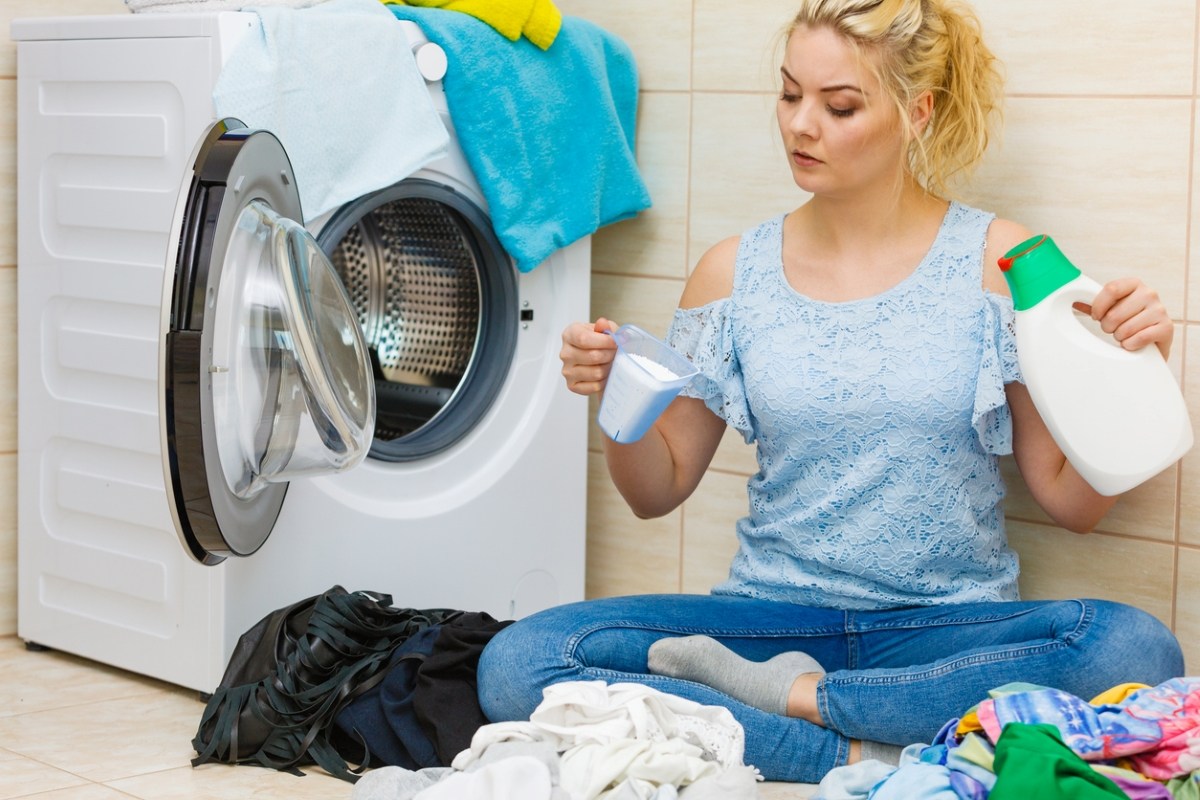
Laundry seems simple: add clothes, pour in something that smells like a mountain meadow, press a button, and hope nobody’s favorite sweater emerges doll-sized. Yet small laundry mistakes can fade colors, trap odors, waste energy, damage appliances, and turn innocent white socks an alarming shade of cafeteria-pink.
Better laundrve reading labels, measuring products, sorting intelligently, and giving your washer and dryer enough room to do their jobs. Here are 19 common mistakes that may be standing between you and cleaner, longer-lasting clothes.
Common Laundry Mistakes That Hurt Clothes and Appliances
1. Ignoring the Care Label
That tiny tag is not included merely to tickle your side. It tells you which temperatures, cycles, drying methods, and treatments the fabric can tolerate. Washing a delicate rayon blouse like a cotton gym shirt can cause shrinking, distortion, or dye loss. Check the label before washing an unfamiliar garment, especially when it contains wool, silk, linen, spandex, or decorative trim.
2. Treating Every Load as One Big Happy Family
Sorting only by light and dark is a good start, but fabric type and soil level matter too. Heavy towels can rub against lightweight shirts, while lint-producing fleece may decorate black pants with fuzz. Separate whites, darks, bright colors, delicates, and heavily soiled items. Wash towels and bedding apart from fragile clothing whenever possible.
3. Overloading the Washer
A washer packed like an airport suitcase cannot clean effectively. Clothes need room to move so water and detergent can circulate through the fabric. Overloading may leave behind dirt, odors, and detergent residue while placing extra strain on the motor and suspension system. Load garments loosely rather than pressing them down, and follow the capacity guidance in the machine’s manual.
4. Using Too Much Detergent
More soap does not automatically mean cleaner clothes. Excess detergent can create stubborn suds, trap soil, leave fabrics stiff, and encourage residue inside the washer. Concentrated formulas require surprisingly small amounts, especially in high-efficiency machines. Measure according to the detergent label, load size, soil level, and water hardness instead of enthusiastically filling the cap to the top.
5. Using the Wrong Detergent for the Machine
High-efficiency washers need low-sudsing HE detergent. A standard formula may generate more foam than the machine can rinse away, reducing cleaning performance and potentially causing leaks or error codes. Look for the HE symbol on the package. Laundry detergent is also not interchangeable with dish soap, no matter how convincing that bottle beside the sink may appear.
6. Pouring Detergent or Softener in the Wrong Place
Modern washers may have separate compartments for detergent, bleach, and fabric softener because each product is released at a different stage. Dumping everything directly onto dry clothes can create concentrated spots or discoloration. Follow the appliance instructions, keep dispenser drawers clean, and place detergent pods in the drum before adding clothes unless the product or machine directs otherwise.
7. Waiting Too Long to Treat Stains
A stain becomes harder to remove after it dries or passes through a heated dryer. Blot spills promptly, remove excess material gently, and use a treatment suitable for the stain and fabric. Avoid aggressive rubbing, which can spread the mess or damage fibers. Before using a strong treatment, test it on an inconspicuous area for colorfastness.
8. Drying Clothes Before Confirming the Stain Is Gone
Dryer heat can make certain stains far more difficult to remove. Inspect treated clothing after washing and before transferring it to the dryer. When a mark remains, repeat the pretreatment and wash process. Let the item air-dry while checking the result, because a damp garment can temporarily hide an oily or pale stain like a tiny textile illusionist.
9. Using Hot Water for Everything
Hot water has useful applications, but it is not the universal setting. It can accelerate fading, shrink some fabrics, and consume substantially more energy than a cold wash. Cold water is often appropriate for dark colors, lightly soiled clothing, and many modern detergents. Use warmer temperatures when the care label, hygiene needs, or type of soil genuinely calls for them.
10. Choosing the Same Cycle for Every Fabric
The normal cycle is convenient, but it is not a diplomatic solution for every garment. Delicates benefit from reduced agitation, while towels and heavily soiled work clothes may need a stronger or longer cycle. Match the setting to the fabric and soil level. Using an unnecessarily harsh cycle increases friction, fading, pilling, and wear without guaranteeing a better result.
11. Forgetting to Empty Pockets
Tissues create a blizzard. Pens create abstract art. Coins, screws, and keys can strike the drum or become trapped in the machine. Check every pocket before washing, including the tiny one that apparently exists only to conceal a crayon. Removing loose objects protects clothing, prevents stains, and reduces the chance of expensive washer repairs.
12. Leaving Zippers, Hooks, and Drawstrings Unmanaged
Close zippers so their teeth do not snag nearby fabrics, but leave ordinary shirt buttons unfastened to reduce stress on buttonholes. Secure hooks and tie loose drawstrings so they cannot tangle around other garments. Turn embellished clothing inside out and use a mesh laundry bag for bras, hosiery, and small delicates that might otherwise stage a prison break.
13. Washing Everything Right-Side Out
Turning selected garments inside out can protect printed graphics, dark dyes, embroidery, and textured surfaces from friction. It also exposes the areas that collect body oils, such as the inside of shirts and pants, more directly to the wash. Jeans, dark clothing, activewear, and graphic tees often benefit from this simple preparation step.
14. Overusing Fabric Softener
Fabric softener can reduce static and create a smoother feel, but more is not better. Excess product may coat fibers and leave residue in the washer. It can also reduce the absorbency of towels and interfere with the moisture-wicking performance of athletic clothing. Follow product directions and skip softener when the care label or fabric function suggests avoiding it.
15. Using Bleach Without Checking the Fabric
Chlorine bleach can damage wool, silk, leather, spandex, non-colorfast dyes, and other sensitive materials. Read the care label, confirm the fiber content, and use the correct dispenser and measured amount. Never assume that every white garment is bleach-safe. A white shirt with stretch fibers can still react badly and emerge yellowed, weakened, or permanently misshapen.
16. Leaving Wet Laundry in the Washer
Wet clothes sitting in a closed drum create ideal conditions for stale odors and mildew. Move the load to the dryer or drying rack as soon as reasonably possible. When laundry has been forgotten long enough to smell unpleasant, washing it again is usually better than attempting to disguise the odor with fragrance beads and optimism.
17. Closing the Washer Door Immediately After Every Load
A damp washer needs time to dry. After unloading, leave the door or lid slightly open when it is safe to do so, and wipe moisture from the gasket of a front-loading machine. Clean the detergent drawer and run the manufacturer-recommended cleaning cycle regularly. These habits help reduce residue, mildew, and the mysterious odor commonly described as “swamp towel.”
18. Overdrying Clothes
High heat and extra-long cycles can shrink garments, weaken elastic, set wrinkles, and accelerate fiber damage. Choose the lowest effective temperature and remove clothes when they are dry rather than baking them into submission. Moisture-sensing cycles can help, although mixed loads may dry unevenly. Separate heavy towels from lightweight shirts for more consistent results.
19. Neglecting the Lint Filter and Dryer Vent
Clean the dryer’s lint screen after every load or according to the appliance instructions. Restricted airflow lengthens drying time, raises energy use, and can contribute to dangerous heat buildup. Inspect and clean the exhaust duct periodically, and investigate clothes that suddenly take longer to dry. Dryer maintenance is not glamorous, but neither is explaining a preventable fire to the insurance company.
What Real-World Laundry Experience Teaches
Most laundry lessons arrive through small domestic disasters rather than elegant laboratory demonstrations. One classic example is the oversized load. The clothes fit inside the washer, so the load appears acceptable. After the cycle, however, the towels still smell slightly sour, the shirts contain streaks of detergent, and one sock has somehow remained almost dry. The problem was not necessarily the washer or detergent. There simply was not enough space for water, cleaning agents, and fabric to move properly.
Another familiar experience involves detergent dosage. A person notices that workout clothes smell unpleasant and adds twice as much detergent during the next wash. The result may be stronger fragrance, but the fabric can feel coated and the odor may return quickly. Detergent residue can trap body oils instead of solving the underlying problem. A better approach is to use the recommended amount, avoid overloading, choose an appropriate cycle, and let performance fabrics dry completely before dropping them into a hamper.
Mixed drying loads offer another useful lesson. A thin T-shirt, a pair of jeans, and three bath towels enter the dryer together. When the towels finally dry, the shirt has spent far too long tumbling in hot air. Its graphic begins to crack, the collar looks tired, and the fabric feels rougher. Separating lightweight garments from bulky textiles may require another cycle, but it allows each group to dry more evenly and with less heat exposure.
Stain treatment also rewards patience. Imagine discovering pasta sauce on a pale cotton shirt. Throwing it directly into a normal wash might lighten the stain without removing it. Sending the shirt through the dryer afterward can make the remaining mark far more persistent. Blotting the spill, pretreating it, following the care label, and checking before drying takes a few extra minutes but can save the garment.
Finally, appliance care makes a noticeable difference over time. A front-loading washer that remains closed between loads may gradually develop a musty odor. A dryer with a neglected vent may need two cycles for a load that once dried in one. These changes can seem gradual enough to ignore, but they are useful warnings. Wiping seals, cleaning dispensers, running washer-cleaning cycles, clearing the lint screen, and maintaining the exhaust path can improve performance before a minor annoyance becomes an expensive service call.
The larger lesson is that successful laundry is not about adding the strongest product or selecting the hottest cycle. It is about giving each fabric the treatment it actually needs. A little sorting, measuring, inspecting, and maintenance can preserve color, softness, shape, and absorbency while reducing wasted water, energy, and detergent. Your clothes may never thank you out loud, but at least they will stop returning from the laundry room looking emotionally exhausted.
Conclusion: Build a Smarter Laundry Routine
The most damaging laundry mistakes are usually ordinary habits repeated week after week: overfilling the washer, guessing at detergent amounts, ignoring care labels, using excessive heat, and postponing appliance maintenance. Correcting even a few of them can produce cleaner clothes, shorter drying times, lower utility costs, and fewer ruined garments.
Start with the basics. Sort thoughtfully, inspect pockets, treat stains before drying, measure every laundry product, and choose settings according to the fabric rather than habit. Then keep the machines clean and the dryer’s airflow unobstructed. Laundry may never become the highlight of your week, but it can become far less expensive, wasteful, and dramatic.














