
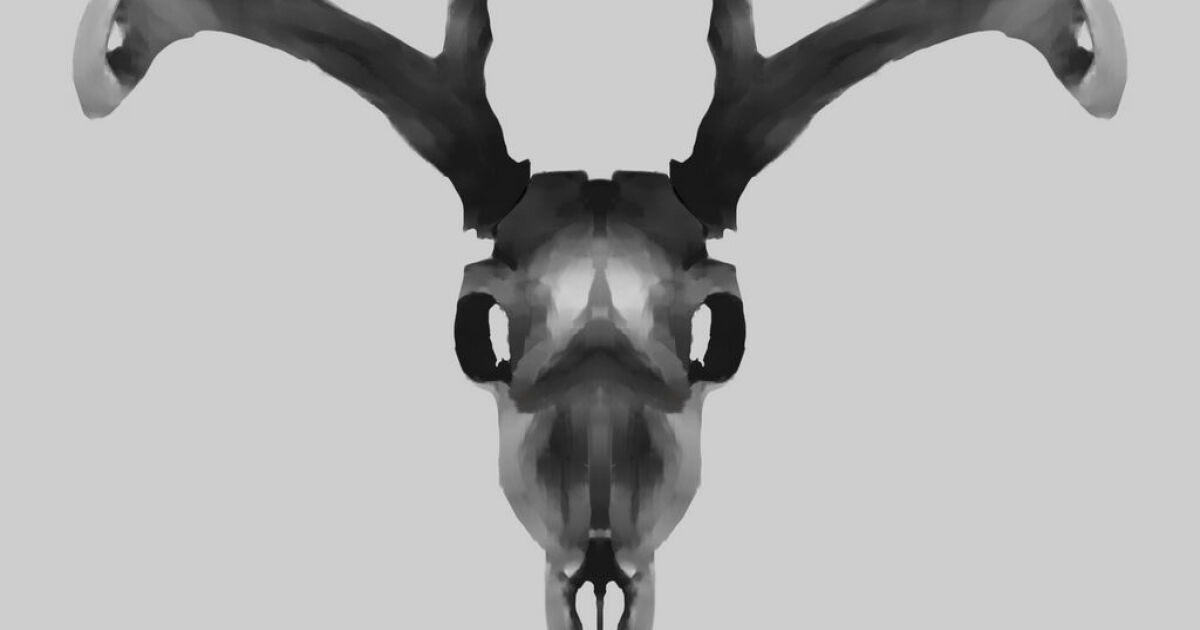
Grab a pencil. Turn down the lights. Ignore that mysterious noise in the hallway. Today’s challenge is simple: draw something scary.
Not “slightly unpleasant.” Not “a pumpkin with mildly concerning eyebrows.” We are talking about the kind of creepy drawing that makes someone stare for three seconds, lean closer, notice one tiny detail in the background, and immediately regret leaning closer.
The wonderful thing about scary art is that you do not need to be a professional illustrator to create it. A shaky line can look nervous. A badly proportioned face can become deeply unsettling. A shadow drawn in the wrong place can suggest that something is standing behind the viewer. In most art challenges, technical mistakes are problems. In horror art, technical mistakes occasionally get promoted to creative director.
So, Pandas, here is the dare: create something that crawled out of your imagination, your nightmares, your childhood fears, or that suspicious corner of the basement nobody has investigated since 2004. Whether you draw with charcoal, crayons, digital brushes, ballpoint pen, or the last working marker in your junk drawer, the goal is the samemake us feel something strange.
Why Are Scary Drawings So Much Fun?
Fear is unpleasant when danger is real, but fictional fear works differently. People often seek out horror movies, haunted attractions, ghost stories, and unsettling artwork precisely because they can experience excitement while remaining relatively safe. Psychologists studying our attraction to frightening entertainment have explored how curiosity, arousal, uncertainty, and the safety of the experience can all contribute to the appeal.
In other words, looking at a creepy drawing is a little like standing near a tiger when the tiger is definitely behind reinforced glass. Your nervous system may whisper, “Absolutely not,” while another part of your brain says, “Okay, but let’s look again.”
The human brain is particularly attentive to possible threats. Research on fear perception has examined how facial expressions, eyes, threatening animals, and other visual signals can receive special attention during perception. The amygdala is strongly associated with emotional processing, including fear and threat-related information.
Artists have been exploiting this feature of human perception for centuries. Museums are filled with demons, witches, skeletons, vampires, distorted bodies, supernatural creatures, and scenes in which somebody clearly should have stayed home. Collections highlighted by the Museum of Modern Art and the National Gallery of Art show that spooky imagery can range from outright monsters to bizarre, psychologically uncomfortable scenes.
The Secret to Scary Art: Suggest More Than You Show
A beginner often assumes that the scariest possible drawing requires maximum teeth. More teeth. Bigger teeth. Teeth where teeth should not legally be located.
That can work. But terror is often more effective when the viewer has to participate.
Let the Viewer Discover the Horror
Imagine a drawing of a perfectly ordinary bedroom. A bed. A lamp. A chair. A window.
Now place two tiny white dots beneath the bed.
Congratulations. You have just made the bed dramatically less appealing.
Hidden details are powerful because the first glance establishes normality and the second glance destroys it. Horror illustrators often use this delayed discovery: an extra face in a crowd, fingers curling around a doorway, a reflection that does not match the person standing in front of the mirror, or a figure so deeply buried in shadow that viewers initially mistake it for furniture.
Detailed horror artwork featured by creative communities often demonstrates how an apparently normal scene can become more disturbing as viewers discover additional visual clues. The fear comes not only from what is present but from the experience of realizing that it was present all along.
Use the Uncanny
One of the easiest ways to create a scary drawing is to start with something familiar and make it almost correct.
Almost.
Draw a smiling person, but make the smile slightly too wide. Draw a family photograph, but give one person a blurred face. Draw a teddy bear sitting upright in an empty room. Draw a friendly cartoon character with realistic human teeth.
Actually, perhaps do not do that last one before bedtime.
The unsettling effect comes from contradiction. The viewer recognizes the object but notices that something is wrong. Familiarity says, “You know this.” The disturbing detail says, “No, you absolutely do not.”
Artists have long mixed comic, grotesque, demonic, and psychologically disturbing imagery. James Ensor, for example, combined chaotic compositions and clashing emotional tones, demonstrating that horror does not have to be solemn or realistic to feel disturbing.
Scary Drawing Ideas for Anyone Brave Enough to Try
Staring at a blank page is already terrifying, but perhaps not in the entertaining way we are aiming for. Here are some scary drawing ideas designed to get the nightmare machinery moving.
1. Draw a Normal Room With One Impossible Detail
Keep almost everything ordinary. Then break one rule.
The shadow belongs to nobody. The clock has thirteen numbers. The family portrait contains one more person than the family. The bedroom door opens into an ocean. The mirror shows the room ten minutes in the future.
This style of psychological horror works because the viewer understands the environment before noticing that reality has malfunctioned.
2. Invent a Monster Based on a Real Fear
Instead of drawing “a scary monster,” ask what actually frightens you.
Fear of deep water? Create a creature whose full body can never be seen beneath the surface.
Fear of being watched? Draw a creature made entirely of half-hidden eyes.
Fear of insects? Congratulations, nature has already completed most of the concept art for you.
Historical artists and mapmakers often combined real animals, folklore, uncertainty, and imagination when depicting monsters. Medieval and Renaissance sea creatures, for example, could blend recognizable anatomy with fantastic features, transforming the unknown ocean into a visual playground for danger and wonder.
3. Make Something Cute Go Horribly Wrong
Contrast is one of horror’s favorite toys.
Start with something harmless: a rabbit, birthday cake, toy train, smiling moon, cheerful mascot, or rubber duck.
Then change one thing.
Maybe the rabbit casts the shadow of a person. Maybe every candle on the birthday cake is shaped like a tiny hand. Maybe the toy train is traveling through an abandoned house and there is a passenger in the final car who gets closer in every panel.
The stronger the original sense of safety, the more powerful the disruption can become.
4. Draw the Thing Behind You
This is a classic for a reason.
Draw a person doing something completely normalreading, brushing their teeth, washing dishes, scrolling on a phone at 2:13 a.m. because apparently sleep is optional.
Then add something behind them.
The subject should not know it is there.
The viewer should.
That difference in knowledge creates instant tension. The viewer wants to warn a person who cannot hear them, which is rude of the paper but excellent for horror.
5. Turn a Nightmare Into a Picture
Dreams are wonderfully disrespectful of logic. Rooms change size. People become strangers. Familiar places lead somewhere impossible. A harmless object suddenly feels threatening for reasons nobody can explain after breakfast.
That makes nightmares excellent raw material for creepy artwork. Some artists have transformed experiences such as disturbing dreams, anxiety, or sleep paralysis imagery into frightening visual work. The results often rely on looming silhouettes, trapped perspectives, distorted bodies, and the feeling that something is present in the room.
You do not need to reproduce a dream literally. Capture the emotion. If the dream made you feel trapped, make the walls lean inward. If something chased you, perhaps never draw the creature at alljust show its shadow gaining ground.
How to Make a Drawing Look Genuinely Creepy
Use Lighting Like a Villain
Lighting can completely change the emotional tone of an image. Bright, even lighting often feels open and safe, while darkness, harsh contrast, and limited visibility can create a more ominous atmosphere.
Try placing the main light below a face instead of above it. Hide most of a creature in darkness. Illuminate only one eye. Create a doorway filled with blackness that is somehow darker than every other black area on the page.
And remember: darkness is not merely empty space. In horror, darkness is a storage unit for terrible possibilities.
Distort Proportions Carefully
A creature does not need seventeen arms to look wrong.
Sometimes one slightly longer arm is worse.
Stretch the neck. Make the fingers too thin. Place the eyes a little too far apart. Give a smiling figure a jaw that opens several inches beyond reasonable customer-service standards.
Subtle distortion encourages viewers to study the image before understanding why they feel uncomfortable.
Control Where the Eye Goes
Composition determines what viewers notice first, second, and third. You can use that sequence to create a miniature horror story.
First: the child standing in a hallway.
Second: the open basement door.
Third: the hand on the child’s shoulder.
Wait. Whose hand?
Exactly.
Leave Some Questions Unanswered
Explanation can kill fear faster than someone turning on every light in the house.
A mysterious creature becomes less mysterious once the audience receives its complete biography, dietary preferences, employment history, and LinkedIn profile.
Let the viewer wonder.
Why is the figure standing outside the window?
Why does it have the same face as the person inside?
Why is there a small door in the ceiling?
Why has nobody asked why the family dog is suddenly six feet tall?
Unanswered questions allow imagination to continue the picture beyond the edges of the page.
You Do Not Need Professional Skills to Join the Challenge
Perhaps you are reading this and thinking, “Great, but I can only draw stick figures.”
Excellent. Draw a stick figure standing at the foot of someone’s bed.
Problem solved.
Scary art depends on ideas, atmosphere, and storytelling as much as technical realism. A rough sketch can feel more disturbing than a polished digital painting because roughness itself can suggest panic, instability, age, damage, or an image created under mysterious circumstances.
Try charcoal for smoky shadows. Use a ballpoint pen and build darkness with cross-hatching. Use a childlike crayon style for intentional contrast. Create a digital painting with a limited palette. Make a black-and-white comic panel. Draw on a sticky note.
The history of horror imagery stretches across fine art, comics, movies, folklore, prints, illustration, and popular culture. The Library of Congress, museums, and art institutions preserve examples showing how monsters and frightening imagery constantly change with the medium and the era.
There is no single correct way to be creepy.
What Makes a Great “Hey Pandas” Scary Drawing?
A community drawing challenge is not an art-school examination. Nobody is waiting behind your monitor with a clipboard to deduct points because your demon’s perspective is slightly inaccurate.
The best submissions are often memorable because they have personality.
A beautifully rendered monster is impressive. A bizarre creature nobody else would have imagined is unforgettable. A simple drawing with a brilliant concept can outperform something that took forty hours to shade.
Try to give your image a tiny story. Even if you never explain it, ask yourself what happened five minutes before the scene and what will happen five minutes afterward.
For example:
A woman discovers that every photo on her phone was taken from inside her closet.
A child draws an imaginary friend, and the parents recognize the face.
A night-shift security guard watches a camera feed of himself sitting at his desk.
A family hears scratching inside the walls until the scratching begins answering questions.
A man sees footprints leading from his shower to his bed. None lead back.
Any one of these could become a detailed illustration, a tiny doodle, or a single-panel horror story.
The Surprisingly Personal Side of Drawing Something Scary
What people find frightening is deeply individual. One artist draws giant spiders. Another draws empty houses. Someone else creates a smiling grandmother who simply stands in the corner.
Honestly, the grandmother may win.
Our fears are shaped by memories, culture, stories, environments, and personal associations. That is one reason horror art can be so diverse. A monster can be frightening, but so can loneliness, uncertainty, distorted familiarity, darkness, confinement, or the possibility that somebody is watching.
Some scary artwork is graphic. Other horror contains no blood whatsoever. It creates dread through implication. Both approaches can work, but the second is especially useful in an open community challenge because it invites viewers to contribute their own imagination.
And imagination is notoriously bad at respecting quiet hours.
Experiences From Taking the “Draw Something Scary” Challenge
The funniest part of attempting a scary drawing is how quickly the project can escape your original plan.
You begin confidently: “I shall draw a ghost.”
Twenty minutes later, the ghost has antlers, eight elbows, a Victorian collar, and emotional problems.
That unexpected evolution is part of the experience. The first sketch often feels predictable because it contains the obvious symbols of horror: skulls, blood, sharp teeth, dark eyes. But after drawing for a while, stranger ideas begin appearing. The monster becomes more specific. The room develops a history. A tiny background detail suddenly becomes more frightening than the main creature.
One effective exercise is to draw the same scary idea three times. The first version can be obvious. In the second, remove half the information. In the third, show almost nothing.
Suppose the idea is “a monster in the closet.”
Version one shows the entire monster.
Version two shows fingers around the closet door.
Version three shows an empty bedroom with the closet open and a note on the floor that says, “You left me in here.”
For many people, the third version will linger the longest because the viewer must complete the nightmare.
Another memorable experience comes from showing unfinished work to someone else. An artist may spend an hour carefully designing a terrifying creature, only to have a friend point at a random shape in the background and say, “What is that face?”
There was no face.
But now there is.
Congratulations. Your own drawing has become haunted by accidental composition.
Working in low light can also change the process, although adequate task lighting is strongly recommended unless the real horror challenge is “draw something scary and then step on every object between the desk and the bathroom.” Music, ambient sound, or silence can influence the mood. Some people sketch faster when they stop trying to make the image perfect and simply follow the most uncomfortable idea that appears.
A particularly useful challenge is to avoid drawing the monster at all. Draw the reaction instead. A person staring at something outside the frame can create tremendous tension. Add details that suggest what they see: a broken window, wet footprints, an overturned chair, or a shadow falling across their face.
The experience also teaches an interesting lesson about art: “good” and “effective” are not always the same thing.
Your anatomy might be imperfect, but perhaps that makes the creature less human. Your perspective might be slightly distorted, but perhaps that makes the hallway feel impossible. Your lines might shake, but perhaps that makes the entire scene feel anxious.
Of course, intentional choices are different from mistakes. Improving drawing fundamentals still gives artists more control. But you do not have to wait until you become technically perfect before creating something worth sharing.
Perhaps the best part of a community scary drawing challenge is seeing how many completely different interpretations emerge from one simple instruction. One person creates elaborate body horror. Another draws a tiny ghost drinking coffee. Someone produces a psychologically disturbing portrait. Someone submits a drawing of their electric bill.
And, frankly, that last person understands true fear.
When artists share their work, the challenge becomes less about winning and more about discovering what everyone else’s imagination does when given permission to be strange. A simple prompt becomes a gallery of private nightmares, jokes, experiments, creatures, and stories.
That is why the dare is worth accepting even if you have not drawn since school. Pick up whatever tool is nearby. Start with a line. Add a shape. Ask yourself what would make the scene feel slightly wrong.
Then make it worse.
Final Challenge: Go Ahead, Scare Us
So, Pandas, the page is waiting.
Draw the monster under the bed. Draw the thing that lives above the bed and resents the monster underneath for getting all the publicity. Draw a haunted laundromat, a cursed family portrait, a smiling shadow, an abandoned playground, an impossible animal, or something so strange that nobody can agree on why it is frightening.
Do not worry about making it perfect. Make it yours.
The most powerful scary drawings do more than show a monster. They create a question, an atmosphere, or a moment that continues inside the viewer’s imagination. A pencil line can suggest a creature. A patch of darkness can hide an entire story. One tiny pair of eyes beneath a bed can permanently damage somebody’s relationship with dropped socks.
Hey Pandas, I dare y’all to draw something scary.
Just remember: once you put something on the page, you are responsible for explaining why it appears to be getting closer every time you look at it.
Note: This article is an original editorial synthesis informed by established research and reputable material on fear psychology, visual perception, art history, horror imagery, illustration, folklore, and creative drawing practices.













