
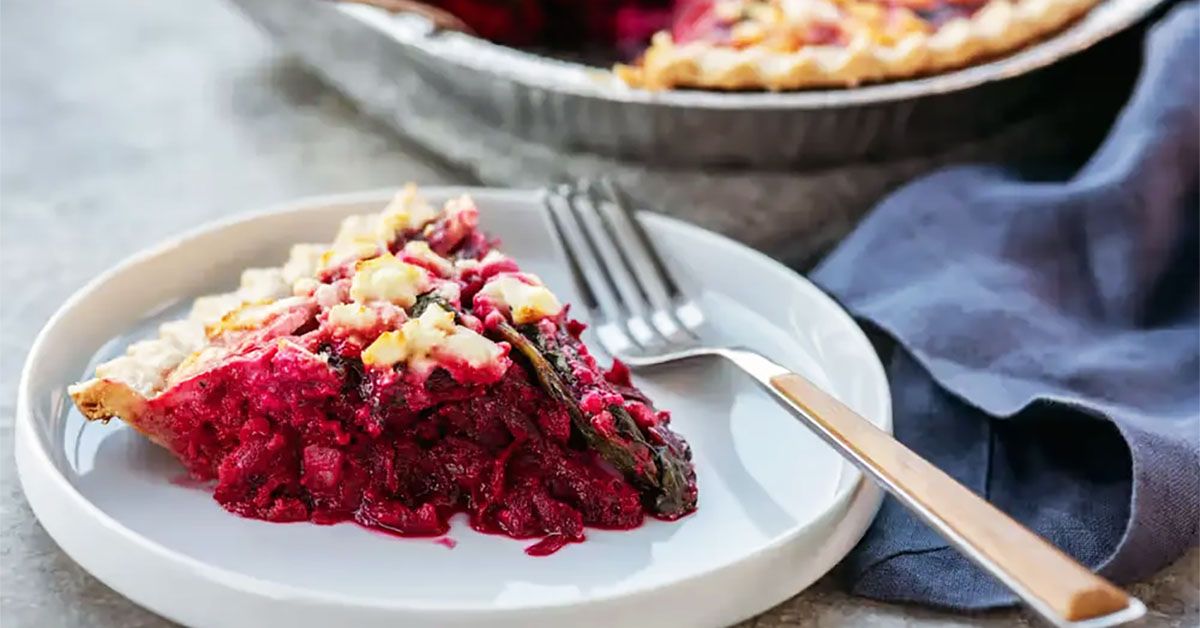
Beet, Spinach, and Goat Cheese Quiche is the kind of dish that walks into brunch wearing a linen blazer and somehow still feels cozy enough for a Tuesday dinner. It is colorful, creamy, earthy, tangy, and just dramatic enough to make people say, “Wait, you made this?” The beets bring jewel-toned sweetness, the spinach adds gentle green freshness, and the goat cheese melts into little pockets of tangy luxury. In other words, this quiche is not here to be boring.
This recipe is inspired by classic savory custard quiches, modern vegetable-forward brunch dishes, and the timeless friendship between roasted beets and goat cheese. It is elegant enough for Easter, Mother’s Day, bridal showers, holiday mornings, or a “look at me being sophisticated” lunch, but simple enough for meal prep. Serve it warm, room temperature, or straight from the fridge while standing in front of the open door pretending you are “just checking something.” No judgment. Quiche understands.
Why Beet, Spinach, and Goat Cheese Quiche Works So Well
The secret to a great vegetable quiche is balance. Eggs and dairy provide a soft custard base, but vegetables can either make the filling sing or turn the whole thing watery and sad. Beets, spinach, red onion, garlic, thyme, and goat cheese create a layered flavor profile without requiring complicated technique.
Roasted beets are naturally sweet and earthy. Their flavor becomes deeper after baking, and their ruby color gives the quiche a beautiful marbled look. Spinach is mild, quick-cooking, and flexible; it adds green freshness without fighting the other ingredients. Goat cheese is the sparkle. It cuts through the richness of the custard with a bright, creamy tang, making every bite feel lively instead of heavy.
This quiche also has excellent texture. The crust is crisp and buttery, the custard is tender, the beets offer gentle bite, and the goat cheese softens into creamy pockets. It is basically a farmers market in pie form, but with better manners.
Ingredients for Beet, Spinach, and Goat Cheese Quiche
For the crust
- 1 deep-dish 9-inch pie crust, homemade or store-bought
- Pie weights, dried beans, or uncooked rice for blind baking
For the filling
- 1 medium beet, roasted, peeled, and diced
- 1 tablespoon olive oil
- 1/2 small red onion, thinly sliced
- 2 cloves garlic, minced
- 2 packed cups fresh spinach
- 1 teaspoon dried thyme or 1 tablespoon fresh thyme leaves
- 3 large eggs
- 1/2 cup whole milk
- 1/2 cup half-and-half or heavy cream
- 3/4 cup crumbled goat cheese
- 1 teaspoon apple cider vinegar or lemon juice
- 1 teaspoon honey, optional
- 1/2 teaspoon kosher salt
- 1/4 teaspoon black pepper
- Pinch of nutmeg, optional but lovely
How to Make Beet, Spinach, and Goat Cheese Quiche
Step 1: Roast the beet
Preheat the oven to 400°F. Scrub the beet, trim the ends, and wrap it in foil with a small drizzle of olive oil. Roast for 45 to 60 minutes, or until a knife slides through easily. Let it cool, then rub off the skin with a paper towel. Dice the beet into small cubes.
If beet juice gets on your hands, congratulations: you now look like you solved a culinary mystery. Gloves help, but a quick wash with soap and lemon juice usually takes care of the color.
Step 2: Blind bake the crust
Lower the oven to 375°F. Place the pie crust in a 9-inch pie plate and crimp the edges. Chill it for about 20 to 30 minutes if you have time. Line the crust with parchment paper and fill it with pie weights, dried beans, or uncooked rice. Bake for 15 to 18 minutes, then remove the parchment and weights. Prick the bottom with a fork and bake for another 5 to 8 minutes, until the crust looks dry and lightly golden.
Blind baking is worth the extra step because quiche filling is wet. A pre-baked crust gives you a crisp base instead of the dreaded soggy bottom, which is both a baking problem and a phrase that sounds like it belongs in a pirate insult.
Step 3: Cook the onion, garlic, and spinach
Heat 1 tablespoon olive oil in a skillet over medium heat. Add the red onion and cook for 5 to 7 minutes, until softened. Add the garlic and thyme, then cook for about 30 seconds, just until fragrant. Add the spinach and cook until wilted, about 1 to 2 minutes. Stir in the apple cider vinegar and honey if using. Remove from heat and let the mixture cool slightly.
This cooling step matters. If the vegetables are very hot when they meet the eggs, the custard may begin cooking too early. Quiche should be silky, not scrambled eggs wearing a pie crust disguise.
Step 4: Mix the custard
In a medium bowl, whisk together the eggs, milk, half-and-half, salt, pepper, and nutmeg. Whisk until smooth, but do not beat aggressively. You want a tender custard, not a foam party.
Step 5: Assemble the quiche
Scatter half the goat cheese over the bottom of the blind-baked crust. Add the spinach and onion mixture, then distribute the diced roasted beet evenly. Pour the egg custard over the filling. Top with the remaining goat cheese.
For a prettier quiche, reserve a few beet cubes and goat cheese crumbles for the top. They will create a colorful finish that says “artisan bakery,” even if your kitchen counter currently looks like a beet crime scene.
Step 6: Bake until just set
Bake at 350°F for 35 to 45 minutes, or until the edges are set and the center has a slight wobble. The quiche will continue to firm as it rests. For food safety, egg-based dishes should reach 160°F in the center. Let the quiche cool for at least 15 to 20 minutes before slicing.
Flavor Tips for the Best Vegetable Quiche
Use cooked vegetables, not raw watery ones
Spinach releases moisture as it cooks. If you add raw spinach directly to the custard, it may water down the filling. A quick sauté removes extra moisture and concentrates flavor. The same rule applies to mushrooms, zucchini, leeks, and other tender vegetables.
Do not overbake the custard
A perfect quiche should be creamy and soft, not rubbery. Pull it from the oven when the edges are firm but the middle still trembles slightly. If the top cracks dramatically, the quiche may be overbaked. Still edible, of course, but it may judge you quietly.
Choose the right goat cheese
Fresh chèvre is ideal because it is creamy, tangy, and easy to crumble. Avoid very dry aged goat cheese for this recipe unless you want a stronger flavor and firmer texture. Plain goat cheese works beautifully, but herbed goat cheese adds extra flavor with zero extra effort, which is the kind of kitchen math we love.
Add acidity for brightness
Beets are sweet, eggs are rich, and goat cheese is creamy. A splash of apple cider vinegar or lemon juice in the vegetable mixture keeps the flavor from becoming too heavy. It wakes everything up like a tiny culinary alarm clock.
Easy Variations
Make it crustless
To make a crustless beet, spinach, and goat cheese quiche, grease a 9-inch pie dish generously and pour the filling directly into it. Bake at 350°F until set, usually 30 to 40 minutes. The result is lighter, lower in carbs, and excellent for weekday breakfasts.
Add nuts for crunch
Toasted walnuts or pecans are excellent with beets and goat cheese. Add 1/4 cup to the filling or sprinkle them on top after baking. Nuts add texture and make the quiche feel a little more restaurant-style.
Use golden beets
Golden beets have a milder flavor and will not stain the custard pink. They create a sunny, elegant quiche that looks beautiful with spinach and white goat cheese.
Try different herbs
Thyme is classic, but dill, chives, parsley, or tarragon can also work. Dill gives the quiche a fresh spring feeling, while tarragon adds a subtle French-inspired note.
What to Serve With Beet, Spinach, and Goat Cheese Quiche
This quiche pairs well with crisp, bright sides. Try it with arugula salad, citrus vinaigrette, roasted potatoes, fresh fruit, tomato salad, or a simple cucumber and herb salad. For brunch, serve it with coffee, mimosas, sparkling water, or iced tea. For dinner, pair it with soup or a lightly dressed green salad.
Because beets and goat cheese already bring bold flavor, keep the sides clean and refreshing. A lemony salad is especially good because it balances the richness of the eggs and cream.
Make-Ahead and Storage Tips
Beet, Spinach, and Goat Cheese Quiche is a fantastic make-ahead dish. You can roast the beet up to three days in advance and store it in an airtight container in the refrigerator. The crust can also be blind baked a day ahead. Once baked, the whole quiche can be refrigerated and reheated when needed.
Store leftover quiche in an airtight container in the refrigerator for 3 to 4 days. Reheat slices in a 325°F oven for 10 to 15 minutes, or microwave gently in short intervals. The oven gives the best texture because it helps revive the crust.
You can also freeze quiche. Wrap cooled slices tightly and freeze for up to 2 to 3 months for best quality. Thaw overnight in the refrigerator before reheating.
Nutrition Notes
This beet, spinach, and goat cheese quiche offers a satisfying mix of protein, vegetables, and healthy flavor. Eggs provide protein and structure. Spinach contributes vitamins A and K, folate, and minerals. Beets add fiber, folate, natural sweetness, and brilliant color. Goat cheese brings creaminess and tang, though it is still cheese, so a little goes a flavorful long way.
For a lighter version, use milk instead of cream, reduce the goat cheese slightly, or make the recipe crustless. For a heartier version, add roasted mushrooms, caramelized onions, or a layer of cooked turkey bacon. The beauty of quiche is that it is forgiving. It is less “strict French exam” and more “delicious edible canvas.”
Common Mistakes to Avoid
Skipping the blind bake
If you want a flaky crust, blind bake it. Pouring custard into raw pastry often leads to a soft, undercooked bottom.
Adding wet spinach
Cook the spinach first and let extra moisture evaporate. If using frozen spinach, thaw it completely and squeeze it dry with a clean towel.
Slicing too soon
Freshly baked quiche needs time to settle. Wait at least 15 minutes before cutting so the slices hold together beautifully.
Using too many add-ins
Vegetables are wonderful, but quiche needs room for custard. Overloading the crust can make the filling dense and unevenly cooked.
Real Kitchen Experiences With Beet, Spinach, and Goat Cheese Quiche
The first time you make Beet, Spinach, and Goat Cheese Quiche, the color is usually the big surprise. You expect breakfast. You get edible stained glass. The roasted beet sends little ruby streaks through the custard, the spinach settles into deep green ribbons, and the goat cheese sits on top like creamy little snowdrifts. It looks fancy before you even try. This is helpful because fancy-looking food has a way of making people assume you worked much harder than you did. Let them believe it. You deserve the applause.
One of the best experiences with this quiche is serving it to people who claim they do not like beets. Beets have a reputation. Some people hear “beet” and immediately remember a sad cafeteria vegetable from 1998. But roasted beets are different. They become sweet, mellow, and almost buttery. When paired with goat cheese, garlic, onion, and thyme, their earthiness feels intentional instead of intense. In quiche form, they are no longer the vegetable people avoid. They become the ingredient everyone asks about.
This dish is also a lesson in patience. The crust needs a little pre-baking. The beet needs roasting. The quiche needs resting after it comes out of the oven. None of these steps are difficult, but they do ask you to slow down. That is part of the pleasure. Making quiche feels like weekend cooking even when you are doing it on a weekday. It encourages you to clean the counter, pour coffee, and pretend your life is organized. For at least one hour, it might be.
Another practical joy is how well this quiche fits into real life. A warm slice works for brunch with friends, but leftovers are just as good the next day. It can become breakfast with fruit, lunch with salad, or dinner with soup. It travels well, reheats well, and does not collapse emotionally when served at room temperature. That makes it ideal for potlucks, office breakfasts, baby showers, holiday buffets, or quiet meal prep Sundays when you are trying to become the kind of person who eats actual food before noon.
There is also something satisfying about the contrast of rustic and refined. The ingredients are simple: eggs, milk, greens, cheese, a root vegetable, and pastry. But together they become something that feels polished. The goat cheese adds a restaurant-style tang, the beets bring visual drama, and the spinach makes the whole thing feel fresh and balanced. It is comfort food with a colorful scarf.
If you are cooking for guests, this quiche gives you a lot of freedom. You can roast the beet the day before, blind bake the crust in advance, and assemble everything shortly before baking. You can serve it warm or let it cool while you finish the salad. You can cut it into thin elegant slices or generous wedges. Either way, it tends to disappear faster than expected.
The biggest takeaway from making Beet, Spinach, and Goat Cheese Quiche is this: beautiful food does not have to be complicated. Sometimes it is just smart ingredient pairing, careful moisture control, and a little patience. Also, maybe an apron you do not mind staining pink. Beets are delicious, but they do like to leave a signature.
Conclusion
Beet, Spinach, and Goat Cheese Quiche is a colorful, flavorful, and versatile dish that deserves a place in your brunch and dinner rotation. It combines creamy egg custard, crisp pastry, earthy roasted beets, tender spinach, aromatic herbs, and tangy goat cheese in one beautiful slice. It is easy to customize, simple to prepare ahead, and impressive enough for special occasions.
Whether you serve it for a holiday brunch, a cozy lunch, or a make-ahead weekday meal, this vegetable quiche proves that comfort food can still be bright, fresh, and just a little glamorous. It is the kind of recipe that makes the table look better, the kitchen smell wonderful, and leftovers feel like a reward.
Note: This article was written in original American English for web publishing and synthesized from reputable U.S. culinary and food-safety guidance without copying source text.














