
Note: This publication-ready article is based on real cookbook information, vegetarian nutrition guidance, and current plant-forward cooking principles, rewritten fully in original language for web publishing.
Introduction: Vegetarian Food Finally Got a Personality
For years, vegetarian cooking had a strange reputation problem. It was either treated like a punishment, a side dish pretending to be dinner, or a solemn bowl of lentils wearing orthopedic shoes. Then came a fresher way of thinking: vegetarian food could be colorful, generous, filling, clever, affordable, seasonal, andbrace yourselffun.
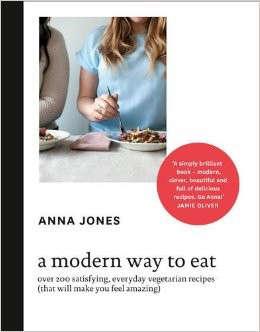
A Modern Way to Eat: Over 200 Satisfying, Everyday Vegetarian Recipes by Anna Jones fits directly into that shift. It is not a cookbook for people who want to nibble sadly on lettuce while everyone else gets the “real meal.” It is a guide for people who want food that feels alive: grain bowls with texture, salads that actually count as lunch, vegetable-centered dinners with depth, bright breakfasts, simple sweets, and practical recipes designed for normal weeknights when the refrigerator looks like it has been personally insulted.
The modern vegetarian kitchen is not built around what is missing. It is built around what is possible. Beans, lentils, whole grains, nuts, seeds, herbs, spices, seasonal produce, olive oil, citrus, yogurt, eggs, tofu, miso, tahini, and good bread can do a lot of heavy lifting. With the right combinations, they create meals that are hearty without being heavy and healthy without tasting like homework.
What Makes “A Modern Way to Eat” Feel Modern?
The title says a lot. This is not simply a vegetarian recipe collection; it is a philosophy of everyday eating. A modern way to eat means cooking with flexibility, seasonality, and common sense. It understands that people want to eat more vegetables, reduce meat sometimes or completely, save money, waste less food, and still sit down to something delicious at the end of the day.
Anna Jones built her reputation as a cook, food writer, and stylist with a strong focus on vegetable-led cooking. Her approach is practical but never dull. Instead of treating vegetarian meals as meatless copies of meat dishes, she builds flavor from the ground up: roasted vegetables for sweetness, beans for body, grains for chew, nuts for crunch, herbs for freshness, and sauces for that magic moment when dinner stops being “ingredients” and becomes a meal.
The book is known for offering more than 200 everyday vegetarian recipes, including breakfast ideas, lunches, dinners, salads, desserts, and flexible meals that suit real life. Examples often associated with the book include blueberry and amaranth porridge, autumn root panzanella, avocado, butterbean and miso salad, tomato and coconut cassoulet, pistachio and squash galette, and mint, ricotta and courgette polpette. That list alone proves a useful point: modern vegetarian cooking is not one flavor, one cuisine, or one beige casserole dish from 1978.
The Big Idea: Vegetarian Recipes Should Be Satisfying
The word “satisfying” matters. Many people avoid vegetarian cooking because they fear being hungry an hour later, standing in front of the pantry at 10 p.m. eating crackers with the emotional intensity of a raccoon. A good vegetarian meal solves that problem by balancing protein, fiber, healthy fats, and flavor.
That balance can be simple. Lentils with roasted carrots, yogurt, herbs, and toasted seeds. Chickpeas tossed with tomatoes, olive oil, garlic, and greens. Whole-grain pasta with broccoli, lemon, chili, and Parmesan. A grain bowl with quinoa, roasted squash, black beans, avocado, pickled onions, and a smoky dressing. None of these meals needs a celebrity chef hovering nearby whispering “microgreens.” They just need structure.
Protein Makes It Dinner
Vegetarian protein does not have to be complicated. Beans, lentils, chickpeas, tofu, tempeh, eggs, yogurt, cheese, nuts, seeds, and whole grains can all help build satisfying meals. The trick is to combine them generously. A salad with lettuce and cucumber is a side. A salad with lentils, feta, walnuts, herbs, roasted vegetables, and a punchy vinaigrette is lunch with confidence.
Fiber Keeps the Meal Working
Vegetables, fruits, legumes, and whole grains bring fiber, which supports fullness and digestive health. Fiber is also one of the reasons plant-forward meals can feel so steady and energizing. It is not glamorous, but neither is being hungry 47 minutes after dinner.
Fat Carries Flavor
Olive oil, avocado, tahini, nuts, seeds, coconut milk, and cheese can turn vegetables into something lush and memorable. Modern vegetarian recipes are not afraid of healthy fats. A drizzle of chile oil, a spoonful of tahini sauce, or a handful of toasted almonds can make a dish feel restaurant-worthy with very little drama.
Why Everyday Vegetarian Cooking Works So Well Now
Vegetarian cooking is no longer a niche corner of the kitchen. Many home cooks now want plant-forward meals even if they are not fully vegetarian. Some want lighter dinners. Some want cheaper grocery bills. Some want climate-conscious choices. Some simply realized that roasted cauliflower with tahini tastes better than another dry chicken breast and decided to act accordingly.
The beauty of A Modern Way to Eat is that it speaks to the “everyday” part of cooking. Everyday food cannot rely on rare ingredients, four-hour simmering sessions, or a sink full of dishes that looks like a cookware crime scene. It needs to be flexible. It needs to forgive substitutions. It needs to welcome leftovers. It needs to work when the cook is tired, hungry, and considering cereal for dinner.
Modern vegetarian recipes often follow a smart formula: choose a vegetable, add a protein, include a grain or starch, finish with sauce or texture. That formula can become dozens of meals. Roasted sweet potatoes become tacos with black beans and lime. Brown rice becomes fried rice with eggs, greens, and sesame. Lentils become soup, salad, patties, or a rich base for a tomato stew. One bag of carrots can become soup, fritters, roasted sides, or a crunchy slaw. Vegetables are not fragile little sidekicks; they are multitasking professionals.
Key Recipe Styles Readers Can Expect
1. Bright Breakfasts That Do More Than Toast
A modern vegetarian breakfast can be creamy porridge with fruit, yogurt bowls with seeds, vegetable-packed eggs, smoothies with substance, or breakfast grains topped with nuts and spices. The point is to begin the day with food that gives energy instead of a sugar crash wearing a muffin costume.
2. Lunches That Travel Well
Good vegetarian lunches are built for bowls, jars, wraps, and sturdy salads. Beans, roasted vegetables, grains, herbs, and dressings hold up well, which makes them ideal for work lunches. A chickpea and cucumber salad with herbs can become a wrap. Leftover roasted squash can become a grain bowl. Cook once, eat twice, feel like a genius.
3. Dinners With Real Comfort
Vegetarian comfort food is not limited to pasta, though pasta is welcome and should never be treated rudely. Comfort can mean tomato and coconut stew, baked polenta, squash galette, mushroom ragù, bean chili, vegetable curry, noodle bowls, or crispy potatoes with garlicky greens. The best recipes deliver warmth, texture, and a sense of abundance.
4. Salads That Refuse to Be Boring
Modern salads are not punishment leaves. They use contrast: hot and cold, soft and crunchy, sweet and acidic, creamy and crisp. Add grains, beans, roasted vegetables, toasted nuts, herbs, cheese, fruit, or pickles, and suddenly salad becomes the main event. Lettuce can come too, but it no longer has to carry the whole conversation.
5. Sweets With a Lighter Touch
Vegetarian cookbooks often shine in desserts because fruit, nuts, grains, chocolate, spices, and dairy can create satisfying treats without feeling overly heavy. Think fruit crumbles, simple cakes, puddings, nutty cookies, or citrusy bakes. A sweet ending does not need to arrive with fireworks; sometimes a warm bowl of fruit and crumble topping is enough to restore faith in humanity.
Nutrition: The Smart Way to Build a Vegetarian Plate
A well-planned vegetarian diet can support long-term health, especially when it emphasizes vegetables, fruits, whole grains, legumes, nuts, seeds, and minimally processed foods. The most useful approach is not to ask, “Where is the meat?” but “Where is the balance?”
A strong vegetarian plate usually includes half vegetables or fruit, one quarter whole grains or starchy vegetables, and one quarter protein-rich foods such as beans, lentils, tofu, eggs, yogurt, nuts, or seeds. Add a healthy fat and a bold seasoning element, and the plate becomes both nourishing and enjoyable.
There are also nutrients to keep in mind. Vegetarians should pay attention to vitamin B12, iron, zinc, calcium, vitamin D, iodine, and omega-3 fats. This does not mean vegetarian eating is difficult; it means it should be intentional. Dairy, eggs, fortified foods, legumes, leafy greens, nuts, seeds, soy foods, and supplements when needed can all play a role. A modern vegetarian cookbook succeeds when it helps readers build meals that are joyful and nutritionally sensible.
Flavor Lessons From Modern Vegetarian Cooking
The secret to great vegetarian food is not simply using more vegetables. It is knowing how to create depth. Meat naturally brings fat, umami, and richness. Vegetarian cooking can achieve those qualities too, but it uses different tools.
Use Umami Like a Secret Weapon
Miso, soy sauce, mushrooms, tomato paste, Parmesan, nutritional yeast, seaweed, and fermented foods bring savory depth. A spoonful of miso in a dressing can make beans taste fuller. Mushrooms browned properly can bring almost steak-like richness. Tomato paste cooked in oil can turn a basic stew into something that tastes like it had plans.
Acid Makes Food Wake Up
Lemon juice, lime, vinegar, pickles, yogurt, and fermented vegetables can rescue flat dishes. If a soup tastes dull, it may not need more salt; it may need acid. A squeeze of lemon is sometimes the difference between “fine” and “please give me the recipe.”
Texture Is Non-Negotiable
Crunch matters. Toasted seeds, crispy chickpeas, breadcrumbs, nuts, raw vegetables, and fried herbs can turn soft dishes into exciting ones. A creamy lentil soup with crunchy croutons is much better than a creamy lentil soup that feels like it is trying to become wallpaper.
How to Use This Style of Cookbook in Real Life
The smartest way to use a cookbook like A Modern Way to Eat is not to cook it cover to cover like a dramatic culinary pilgrimage. Start with your real schedule. Pick two breakfasts, two lunches, and three dinners that match your week. Choose recipes with overlapping ingredients so nothing goes to waste.
For example, buy chickpeas, lentils, greens, herbs, yogurt, lemons, squash, oats, and a grain such as farro or brown rice. Those ingredients can become porridge, lentil soup, grain bowls, roasted vegetable salad, chickpea wraps, and a hearty dinner stew. The modern kitchen is not about cooking harder. It is about cooking smarter, with enough flexibility to survive Tuesday.
Batch-cooking a few components helps too. Roast vegetables once. Cook a pot of grains. Make a dressing. Wash herbs. Toast seeds. Suddenly, meals assemble quickly. This is how vegetarian cooking becomes everyday cooking rather than a weekend-only hobby performed in linen aprons under flattering natural light.
Who Will Love This Cookbook?
This book is ideal for several types of readers. First, committed vegetarians who want fresh ideas beyond the usual pasta, risotto, and “miscellaneous cheese situation.” Second, flexitarians who want to cook without meat a few nights a week. Third, home cooks who want healthier meals but refuse to sacrifice flavor. Fourth, anyone who likes beautiful food that still feels realistic.
It is also useful for people who host. Vegetarian guests are common at modern dinner tables, and nobody wants to serve them a lonely portobello mushroom while everyone else gets a feast. Recipes built around grains, legumes, seasonal vegetables, and bold sauces make entertaining easier because they often suit many dietary preferences and can be scaled for a crowd.
Experiences From Cooking in a Modern Vegetarian Way
The first thing many people notice when they start cooking from a modern vegetarian mindset is how much more interesting grocery shopping becomes. Instead of walking directly to the same protein and building dinner around it, you begin with color, season, and mood. You notice the deep orange of squash, the shine of eggplant, the smell of herbs, the sturdy promise of cabbage, and the tiny luxury of a good lemon. The produce aisle stops being a place you pass through and becomes the main event.
One practical experience is learning that vegetables behave differently depending on how you treat them. Boiled carrots can taste like cafeteria nostalgia. Roasted carrots with olive oil, cumin, honey, lemon, and yogurt can taste like something you would happily serve to guests. Cauliflower steamed without seasoning may feel like a medical recommendation. Cauliflower roasted until browned, then finished with tahini, herbs, and toasted almonds, becomes dinner with applause. The lesson is simple: technique matters.
Another discovery is that beans are wildly underrated. A can of white beans warmed with garlic, olive oil, rosemary, lemon zest, and greens can become a meal in ten minutes. Chickpeas can be crispy, creamy, spicy, or comforting. Lentils can turn into soup, salad, stew, or sauce. Once you stop seeing legumes as emergency pantry residents and start treating them as main ingredients, vegetarian cooking becomes much easier.
There is also an emotional side to this kind of eating. Modern vegetarian meals often feel generous. A table filled with roasted vegetables, dips, grains, bread, salads, pickles, and sauces invites people to build their own plates. It feels relaxed and abundant, not strict. Nobody has to ask, “Where is the main dish?” because the whole table is the main dish.
The best experience, though, is realizing that vegetarian cooking improves your instincts. You learn to taste for salt, acid, fat, heat, and texture. You learn that leftovers are not a burden; they are tomorrow’s lunch wearing a new hat. Roasted squash becomes soup. Cooked grains become fritters. Extra herbs become sauce. A spoonful of yogurt becomes dressing. A tired vegetable becomes something useful after a quick roast and a confident squeeze of lemon.
This is why A Modern Way to Eat remains such a compelling idea. It is not about perfection. It is not about declaring your kitchen a wellness temple and banning joy at the door. It is about eating in a way that feels current, flexible, flavorful, and human. Some nights you cook a beautiful galette. Some nights you put beans on toast and call it rustic. Both count. The vegetables are not judging you.
Conclusion: A Cookbook for the Way People Really Eat Now
A Modern Way to Eat: Over 200 Satisfying, Everyday Vegetarian Recipes captures a major change in home cooking: people want meals that are healthier, more vegetable-forward, easier on the budget, and still deeply satisfying. The book’s strength is not only its number of recipes but its attitude. It makes vegetarian food feel abundant rather than restrictive, creative rather than complicated, and modern without becoming precious.
For readers who want to cook more plants, reduce meat, expand their vegetarian recipe collection, or simply make dinner more exciting, this style of cooking offers a smart path forward. It celebrates grains, legumes, nuts, seeds, seasonal vegetables, herbs, and bold flavor-building techniques. Most importantly, it proves that everyday vegetarian meals can be practical, beautiful, and genuinely craveable. That is modern eating at its best: colorful plates, flexible recipes, full stomachs, and no sad lettuce required.













