
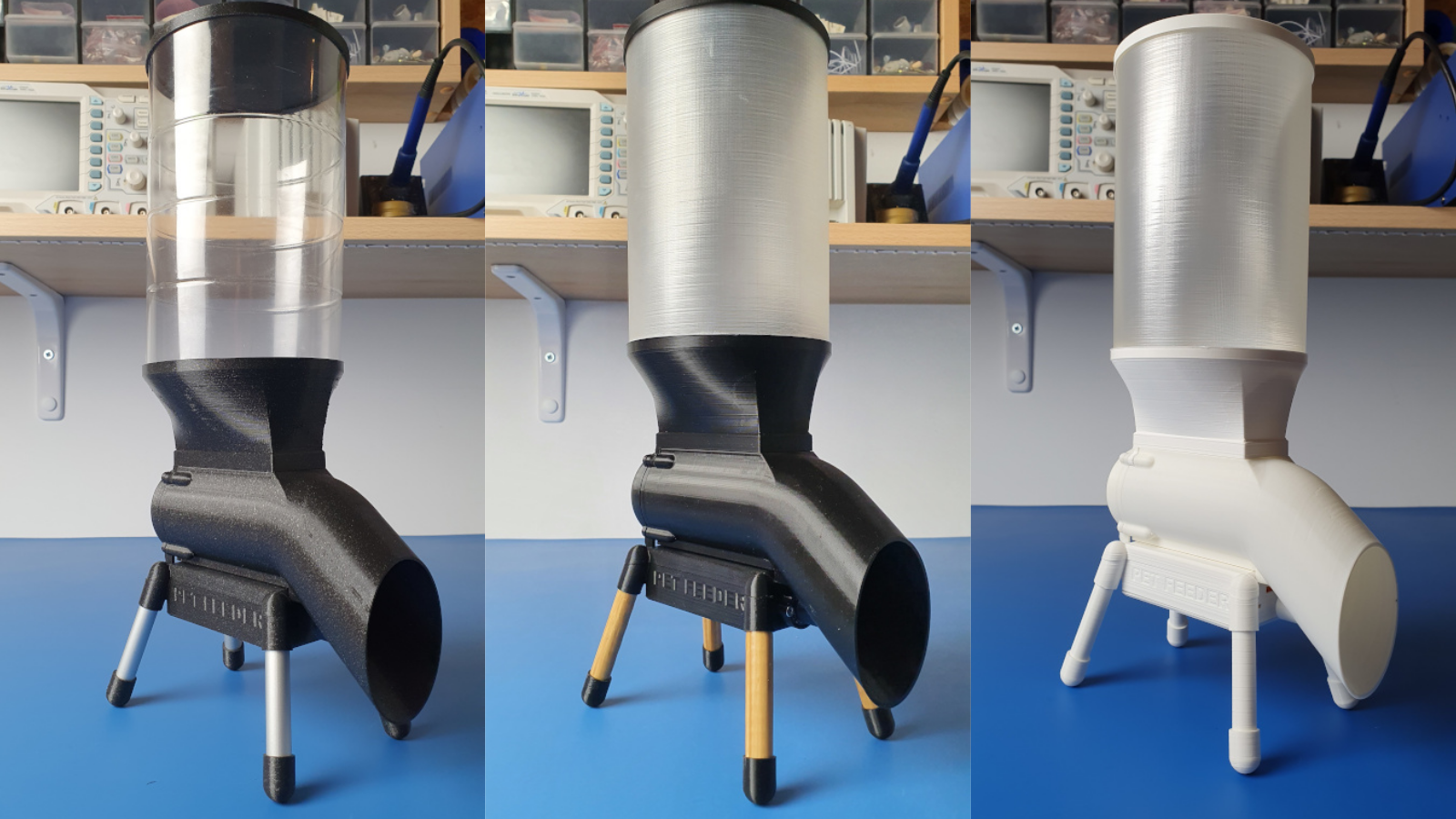
A smart pet feeder sounds like the kind of gadget invented by someone who has been personally bullied by a cat at 4:17 a.m. And honestly, that is probably not far from the truth. Anyone who has lived with a food-motivated pet knows the routine: the dramatic stare, the empty-bowl performance, the suspicious claim that nobody has eaten in several centuries. A well engineered smart pet feeder steps into that chaos with a calm little motor, a measured portion of kibble, and the quiet confidence of a machine that does not negotiate with whiskers.
But the best smart pet feeder is not just a plastic bucket with Wi-Fi taped to its soul. Good engineering matters because this device is responsible for something simple but important: feeding a living animal on time, in the right amount, without jamming, overfeeding, underfeeding, startling the pet, leaking data, or turning into an expensive kibble sculpture. That is a surprisingly demanding job.
The phrase “Smart Pet Feeder Is Well Engineered” captures what makes this category interesting. It is not only about convenience. It is about mechanical design, reliable software, hygiene, portion control, sensor feedback, power backup, and pet behavior. In other words, it is a tiny robot butler whose boss may be a ten-pound cat with the attitude of a regional manager.
What Makes a Smart Pet Feeder Truly Smart?
A smart pet feeder earns the word “smart” when it solves real feeding problems instead of simply adding an app. At its best, it lets owners schedule meals, control portions, dispense food remotely, monitor whether food was delivered, and maintain consistency when work, travel, sleep, or life gets messy. For cats and dogs that need measured meals, this can be more than a fun gadget. It can become part of a healthier feeding routine.
Veterinary guidance often emphasizes measured portions, consistent feeding, and weight management. Automatic feeders can support those goals when they dispense accurate amounts and are used according to a veterinarian’s advice. They can also help in multi-pet homes where one furry opportunist keeps eating everyone else’s dinner. In those cases, microchip or RFID feeders can separate meals by pet, reducing food stealing and making prescription diets easier to manage.
However, smart does not mean “set it and forget it forever.” Even the best automatic pet feeder needs supervision, cleaning, testing, and common sense. A feeder is a tool, not a replacement for pet care. It should make daily life smoother, not become the only thing standing between your pet and dinner while you disappear for a week like a mysterious billionaire in a spy movie.
The Engineering Behind a Good Automatic Pet Feeder
The heart of a smart pet feeder is the dispensing mechanism. Many dry-food feeders use a rotating paddle, wheel, or auger to move kibble from the hopper into the bowl. This sounds simple until you remember that kibble comes in different shapes, sizes, coatings, textures, and levels of crumbly drama. Round kibble behaves differently from triangular kibble. Tiny pellets flow like gravel. Large chunks can bridge, jam, or wedge themselves in the chute like they are protesting labor conditions.
A well engineered automatic pet feeder must handle this variation. It needs enough motor torque to move food reliably, but not so much force that it crushes kibble into dust. It needs a chute angle that encourages flow. It needs a hopper shape that avoids dead zones where food sits forever. It needs a bowl area that does not back up and block the next serving. The difference between a feeder that works and a feeder that misses meals often comes down to these unglamorous mechanical details.
Why Anti-Jam Design Matters
Anti-jam design is one of the most important features in a smart pet feeder. A jammed feeder is not merely annoying; it can mean a missed meal. Good designs may detect motor resistance, reverse the motor, retry dispensing, or alert the owner through an app or indicator light. Some systems include food backup detection, low-food warnings, or jam status lights so the owner knows something went wrong before the pet begins composing a strongly worded complaint on the carpet.
For DIY builders, this is where engineering gets fun. A stepper motor can precisely control rotation. An auger can move measured amounts of kibble. A load cell under the bowl can confirm that food actually arrived. Infrared, ultrasonic, or PIR sensors can detect pet presence. The more feedback the feeder has, the less it relies on blind trust. In pet feeding, blind trust is risky because cats are skilled auditors and dogs are enthusiastic data corruptors.
A DIY Smart Pet Feeder Done Right
One excellent example of a well engineered smart pet feeder comes from the maker community. A DIY cat feeder built around an ESP8266-style Wi-Fi module, home automation integration, a stepper-driven auger, a PIR sensor, a piezo buzzer, and a manual feed button shows how thoughtful design can turn a household nuisance into a polished project. The goal was practical: feed a cat on schedule, allow manual dispensing, notify the owner when the cat appeared outside normal meal times, and make the food-contact parts easy to remove and wash.
The cleverness is not only in the electronics. The best part is the serviceability. Many gadgets fail because designers forget that food creates dust, oils, crumbs, and residue. A feeder that cannot be cleaned easily is not well engineered, no matter how fancy the app looks. In this DIY design, the maker focused heavily on removable parts, snap-fit assembly, and a body that could slide out for washing. That is the kind of detail that separates a weekend prototype from something a person might actually live with.
This also highlights an underrated rule of pet technology: pets are not laboratory conditions. They paw at things. They bump bowls. They chew corners. They stare at machines until the machines feel shame. Good engineering accepts this and designs for real homes, real food, and real animals.
Portion Control: The Health Feature Hiding in Plain Sight
Portion control may be the most useful reason to buy or build a smart pet feeder. Many pets gain weight slowly, a few extra kibbles at a time. One family member feeds breakfast, another gives “just a little snack,” and then the pet performs a convincing Oscar-worthy hunger scene for a third person. By evening, the animal has eaten like a tiny medieval king.
A programmable pet feeder reduces that confusion. It can dispense measured meals at consistent times, which helps owners follow feeding plans. Some feeders allow multiple small meals per day, which can be helpful for pets that eat too quickly, beg constantly, or do better with a steady routine. Slow-feed modes can spread a meal over several minutes, reducing the “vacuum cleaner with legs” style of eating common in some dogs and ambitious cats.
Accuracy is essential. A feeder that claims to dispense a quarter cup but varies wildly from serving to serving is not a nutrition tool; it is a snack lottery. The best automatic pet feeders are designed with predictable portion sizes and clear calibration. Owners should still test portions using the actual kibble their pet eats, because food shape and density can change the amount dispensed.
Connectivity Is Useful, But Local Reliability Is Better
Wi-Fi makes smart feeders convenient. App control lets owners schedule meals, trigger a snack remotely, check food levels, and receive alerts. Some premium models include cameras, two-way audio, feeding history, and AI-style activity summaries. That can be charming, especially when the camera captures a cat looking directly into the lens as if asking why the service has declined.
Still, connectivity should not be the only brain in the system. A well engineered smart pet feeder should continue its saved schedule even if the internet goes down. Cloud-dependent pet gadgets have a history of frustrating owners when servers fail, services shut down, or apps stop working. A feeder should not need perfect Wi-Fi to perform its core job. The schedule should live locally on the unit, and the app should be an enhancement, not a lifeline.
Power backup is just as important. A feeder with an AC adapter and battery backup is safer than one that depends entirely on wall power. If the power goes out, the pet should still be fed. Indicator lights, app alerts, and low-battery warnings all add layers of protection. The engineering principle is simple: dinner should not depend on one fragile point of failure.
Security and Privacy Should Not Be an Afterthought
Smart pet feeders are part of the connected home, which means they deserve the same security scrutiny as cameras, doorbells, and baby monitors. A feeder with a camera and microphone can collect sensitive household data. Poorly secured devices may expose video, audio, network information, or account credentials. Security researchers have found vulnerabilities in some pet-tech products, including weak firmware practices and insecure communications.
That does not mean every smart feeder is dangerous. It means buyers should be selective. Look for brands that support firmware updates, use encrypted connections, avoid default passwords, explain privacy policies clearly, and allow sensible account security. If a feeder includes a camera, ask whether you really need it. Watching your pet eat can be adorable, but not every bowl needs to become a surveillance department.
Cleaning, Materials, and Food Safety
A smart pet feeder handles food every day, so hygiene is not optional. Dry food leaves oils and crumbs. Kibble dust can collect in corners. Moisture can make residue sticky. If the chute, bowl, hopper, or auger chamber is hard to access, owners are less likely to clean it often. That is how a clever feeder becomes a countertop science experiment.
Good feeders use removable bowls, washable food-contact parts, smooth surfaces, and designs that avoid crumb traps. Stainless steel bowls are often preferred because they are durable and easy to clean. Dishwasher-safe parts are a bonus, though owners should always follow manufacturer instructions. For wet food, the engineering challenge increases. Wet food needs temperature control, sealed compartments, timely disposal, and more frequent cleaning. A dry kibble feeder cannot automatically become a safe wet-food feeder just because someone has confidence and a spoon.
Smart Feeders for Multi-Pet Homes
Multi-pet households create special feeding problems. One cat may need a prescription diet. One dog may eat too fast. One pet may be a slow, polite diner while another arrives like a furry tax collector. In these homes, a basic timer feeder may not be enough.
Microchip and RFID feeders solve this by opening only for the registered pet. This can help prevent food stealing and protect special diets. Dual-bowl feeders can serve two pets at once, though they work best when pets are not competitive. Camera-equipped feeders can help owners confirm who ate, but identity detection is not always perfect. When health depends on accuracy, physical access control is usually more reliable than guessing from video.
What to Look for Before Buying a Smart Pet Feeder
1. Reliable Dispensing
Choose a feeder known for consistent operation with your pet’s food size. Read real user experiences about jams, missed meals, and motor noise. A feeder that works beautifully with tiny cat kibble may struggle with large dog food.
2. Accurate Portions
Look for clear portion settings and test them at home. If your pet is on a weight-loss plan or medical diet, accuracy matters more than flashy features.
3. Easy Cleaning
Removable food-contact parts are essential. A dishwasher-safe bowl, accessible chute, and simple disassembly will make the feeder easier to maintain.
4. Backup Power
Battery backup protects against power outages. Low-battery alerts are even better.
5. Local Schedule Storage
The feeder should keep feeding on schedule even when Wi-Fi is down. Remote control is nice; local reliability is non-negotiable.
6. Pet-Proof Construction
Locking lids, stable bases, tamper-resistant buttons, and secure hoppers matter. Never underestimate a hungry pet with free time and suspicious intelligence.
7. Sensible App Design
The app should be simple, stable, and clear. Feeding history, alerts, and manual feeding controls should be easy to find.
When a Smart Pet Feeder Is Not the Right Choice
A smart feeder is not ideal for every pet. Some anxious animals may be startled by motor sounds. Some pets may refuse to eat from a new bowl. Some medical conditions require close observation, wet food, medication timing, or human judgment. Pets that gorge, guard food, or chew aggressively may need a different feeding setup. And any pet left alone for extended periods still needs human check-ins, fresh water, litter or bathroom care, and general safety monitoring.
The right mindset is balance. Use technology to support care, not replace it. A smart pet feeder can handle routine meals, but it cannot notice every subtle change in behavior, appetite, posture, hydration, or mood. That job still belongs to humans, whether the cat respects that hierarchy or not.
Why Good Engineering Feels Invisible
The funny thing about a well engineered smart pet feeder is that, when it works, it becomes boring. Meals arrive on time. Portions are correct. The bowl is easy to wash. The app sends useful alerts. The motor does not scream like a haunted printer. The pet learns the routine. The owner sleeps past dawn. Everyone wins, except the cat, who may still file a complaint about portion size.
Bad engineering, on the other hand, becomes very visible. Jams, inaccurate portions, flaky Wi-Fi, confusing apps, non-removable parts, weak lids, and dead batteries all announce themselves quickly. In pet tech, reliability is not a luxury feature. It is the product.
Real-World Experience: Living With a Smart Pet Feeder
The first few days with a smart pet feeder are usually a mix of curiosity, hope, and pet theater. You unbox the unit, wash the bowl, pour in the kibble, connect the app, and schedule breakfast with the confidence of a person who has finally outsmarted a creature that sleeps in a laundry basket. Then the feeder whirs for the first time, and your pet reacts as if a tiny spaceship has landed in the kitchen.
In real use, the most noticeable benefit is routine. Pets learn quickly. After a few scheduled meals, many cats and dogs stop treating the owner as the sole food dispenser and start monitoring the machine instead. This can reduce early-morning begging, especially in homes where breakfast used to depend on the first human showing weakness. The feeder becomes the neutral party. It does not oversleep, negotiate, or fall for the “nobody fed me” face.
The second major benefit is portion discipline. Measuring food by hand sounds easy, but busy mornings invite shortcuts. A smart pet feeder makes the routine repeatable. For pets that need several small meals, the improvement can be dramatic. Instead of one large serving that disappears in ninety seconds, food can be divided into smaller scheduled portions throughout the day. This is especially helpful for pets that eat too fast or become restless between meals.
That said, the experience also teaches humility. The feeder must be tested with the actual food your pet eats. Some kibble flows smoothly; some pieces jam in ways that suggest a personal grudge. Owners should run several test portions before trusting a schedule. It is also wise to mark the hopper level after filling it, monitor how quickly food is used, and keep backup food available. Technology is wonderful, but a measuring cup never needs a firmware update.
Cleaning becomes part of the rhythm. A good feeder makes this painless: remove the bowl, wipe the chute, wash the parts, dry everything fully, and refill. A poorly designed feeder makes cleaning feel like disassembling a small appliance from a submarine. This is where engineering shows up in daily life. Snap-fit parts, smooth channels, and removable food-contact surfaces matter more than a shiny product photo.
App features are useful, but the best experience comes when the device does not demand constant attention. Helpful alerts include low food, jam detection, missed feeding, low battery, and offline status. Less helpful are gimmicks that turn every snack into a social media event. A smart pet feeder should make pet care calmer. If the app causes more anxiety than the pet, something has gone wrong.
The most satisfying moment is when the feeder blends into the household routine. The pet hears the motor, trots over, eats, and moves on. The owner checks the feeding history, sees that breakfast happened, and continues the day. No drama. No guessing. No 4 a.m. opera from the hallway. That is the real promise of a well engineered smart pet feeder: not replacing affection, but removing friction from one repetitive task so there is more time for the good parts of pet ownership, like play, walks, lap naps, and explaining to your cat why the printer is not an enemy.
Conclusion
A smart pet feeder is well engineered when it respects both sides of the bowl: the owner’s need for convenience and the pet’s need for safe, consistent, clean, accurate feeding. The best designs combine dependable mechanics, precise portion control, easy cleaning, backup power, local schedule storage, secure connectivity, and pet-proof construction. They do not simply add Wi-Fi to a food bin; they solve real feeding problems with thoughtful design.
Whether you buy a polished automatic pet feeder or build a DIY version with an ESP-based controller, sensors, and an auger mechanism, the same principles apply. The feeder must dispense reliably, clean easily, survive curious paws, and keep working when the internet has one of its emotional episodes. Do that, and you have more than a gadget. You have a tiny, practical piece of home automation that makes life better for both humans and pets.
Note: This article is written for web publication and synthesizes current pet-care guidance, consumer testing insights, product documentation, security research, and maker-community engineering examples without including source links in the body.










