
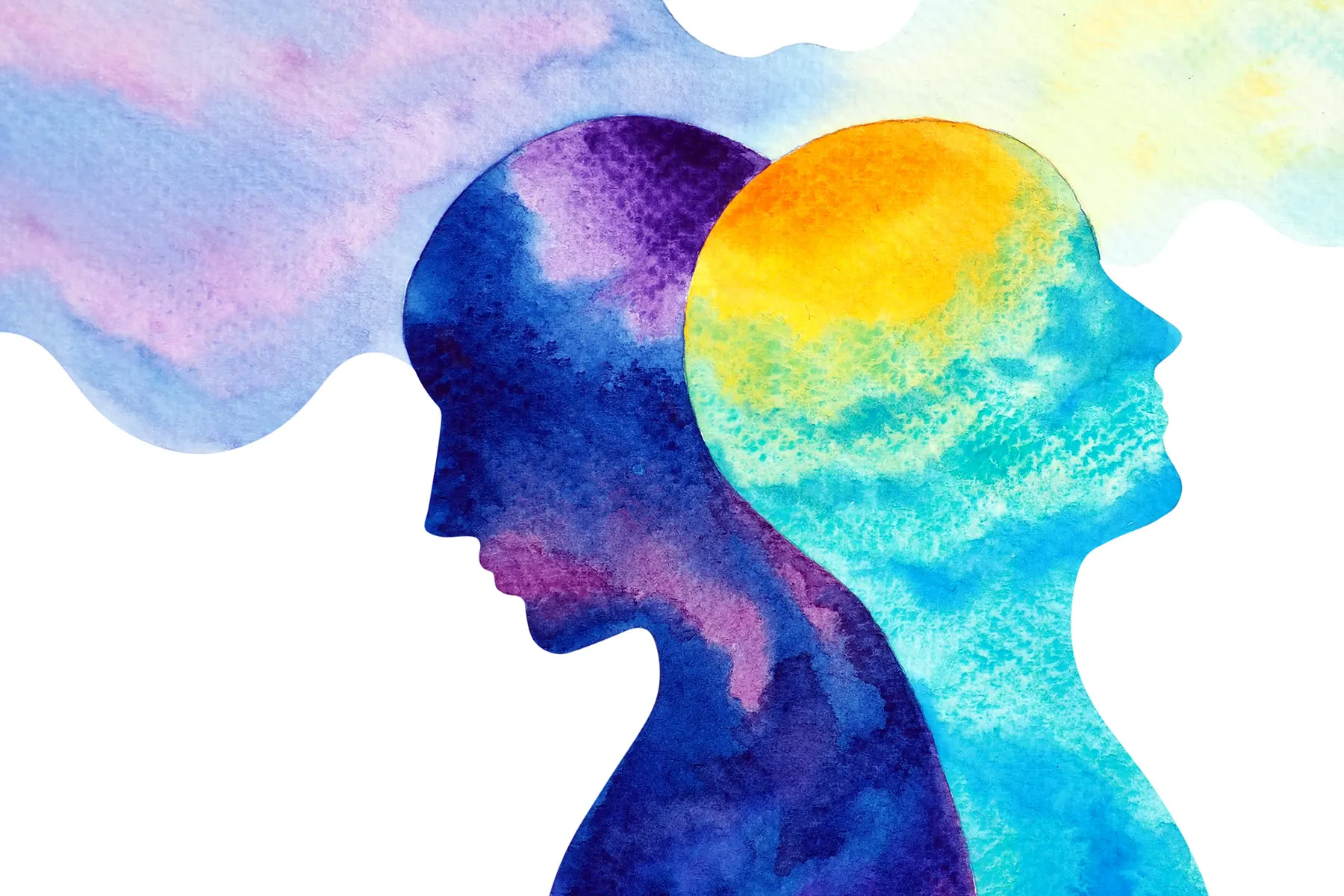
Bipolar disorder can feel mysterious from the outside. One person may seem energetic, confident, and unstoppable during one period, then struggle with severe depression during another. That naturally raises a big question: What causes bipolar disorder?
The most accurate answer is that scientists have not identified one single cause. Bipolar disorder appears to develop through a complicated interaction among genetics, brain biology, environmental influences, sleep and circadian rhythms, stressful experiences, and other factors. In other words, there is no lone “bipolar switch” hiding somewhere in the brain waiting to be flipped.
Understanding bipolar disorder causes and risk factors matters because risk is not destiny. Having a parent with bipolar disorder does not mean someone will inevitably develop it. Likewise, experiencing stress, losing sleep, or drinking alcohol does not automatically cause bipolar disorder. These factors are better understood as pieces of a much larger biological puzzle.
What Is Bipolar Disorder?
Bipolar disorder is a mental health condition characterized by recurring episodes involving significant changes in mood, energy, activity, thinking, and behavior. Bipolar I disorder includes at least one manic episode, while bipolar II disorder involves major depressive episodes along with hypomania rather than full mania.
Mania is much more than simply having an unusually good day. A manic episode may involve dramatically increased energy, reduced need for sleep, racing thoughts, rapid speech, exaggerated confidence, irritability, impulsive decisions, risky behavior, or, in severe episodes, psychotic symptoms. Hypomania involves similar changes but is less severe.
Because symptoms can overlap with depression, ADHD, substance-related conditions, thyroid disease, and other illnesses, determining what is actually causing a person’s symptoms requires professional evaluation.
What Causes Bipolar Disorder?
Researchers generally describe bipolar disorder as multifactorial. Instead of one cause producing one disease, numerous biological and environmental influences appear to combine to alter susceptibility.
1. Genetics and Family History
Genetics is one of the strongest known bipolar disorder risk factors. Bipolar disorder tends to run in families, and having a parent, sibling, or other close relative with the condition increases a person’s risk compared with someone without that family history.
However, bipolar disorder is not inherited like eye color or a simple single-gene disease. Researchers have identified many genetic variants associated with risk, with individual variants generally contributing only a small amount. Large genetic studies continue to identify additional areas of the genome associated with bipolar disorder.
Estimates from scientific reviews place the heritability of bipolar disorder roughly in the 70% to 90% range. That number is frequently misunderstood: it describes how much variation in susceptibility within a population may be associated with genetic differences. It does not mean that a person with bipolar disorder is “90% genetically caused,” nor does it predict an individual’s chance of developing the illness.
Twin studies provide another important clue. Identical twins share nearly all their DNA, yet bipolar disorder does not always develop in both twins. That strongly suggests genes create vulnerability rather than determining a guaranteed outcome.
2. Differences in Brain Function
Brain research has found differences, on average, in the structure, function, and activity of certain brain systems among groups of people with bipolar disorder compared with people without the condition. Scientists are studying how those differences relate to mood regulation, emotional processing, reward, cognition, and stress responses.
These findings do not mean a routine brain scan can diagnose bipolar disorder. Researchers are still working out which biological differences contribute to illness, which may result from repeated mood episodes, and which represent normal variation.
3. Brain Signaling and Neurotransmitters
Neurotransmitters such as dopamine, serotonin, and norepinephrine help brain cells communicate. Research indicates that regulation of these and other signaling systems may differ in bipolar disorder. However, the popular phrase “chemical imbalance” makes the science sound much simpler than it really is.
Bipolar disorder is not currently explained by having too much or too little of one brain chemical. Modern research looks at interconnected systems involving neurotransmitters, neural circuits, cellular signaling, genetics, inflammation, circadian biology, and other mechanisms.
Major Bipolar Disorder Risk Factors
Family History of Bipolar Disorder
Among established risk factors, family history deserves special attention. A first-degree relative such as a parent or sibling with bipolar disorder is associated with greater susceptibility. Family histories containing other mood disorders may also provide useful information during a psychiatric evaluation.
Still, plenty of people with an affected relative never develop bipolar disorder, and some people diagnosed with bipolar disorder have no obvious family history. Genetics loads part of the dice; it does not decide every roll.
Stressful Life Events
Periods of severe stress have been associated with the beginning or recurrence of mood episodes in susceptible individuals. Examples can include bereavement, relationship breakdown, major financial problems, family conflict, traumatic events, or substantial changes in daily life.
But an important distinction is needed: stress alone has not been proven to be the single cause of bipolar disorder. Millions of people experience major stress without developing mania. A stressful event may instead act as a trigger in someone who already has underlying vulnerability.
Trauma and Early-Life Adversity
Traumatic experiences and childhood adversity are frequently studied in relation to mood disorders. NIMH notes that people with genetic susceptibility may be more likely to develop bipolar disorder following trauma or stressful life events, while clinical organizations include traumatic experiences among possible contributors or triggers.
Trauma should never be treated as a simplistic explanation for someone’s diagnosis. Its effects differ enormously between individuals, and many people who experience trauma never develop bipolar disorder.
Sleep Loss and Circadian Rhythm Disruption
Sleep deserves its own section because it can have an unusually close relationship with bipolar mood episodes. Sleep deprivation may contribute to manic or depressive episodes, while reduced need for sleep is itself one of the classic symptoms of mania.
This can create an unpleasant feedback loop. Someone begins sleeping less, energy rises, activity increases, bedtime becomes even less appealing, and suddenly 3 a.m. feels like the perfect moment to reorganize the garage, start three businesses, and order a kayak despite living 200 miles from useful water.
Disruption of normal sleep-wake schedulesincluding overnight work, repeated all-nighters, long-distance travel, or major routine changesmay therefore be particularly important for people who already have bipolar disorder or a strong vulnerability to it. The goal is not to become afraid of an occasional bad night’s sleep, but to recognize persistent sleep changes as meaningful information.
Alcohol and Drug Use
Alcohol and recreational drug misuse are associated with bipolar disorder and may provoke, worsen, or complicate mood symptoms in vulnerable individuals. Stimulants such as cocaine and amphetamines are especially capable of causing manic-like symptoms.
Substance use also creates a diagnostic challenge. Intoxication or withdrawal can sometimes resemble mania, depression, anxiety, or psychosis. Clinicians therefore need to determine whether symptoms represent primary bipolar disorder, a substance-induced condition, or both conditions occurring together.
The relationship also runs in both directions. People experiencing mania or depression may increase their alcohol or drug use, making it difficult to determine which problem came first without examining the person’s history carefully.
Can Medications Trigger Mania?
Certain medications can produce or contribute to manic symptoms in some people. Medical references identify drugs such as corticosteroids and some antidepressants among medications that may precipitate mania, particularly in susceptible individuals.
This does not mean people should stop prescribed medications because they read an alarming paragraph on the internet. Suddenly stopping psychiatric or steroid medications can create its own problems. New symptoms such as sharply reduced sleep, extreme energy, unusual impulsivity, racing thoughts, or major behavioral changes should instead be discussed promptly with the prescribing clinician.
Medical Conditions Can Mimic Bipolar Symptoms
Not every episode that looks like mania is primary bipolar disorder. Medical conditions affecting the brain, nervous system, or endocrine system can sometimes produce similar symptoms. Hyperthyroidism is a commonly cited example, while certain neurologic conditions, infections, brain injuries, seizures, and other illnesses may occasionally enter the differential diagnosis.
That is one reason clinicians may review medications and substance use and order laboratory tests when appropriate. The purpose is not to find a magical “bipolar blood test”there currently isn’t onebut to rule out other explanations for the symptoms.
Does Age Affect Bipolar Disorder Risk?
Bipolar disorder often first becomes apparent during adolescence or early adulthood, although it can emerge at other ages. Yale Medicine and other clinical sources note that initial episodes commonly appear during the late-teen and young-adult years.
Age of onset is useful clinically but should not become an amateur diagnostic shortcut. A teenager who stays awake studying for finals is not automatically manic, just as a 50-year-old experiencing depression cannot automatically be ruled out for bipolar disorder.
Risk Factors Are Not the Same as Triggers
One of the easiest ways to misunderstand bipolar disorder causes is to mix up risk factors and episode triggers.
A risk factor increases susceptibility to developing a condition. Genetics and family history are good examples. A trigger, by contrast, may help precipitate a mood episode in someone who already has the underlying vulnerability or established disorder.
Possible triggers can include major stress, severe sleep disruption, substance use, changes in routine, and certain medications. Stressful events are commonly associated with initial or recurrent symptoms, although a direct cause-and-effect relationship cannot always be established.
Common Myths About Bipolar Disorder Causes
Myth: Bipolar Disorder Is Caused by a Weak Personality
False. Bipolar disorder is a medical psychiatric condition with substantial genetic and biological components. Willpower does not erase mania or bipolar depression any more than motivational posters repair a broken ankle.
Myth: Bad Parenting Causes Bipolar Disorder
No credible evidence supports the idea that parenting style by itself causes bipolar disorder. Family environments and stressful relationships can affect wellbeing and may influence symptom patterns, but they should not be confused with a single biological cause.
Myth: A Bipolar Parent Means the Child Will Definitely Have It
Family history raises risk, but inheritance is not deterministic. Multiple genes and environmental influences are involved, and even genetically identical twins do not always share the diagnosis.
Myth: Moodiness Means Bipolar Disorder
Ordinary emotional ups and downs are not the same as manic, hypomanic, and depressive episodes. Diagnosis depends on the nature, severity, duration, and functional effects of symptoms as well as their overall pattern.
When Risk Factors Should Lead to a Professional Evaluation
Family history alone does not require someone to assume they have bipolar disorder. However, professional evaluation becomes especially important when noticeable periods of mood change are accompanied by dramatically decreased need for sleep, unusually high energy, racing thoughts, extreme irritability, impulsive or risky behavior, major depression, or significant disruption in relationships, school, finances, or work.
A clinician can examine the timing and pattern of symptoms, medical history, family history, medications, substance use, sleep changes, and possible medical explanations. An accurate diagnosis matters because bipolar depression can initially look similar to unipolar major depression.
Experiences That Illustrate Bipolar Disorder Causes & Risk Factors
The following examples are illustrative scenarios based on commonly recognized clinical patterns, not testimonials from specific patients. They show why bipolar disorder rarely fits into a tidy cause-and-effect story.
The College Student Who Suddenly Stops Sleeping
Imagine a 20-year-old student whose parent has bipolar disorder. For several semesters, nothing particularly unusual happens. Then final exams arrive. The student drinks far too much caffeine, sleeps three hours per night, and begins feeling strangely fantastic rather than exhausted.
Within days, they are talking rapidly, starting ambitious projects, making impulsive purchases, and confidently explaining to friends that sleep is basically an inefficient hobby.
Did final exams “cause” bipolar disorder? Probably not in such a straightforward sense. Family history may represent an underlying vulnerability, while sustained stress and severe sleep disruption could help precipitate an initial episode. That gene-environment interaction is much closer to the scientific model researchers currently investigate.
The Person With Family History Who Never Develops Bipolar Disorder
Now consider two siblings whose mother has bipolar I disorder. One develops bipolar disorder in early adulthood. The other reaches middle age without ever experiencing mania or hypomania.
This scenario illustrates why genetics should be discussed as probability rather than fate. Family members share some genetic susceptibility, but they do not share identical combinations of genes, developmental experiences, biological factors, sleep patterns, stress exposure, and other influences.
Knowing family history can be useful without turning life into a decades-long surveillance mission for every unusually cheerful Tuesday.
Depression Appears Years Before Mania
Another person might first seek treatment during a severe depressive episode. At that stage, they may appear to have major depressive disorder because there has never been a recognized manic episode.
Years later, a clear period of abnormal energy, decreased need for sleep, rapid speech, racing thoughts, and risky behavior emerges. The person’s earlier depression now looks different when viewed as part of a longer mood history.
This is why clinicians often ask about previous periods of unusually high energy, behavioral changes, sleep reduction, family history, and possible hypomanic episodes rather than considering depression in isolation.
Substance Use Makes the Picture Complicated
Consider someone who becomes unusually energetic, paranoid, impulsive, and unable to sleep while using stimulants. Those symptoms may look remarkably similar to mania.
Now suppose the person continues experiencing clear manic episodes during long periods without stimulant use. Clinicians have a much more complicated diagnostic puzzle. Substance-induced symptoms, an underlying bipolar disorder, or both may need to be considered.
The lesson is that one dramatic episode does not reveal its own cause. Timing matters. Substance exposure matters. Family history matters. Symptoms before and after the event matter.
Stress Triggers an Episode but Is Not the Whole Story
A person with an established bipolar diagnosis might remain stable for several years and then experience a major bereavement, repeated nights of poor sleep, and mounting workplace pressure. Soon afterward, manic or depressive symptoms return.
It would be reasonable to describe those circumstances as possible triggers, but saying “stress caused the person’s bipolar disorder” would oversimplify the situation. Stress may interact with an already vulnerable mood-regulation system rather than creating bipolar disorder from scratch.
Together, these examples capture an important theme: two people may encounter similar stress and have completely different outcomes, while two relatives carrying some shared genetic risk may follow very different mental-health paths.
Conclusion
The science of bipolar disorder causes and risk factors points toward interaction rather than a single culprit. Genetics plays a major role, but genes are not destiny. Differences in brain function and signaling are under active investigation, while severe stress, trauma, disrupted sleep, substance use, and certain medications may help trigger episodes in susceptible people.
Understanding these factors can help people recognize meaningful patterns without blaming themselves or their families. Most importantly, symptoms that suggest mania, hypomania, severe depression, psychosis, or major behavioral changes deserve assessment by a qualified healthcare professional rather than self-diagnosis based on a checklist.
Note: This article is intended for general educational information and does not replace evaluation, diagnosis, or treatment by a licensed healthcare professional.













