
If nutrition advice had a publicist, it would be begging for a rebrand. For years, Americans have been handed food guidance that was technically useful but sometimes delivered with the charisma of an appliance manual. Meanwhile, real life kept happening: people got busier, grocery aisles got more crowded with ultra-processed “health” foods, and beverages quietly turned into one of the easiest ways to drink a whole dessert before lunch.
That is why new dietary guidelines should prioritize plants and healthy beverages in language so clear that even a distracted shopper holding a giant iced drink can understand it. Not “maybe consider vegetables if the stars align.” Not “beverage choices matter” buried on page 117. A stronger, simpler message is overdue: build most meals around minimally processed plant foods, and make water and other low-sugar drinks the default.
This is not about demanding that everyone become vegan by Tuesday or start chewing kale with moral intensity. It is about aligning national nutrition guidance with the strongest, most practical evidence we have. When dietary patterns lean more heavily on vegetables, fruits, beans, peas, lentils, nuts, seeds, and whole grains, people tend to get more fiber, vitamins, minerals, and protective plant compounds while cutting back on the stuff Americans already get too much of: added sugars, refined grains, sodium, and heavily processed calorie bombs. And when beverage advice gets serious, people have a better shot at reducing one of the sneakiest sources of excess sugar in the modern diet.
The real problem is not confusion about broccoli
Most people do not need to be convinced that vegetables are healthy. This is not breaking news. The problem is that national guidance often spreads its message across too many competing ideas at once. Protein gets marketed like a personality trait. Carbs get blamed for everything from fatigue to bad weather. Juice gets dressed up as virtue. Energy drinks show up wearing “wellness” packaging like a raccoon in a blazer.
A better framework would put two priorities at the center.
First, eat more whole and minimally processed plant foods. That means the dietary backbone of the day should come from vegetables, fruits, legumes, whole grains, nuts, and seeds. These foods do not just check the “healthy” box in a vague, lifestyle-magazine sense. They help crowd out less nutritious choices while making it easier to hit fiber and micronutrient targets that many Americans still miss.
Second, treat beverages as a major nutrition issue, not an afterthought. People often think about diet in terms of plates, bowls, and lunch containers. But drinks count, and sometimes they count loudly. A person can make a respectable lunch and then cancel half of it out with a sugary soda, a sweetened coffee drink the size of a flower vase, or a “sports” beverage consumed after the athletic event known as sitting in traffic.
Why plants deserve top billing
Plants bring the nutrients Americans keep missing
Plant-forward eating patterns are not trendy because a handful of influencers discovered chickpeas. They remain central to good nutrition because they deliver what many diets lack: fiber, potassium, folate, magnesium, and a wide range of beneficial compounds found naturally in whole foods. Vegetables and fruits add volume and satisfaction without requiring a calorie math degree. Beans and lentils pull double duty by offering fiber and protein. Nuts and seeds contribute healthy fats and texture, which is important because no one stays loyal to a nutrition plan that tastes like punishment.
Whole grains matter here, too. Swapping refined grains for more intact, fiber-rich grains can improve the nutritional quality of a diet without requiring dramatic culinary theater. Brown rice, oats, quinoa, farro, barley, and whole-wheat pasta may not sound as exciting as a miracle superfood from a remote mountaintop, but they do a lot of quiet, useful work.
Plant-based should mean plant-rich, not plant-ish
This is where dietary guidelines need to be smarter than food marketing. “Plant-based” is now slapped on products that are technically made from plants and nutritionally closer to confetti. A cookie is still a cookie even if the package is green. A fried chip dusted with vegetable powder is not a salad with ambition.
So when new guidelines prioritize plants, they should clearly distinguish between whole or minimally processed plant foods and ultra-processed products built on refined starches, added sugars, sodium, and industrial wizardry. The goal is not simply to increase the number of foods that originated somewhere near a farm. The goal is to increase the foods that still look, act, and nourish like food.
Plants are practical, flexible, and budget-friendly
One of the strongest arguments for plant-forward guidance is that it can fit real life. Beans, oats, frozen vegetables, peanut butter, brown rice, bananas, lentils, and canned tomatoes are not rare luxury items available only to people with a blender named Sebastian. Plant-rich eating can work across budgets, cultures, and cooking skill levels. A black bean taco bowl, a vegetable stir-fry with tofu, oatmeal with fruit and nuts, or pasta tossed with white beans and greens all move in the right direction.
That matters because national dietary guidance is supposed to help actual people, not imaginary citizens who meal-prep for fun and always have tahini.
Why healthy beverages deserve equal billing
Liquid sugar is the nutrition plot twist
Healthy beverage guidance should not be treated like a footnote under the chapter on snacks. Drinks can drive a major share of added sugar intake while doing very little to keep people full. That makes them one of the easiest ways to consume excess calories without feeling like you ate very much at all.
Sugary drinks are especially tricky because they often arrive with a health halo. Fruit drinks sound fruity. Sports drinks sound athletic. Sweet coffee drinks sound like a productivity tool. Even some plant-based beverages look wholesome while carrying a surprisingly dessert-like sugar load. In other words, the beverage aisle is full of shape-shifters.
New dietary guidelines should therefore say the quiet part out loud: water should be the primary beverage for most people, most of the time. It is the simplest, least confusing, least over-marketed option on the shelf. That is not boring advice. That is good advice.
What counts as a healthy beverage?
A useful beverage hierarchy would be refreshingly simple. Water sits at the top because it hydrates without added sugar or extra calories. Unsweetened coffee and tea can also fit into a healthy pattern for many adults, especially when they are not transformed into whipped liquid cupcakes. Milk can contribute nutrients, and unsweetened fortified soy beverages can be a helpful option for people who avoid dairy. Small amounts of 100% juice can fit, but juice should not pretend to be a free-pour substitute for whole fruit.
And then there are the beverages that should move from “occasional caution” to “clear limit” territory: regular soda, sweet tea, fruit punch, energy drinks, sweetened coffee beverages, and many flavored drinks that are basically sugar delivery systems in activewear.
Why the wording matters
Public guidance changes behavior partly through clarity. “Reduce” is polite. “Limit” is harder to misread. “Choose nutrient-dense beverages” sounds respectable, but “drink water first” is the kind of line that can survive contact with a busy afternoon and a vending machine.
That is why stronger beverage language matters. If national guidelines want to improve public health, they should stop whispering around liquid sugar. This is one area where plain English can do a lot of good.
What new dietary guidelines should say, plainly
If the next era of dietary advice wants to be useful, not just technically correct, it should emphasize several core ideas with zero hedging and minimal jargon.
1. Build meals around plants
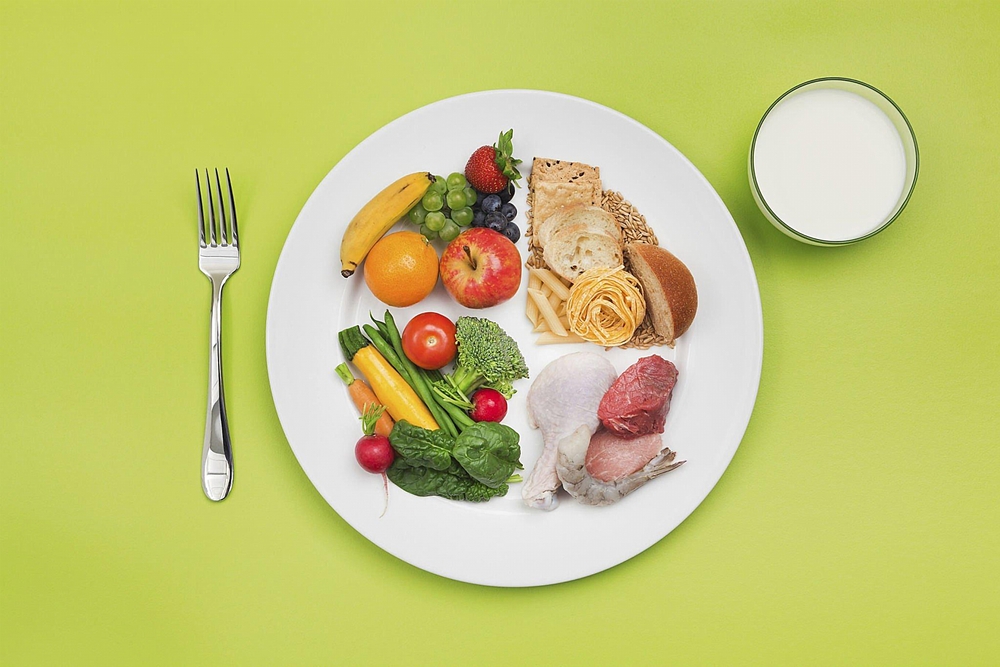
Half the plate should regularly come from vegetables and fruits, with more room made for beans, peas, lentils, nuts, seeds, and whole grains. This is not anti-protein. It is a reminder that many plant foods are excellent protein sources and that healthful eating patterns do not need to revolve around oversized portions of red and processed meat.
2. Make water the default drink
Not the backup plan. Not the beverage equivalent of doing taxes. The default. Guidelines should say this clearly because people tend to follow simple defaults better than complicated exceptions.
3. Name sugary drinks as a major problem
Nutrition policy should not keep acting like the problem is mysterious. Sugar-sweetened beverages deserve a distinct warning in public guidance because they add sugar quickly, contribute little nutritionally, and are consumed in forms that often feel normal, social, and harmless.
4. Clarify that unsweetened matters
Whether the drink is coffee, tea, dairy milk, or plant milk, the difference between unsweetened and heavily sweetened is not cosmetic. It is nutritional. That one word should show up more often in dietary advice.
5. Treat ultra-processed “health” foods with skepticism
If a food or drink is sold as wellness but behaves like candy, dietary guidelines should say so more directly. Americans do not need more nutrition euphemisms. They need honest categories.
How this shift would look in everyday life
A plant-and-beverage-first guideline would not require a dramatic pantry purge or a personality transplant. It would look like chili with beans and vegetables instead of takeout three nights in a row. It would look like oatmeal with berries and walnuts instead of a pastry plus a caramelized caffeine milkshake. It would look like keeping sparkling water, plain water, and unsweetened iced tea visible and convenient so the healthier choice stops feeling like the harder choice.
For schools and workplaces, it could mean treating water access like a basic support, not a decorative amenity. For healthcare systems, it could mean counseling patients about beverages with the same seriousness used for sodium, blood pressure, or cholesterol. For families, it could mean changing what is routinely stocked at home. Nutrition habits are often less about willpower than about what is normal, easy, and nearby.
That is another reason new dietary guidelines should prioritize plants and healthy beverages. They shape more than individual choices. They influence menus, education, health messaging, and the norms surrounding what Americans eat and drink every day.
Experiences from real life: what this advice feels like on the ground
Here is where the conversation gets more interesting, because dietary guidance is one thing on paper and another thing in a real kitchen at 6:17 p.m. when someone is hungry enough to consider shredded cheese a personality. In real life, prioritizing plants and healthy beverages rarely begins with a dramatic declaration. It usually starts with something much less glamorous, like realizing you are tired, thirsty, and accidentally drinking more sugar than water.
One common experience goes like this: a person decides to “eat healthier” and immediately thinks of what to remove. No fries. No cookies. No fun. The whole thing feels doomed by Wednesday. But when the focus shifts to adding more plants and improving beverages, the mood changes. Breakfast becomes oatmeal with fruit instead of a pastry. Lunch becomes a grain bowl with black beans, greens, roasted vegetables, and a crunchy topping. Dinner becomes pasta with white beans, spinach, olive oil, and tomatoes. Suddenly the diet does not feel smaller. It feels fuller, more colorful, and oddly more forgiving.
The beverage side is often even more eye-opening. Plenty of people do not realize how much sweetness is sneaking into the day until they start paying attention to what is in the cup, not just what is on the plate. A flavored coffee in the morning, a soda at lunch, a sports drink in the afternoon, and a sweet tea at dinner can add up fast. When people swap even two of those drinks for water, sparkling water, or unsweetened tea, they often report something surprisingly unsexy but important: they feel less sluggish. Their appetite feels steadier. They are not chasing the next hit of sugar and caffeine like a detective in a bad cop show.
There is also the experience of discovering that plant-forward eating does not have to mean culinary self-sacrifice. A lot of people assume meals centered on beans, lentils, vegetables, and whole grains will be virtuous but dull. Then they try a smoky lentil taco filling, a chickpea salad with herbs and lemon, a peanutty soba noodle bowl, or a big pot of vegetable-and-bean soup with crusty whole-grain toast, and they realize the problem was never the plants. The problem was bad marketing and sad recipes.
Parents often describe another shift: once water is the household default and sugary drinks stop being an everyday item, the family adjusts faster than expected. Children may grumble at first because children are highly skilled labor negotiators. But norms change. The same goes for adults. What feels like a sacrifice in week one starts feeling normal by week four.
That may be the strongest argument for better dietary guidelines. Clearer advice gives people something realistic to practice. More plants. Better drinks. Less confusion. Fewer nutritional magic tricks. And over time, those small changes feel less like a diet and more like a life that finally makes sense.
Conclusion
New dietary guidelines should prioritize plants and healthy beverages because that is where the biggest practical wins are hiding in plain sight. A diet richer in vegetables, fruits, legumes, nuts, seeds, and whole grains is one of the clearest paths toward better public health. A beverage message centered on water and low-sugar choices is one of the fastest ways to cut unnecessary added sugar without making nutrition feel impossibly complicated.
Americans do not need another round of vague advice wrapped in respectable government wording. They need guidance that is direct, modern, and useful in a grocery store, in a school cafeteria, at a drive-thru, and in a tired person’s kitchen on a Wednesday night. Prioritize plants. Prioritize healthy beverages. Say it clearly. Then let the rest of the plate follow.













