
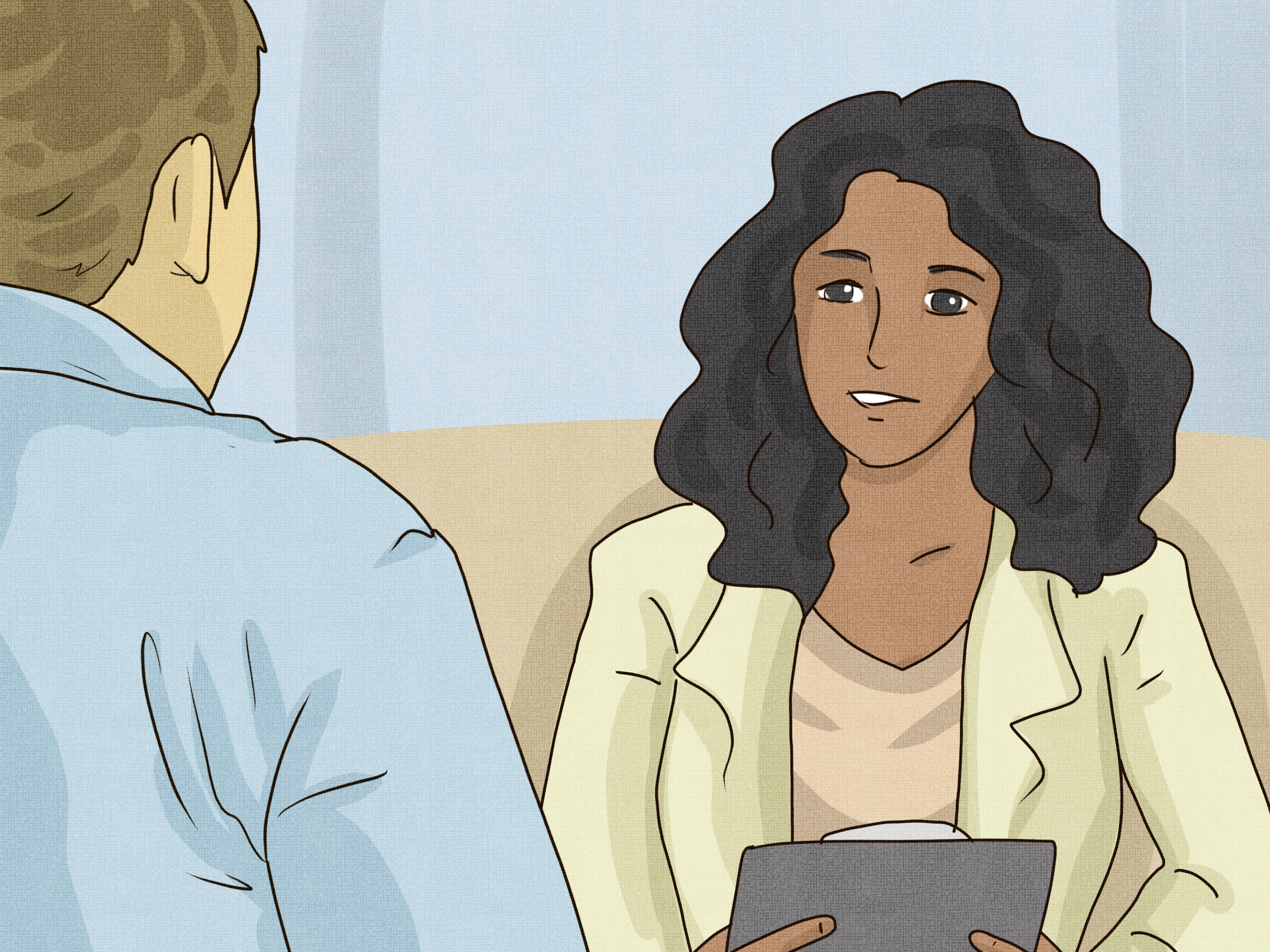
Let’s start with the uncomfortable truth: realizing you’ve been toxic is not exactly a spa day for the soul. It is more like opening an old group chat and immediately wishing the Wi-Fi would go out. Maybe you were controlling. Maybe you used sarcasm as a personality trait. Maybe you guilt-tripped, ghosted, exploded, manipulated, or kept score in relationships like you were training for the Emotional Olympics.
None of that feels good to admit. But the fact that you can see it now matters. A lot. Self-awareness is not a punishment; it is the front door to change. And if you stay stuck in shame forever, you do not become a better person. You just become a miserable one with excellent overthinking skills.
Learning how to forgive yourself for being toxic does not mean pretending your behavior was fine. It means telling the truth, making repairs where possible, and refusing to turn one chapter of bad behavior into your entire identity. You are responsible for what you did. You are not required to be emotionally handcuffed to it for the rest of your life.
This guide breaks down 12 easy, practical ways to move from guilt and regret to accountability, healing, and real behavior change. Not fake change. Not “I posted one quote about growth, so I’m healed” change. Real change.
Why Forgiving Yourself Feels So Hard
People often struggle with self-forgiveness because it feels risky. If you stop beating yourself up, you may worry you will become careless, selfish, or insensitive again. So your brain creates a dramatic little rule: If I punish myself enough, I will never repeat the mistake.
Unfortunately, that rule usually backfires. Shame tends to make people hide, defend, deny, or spiral. Guilt can be useful because it says, “I did something wrong.” Shame is heavier because it says, “I am wrong.” One message helps you correct behavior. The other tries to convince you that you are beyond repair.
That is why self-forgiveness matters. It allows you to stay honest without becoming hopeless. It helps you take responsibility without turning your entire life into a courtroom drama where you are somehow the judge, jury, defendant, and very loud prosecutor.
What “Being Toxic” Usually Looks Like
“Toxic” is one of those words people throw around so casually that it can start to mean everything and nothing. In relationships, toxic behavior usually refers to patterns that damage trust, emotional safety, or respect. That can include constant criticism, manipulation, jealousy, explosive anger, passive-aggressive communication, dishonesty, control, stonewalling, and using another person’s feelings as a weapon.
Sometimes these patterns come from insecurity, trauma, poor conflict skills, family modeling, or a desperate need for control. Those roots can explain the behavior, but they do not excuse the impact. Understanding where your behavior came from is helpful. Using that understanding as a lifetime coupon for bad behavior is not.
12 Easy Ways to Forgive Yourself for Being Toxic
1. Describe the behavior without turning it into your identity
Say, “I lied,” “I was manipulative,” or “I handled conflict badly.” Do not immediately jump to, “I’m a monster,” “I ruin everything,” or “I’m just toxic forever.” That kind of identity language sounds honest, but it often keeps people stuck.
Behavior can be changed. Identity labels can become cages. The goal is clarity, not self-destruction. You cannot improve what you only know how to hate.
2. Separate guilt from shame
Guilt can be productive because it points to a specific action. Shame turns the whole self into the problem. When you catch yourself saying, “I’m awful,” pause and translate it into something more accurate: “I feel awful about what I did.” That one shift can lower defensiveness and make room for growth.
Think of guilt as a smoke alarm and shame as setting the whole house on fire because toast burned. One alerts you. The other destroys the kitchen.
3. Stop romanticizing self-punishment
There is a sneaky belief that suffering equals moral depth. It does not. Feeling terrible for six months is not the same as becoming trustworthy. Crying to sad music at 2 a.m. may feel meaningful, but it is not a substitute for changed behavior.
Self-punishment often looks noble because it feels intense. Real growth often looks less dramatic: apologizing clearly, respecting boundaries, managing your anger, and not repeating the same harmful pattern next Thursday.
4. Tell the truth about the impact
If you want to forgive yourself honestly, face what your behavior did. Did it make someone feel unsafe, dismissed, confused, anxious, or exhausted? Did your jealousy restrict their freedom? Did your sarcasm humiliate them? Did your inconsistency make them feel like they had to walk on eggshells?
This step is uncomfortable, but it is essential. Vague regret leads to vague growth. Specific honesty leads to specific repair.
5. Offer a real apology, not a coupon-sized one
A real apology does not sound like, “I’m sorry you felt that way,” or “I’m sorry, but I was stressed.” That is not accountability. That is a verbal escape hatch.
A better apology sounds like this: “I was controlling and dismissive. That was unfair to you. I understand it made you feel small and unheard. I’m sorry. I’m working on changing how I handle conflict, and I know it will take time to rebuild trust.”
Short. Clear. Responsible. No gymnastics. No courtroom objections. No dramatic monologue about how hard this is for you.
6. Make amends in concrete ways
Forgiving yourself becomes easier when you are not just feeling remorse but doing repair. Sometimes that means replacing what you damaged, returning money, correcting a lie, or admitting the truth to people you misled. In relationships, it might mean giving someone space, respecting their no, or changing how you communicate.
Amends are powerful because they turn regret into action. They say, “I understand harm is not fixed by my feelings alone.”
7. Accept that not everyone will forgive you
This is one of the hardest parts. You may do genuine inner work and still not get the happy ending you want. The person you hurt may not trust you again. They may forgive you privately and still keep their distance. They may never respond at all.
That does not automatically mean your growth is fake. It means other people are allowed to have boundaries. Self-forgiveness is not permission to demand reunion, instant closeness, or emotional absolution on your schedule.
8. Learn your pattern, not just your mistake
Most toxic behavior is not random. It has a pattern. Maybe you become controlling when you feel abandoned. Maybe you get cruel when criticized. Maybe you shut down when you feel ashamed. Maybe you manipulate when you fear rejection.
Ask yourself: What was I feeling right before I acted that way? What story was I telling myself? What need was I trying to meet badly? When you understand the pattern, you stop treating the problem like a mystery and start treating it like a system you can change.
9. Build replacement behaviors
It is not enough to say, “I don’t want to be toxic anymore.” That is like saying, “I want to get fit,” while standing in a bakery and buying six cinnamon rolls because they were on sale. Noble intention, weak plan.
Choose replacement behaviors. If you tend to yell, your replacement might be a five-minute pause before responding. If you guilt-trip, your replacement might be stating your needs directly. If you stalk social media when triggered, your replacement might be muting, stepping away, and texting a friend instead of spiraling.
Forgiveness grows when your future self becomes safer than your past self.
10. Practice self-compassion without self-excusing
Self-compassion is not saying, “Well, I had a hard childhood, so none of this counts.” It is saying, “My pain is real, and I still need to take responsibility for how I acted.” Those two truths can exist together.
Try talking to yourself the way a wise, honest friend would: “Yes, you messed up. Yes, that mattered. No, that does not mean your life is over. Let’s clean this up and do better.” Compassion makes change more sustainable because it lowers panic and increases honesty.
11. Let consistency become your apology
One heartfelt conversation is good. Ten steady months of better behavior are better. If you want to forgive yourself for past toxicity, start becoming someone your future relationships can trust.
That means following through. Regulating your tone. Respecting boundaries. Telling the truth faster. Not using vulnerability as a performance. Not making every conflict about your intent when the issue is your impact.
Changed behavior is deeply healing because it gives your guilt somewhere useful to go.
12. Get help if the pattern keeps repeating
If you keep doing the same harmful things even when you swear you will stop, support can help. A therapist, counselor, coach, or trusted mentor can help you identify triggers, learn emotional regulation, build better communication skills, and untangle deeper issues like trauma, attachment wounds, rage, or chronic insecurity.
Asking for help is not proof you are broken. It is proof you are done pretending insight alone will do the whole job. Sometimes self-awareness opens the door, but skill-building is what actually gets you through it.
What Self-Forgiveness Is Not
Before we wrap this up in a healthy little bow, let’s be clear about what self-forgiveness is not:
- It is not pretending nobody got hurt.
- It is not rushing people to trust you again.
- It is not using your pain to dodge accountability.
- It is not saying, “That’s just how I am.”
- It is not spiritual wallpaper over unresolved behavior.
Self-forgiveness is the process of accepting that you caused harm, making room for remorse, doing what repair you can, and choosing a better path forward. It is humility with movement.
How to Know You’re Actually Healing
You are probably moving in the right direction if you notice these signs: you admit mistakes faster, you explain less and listen more, you regulate your emotions before reacting, you stop blaming your past for your present choices, and you become more interested in being safe than in being right.
Healing also looks quieter than people expect. Sometimes it is not a dramatic transformation montage. Sometimes it is simply noticing the old urge to manipulate, pausing, and choosing honesty instead. That counts. A lot.
Experiences People Commonly Have While Learning to Forgive Themselves
One common experience is the delayed cringe effect. You think you have moved on, and then your brain replays something you said two years ago with 4K emotional resolution. Suddenly you are in the kitchen, staring into space, whispering, “Why was I like that?” That moment is painful, but it can also be evidence of growth. The version of you who is embarrassed today is not the same version of you who acted that way back then.
Another experience is grief. People do not always expect grief to show up in self-forgiveness, but it often does. You may grieve the person you hurt, the trust you broke, the friendships you damaged, or the younger version of yourself who learned unhealthy ways to survive. You may also grieve lost time. That feeling is real. It does not mean you are failing. It means you are finally letting the truth land.
Many people also experience a strange identity wobble. If you spent years being reactive, dramatic, defensive, or controlling, healthier behavior can feel unfamiliar at first. Calm may seem boring. Direct communication may feel awkward. Respecting boundaries may feel like losing power. That discomfort is normal. A lot of unhealthy behavior feels familiar, and familiarity can masquerade as personality. It is not. It is just repetition wearing a name tag.
There is also the humbling experience of realizing that guilt alone does not make you trustworthy. Plenty of people feel bad and still keep hurting others. This can be a hard pill to swallow, but it is an important one. The real turning point usually comes when a person stops asking, “How do I stop feeling bad?” and starts asking, “How do I become safer, kinder, and more honest?” That question changes everything.
Some people find that the most healing moments are surprisingly ordinary. Not a dramatic apology scene in the rain. Not a cinematic redemption arc. Just a simple moment where they pause before saying something cruel. Or admit they are jealous instead of becoming controlling. Or leave a conversation to cool down instead of detonating it. Those small moments are where self-forgiveness becomes believable. You trust yourself more because you can see yourself choosing differently.
And finally, many people discover that forgiving themselves does not make them softer on harm. It actually makes them more responsible. When you stop defending your ego, you can face your behavior more honestly. You can apologize more clearly. You can take feedback without treating it like a personal assassination attempt. You can grow up emotionally without losing your humanity. That is the quiet beauty of self-forgiveness: it does not erase the past, but it can keep the past from being the boss of your future.
Conclusion
If you have been toxic in the past, you are not alone, and you are not automatically doomed to stay that way. People can learn better communication, healthier boundaries, more honest self-reflection, and more compassionate ways of relating. The key is to stop confusing endless self-hatred with accountability. They are not the same thing.
Forgive yourself by telling the truth. Apologize where you can. Make amends where it is appropriate. Respect the boundaries of the people you hurt. Then let your new habits become the strongest evidence that you are no longer living from the same place. Growth is rarely glamorous, but it is deeply worth it.
You do not need to become perfect to move forward. You just need to become honest, responsible, and different.













