
Some Advent calendars hand out candy. Some hand out toys. Some hand out beauty samples that make December look like it has a sponsorship deal. But a message in an ornament Advent calendar does something a little smarter: it turns the countdown to Christmas into a mix of décor, surprise, memory, and meaning. That is a pretty impressive resume for a humble ornament.
At its core, this idea is wonderfully simple. Instead of opening a cardboard flap each day, you open or remove a numbered ornament and discover a note tucked inside. That note can be sweet, funny, thoughtful, nostalgic, or practical. One day it might say, “Tonight we drink hot cocoa and watch a Christmas movie.” Another day it might say, “Write one kind thing about each person in the house.” And on the chaotic days when the holiday season feels like it is trying to tackle you from behind a wreath, the message can simply say, “Take a breath. Light a candle. Enjoy the tree.” Honestly, that one deserves a standing ovation.
This kind of ornament Advent calendar works so well because it checks every holiday box without feeling forced. It looks festive. It is easy to personalize. It can be inexpensive. It can lean playful for kids, sentimental for families, elegant for adults, or cozy and homemade for anyone who believes glitter is both a craft supply and a personality trait. Best of all, it shifts the focus away from collecting more stuff and toward creating moments people actually remember.
What Is a Message in an Ornament Advent Calendar?
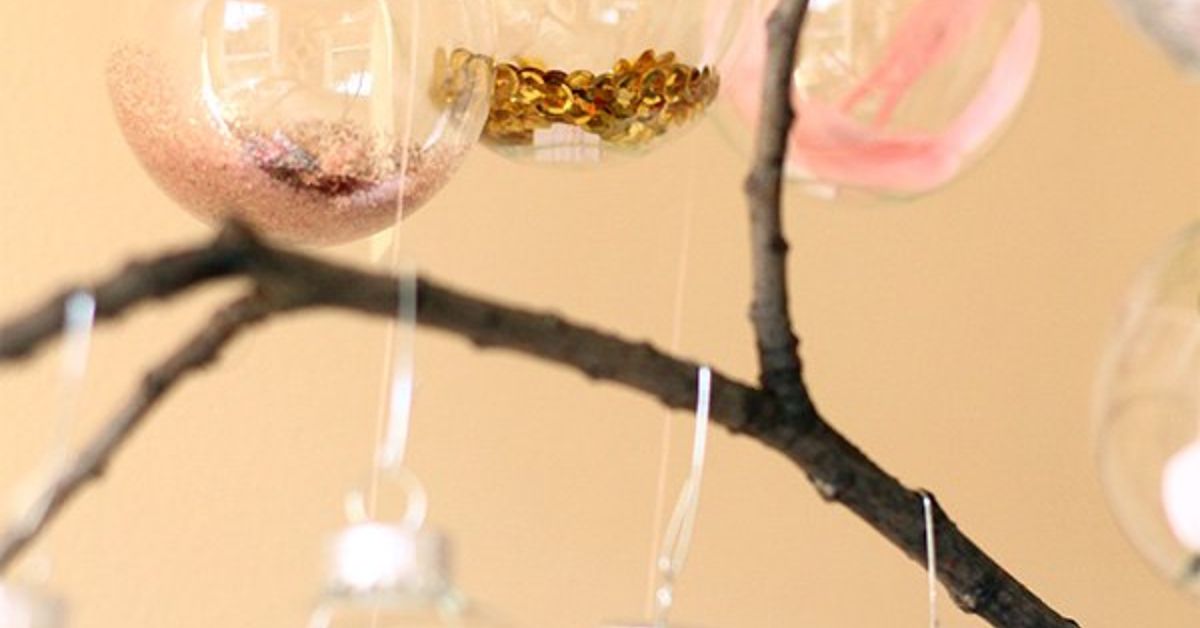
A message in an ornament Advent calendar is a DIY Christmas countdown made with ornaments that hold handwritten notes, printed prompts, tiny activity cards, gratitude slips, jokes, blessings, or little traditions. Depending on the design, you can hang the ornaments on a tabletop tree, clip them to a garland, arrange them in a frame, display them on a branch, or place them in a bowl and reveal one each day.
The beauty of this idea is how naturally it blends two beloved holiday traditions: the Advent countdown and the sentimental power of ornaments. Advent calendars have long been used to count down to Christmas with daily reveals. Ornaments, meanwhile, tend to carry emotional weight. People save them, pass them down, label them by year, and attach memories to them like tiny sparkling time capsules. Put those two traditions together and you get a holiday project that feels creative without being cheesy and meaningful without sounding like a greeting card that had too much eggnog.
In practical terms, each ornament becomes a little messenger. Some families hide notes inside clear fillable ornaments. Others tie rolled-up messages to the outside with ribbon or tuck them into small paper tags. Some use the ornament itself as the reveal, adding one new ornament to the tree each day. That means the tree slowly transforms throughout December, which is both visually charming and emotionally sneaky in the best way. Before you know it, you have created a ritual.
Why This Advent Calendar Idea Feels So Special
There is a reason people return to handmade holiday traditions year after year: they offer a kind of warmth that store-bought convenience rarely matches. A message in an ornament Advent calendar feels special because it invites participation. It is not just something you own. It is something you do.
That difference matters. A prefilled Advent calendar can be fun, but a note-based version creates a little daily pause. It asks everyone to slow down for one small moment and pay attention. The note might spark laughter, gratitude, family time, creativity, or reflection. It can be tiny and still feel substantial. In a month that often turns into a marathon of shopping, wrapping, baking, driving, and pretending you absolutely meant to buy peppermint bark in bulk, that small daily pause is a gift.
Another reason this idea works is flexibility. You can shape it around your household. If your family loves activities, fill the ornaments with Christmas crafts, cookie decorating plans, scavenger hunts, or neighborhood light walks. If you want a more meaningful countdown, add kindness prompts, gratitude messages, short blessings, Bible verses, or reflective questions. If you want pure fun, use jokes, mini dares, trivia, or ridiculous instructions like “Everyone must speak in dramatic Santa voice for five minutes.” No one asked for method acting at the tree, but here we are.
It also scales beautifully. For young kids, keep the messages short and action-based. For teens, include humor, challenges, playlist prompts, or movie picks. For adults, try memory prompts, love notes, family stories, or simple reminders to enjoy the season without turning it into a productivity contest disguised as joy.
How to Make a Message in an Ornament Advent Calendar
Choose Your Ornament Style
Start with the structure. Clear fillable plastic or glass-look ornaments are popular because they make it easy to tuck notes inside. They also look polished without requiring advanced crafting powers. If you prefer a softer, more rustic look, fabric ornaments, felt pockets, wood slices with envelopes, or paper ornaments can work beautifully too.
If your goal is a clean and modern Christmas look, use matching clear ornaments with simple numbered tags. If you want a playful family vibe, mix colors, patterns, ribbon, and handwritten labels. If you are aiming for heirloom charm, choose ornaments you can reuse every year and add dates or names to them. A reusable calendar is ideal because once people get attached to a tradition, they become suspicious of any holiday change. Replace the ritual and someone will act like you canceled Christmas itself.
Decide What Goes Inside
The message is the star of the show. A good mix keeps the countdown feeling fresh. Most families do best with a blend of four types of notes:
Activity prompts: Bake cookies, decorate gingerbread houses, make paper snowflakes, drive around to see lights, read a Christmas story, or hang the next ornament on the tree.
Kindness prompts: Write a thank-you note, compliment someone at home, donate a toy, leave a treat for a neighbor, or call a grandparent.
Memory prompts: Share a favorite Christmas memory, talk about the funniest ornament on the tree, or tell the story behind a family decoration.
Encouraging messages: “You make this season brighter,” “Your laugh is one of my favorite holiday sounds,” or “The best part of Christmas in this house is the people in it.” Yes, it is sweet. No, you do not need to apologize for it.
Number and Display the Ornaments
Number the ornaments from 1 to 24 or 1 to 25, depending on how you observe Advent. You can write directly on the ornament, attach mini number tags, use sticker labels, or tie on small wooden circles. Then choose a display method that fits your space:
- Hang them from a tabletop tree
- Clip them to garland on a mantel
- Arrange them in a shadow box or picture frame
- Hang them from branches in a vase
- Place them on hooks in the shape of a Christmas tree
The display matters because this project doubles as Christmas décor. It should feel like part of the room, not like December homework pinned to a wall.
Best Message Ideas for an Ornament Advent Calendar
If you are staring at 24 blank slips of paper and suddenly forgetting every festive thought you have ever had, welcome to the club. Here are some message directions that actually work:
Messages for Kids
Keep them clear, cheerful, and easy to act on. Try notes like “Build the world’s tiniest snowman,” “Pick tonight’s Christmas movie,” “Make a paper ornament,” “Wear your coziest socks,” or “Draw what Santa’s snack should be this year.”
Messages for Families
These should create shared moments. Use prompts like “Everyone says one thing they love about December,” “Make hot cocoa together,” “Tonight we look at old Christmas photos,” “Choose a toy to donate,” or “Tell the story of your favorite ornament.”
Messages for Couples or Adults
Go for warmth and low pressure. Think “Make cocktails and listen to jazz,” “Leave a note of appreciation,” “Take a walk to see the lights,” “Cook one family recipe,” or “Share a holiday memory you have never told before.”
Messages for a More Meaningful Season
If you want the countdown to feel grounded, include gratitude and reflection prompts. Examples include “Name one thing you are thankful for today,” “What made you feel loved this year?” “Do one quiet act of kindness,” or “Pause for five peaceful minutes by the tree.” These notes do not take up space, but they add depth. That is a great trade.
How to Make It Look Beautiful Without Losing Your Mind
The best holiday projects are the ones that look intentional without requiring a full emotional support team. Keep the design simple. Choose one or two materials you love, repeat them consistently, and let the ornaments do the visual work.
For a classic style, use red, green, gold, and cream with velvet ribbon. For a farmhouse look, choose wood beads, kraft tags, burlap ribbon, and frosted branches. For modern décor, go with white, metallics, glass, and minimal typography. For a kid-friendly version, bring on bright colors, pom-poms, and the joyful chaos of mixed patterns.
Lighting helps, too. A strand of warm fairy lights around the display makes even a very simple setup look magical. It is the decorating equivalent of good posture: small adjustment, big improvement.
You should also make peace with imperfection. Slightly crooked tags, uneven handwriting, or mismatched ribbon do not ruin the project. They make it feel human. And human is exactly what gives a handmade Advent calendar its charm.
Common Mistakes to Avoid
The biggest mistake is overcomplicating the messages. If every note requires a full craft table, a three-hour outing, and a level of parental stamina usually reserved for wilderness expeditions, the calendar will stop being festive and start being suspicious.
Keep most messages easy. Mix larger activities with tiny, low-effort moments. A strong Advent calendar rhythm might include one baking day, one movie night, one neighborhood outing, a few kindness prompts, several conversation starters, and a handful of simple surprises. Variety keeps it interesting. Simplicity keeps it sustainable.
Another mistake is making the display too fragile or too hard to reset. If you plan to reuse the calendar each year, choose durable materials and store the ornaments together after the season ends. Future you will be thrilled. December future you especially deserves kindness.
Finally, do not confuse meaning with seriousness. A meaningful calendar can still be silly. In fact, it probably should be. Holiday traditions stick when they are emotionally warm and genuinely fun, not when they feel like a lesson dressed as tinsel.
Why This Can Become a Long-Term Family Tradition
A message in an ornament Advent calendar has real staying power because it evolves with the people using it. The notes can change each year. The ornaments can be updated, personalized, or expanded. New babies, new homes, new inside jokes, and new traditions can all be folded into the calendar one December at a time.
That is what makes it more than a craft project. It becomes a record of how a family celebrates, what they value, and what they laugh about. One year the notes might be mostly cookie nights and bedtime stories. A few years later they might include gift exchange ideas, family recipes, gratitude prompts, and nostalgic memories. Eventually, the ornaments themselves may feel like keepsakes. The calendar is no longer just counting down to Christmas. It is quietly documenting your version of it.
And honestly, that may be the best part. Long after the wrapping paper is gone and somebody has eaten the “special” chocolate you were saving, those little notes can still linger. Not bad for something that started as paper rolled up inside a bauble.
Experiences That Make This Holiday Idea Even More Memorable
The most memorable part of a message in an ornament Advent calendar is not the craft itself. It is the feeling that grows around it. On day one, it is just a cute idea. On day seven, it becomes part of the daily rhythm. By the time Christmas gets close, people start looking for it without being told. Someone asks whose turn it is. Someone stands by the tree a little longer than usual. Someone laughs at a note that says, “Tonight’s mission: wear the absurd holiday sweater.” Suddenly the calendar is no longer an object. It is part of the house’s personality for the month.
One of the most common experiences people describe with this kind of Advent calendar is how it slows the season down. December has a sneaky habit of rushing by in a blur of errands, online orders, traffic, and wrapping paper that somehow multiplies on the floor like it pays rent there. A daily ornament message interrupts that rush. It creates a tiny ceremony. Even if the note leads to something simple, like making cocoa or sharing one favorite memory, the pause itself becomes meaningful.
Another powerful experience is how naturally the calendar invites conversation. Some notes are practical. Some are funny. But the best ones open doors. A prompt such as “Tell the story of your favorite Christmas” can turn into a twenty-minute conversation at the table. A note that says, “Name one thing you appreciate about someone in this room,” can soften a stressful week faster than another shopping trip ever could. These are small slips of paper doing suspiciously effective emotional work.
There is also something wonderfully visual about watching the display change. If the ornaments move from the calendar to the tree one by one, the tree grows more personal every day. It starts December looking neat and maybe a little too perfect, then slowly becomes layered with activity, memory, and participation. That gradual decorating process feels warmer than doing everything in one marathon afternoon while someone argues over tangled lights and pretends not to be the one who lost the tree topper.
For children, the experience often feels magical because the message is both surprise and invitation. They are not just receiving something. They are entering a moment. For adults, the surprise is different. Many realize the calendar gives them permission to simplify. Not every holiday tradition has to be expensive, elaborate, or photogenic enough to impress the internet. Sometimes the best traditions are the ones that ask very little and give a lot back.
And perhaps that is the lasting experience at the center of this idea: a message in an ornament Advent calendar makes Christmas feel less like a performance and more like a lived season. It reminds people that anticipation can be gentle, décor can be meaningful, and a handwritten note still has real power. That is not flashy. It is better. It is the kind of tradition that quietly earns its place every year, then one day becomes the thing nobody wants to skip.
Conclusion
If you want a Christmas tradition that is festive, flexible, meaningful, and genuinely fun, a message in an ornament Advent calendar is hard to beat. It brings together the beauty of ornaments, the excitement of a daily countdown, and the emotional punch of a simple handwritten note. It can be playful, elegant, reflective, budget-friendly, kid-friendly, or all of the above. Most importantly, it helps turn December into a season of moments instead of just a schedule of tasks.
That is the magic here. Not the ornament. Not even the message. It is what the message creates.













