
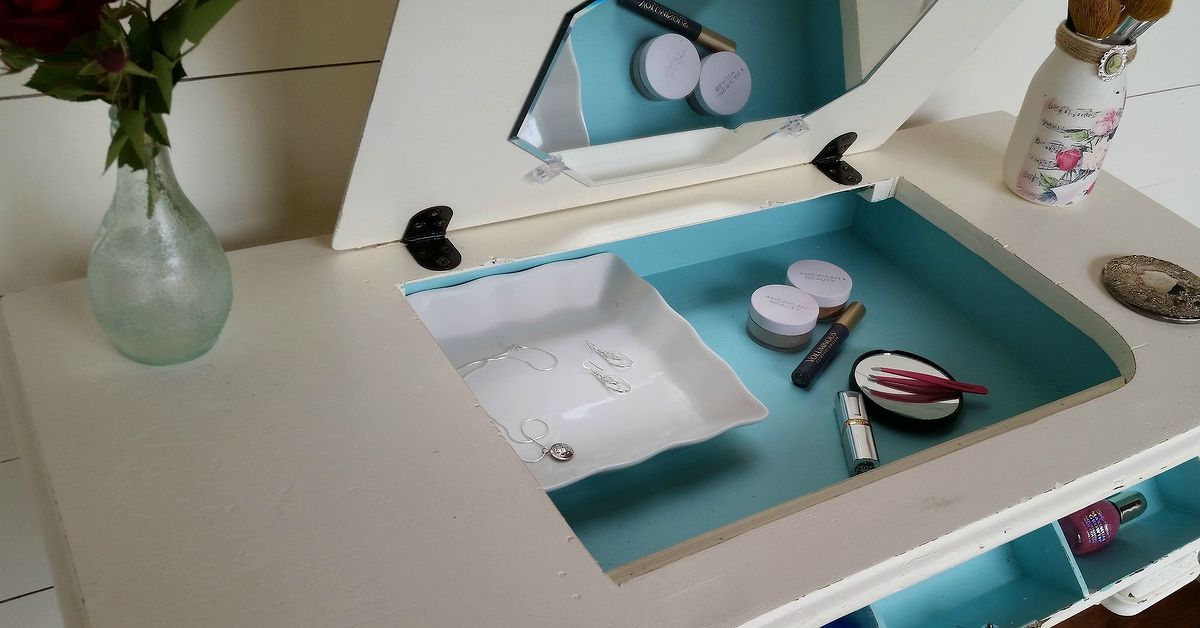
A repurposed Singer sewing machine is what happens when history, home decor, and “I can totally make something out of that” optimism meet in the garage. One day, it is an old treadle machine sitting under a blanket of dust. The next, it is a console table, bathroom vanity, coffee bar, plant stand, entryway statement piece, or desk with enough vintage charm to make a modern flat-pack table feel emotionally underdressed.
There is a reason Singer sewing machines are so popular in the upcycling world. The brand has been around since the 1850s, and many vintage Singer machines were built with ornate cast iron bases, sturdy cabinets, decorative drawers, and beautiful wood tops. Even when the machine itself no longer sews, the structure often remains strong enough to become something useful. In other words, the old Singer does not retire; it changes careers.
This guide explores the best ways to repurpose a Singer sewing machine, how to preserve its character, what to check before starting, and how to turn a forgotten piece into functional decor without accidentally sanding away its soul. Let’s give that vintage beauty a second act.
Why Repurposed Singer Sewing Machines Are So Popular
Vintage Singer sewing machines have a special kind of charm. They are practical, nostalgic, and just dramatic enough to steal attention in a room. The cast iron treadle base often features scrollwork, the Singer name, and elegant wheel details. The wooden cabinets may include small drawers, carved accents, or fold-out work surfaces. Even the wear marks tell a story: fabric rubbed here, hands rested there, somebody probably muttered at a tangled bobbin around 1934.
Repurposing these machines also fits beautifully with modern decorating trends. Farmhouse, industrial, cottagecore, rustic, vintage, eclectic, and even minimalist interiors can all welcome a Singer sewing machine table when it is styled correctly. The contrast between antique iron and clean modern surfaces is especially appealing. A black cast iron base under a wood or marble top can look like it came from an expensive boutique, even if it came from Aunt Linda’s basement.
There is also a sustainability angle. Instead of sending a heavy antique cabinet to the landfill, repurposing gives it new value. The best upcycled furniture pieces are not just “old things with paint on them.” They are useful, personal, and durable. A Singer sewing machine base has already survived decades. With care, it can survive your keys, coffee mugs, houseplants, and the occasional cat who believes every table is a throne.
Before You Repurpose: Identify What You Have
Before grabbing a screwdriver, take a few minutes to identify the machine. Some Singer sewing machines are common and ideal for creative reuse. Others may have collector value, especially if they are rare, unusually old, or in excellent working condition. Look for a serial number, which is often found on a small metal plate or stamped area on the machine body. You can use that number to estimate the model and manufacturing period.
Also check the condition of the decals, cabinet, treadle mechanism, drawers, hardware, and accessories. Original manuals, attachments, oil cans, puzzle boxes, and unusual cabinets may add value. A battered machine with missing parts is a great repurposing candidate. A complete, working machine with beautiful decals may deserve restoration instead of transformation.
Repurpose or Restore?
The decision usually comes down to condition and purpose. If the machine still works and has strong collector appeal, restoration may be the wiser path. If the machine is rusted, incomplete, frozen, or stored in a damaged cabinet, repurposing can be a respectful way to keep it visible and useful. Think of it like this: restoration preserves the original job; repurposing preserves the presence.
When in doubt, avoid irreversible changes until you know more. You can clean, stabilize, and style a Singer sewing machine without cutting the cabinet apart or removing historic details. The golden rule is simple: do not destroy the best part of the piece just to make it match a Pinterest photo.
Best Repurposed Singer Sewing Machine Ideas
The beauty of a repurposed Singer sewing machine is flexibility. The base alone can support a new tabletop, while the cabinet can become a desk, bar, vanity, or storage station. Below are some of the most practical and attractive ideas.
1. Singer Sewing Machine Console Table
A console table is one of the easiest and most stylish transformations. Remove or secure the old machine, clean the treadle base, and add a wood, glass, or stone-look top. Place it in an entryway with a lamp, mirror, small tray, and vase. Suddenly, your hallway has personality instead of just being the place where shoes gather to gossip.
The narrow footprint works well in small spaces. The iron base adds visual interest without feeling bulky. For a warmer look, use a reclaimed wood top. For a cleaner modern look, try a simple rectangular top with smooth edges. A glass top shows off the treadle mechanism and makes the piece feel lighter.
2. Vintage Bathroom Vanity
A Singer sewing machine base can become a memorable bathroom vanity. The cast iron base supports a countertop and vessel sink, creating a blend of antique charm and modern function. This project usually requires plumbing knowledge, so it is best handled carefully or with professional help.
The result can be stunning in a powder room. Because guest bathrooms do not need as much storage as primary bathrooms, a sewing machine vanity can be both practical and decorative. Pair it with a round mirror, simple faucet, and neutral wall color to let the ironwork shine.
3. Repurposed Singer Sewing Machine Desk
If you need a compact writing desk, the Singer cabinet is a strong candidate. Many old cabinets already have a comfortable seated height, built-in drawers, and a surface that can be repaired or replaced. Remove the nonworking machine, close the opening with a fitted board, and you have a small desk with more character than most office furniture.
This works especially well for journaling, laptop work, bill sorting, or a craft corner. Add a chair that fits the era or go modern for contrast. Just make sure the knee space is comfortable. Antique furniture was not always designed for modern laptop posture, because nobody in 1910 was hunched over answering emails from marketing.
4. Coffee Bar or Beverage Station
A repurposed Singer sewing machine cabinet can become a charming coffee bar. Use the top for a coffee maker, mugs, and jars of sugar or tea. The drawers can hold filters, spoons, napkins, and all the tiny things that usually migrate into kitchen chaos.
This idea works beautifully in dining rooms, breakfast nooks, and apartments with limited counter space. The vintage cabinet makes morning coffee feel less like a survival ritual and more like a cozy ceremony. Add a small framed sign, a tray, and warm lighting if you enjoy styling. Add caffeine if you enjoy functioning.
5. Plant Stand or Indoor Garden Table
The cast iron base of a Singer sewing machine makes a sturdy plant stand. Add a sealed wood top and arrange potted plants, trailing vines, or herbs. The height is ideal for displaying greenery near a window. The iron base gives the setup structure, while the plants soften the look.
For outdoor use, choose finishes carefully. Cast iron can rust, and wood can warp if it is not protected. A covered porch is better than direct rain. If the piece will live outside, use weather-appropriate sealers and check it regularly. Vintage charm is wonderful; tetanus-chic is not the goal.
6. Kitchen Island or Prep Table
Some larger sewing machine bases can support a butcher-block style top and become a small kitchen island. This works best when the base is stable and the top is properly secured. It can provide extra prep space in a small kitchen, especially when paired with baskets or hooks for light storage.
Because kitchen surfaces need to be food-safe and easy to clean, choose the top carefully. A sealed wood surface can be beautiful, but it must be maintained. Stone, stainless, or durable laminate may be easier depending on how you cook. If your cooking style involves flour clouds and aggressive chopping, plan accordingly.
How to Clean and Prepare a Singer Sewing Machine for Repurposing
Cleaning is the difference between “beautiful antique” and “object found behind a haunted barn.” Start gently. Use a soft cloth, mild soap, and warm water on small areas, drying as you go. Avoid harsh chemicals on decals, painted surfaces, and old finishes. Many vintage Singer machines have delicate decorative details that can be damaged by aggressive scrubbing.
For the cast iron base, remove loose dirt with a brush and wipe it clean. Light rust can often be reduced with careful hand work, but do not rush. If the original black finish and lettering are still attractive, preserve them instead of stripping everything. A little wear can look authentic. Too much “makeover energy” can turn a historic piece into a generic black table base with regrets.
Wood Cabinet Care
Old Singer cabinets may have dry wood, scratches, water rings, missing veneer, or sticky finishes. Clean first, then decide whether to refresh, repair, paint, or refinish. If the wood has attractive grain and the damage is minor, a careful cleaning and polish may be enough. If the veneer is badly damaged, you may need a more involved repair.
Painting can be a good choice for cabinets that are already rough, but it should not be the automatic answer. Some cabinets have beautiful original wood that only needs attention. Before painting, ask yourself: “Am I improving this, or am I covering up the reason it was special?” That question has saved many antiques from becoming chalk-paint casualties.
Design Tips for a Beautiful Repurposed Singer Sewing Machine
The most successful repurposed Singer sewing machine projects balance old and new. Keep the parts that make the piece recognizable: the iron base, treadle wheel, drawers, hardware, or cabinet shape. Then add modern function through the tabletop, finish, lighting, or styling.
Choose the Right Top
A wood top feels warm and traditional. A glass top feels lighter and shows off the base. A stone or marble-look top feels elegant and works well for vanities. A butcher-block top adds function for kitchens and craft rooms. The top should match both the use and the base size. Too small, and the piece looks nervous. Too large, and it looks like the table is wearing a hat from another table.
Preserve the Singer Identity
If the Singer name is visible on the base or machine, make it part of the design. Do not hide the branding against a wall if it can be displayed. The name gives context, especially for visitors who may not immediately recognize the piece. The lettering, wheel, and treadle are the jewelry of the project.
Style Around the Piece, Not Against It
A repurposed Singer sewing machine already has strong visual character. Keep accessories simple. One lamp, one plant, one tray, or a few books may be enough. In a room full of modern furniture, it can serve as the vintage anchor. In a room full of antiques, it can add function without disrupting the mood.
Common Mistakes to Avoid
The first mistake is assuming every old Singer is worthless. Many are common, but some are collectible. Always identify the machine before making irreversible changes. The second mistake is over-restoring. Sanding, stripping, spraying, and replacing everything can erase the charm that made the piece worth saving.
The third mistake is ignoring stability. Cast iron bases are heavy, but the new top must still be securely attached and balanced. A wobbly table is not “rustic.” It is a future crash with decorative confidence. The fourth mistake is placing unprotected wood in damp areas. If you turn a Singer base into a vanity or plant stand, moisture protection matters.
Finally, avoid trend-chasing. A repurposed Singer sewing machine should look like it belongs in your home, not like it is auditioning for a craft show booth from 2017. Choose finishes and uses that fit your space and lifestyle.
Is a Repurposed Singer Sewing Machine Valuable?
Value depends on the machine, condition, completeness, and quality of the repurposing. A rare, working Singer may be worth more as a sewing machine than as a table. A damaged common treadle base may gain value when turned into a tasteful console or vanity. In many cases, the emotional and decorative value is higher than the resale value.
If you plan to sell a repurposed piece, craftsmanship matters. Buyers look for stability, clean finishes, useful dimensions, and a design that fits modern homes. A well-made Singer console table can attract people who love vintage furniture but do not want to do the dusty work themselves. Basically, you are selling both the object and the fact that they do not have to wrestle it in a garage.
Where to Use a Repurposed Singer Sewing Machine in the Home
In an entryway, it becomes a place for keys, mail, and seasonal decor. In a living room, it can work as a sofa table or plant stand. In a bathroom, it can become a vanity. In a kitchen, it can serve as a coffee bar or small island. In a bedroom, it can become a vanity desk or nightstand. In a craft room, it can return to its creative roots, even if it now holds scissors, thread, and a suspicious number of glue sticks.
The best location is one where the piece can be seen and used. Do not hide it in a corner unless the corner deserves a glow-up. These machines were made to work, and even after repurposing, they look happiest when they have a job.
Experience Notes: What Repurposing a Singer Sewing Machine Really Teaches You
Working with a repurposed Singer sewing machine teaches patience immediately. These pieces are heavy, awkward, and full of tiny surprises. A screw may refuse to move. A drawer may stick. A hinge may look fine until it suddenly decides it has been retired since the Eisenhower administration. The first real lesson is that old furniture does not care about your schedule.
The second lesson is that cleaning changes everything. At first glance, an old Singer cabinet may look hopeless. Dust, rust, dull wood, and cobwebs can make it seem like a lost cause. But after a gentle cleaning, the details begin to appear. The iron scrollwork looks sharper. The wood grain warms up. The drawers slide better. Even the scratches start to feel less like damage and more like biography.
One of the most satisfying experiences is deciding what not to change. Beginners often want to repaint, replace, and reinvent everything. But the strongest projects usually keep the original personality. A worn edge on the tabletop may be worth saving. A faded Singer logo may be more interesting than a perfect new finish. A drawer with a slightly mismatched pull may tell the story of a repair made long ago. Perfection is not always the point; character is.
Another practical experience is learning that measurements matter more than enthusiasm. Before adding a new top, measure the base carefully. Check height, width, depth, and balance. Think about where the finished piece will live. A console table for a hallway should not block traffic. A desk should allow legroom. A vanity should match plumbing requirements. A plant stand should handle weight and water. Creative energy is wonderful, but a tape measure is the adult in the room.
There is also a surprisingly emotional side to the project. Many Singer sewing machines belonged to mothers, grandmothers, tailors, quilters, or people who made clothing because buying new was not always possible. Repurposing one can feel like keeping a family story in daily life. Instead of storing the machine in an attic, you see it every morning holding coffee mugs or greeting guests near the door. That visibility matters.
The best advice from hands-on experience is to start with respect. Respect the weight of the iron. Respect the age of the wood. Respect the possibility that the machine may have value. Respect your own skill level, too. Simple projects such as cleaning, styling, or adding a removable top are great starting points. More complex projects, especially vanities or structural modifications, may require help from someone experienced.
In the end, a repurposed Singer sewing machine is not just a DIY project. It is a conversation piece, a functional antique, and a small rebellion against disposable furniture. It proves that old objects can still earn their place in modern homes. And honestly, any table that has survived a century and still looks elegant deserves a little applause.
Conclusion: Give the Old Singer a Beautiful Second Life
A repurposed Singer sewing machine brings history into the home without turning the room into a museum. Whether you transform it into a console table, desk, vanity, coffee bar, or plant stand, the goal is the same: preserve the charm while adding practical use. Start by identifying the machine, clean it gently, protect the original details when possible, and choose a design that fits your space.
The best repurposing projects do not erase the past. They invite it to sit down, hold a lamp, support a sink, display a fern, or make your morning coffee station look wildly more sophisticated than your actual caffeine dependency. With patience and good taste, an old Singer sewing machine can become one of the most memorable pieces in your home.













