
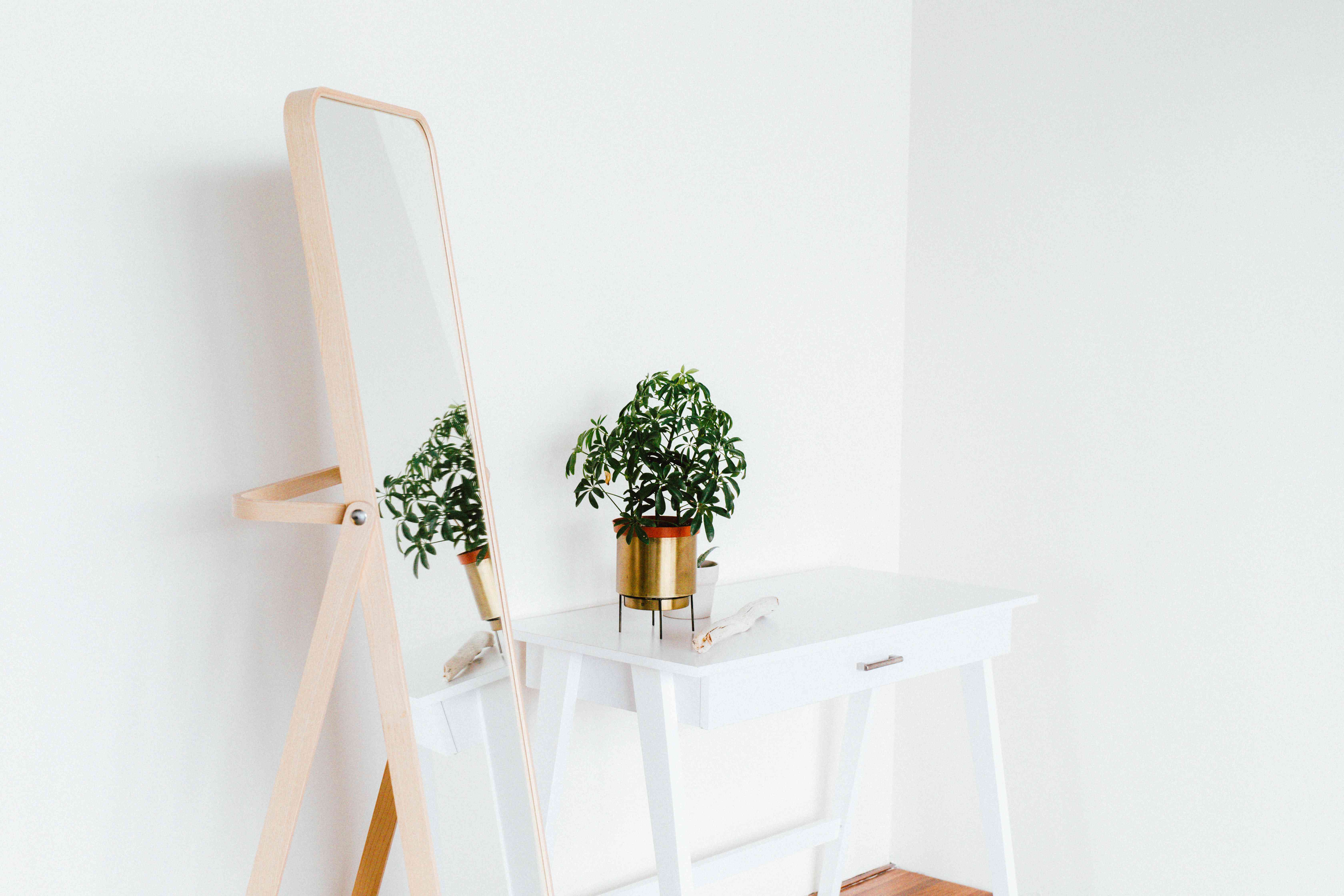
Mirrors are the Swiss Army knives of home decor: they bounce light, fake extra square footage, and let you confirm you didn’t leave the house wearing two different shoes (again). In feng shui, though, mirrors aren’t just “glass on a wall.” They’re considered powerful energy toolsreflecting, expanding, and sometimes “redirecting” the flow of qi (life-force energy). So when a mirror faces a door, especially the front door, people naturally ask: Is this a feng shui felony… or just a design choice?
The real answer is wonderfully feng shui: it depends. Different schools of feng shui read mirrors differently, and your home’s layout matters a lot. The good news? You don’t have to panic, sage the hallway, and apologize to your ancestors. You just need to understand what the mirror is doing in your spaceand what it’s reflecting back at you.
Why Doors and Mirrors Are a Big Deal in Feng Shui
In feng shui, doors are “mouths” and “portals”the places where qi enters and circulates through your home. The front door is often treated as the main gateway for opportunities, support, and general good vibes. Mirrors, meanwhile, are seen as energetic amplifiers: they can expand what’s present, reflect what’s coming in, and activate areas that feel stuck or dark.
Put those together and you can see why the mirror-facing-door question gets dramatic. A mirror can act like a “bounce-back” or a “welcome sign,” depending on the placement, angle, and the feng shui lens you’re using.
The Classic Rule: Avoid a Mirror Directly Opposite the Front Door
In many traditional or classical approaches, a mirror placed directly across from the front door is discouraged because it may symbolically reflect incoming qi right back outlike the universe knocked, and the mirror said, “Nope, we’re not accepting deliveries today.”
What people worry about (and why)
- Energy “bouncing out”: The entry is where qi arrives. A straight-on mirror can feel like it’s sending that energy back outside.
- A too-fast “straight line”: Feng shui often aims for qi to meander gently, not sprint like it’s late for a meeting.
- Startle factor: On a practical level, seeing your own reflection the second you walk in can be jarringespecially at night. (Surprise: it’s you!)
If you follow a more classical frameworkor you simply feel unsettled by the placementthen yes, a mirror directly facing the front entrance is usually considered “not ideal.”
So… Is It Ever OK? YesHere Are the Most Common Exceptions
Feng shui is a living practice, not a rigid punishment system. There are cases where a mirror facing a door can be acceptableor at least workableespecially when you consider modern floor plans and smaller homes.
1) You follow a school that views the mirror as inviting qi
Some practitioners (notably in BTB/Black Hat approaches) may view a mirror in the entry as expanding the space energeticallyhelping qi enter and spread rather than ricochet out. In that view, a mirror can “pull in” beneficial energy, particularly if it reflects something uplifting.
2) The mirror is not perfectly aligned (angle matters)
Feng shui is very geometry-friendly. A mirror that is slightly off-center or angled so it doesn’t directly “shoot” back at the door is often treated differently than a mirror that is perfectly parallel and directly opposite. Think of it like a flashlight beam: a tiny angle change can redirect everything.
3) The mirror reflects something you want more of
One of the most practical mirror principles is: a mirror doubles whatever it reflects. So if your mirror reflects clutter, chaos, or a sad pile of unopened mail… congratulations, you’ve created an energetic photocopier. But if it reflects light, greenery, beautiful art, or a calm, welcoming scene, it can support a more positive feel.
4) You’re correcting a “command position” problem
Feng shui often recommends being able to see the door from important spots like your desk or bed (without being directly in line with it). If the architecture won’t cooperate, a mirror can sometimes serve as a workaround so you can see the entrance in reflectionsupporting a sense of safety and awareness.
If You Can’t Move the Mirror, Use These Feng Shui Fixes
Sometimes the entryway has exactly one wall that makes sense. Or the mirror is built-in. Or your partner says, “This mirror stays,” with the same energy people reserve for family heirlooms and Wi-Fi passwords. If the mirror must face a door, try these practical adjustments.
Angle it (the simplest remedy)
If the mirror is directly opposite the door, rotate or tilt it slightly so it doesn’t reflect the door head-on. Even a small shift can reduce the “bounce-back” symbolism and soften the energy flow.
Interrupt the straight line
Add something between the door and mirror to slow the energetic “ping-pong” effect:
- A console table (bonus: landing zone for keys)
- A plant (softens and “lifts” qi)
- A runner rug (guides flow inward)
- Warm lighting (helps the entry feel welcoming rather than harsh)
Make sure it reflects something “friendly”
Stand at the door and look at what the mirror shows you. If it’s a coat explosion, a laundry basket, or a sharp corner pointing at your souledit the reflection. Declutter, add art, or reposition elements so the mirror “duplicates” something you actually like.
Use a symbolic “softener”
If your mirror feels too intense, try softening the area with rounded shapes, calming colors, or gentle décor. Feng shui often favors curves in high-traffic areas because they feel less aggressive than sharp angles.
What About Mirrors Facing Interior Doors?
Mirrors facing interior doors are usually less controversial than mirrors facing the front doorbut they can still matter depending on what that door represents.
Bedroom door
If a mirror facing the bedroom door also reflects the bed, some feng shui perspectives consider that too stimulating for rest. If you wake up and see movement or reflections, it can feel unsettling (even if you’re just seeing your own sleep hair in the mirror like a startled raccoon).
If you love having a mirror in the bedroom, consider placing it so it doesn’t reflect the bed directly, or use a closet door mirror that can be closed or covered at night.
Bathroom door
Bathrooms are sometimes associated with draining energy (because, well… water goes down). Some people prefer not to have mirrors emphasizing the bathroom area. If a mirror directly faces a bathroom door and visually “pulls attention” there, you can soften it with a plant, artwork, or by keeping the bathroom door closed.
Closet or storage door
Generally less of a big dealunless the mirror reflects clutter inside the closet. If you open the closet and the mirror doubles your chaos, it’s not “bad luck,” it’s just bad staging.
Entryway Mirror Placement That Usually Works Great
Want the benefits of a mirror without the “mirror-versus-door cage match”? These placements are popular because they support function and tend to align with common feng shui guidance:
- Perpendicular to the front door: On a side wall, so it catches light and expands space without directly reflecting the entrance.
- Near the entry but not opposite: You still get the “last look” convenience without a head-on reflection.
- Reflecting something beautiful: A window with greenery, a calm piece of art, or a bright, tidy hallway.
- In a narrow entry: A well-placed mirror can reduce the “tunnel” feelingjust avoid putting it at the very end of a long hallway where it can feel like a hard stop.
A Quick “Mirror Facing Door” Checklist
Use this as your reality-based feng shui test. If you can say “yes” to most of these, you’re probably fine:
- ✅ The mirror is not directly aligned with the front door, or it’s slightly angled.
- ✅ The mirror reflects something pleasant (light, art, greenery), not clutter.
- ✅ The entry feels welcoming, not startling.
- ✅ The mirror is in good shape (no cracks, chips, or distortion).
- ✅ You don’t feel anxious every time you see it (your nervous system gets a vote).
FAQ: Fast Answers (Because Sometimes You Just Want a Yes/No)
Is it always bad feng shui to have a mirror facing the front door?
Not always. Many traditional approaches discourage a direct, straight-on mirror opposite the front door, but other schools may be more flexibleespecially if the mirror expands a cramped entry or reflects uplifting imagery.
What if my mirror is on the back of the front door?
This is often debated. Some people feel it can “block” or disrupt incoming qi; others treat it as a practical non-issue. If you notice the entry feels cramped or off, try relocating it to a side wall or using a standing mirror nearby.
What’s the best feng shui cure if I can’t change it?
Angle the mirror, improve what it reflects, and add a softening element (plant, rug, warm lighting) to keep the entry’s energy from feeling too sharp or fast.
Conclusion: The Mirror Isn’t “Bad”The Placement Is the Message
Feng shui rarely says “never” without context. A mirror facing a door can be problematic when it creates a harsh, straight-line reflection that feels like it’s pushing energy away. But it can also be workableespecially when it’s slightly angled, reflects something positive, and supports how you actually live in your space.
The simplest takeaway is this: your mirror should help energy enter and settle, not bounce and bolt. If your entry feels brighter, calmer, and more welcoming with the mirror where it is, that’s meaningful. Feng shui isn’t about fearit’s about alignment. And sometimes alignment looks like… moving the shoe pile so your mirror stops duplicating it.
Bonus: Real-World Experiences With Mirrors Facing Doors (About )
People love to ask about feng shui rules, but the truth is, most of us learn by living in our homes and noticing how spaces make us feel. Here are a few common “mirror facing door” experiences that show why the answer is so often “it depends.”
Experience #1: The Tiny Apartment Entry That Felt Like a Closet
In a small apartment, the front door sometimes opens into a sliver of hallway with zero natural light. One homeowner hung a mirror directly across from the door because it was the only spot that made the space feel less like a cardboard box. The result? The entry looked bigger, brighter, and more functional. But emotionally, walking in at night felt a little jumpylike someone was standing there waiting (spoiler: it was them). The fix wasn’t a full remodel. They angled the mirror slightly and added a warm lamp on a console table. Same spacious effect, less “haunted hallway” energy.
Experience #2: The Mirror That Reflected the “Doom Corner”
Another common story: the mirror didn’t create bad luckit exposed bad habits. A mirror facing the door reflected a clutter corner: shoes, bags, mail, and that one jacket that’s basically a roommate at this point. The homeowner started feeling tense every time they walked in. In feng shui terms, the mirror was doubling the mess. In real-life terms, it was doubling the guilt. Once they added closed storage, a tray for keys, and a simple piece of art, the whole vibe shifted. Same mirror. Different message.
Experience #3: The “Command Position” Work-From-Home Hack
During the work-from-home era, lots of people ended up with desks facing a wall and their backs to the door. A small mirror placed so they could see the door in reflection made them feel noticeably more relaxedless startled, less on edge, more focused. This is one of those moments where feng shui and psychology shake hands. Feeling secure and aware can reduce background stress. The mirror wasn’t about vanity; it was about nervous-system comfort.
Experience #4: The Couple Who Couldn’t Agree (So They Tested It)
Sometimes the biggest energy “issue” isn’t the mirrorit’s the argument about the mirror. One partner believed a front-door-facing mirror was a deal-breaker; the other loved it for outfit checks. They made it an experiment: one week with the mirror covered, one week uncovered, and they tracked how the entry felt. The surprising result? The uncovered mirror was fine once they improved lighting and removed visual clutter. The lesson: if a placement makes you anxious, that anxiety becomes part of the home’s energy. Practical fixes plus a little compromise often beat rigid rules.
In the end, your home is not a pop quiz. It’s a living environment. If you approach feng shui as a tool for awarenesslight, flow, comfort, functionyou’ll usually land on a mirror placement that looks good and feels good.














