
The oil light is one of those dashboard warnings that can instantly turn a peaceful drive into a tiny emotional weather event. One minute you are cruising along, thinking about dinner, errands, or the song you absolutely nailed at a red light. The next minute, a little red oil-can symbol appears, and suddenly your engine has your full attention.
Good. It should.
When your car’s oil light goes on, it may mean your engine oil level is dangerously low, your oil pressure has dropped, the oil pump is not circulating oil correctly, the oil filter is clogged, or the oil pressure sensor is giving a warning. In simple terms, your engine may not be getting the lubrication it needs to survive. Engine oil reduces friction, carries heat away from moving parts, helps trap contaminants, and keeps internal components from grinding themselves into very expensive confetti.
This guide explains three smart ways to respond when your car’s oil light comes on: stop safely, check the oil properly, and decide whether to top off, tow, or call a mechanic. We will also cover what the oil light means, what not to do, and how to prevent the problem from sneaking up on you again. Because when it comes to engine oil, the best surprise is no surprise at all.
First, Know Which Oil Light You Are Seeing
Before you panic, it helps to understand that not every oil-related dashboard message means the same thing. Many vehicles have more than one oil warning or maintenance reminder. The most urgent one is usually the red oil pressure warning light, often shaped like an old-fashioned oil can with a drop coming from the spout. That light is not a polite suggestion. It is more like your engine clearing its throat through a megaphone.
A yellow or amber oil change reminder is different. It usually means your car is due for routine maintenance soon, based on mileage, time, driving habits, or an oil-life monitoring system. You should schedule service, but it is typically not the same emergency as a red oil pressure warning. Still, always check your owner’s manual because dashboard symbols vary by make and model.
The key rule is simple: if the oil pressure light is red, flashing, or accompanied by engine noise, overheating, burning smells, smoke, or loss of power, treat it as urgent. Continuing to drive with low oil pressure can cause severe engine damage quickly.
Way 1: Pull Over Safely and Shut Off the Engine
The first response when your car’s oil light goes on is to stop driving as soon as it is safe. Do not slam on the brakes in the middle of traffic, do not make a dramatic movie-style shoulder dive, and do not try to “just make it home” because home is only six miles away. Six miles can be a very long distance for an engine that is not receiving proper oil pressure.
What to Do Immediately
Turn on your hazard lights, reduce speed smoothly, and move to a safe location such as a parking lot, gas station, wide shoulder, or service area. Once parked safely, shift into park, set the parking brake, and turn off the engine. This matters because the oil pump works while the engine is running. If oil pressure is low, every extra minute of operation can increase wear on bearings, camshafts, pistons, and other internal parts.
Think of oil as the engine’s protective cushion. Without enough pressure, metal parts can touch metal parts. That is not a relationship anyone wants to encourage.
Listen and Smell Before Opening the Hood
After shutting off the vehicle, take a moment to observe. Did you hear knocking, clattering, ticking, or grinding before you stopped? Do you smell burning oil? Is there smoke from the engine bay or exhaust? Is the temperature gauge also high? These clues help determine how serious the situation may be.
If you hear loud knocking or the engine overheated, do not restart the car to “test it.” That test can turn a repairable issue into a replacement-engine situation. Call roadside assistance or a tow service instead.
Common Mistake: Ignoring the Light Because the Car Feels Fine
One tricky thing about low oil pressure is that the car may feel normal at first. The steering still works, the radio still plays, and your cup holder remains emotionally supportive. But inside the engine, damage can begin before you notice symptoms. A red oil light is one of the few dashboard warnings that deserves immediate action, even if the vehicle seems to drive normally.
Way 2: Check the Oil Level Correctly
Once the car is safely stopped and the engine is off, the next step is to check the oil level if your vehicle has a dipstick and conditions are safe. Some newer vehicles do not have a traditional dipstick and instead use electronic oil-level monitoring. If that is your car, check the owner’s manual for the proper procedure.
How to Check Engine Oil With a Dipstick
Park on level ground and wait a few minutes so oil can drain back into the oil pan. Open the hood and locate the dipstick, which is often marked with a bright handle. Pull it out, wipe it clean with a paper towel or rag, insert it fully again, and then pull it out once more to read the level.
The oil mark should be between the minimum and maximum indicators, or between the two holes, lines, or crosshatched areas on the dipstick. If the oil is below the minimum mark or barely visible, the engine may be low enough to trigger the oil warning light.
Check the Oil Condition, Too
Oil level is only part of the story. Look at the oil’s condition. Healthy used oil is usually amber to brown or dark brown, depending on age. Oil that looks milky may indicate coolant contamination. Oil that feels gritty, sludgy, or unusually thick may not be circulating properly. Oil with a strong fuel smell can suggest fuel dilution. Any of these signs deserves professional attention.
Also inspect the ground under the vehicle. Fresh oil leaks may appear as brown or black puddles. Check around the oil filter, drain plug area, and under the engine if you can do so safely. A loose oil filter, damaged gasket, oil pan leak, worn seal, or recent oil-change mistake can lead to low oil level or low pressure.
What If the Dipstick Shows Normal Oil Level?
If the oil level is normal but the red oil pressure light remains on, do not assume everything is fine. The problem may be a failing oil pump, clogged oil pickup screen, blocked oil filter, internal engine wear, incorrect oil viscosity, sludge buildup, or a bad oil pressure sensor. A faulty sensor is possible, but you should not gamble your engine on that hope. When the light stays on with a normal oil level, professional diagnosis is the safest move.
Way 3: Top Off Carefully, Then Decide Whether to Drive or Tow
If the oil level is low and you have the correct oil available, you may be able to add oil. The phrase “correct oil” is important. Your vehicle’s owner’s manual lists the recommended oil viscosity, such as 0W-20, 5W-30, or another grade. Using the wrong viscosity can affect oil pressure, especially in modern engines with variable valve timing and tight internal tolerances.
How to Add Oil Without Making Things Worse
Remove the oil filler cap on top of the engine, place a funnel in the opening, and add a small amount of oil at a time. Wait briefly, then recheck the dipstick. Do not overfill the engine. Too much oil can foam, increase pressure problems, and cause leaks or internal damage. Your goal is to bring the level into the safe range, not to create an oil fountain with pistons.
After adding oil, replace the cap securely and wipe away spills. If the oil level is now correct, start the engine briefly and watch the dashboard. If the oil light turns off within a second or two and the engine sounds normal, you may be able to drive cautiously to a nearby repair shop or home, depending on your situation. But keep the trip short and watch the light closely.
When You Should Not Drive
Do not continue driving if the oil light stays on after adding oil, comes back on after a short distance, flashes, or appears with knocking, ticking, overheating, smoke, or a burning smell. In those cases, shut the engine off and arrange a tow. Yes, towing feels annoying. But compared with replacing an engine, it is the bargain bin of bad news.
Also avoid driving if oil is pouring out, the dipstick shows no oil, or the vehicle recently had an oil change and the light appeared right after service. A missing drain plug, double-gasketed oil filter, loose filter, or incorrect oil amount can cause rapid oil loss. That situation needs immediate inspection.
What Causes the Oil Light to Come On?
The oil light can appear for several reasons. Some are simple, while others are serious. Understanding the most common causes helps you explain the problem clearly to a mechanic.
Low Oil Level
This is one of the most common causes. Engines may lose oil through leaks, burn oil internally, or consume more oil as they age. If you frequently need to top off between oil changes, your engine may have a leak, worn piston rings, valve seal issues, or another problem.
Bad Oil Pump
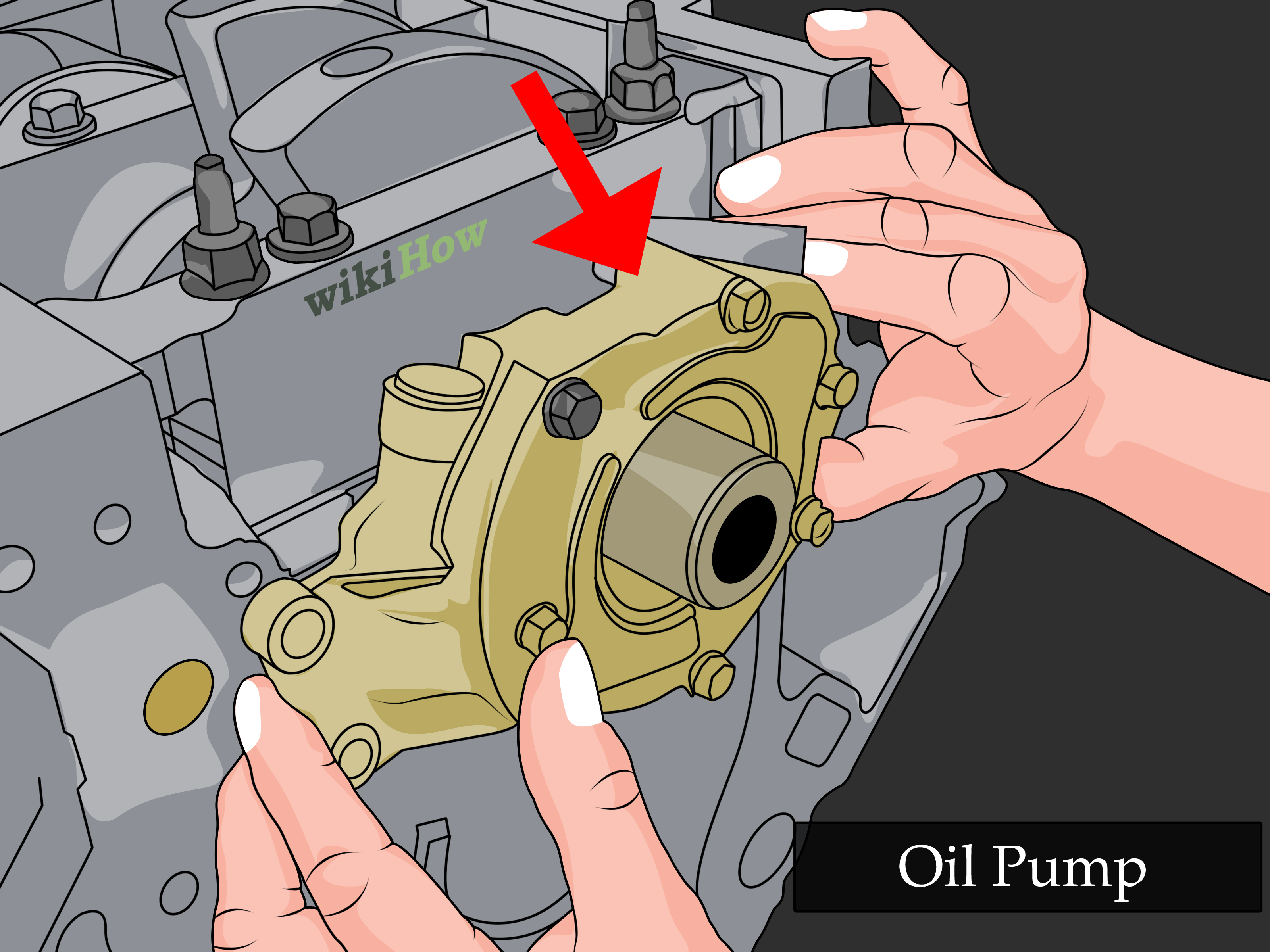
The oil pump circulates oil through the engine. If it fails or weakens, oil pressure can drop even when the oil level is full. This is a serious issue and usually requires professional repair.
Clogged Oil Filter or Sludge
Oil filters trap contaminants. If the filter becomes clogged or oil turns sludgy from neglected maintenance, oil may not flow properly. Sludge can also block narrow passages inside the engine. Regular oil and filter changes help prevent this.
Incorrect Oil Viscosity
Using oil that is too thick or too thin for the engine can affect pressure and flow. Modern engines are designed around specific oil grades, so always follow the owner’s manual rather than Uncle Gary’s universal theory that “thicker is always better.” Uncle Gary may mean well. Your engine disagrees.
Faulty Oil Pressure Sensor
Sometimes the sensor or wiring is the problem. However, you should only reach that conclusion after checking oil level and having the system diagnosed. A false warning is possible; ignoring a real warning is expensive.
Oil Pressure Light vs. Oil Change Light
Many drivers confuse the oil pressure light with the oil change reminder. The difference matters.
The oil pressure light usually requires immediate attention. It suggests that the engine may not be receiving adequate lubrication. The oil change light or maintenance required message usually means the vehicle is due for routine service. It may be based on mileage, time, driving conditions, or an oil-life monitor.
If your oil change light comes on, schedule service soon. If your red oil pressure light comes on, pull over safely and shut off the engine. One is a calendar reminder. The other is your engine waving a red flag while standing next to a cash register.
What Not to Do When the Oil Light Comes On
Do not keep driving just because you are close to your destination. Do not rev the engine to “see if the light goes away.” Do not add random oil without checking the required viscosity. Do not overfill the crankcase. Do not ignore engine noises. Do not assume the problem is only a sensor. And please, do not cover the warning light with a sticky note and call it fixed. That is not maintenance; that is interior decorating with consequences.
The safest pattern is always the same: stop safely, shut off the engine, check the oil if possible, add the correct oil only if needed, and get help if the light remains on.
How to Prevent the Oil Light From Coming On Again
Prevention is less dramatic than roadside troubleshooting, which is exactly why it is better. Check your oil level regularly, especially before long trips. Many experts recommend checking at least monthly, and some drivers should check more often if their vehicle is older, high-mileage, turbocharged, used for towing, or known to consume oil.
Follow the manufacturer’s oil change interval and use the specified oil type. Replace the oil filter at the same time. Watch for oil spots where you park. Pay attention to burning smells, blue exhaust smoke, rough engine sounds, or repeated low-oil warnings. Keep a quart of the correct oil in your trunk along with a funnel, gloves, paper towels, and a small flashlight. That little kit can turn a stressful moment into a manageable one.
Real-World Experiences: What Drivers Learn the Hard Way
Many drivers first learn about the oil light during an ordinary day. The setting is never glamorous. It happens on the way to work, in a grocery store parking lot, during a family road trip, or five minutes after proudly announcing, “This car has been totally reliable.” Cars have a sense of timing. Not a good one, but definitely a sense.
One common experience is the “quick errand” scenario. A driver sees the red oil light flicker at idle while waiting at a stoplight. It disappears when the car accelerates, so the driver assumes it was a glitch. A few days later, the light stays on longer. Then a faint ticking sound appears. By the time the car reaches a shop, the oil level is very low. The lesson is simple: a flickering oil pressure light is still a warning. It may appear at idle first because oil pressure is naturally lower at low engine speed. That does not mean it is harmless.
Another familiar story happens after an oil change. The driver leaves a service center and notices an oil smell or a dashboard light. Sometimes the cause is simple, such as spilled oil burning off the engine surface. Other times, it may be more serious: a loose filter, damaged gasket, incorrect oil level, or drain plug issue. The best response is not embarrassment or blame. It is to stop safely, check the oil level, inspect for leaks, and contact the shop immediately. A reputable service provider will want to inspect the vehicle right away.
High-mileage vehicles bring their own lessons. An older engine may burn oil without leaving puddles. The driveway looks clean, but the dipstick keeps dropping. The exhaust may show a bluish tint, especially on startup or acceleration. In this case, topping off oil may keep the vehicle running temporarily, but it does not solve the underlying issue. Drivers of older cars often learn to check oil more frequently, keep spare oil nearby, and track consumption. If one quart disappears every few hundred miles, the engine is not being mysterious; it is asking for diagnosis.
Road trips create another memorable classroom. Imagine climbing a long hill in summer with luggage, passengers, and the air conditioning working hard. Heat, load, and extended driving can expose weaknesses in oil level, viscosity, cooling, or engine condition. If the oil light appears during a trip, the safest choice is to pull over, shut off the engine, and investigate before continuing. A delay at a service station is inconvenient. A seized engine three states from home is a vacation story no one wants to tell twice.
Many drivers also learn that the owner’s manual is not just a book designed to live peacefully in the glove box until the end of time. It tells you the correct oil grade, oil capacity, dashboard symbol meanings, and checking procedure. Reading those few pages before a problem happens can save stress later. It is not thrilling literature, but neither is a repair invoice.
The biggest experience-based lesson is this: the oil light rewards calm, fast action. The driver who pulls over, shuts off the engine, checks the level, and calls for help if needed usually has a better outcome than the driver who bargains with the dashboard. Cars are machines, not negotiators. When the oil light comes on, your response should be practical, boring, and immediate. Boring is beautiful when your engine is still alive.
Conclusion
When your car’s oil light goes on, do not treat it like background decoration. A red oil pressure warning can signal a serious lubrication problem that may damage the engine quickly. The three best responses are straightforward: pull over safely and shut off the engine, check the oil level correctly, and decide whether to top off carefully or call for a tow. If the light stays on, comes back, or appears with strange noises, smoke, overheating, or burning smells, do not drive.
Engine oil is cheap compared with engine repair. A few minutes of caution can save thousands of dollars, protect your vehicle, and keep a stressful dashboard moment from becoming a financial jump scare. Respect the oil light, keep up with maintenance, and your engine is far more likely to return the favor.













