
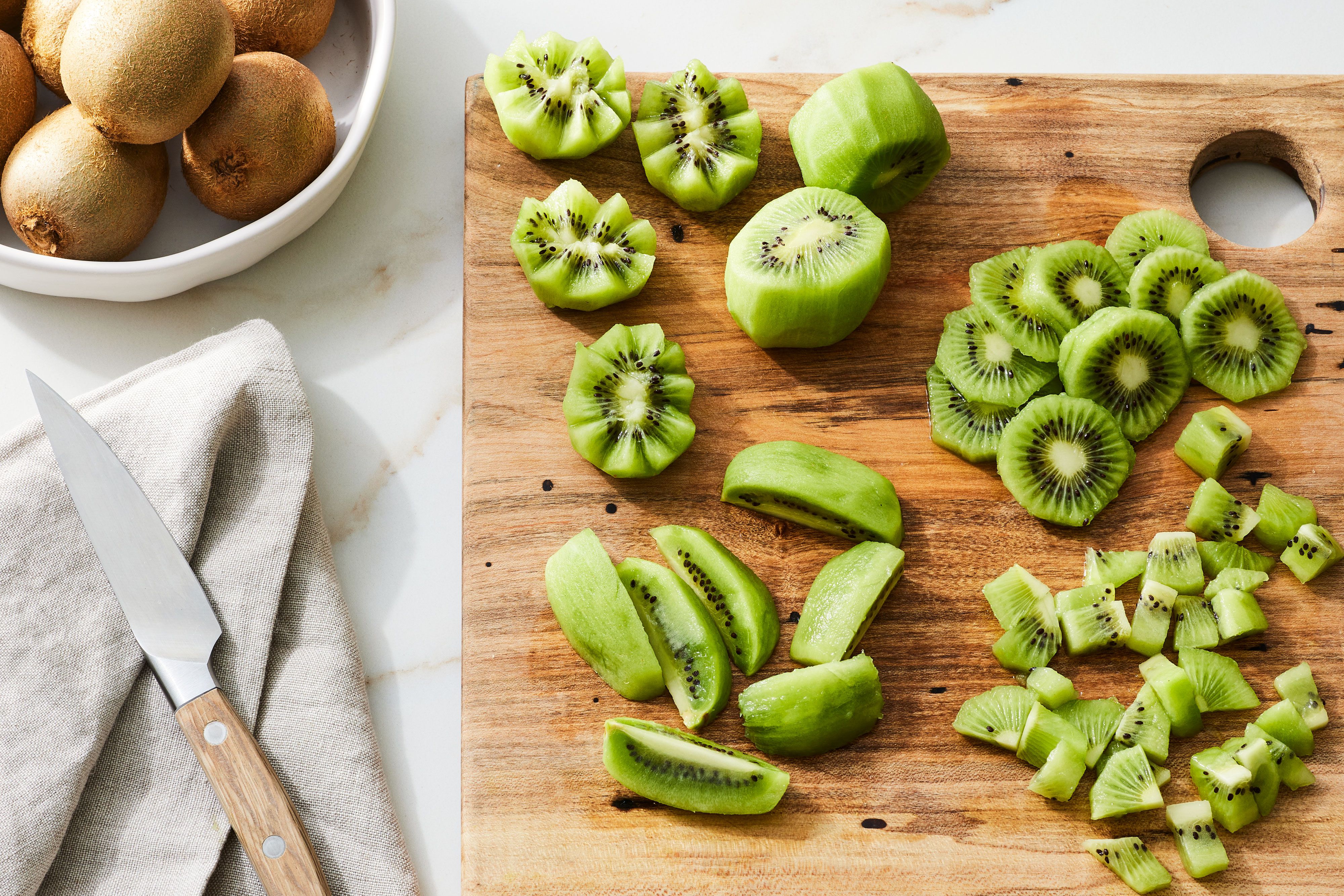
Kiwi is one of those fruits that looks like it was designed by a committee: fuzzy brown outside, bright green or golden inside, tiny black seeds sprinkled everywhere, and a flavor that says, “I am tropical, but I also brought spreadsheets.” The good news? Learning how to peel a kiwi is much easier than the fruit’s strange little outfit suggests.
Whether you want neat kiwi rounds for a fruit tart, small cubes for a breakfast bowl, or quick wedges for snacking, the right method makes all the difference. A ripe kiwi can be juicy and slippery, while an underripe kiwi can behave like a tiny sour potato. This guide covers how to choose, wash, peel, and slice kiwi without turning your cutting board into a green crime scene.
Do You Actually Need to Peel a Kiwi?
Technically, no. Kiwi skin is edible, and many people eat it after washing the fruit well. The peel contains fiber and nutrients, and leaving it on saves time. That said, the fuzzy texture is not everyone’s idea of a party. Some people love the contrast; others feel like they are chewing a fruit wearing a sweater.
If you are adding kiwi to smoothies, fruit salads, yogurt bowls, or salsas, leaving the skin on can work nicely, especially if the fruit is diced small. If you are making a pretty dessert, packing a lunch for someone picky, or serving kiwi to guests, peeling it usually gives a cleaner texture and a more polished look.
How to Choose the Best Kiwi for Peeling and Slicing
The best kiwi for peeling is ripe but not mushy. Hold the fruit gently in your palm and press with your thumb. It should give slightly, similar to a ripe peach or avocado. If it feels rock-hard, let it ripen at room temperature for a couple of days. If it feels squishy or has wet spots, it is probably past its prime.
A good kiwi should smell fresh and lightly sweet, not fermented. The skin may look fuzzy, dull, or slightly wrinkled depending on the variety, but avoid fruit with mold, deep bruises, or leaking juice. Once kiwi is ripe, refrigerate it to slow down softening and help it stay usable longer.
Before You Peel: Wash the Kiwi First
Even if you plan to remove the peel, wash the kiwi under cool running water first. This prevents dirt or surface bacteria from transferring from the skin to the flesh when your knife cuts through it. Rub the fruit gently with your hands, dry it with a clean towel, and place it on a stable cutting board.
For safer slicing, put a damp towel or paper towel under your cutting board to keep it from sliding. Kiwi is small, round, and dramatic. It will absolutely roll away if given the opportunity.
How to Peel a Kiwi: The Spoon Method
The spoon method is the best all-around way to peel a kiwi because it removes the skin cleanly while keeping most of the fruit intact. It is also oddly satisfying, like opening a tiny green treasure chest.
What You Need
- 1 ripe kiwi
- A sharp paring knife
- A small spoon
- A cutting board
Step-by-Step Instructions
- Wash and dry the kiwi. Rinse it under cool running water, then pat it dry.
- Trim both ends. Use a paring knife to slice off the top and bottom, creating two flat surfaces.
- Slide in the spoon. Insert a small spoon between the peel and the flesh, with the bowl of the spoon hugging the curve of the fruit.
- Rotate gently. Move the spoon around the inside of the peel, separating the fruit from the skin.
- Push the fruit out. Once the spoon has gone all the way around, the peeled kiwi should slide out in one piece.
This method works best with a ripe kiwi. If the fruit is too firm, the spoon may not glide smoothly. If it is too soft, the kiwi may collapse like it just heard bad news.
Other Easy Ways to Peel a Kiwi
Peeling Kiwi With a Knife
If you want speed and do not mind losing a little fruit, use a sharp paring knife. Trim the ends, stand the kiwi upright, and slice downward along the curve, removing thin strips of peel. Turn the kiwi as you go until the skin is gone. This method is great when you need clean sides for neat slices.
Peeling Kiwi With a Vegetable Peeler
A vegetable peeler works well on firm-ripe kiwi. Hold the fruit securely and peel from top to bottom in short strokes. This method is simple, but it can be messy if the kiwi is very soft. Use light pressure so you remove the skin without shaving away too much of the fruit.
The Cut-and-Scoop Method
For a quick snack, skip full peeling. Cut the kiwi in half across the middle and scoop out the flesh with a spoon. This is the “I need fruit now and I refuse to wash extra dishes” method. It is not the best choice for recipes, but it is perfect for lunchboxes, after-school snacks, or standing over the sink like a responsible adult in training.
The 4 Best Ways to Slice a Kiwi
Once your kiwi is peeledor washed well if you are leaving the skin onyou can cut it several ways. The best kiwi cut depends on how you plan to use it.
1. Kiwi Rounds
Kiwi rounds are the classic slices you see on fruit platters, pavlovas, tarts, and smoothie bowls. Place the peeled kiwi on its side and cut crosswise into thin circles. Aim for slices about 1/4 inch thick for fruit trays or thinner slices for decorating desserts.
Best for: fruit platters, cakes, tarts, yogurt bowls, lunchbox sides, and pretty garnishes.
Pro tip: Use a sharp knife and cut with a gentle sawing motion. Pressing straight down can squish a ripe kiwi and blur the clean seed pattern.
2. Half-Moons
Half-moons are easy to eat and less slippery than full rounds. Slice the kiwi in half lengthwise, place each half cut-side down, and cut crosswise into curved pieces. These pieces look nice in salads and are easier for kids to pick up with a fork.
Best for: fruit salads, green salads, breakfast bowls, snack plates, and chia pudding.
Pro tip: For a balanced fruit salad, mix kiwi half-moons with firmer fruits like apples, grapes, pineapple, or berries. Add kiwi near serving time so it stays fresh and bright.
3. Kiwi Wedges
Wedges are the snack-friendly cut. Slice the kiwi lengthwise into quarters, then cut each quarter in half if you want smaller pieces. Wedges keep their shape well and are great when you want something casual but still attractive.
Best for: snack trays, school lunches, picnic containers, mocktail garnishes, and fruit kabobs.
Pro tip: If you are using kiwi wedges on skewers, pair them with fruits that do not release too much liquid. Strawberries, grapes, melon, and pineapple are good partners.
4. Kiwi Dice
Diced kiwi is the most practical cut for recipes. Cut the peeled kiwi into rounds or lengthwise slabs, then slice into strips and turn those strips into cubes. The size depends on the dish: small dice for salsa, medium dice for yogurt bowls, and larger chunks for fruit salad.
Best for: fruit salsa, overnight oats, parfaits, smoothie bowls, salads, and pancake toppings.
Pro tip: Kiwi contains natural enzymes that can soften certain foods, so add diced kiwi close to serving time when mixing it with dairy-based desserts or delicate fruit salads.
Which Kiwi Cut Is Best for Each Recipe?
If presentation matters, choose rounds. They show off the kiwi’s beautiful center and seed pattern, making even a simple bowl of oatmeal look like it has a publicist. For easy eating, choose half-moons or wedges. For mixing, spooning, or topping, choose dice.
| Kiwi Cut | Best Use | Why It Works |
|---|---|---|
| Rounds | Desserts and fruit platters | Beautiful shape and clean presentation |
| Half-moons | Fruit salads and bowls | Easy to eat and mix |
| Wedges | Snacks and skewers | Easy to hold and sturdy |
| Dice | Salsa, parfaits, oats, toppings | Blends well into recipes |
Common Kiwi Peeling Mistakes
Using a Dull Knife
A dull knife crushes kiwi instead of cutting it. Because kiwi flesh is soft and juicy, a sharp paring knife gives you better control and cleaner slices.
Skipping the Wash
Always rinse kiwi before cutting, even if you are removing the peel. The knife touches the outside first, then passes through the inside. Clean fruit makes better food and fewer kitchen regrets.
Peeling an Overripe Kiwi
If your kiwi is extremely soft, use the cut-and-scoop method instead of trying to peel it whole. Overripe kiwi can still be useful in smoothies, sauces, or marinades, but it will not make pretty slices.
Cutting Too Far in Advance
Kiwi tastes best soon after slicing. You can store cut kiwi in an airtight container in the refrigerator, but the texture softens over time. For the freshest look and flavor, slice it the same day you plan to serve it.
How to Store Peeled or Sliced Kiwi
Store peeled or sliced kiwi in an airtight container in the refrigerator. For the best texture, use it within one to two days. If you are packing kiwi for lunch, keep it chilled with an ice pack, especially if it is mixed with yogurt or other perishable foods.
You can also freeze kiwi for smoothies. Slice or dice it, spread the pieces on a parchment-lined tray, freeze until firm, then transfer them to a freezer-safe bag. Frozen kiwi loses some of its fresh texture after thawing, but it blends beautifully into smoothies and frozen drinks.
Fun Ways to Use Sliced Kiwi
Kiwi is more versatile than it looks. Add rounds to a fruit tart, spoon diced kiwi over Greek yogurt, blend it into a smoothie, or toss half-moons into a citrusy fruit salad. For a quick fruit salsa, combine diced kiwi with strawberries, cucumber, lime juice, and a little chopped mint. Serve it with cinnamon pita chips or spoon it over grilled chicken or fish.
Kiwi also makes a cheerful garnish for mocktails, lemonade, sparkling water, and iced tea. A single round on the rim of a glass can make plain water feel like it has vacation plans.
Extra Experience: What I Learned From Peeling and Slicing Kiwi in Real Kitchens
After working with kiwi in everything from breakfast bowls to last-minute fruit platters, I have learned one important truth: kiwi rewards calm hands. The fruit is small, but it can be surprisingly slippery. If you rush, it rolls. If you press too hard, it squashes. If you use a dull knife, it turns into something that looks less like a garnish and more like abstract art.
The spoon method has become my favorite because it gives the best balance of speed and neatness. The first time you try it, you might feel like you are performing fruit surgery. By the third kiwi, you will probably wonder why anyone ever attacked one with a giant knife. The trick is to keep the spoon close to the skin. If you angle the spoon too deep, you remove too much fruit. If you stay too shallow, the peel clings on like it signed a lease.
For meal prep, I prefer cutting kiwi into half-moons rather than rounds. Rounds are gorgeous, but half-moons are easier to layer into containers and easier to eat with a spoon. They also mix better with berries, melon, and grapes. If I am making a smoothie pack, I dice the kiwi and freeze it on a tray first so the pieces do not become one giant frozen kiwi brick.
For kids or picky eaters, peeling usually helps. Even though kiwi skin is edible, the fuzzy texture can be a deal-breaker. A peeled kiwi cut into wedges feels familiar and snackable. If you want to introduce the skin, try blending a whole washed kiwi into a smoothie first. The blender does the convincing, which is useful because fruit debates at breakfast are not how anyone wants to start the day.
One more lesson: kiwi looks best when sliced right before serving. If you are building a fruit platter, prep sturdier fruits first, then slice the kiwi near the end. Add it as the bright green finishing touch. It brings color, tang, and a little dramain the good way, not the “someone spilled juice on the tablecloth” way.
In short, kiwi is easy once you know its personality. Pick fruit that gives slightly, wash it first, use a sharp knife, and choose the cut that matches your recipe. The spoon method handles peeling beautifully, while rounds, half-moons, wedges, and dice cover nearly every serving situation. That is a lot of usefulness from one fuzzy little fruit.
Conclusion
Learning how to peel a kiwi is simple, but choosing the right method can make your fruit look cleaner, taste fresher, and behave better in recipes. Use the spoon method for the least waste, a knife for speed, a peeler for firm fruit, or the cut-and-scoop trick for quick snacking. Then slice your kiwi into rounds, half-moons, wedges, or dice depending on whether you are decorating, mixing, snacking, or meal-prepping.
With a ripe kiwi, a clean cutting board, and a sharp knife, you can turn this fuzzy fruit into a bright, sweet-tart ingredient for breakfasts, desserts, salads, smoothies, and snacks. Kiwi may look quirky on the outside, but inside it is basically edible sunshine with tiny seeds and excellent PR.














